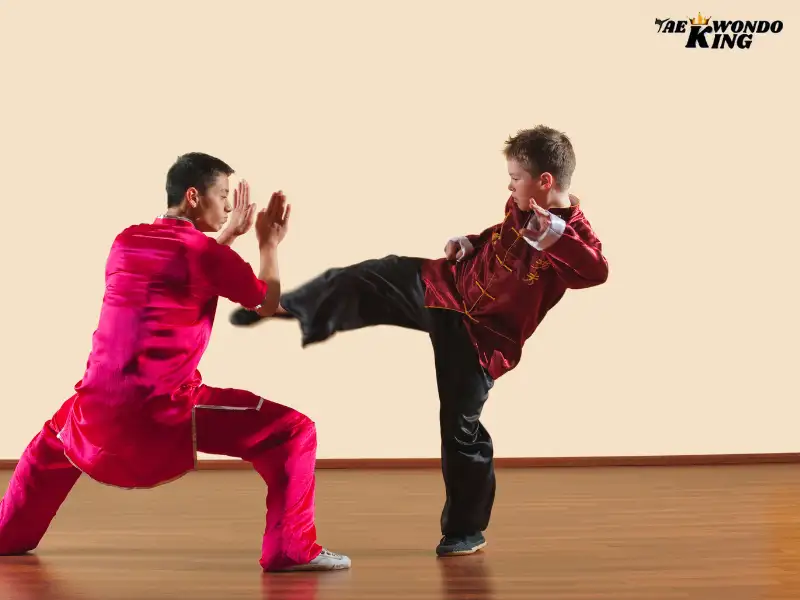
Martial arts enthusiasts often engage in spirited debates about which martial art reigns supreme. Kung Fu, with its rich history and diverse styles, has captivated practitioners worldwide. However, the question inevitably arises: Is there a martial art that’s inherently better than Kung Fu? To tackle this, we’ll delve into various martial arts, considering their unique attributes, and why some may consider them “better” than Kung Fu in certain contexts.
When comparing martial arts styles, it is important to consider personal preferences, goals, and individual skill sets. While some may argue that certain martial arts are better than others, it ultimately depends on the individual and their specific needs. Kung Fu, for example, is a traditional Chinese martial art known for its diverse techniques and focus on self-defense. However, other martial arts such as Brazilian Jiu-Jitsu, MMA, Taekwondo, Karate, Kickboxing, Krav Maga, Boxing, or Muay Thai may be more effective in certain situations. It is important to research and try different martial arts styles to determine which one aligns best with your goals and abilities.
Brazilian Jiu-Jitsu (BJJ)
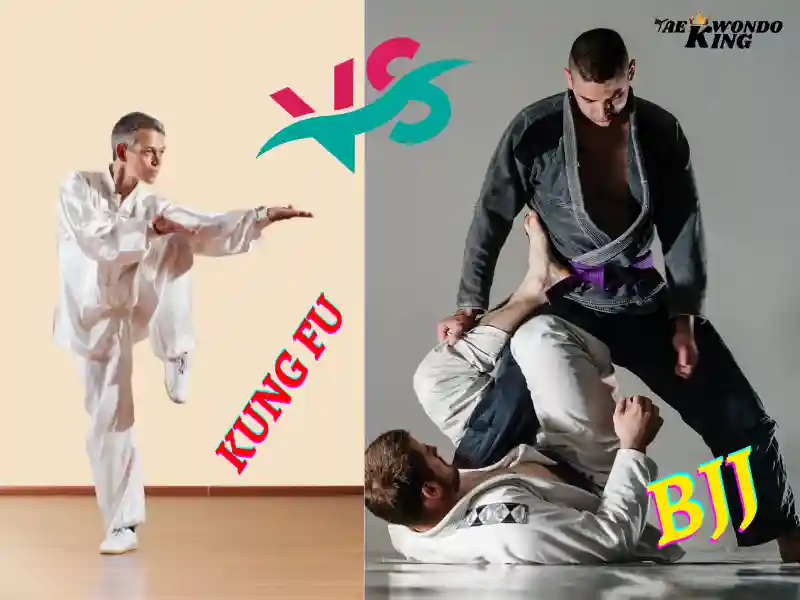
The debate over whether Brazilian Jiu-Jitsu (BJJ) is superior to Kung Fu is a matter of personal perspective. BJJ excels in ground fighting, submissions, and practical self-defense, emphasizing technique over brute strength. In contrast, Kung Fu boasts a rich history, diverse styles, and a focus on striking techniques, forms, and philosophy.
BJJ vs. Kung Fu? Which Martial Arts is better than Kung fu?
The choice between BJJ and Kung Fu hinges on your goals. If you seek effective ground combat and real-world self-defense skills, BJJ might be your preference. However, if you’re drawn to a holistic martial art deeply rooted in tradition and diverse techniques, Kung Fu could be your chosen path. Ultimately, the “better” art depends on your martial arts aspirations.
Muay Thai Martial Arts Is Better Than Kung Fu?
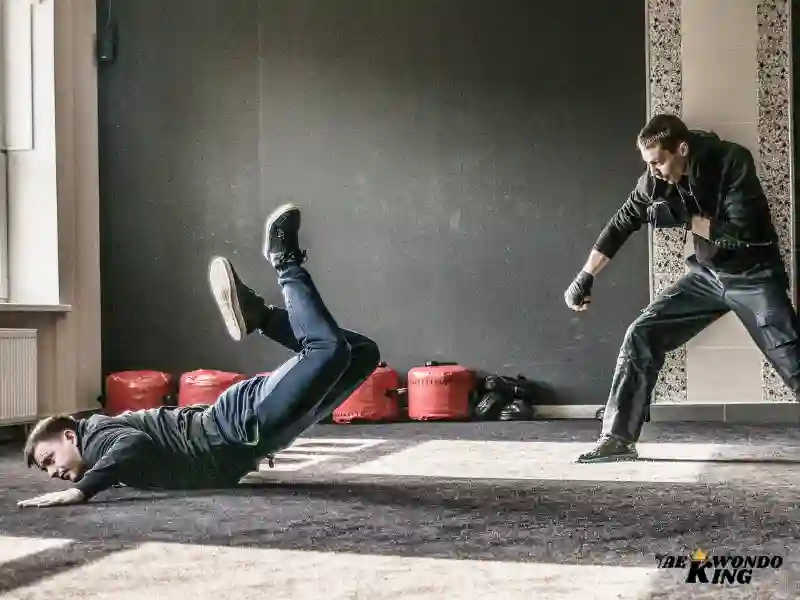
Whether Muay Thai is superior to Kung Fu is a subject of ongoing discussion in the martial arts community. Muay Thai, celebrated for its powerful strikes using fists, elbows, knees, and shins, excels in practicality and combat effectiveness. Kung Fu, on the other hand, encompasses a diverse array of styles, emphasizing traditional forms, philosophy, and a wide range of techniques.
The answer to which is “better” is highly subjective and context-dependent. Muay Thai may be favored for its straightforward and battle-tested approach, while Kung Fu enthusiasts value its rich history, holistic philosophy, and diverse skill set. Ultimately, the choice between Muay Thai and Kung Fu comes down to individual preferences and martial arts goals.
Mixed Martial Arts (MMA)

Comparing Mixed Martial Arts (MMA) to Kung Fu involves contrasting two vastly different approaches to martial arts. MMA, celebrated for its practicality and versatility, blends multiple fighting disciplines, emphasizing real-world effectiveness. Kung Fu, steeped in tradition and philosophy, encompasses a wide range of styles, each with unique techniques and forms. It works in a real fight.
Declaring one superior to the other is subjective, as it depends on your martial arts objectives. MMA excels in combat sports and practical self-defense, while Kung Fu offers deep philosophical insights and a diverse skill set. The “better” choice lies in alignment with your goals and what resonates with your martial arts journey.
Boxing Martial Arts is Better Than Kung Fu?
Comparing Boxing to Kung Fu stirs passionate discussions within the martial arts community. These two disciplines represent distinct approaches to combat, each with its merits. Let’s explore this debate from various angles.
Boxing: The Science of Punching: Boxing is celebrated for its precision in punches, head movement, and footwork. It’s a sport where practitioners spend years perfecting the art of delivering powerful and accurate strikes. Boxing emphasizes ring strategy, defensive maneuvers, and the sweet science of boxing. Its effectiveness in professional fighting is undisputed.
Kung Fu: Kung Fu encompasses a vast array of styles, each with unique techniques, forms, and philosophical foundations. It emphasizes not only physical combat but also mental and spiritual development. Kung Fu forms (katas) promote balance, agility, and the cultivation of inner energy (chi).
Boxing vs. Kung Fu? Which Martial Arts is better than Kung fu?
Ultimately, the “better” choice between Boxing and Kung Fu depends on personal preferences and goals. If you’re drawn to the science of striking and competitive fighting, Boxing might be your preference. However, if you seek a comprehensive martial art rooted in tradition, philosophy, and diverse techniques, Kung Fu offers a unique and enriching journey. The answer lies in aligning your martial arts pursuits with your aspirations and interests.
Karate is Better Than Kung Fu?
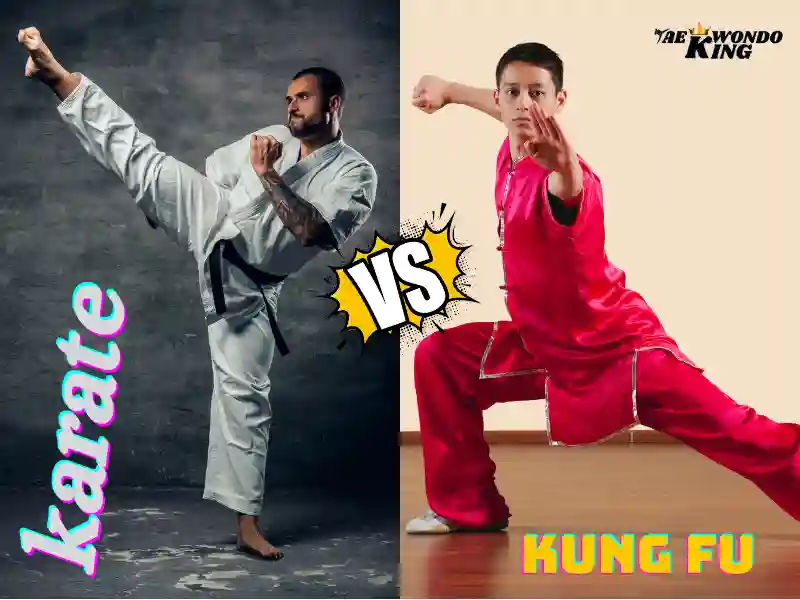
The debate over whether Karate is superior to Kung Fu is a conversation that ignites passions in the martial arts community. These two disciplines represent distinct approaches to combat and self-improvement, each with its unique strengths and philosophies.
Kung Fu vs. Karate
Karate: Precision Strikes and Discipline: Karate is renowned for its precise and powerful strikes, emphasizing linear movements, strong stances, and disciplined training. It promotes the development of mental fortitude, focus, and a strong sense of self-discipline. Karate’s emphasis on kata (forms) helps practitioners refine their techniques and create a strong foundation for striking. Some of the more popular organizations around the world that offer up professional and amateur Karate tournaments are the WKF (World Karate Federation) EKK (European Kyokushin Karate Organization) USADO (USA National Karate DO) JKF (Japan Karate Federation) And much more.
Kung Fu: A Tapestry of Styles and Philosophy: Kung Fu encompasses a vast array of styles, from the fluid movements of Tai Chi to the explosive power of Wing Chun. It places importance on a holistic approach, incorporating physical, mental, and philosophical aspects. Kung Fu practitioners often explore diverse techniques, forms, and philosophies deeply rooted in Chinese culture.
Can Karate defeat Kung Fu?
The outcome of a martial arts encounter between Karate and Kung Fu practitioners depends on various factors, including the skill level, experience, and strategy of each individual. Both Karate and Kung Fu encompass a wide range of styles, techniques, and philosophies, making it difficult to generalize. Success in a martial arts competition or confrontation often depends more on the practitioner’s proficiency, adaptability, and mindset rather than the style itself.
Which is more dangerous Kung Fu or Karate?
Neither Kung Fu nor Karate is inherently more dangerous than the other. Both martial arts can be practiced safely under proper instruction and supervision. The potential danger in any martial art arises from the intensity of training, the level of contact, and the attitudes of practitioners. Safety measures, respect for training partners, and adherence to proper technique are essential in mitigating risks in both Kung Fu and Karate.
What is stronger Karate or Kung Fu?
The strength of Karate or Kung Fu is subjective and depends on various factors including the practitioner’s skill level, training, and individual attributes. Both Karate and Kung Fu encompass a wide range of styles, techniques, and philosophies, each with its strengths and weaknesses. Ultimately, the effectiveness of any martial art depends on how well it is practiced and applied in real-world situations.
Which Karate style is closest to Kung Fu?
The Karate style that is closest to Kung Fu is often considered to be Goju-Ryu Karate. Goju-Ryu, which means “hard-soft style” in Japanese, emphasizes a combination of powerful striking techniques (representing the “hard” aspect) and fluid, circular movements (representing the “soft” aspect). It shares similarities with certain Kung Fu styles in terms of its focus on both internal and external principles, as well as its incorporation of circular motions and breathing techniques reminiscent of Chinese martial arts.
Karate or Kung Fu? Which Martial Arts is better than Kung fu?
In the end, declaring one art as “better” than the other is subjective and depends on personal goals. If you value precision striking and disciplined training, Both fighters are going to be up for the challenge, and there are many styles to choose from. Karate might align better with your objectives. On the other hand, if you seek a holistic martial journey with a rich cultural heritage and diverse techniques, Kung Fu offers a unique and enriching path.
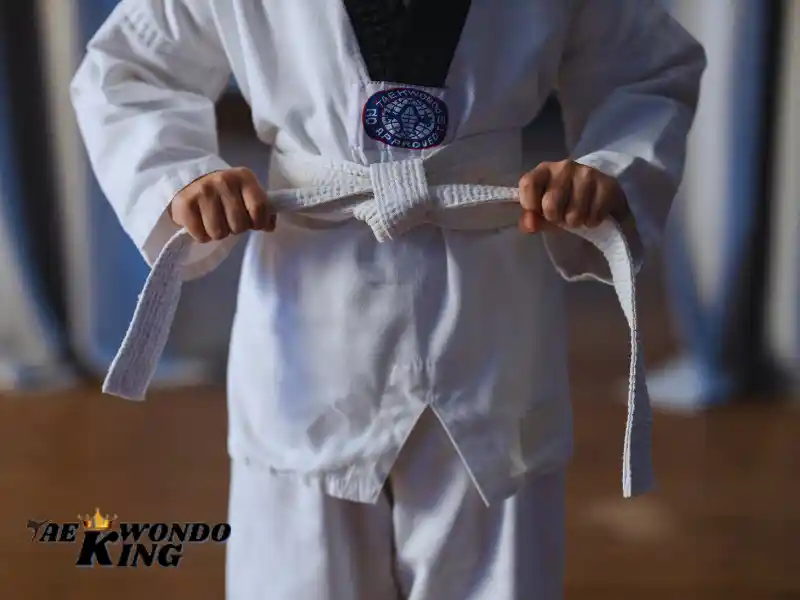
Taekwondo Martial Arts is Better Than Kung Fu?
The comparison between Taekwondo and Kung Fu is a topic that sparks discussions among martial arts enthusiasts. These two disciplines represent different paths to martial mastery, each with its unique characteristics and philosophies. Which One is Better for Self-Defense (in a Street Fight)?
Taekwondo vs. Kung Fu? Let’s explore the debate.
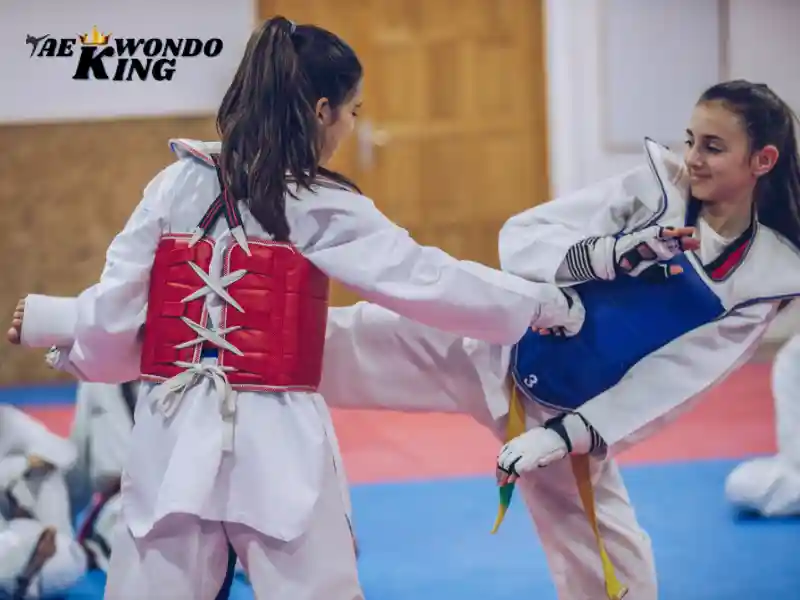
Taekwondo: High Kicks and Dynamic Kicking Techniques: Taekwondo is celebrated for its high, fast kicks, dynamic movements, and powerful striking techniques. It places a strong emphasis on agility, flexibility, and precision in kicks. Taekwondo practitioners often develop exceptional leg strength and speed.
Kung Fu: Kung Fu encompasses a vast array of styles, each with its techniques, forms, and philosophies. It places importance on a holistic approach, incorporating physical, mental, and philosophical aspects. Kung Fu’s techniques range from strikes and kicks to joint locks, throws, and animal forms.
Taekwondo or Kung Fu? Which Martial Arts is better than Kung fu?
Ultimately, the choice between Taekwondo and Kung Fu depends on personal preferences and goals. If you’re drawn to high, fast kicks and competitive sparring, Taekwondo may be your preference. Conversely, if you seek a holistic martial journey with a rich cultural heritage and diverse techniques, Kung Fu offers a unique and enriching path. The “better” choice aligns with your martial arts aspirations and interests.
What is more powerful Taekwondo or Kung Fu?
Both Taekwondo and Kung Fu are powerful martial arts with their unique techniques and strengths. Taekwondo is known for its emphasis on kicking techniques and agility, while Kung Fu is known for its diverse range of striking, grappling, and self-defense techniques. The effectiveness of each martial art ultimately depends on the skill and training of the practitioner. It’s important to remember that the power of martial art comes from the dedication and practice of the individual, rather than the style itself.
Can TaeKwonDo defeat Kung Fu?
The outcome of a fight between TaeKwonDo and Kung Fu ultimately depends on the skill and experience of the practitioners. Both martial arts have their strengths and weaknesses, and the result of a match would come down to the abilities of the individual fighters rather than the style itself. It’s important to remember that martial arts are not about defeating others, but about self-discipline, respect, and personal growth.
Krav Maga
The comparison between Krav Maga and Kung Fu raises important considerations within the martial arts community. Krav Maga, designed for practical self-defense, prioritizes rapid and efficient threat neutralization. Kung Fu encompasses a vast array of styles with a focus on traditional techniques, forms, and philosophies.
Krav Maga vs. Kung Fu? Let’s delve into this debate.
Krav Maga: Swift and Efficient Self-Defense: Krav Maga is celebrated for its practicality and real-world effectiveness. It equips practitioners with techniques designed to neutralize threats swiftly, emphasizing instinctual movements and practicality over tradition. Krav Maga’s direct and no-nonsense approach is tailored for modern self-defense scenarios.
Kung Fu: A Tapestry of Styles and Philosophy: Kung Fu encompasses a diverse range of styles, each with unique techniques, forms, and philosophical foundations. It emphasizes a holistic approach, incorporating physical, mental, and philosophical aspects. Kung Fu’s techniques span strikes, joint locks, throws, and animal forms.
Krav Maga or Kung Fu? Which is better than Kung fu?
In the end, the choice between Krav Maga and Kung Fu hinges on personal goals and preferences. If practical self-defense and efficiency are paramount, Krav Maga may align better with your objectives. However, if you seek a holistic martial journey deeply rooted in tradition, philosophy, and diverse techniques, Kung Fu offers a unique and enriching path. The “better” choice ultimately depends on your martial arts aspirations and interests.
Kickboxing Martial Arts is Better Than Kung Fu?
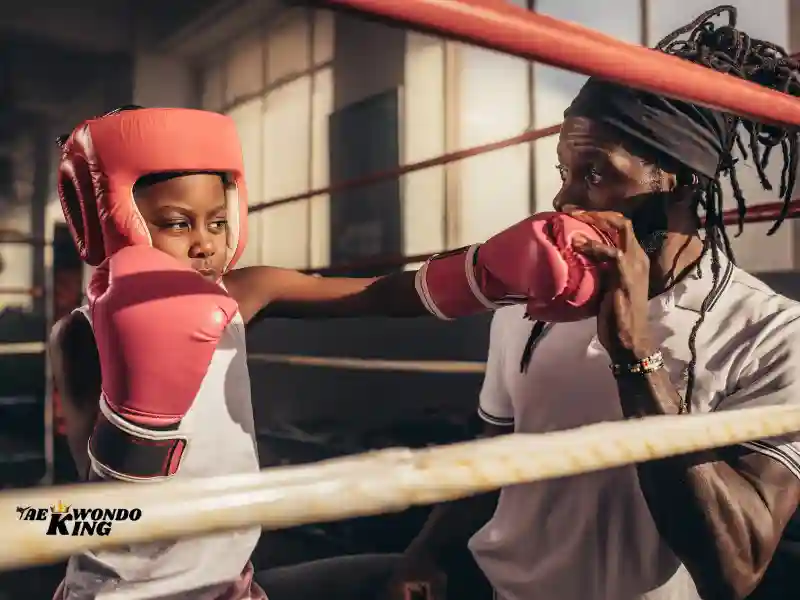
The comparison between Kickboxing and Kung Fu invites exploration of contrasting martial arts philosophies. Kickboxing, renowned for its dynamic striking techniques, incorporates punches, kicks, elbows, and knees. It’s an explosive stand-up combat sport. Kung Fu encompasses a diverse range of styles, emphasizing tradition, philosophy, and a holistic approach to martial arts. Who Would Win in a Professional Fight Between Kickboxing and Karate Masters?
Declaring one superior to the other is subjective, as it depends on individual goals. If you crave high-intensity striking, dynamic footwork, and competitive fighting, Kickboxing may be your preference. Conversely, if you seek a martial art deeply steeped in tradition, diverse techniques, and philosophical insights, Kung Fu offers a unique and enriching path. The “better” choice aligns with your martial arts aspirations.
What are The most dangerous Kung Fu styles?
When discussing the most dangerous Kung Fu styles, it’s crucial to consider the practitioner’s skill and expertise rather than just the style itself. Styles such as Wing Chun, Hung Gar, Lau Gar, Dragon Style, and Shaolin Kung Fu are recognized for their effectiveness in self-defense and combat, but it depends on the individual’s training and capability. It’s also essential to understand that the true essence of Kung Fu is not about inflicting harm, but rather about self-improvement and discipline.
What is the origin of the Hung Gar Kung Fu system?
The Hung Gar Kung Fu system, also known as Hung Kuen or Hung Ga, traces its origin back to the southern Shaolin Temple in China during the Qing Dynasty (1644–1912). The style is attributed to Hung Hei-gun, a legendary figure said to have been a student at the Shaolin Temple.
Hung Hei-gun synthesized his knowledge of martial arts, particularly techniques inspired by the movements of animals like the tiger and the crane, to develop the Hung Gar system. He passed down his teachings to his disciples, who continued to spread and develop the style throughout southern China and beyond. Today, Hung Gar remains one of the most widely practiced and respected styles of Chinese martial arts.
What is the difference between Hang Gar and Lau Gar?
Hung Gar and Lau Gar are both traditional styles of Southern Chinese Kung Fu, but they have distinct characteristics:
- Hung Gar: Also known as Hung Kuen or Hung Ga, it is named after its founder, Hung Hei-gun. Hung Gar is characterized by powerful, strong stances and dynamic hand techniques resembling those of the tiger and crane. It emphasizes strong strikes, low stances, and rooted footwork.
- Lau Gar: Also known as Lau Gar Kuen, it is named after its founder, Lau Sam-Ngan. Lau Gar is known for its fluid movements, intricate footwork, and quick, precise strikes. It incorporates elements from various animal styles, including the tiger, snake, and dragon. Lau Gar practitioners often emphasize agility and adaptability in combat.
How many forms does Hung Gar have?
Hung Gar Kung Fu typically contains a comprehensive set of forms, known as “kuen” in Cantonese or “quan” in Mandarin. The exact number of forms can vary depending on lineage, school, and specific variations practiced. However, there are commonly five core forms considered foundational in many Hung Gar lineages:
- Gung Ji Fuk Fu Kuen (工字伏虎拳) – “The Taming the Tiger Fist”
- Fu Hok Seung Ying Kuen (虎鶴雙形拳) – “The Tiger and Crane Double Form Fist”
- Sup Ying Kuen (十形拳) – “Ten Shape Fist” or “Ten Animals Fist”
- Ng Ying Kuen (五形拳) – “Five Animals Fist”
- Tit Sin Kuen (鐵線拳) – “Iron Wire Fist” or “Iron Thread Set”
These forms collectively provide a comprehensive training regimen covering various techniques, principles, and applications within the Hung Gar system. Additionally, advanced practitioners may learn additional forms and specialized sets as they progress in their training.
What is the meaning of Lung Ying?
“Lung Ying,” also known as “Lung Ying Mo Kwoon” or “Lung Ying Kung Fu,” is a style of Chinese martial arts that originated in Guangdong Province, China. The term “Lung Ying” can be translated to “Dragon Shape” or “Dragon Form.” It is derived from the mythological creature, the dragon, which is revered in Chinese culture for its power, strength, and auspicious symbolism. In martial arts, “Lung Ying” typically refers to a style known for its powerful and fluid movements, often incorporating techniques inspired by the movements of the dragon.
What is the strongest animal Kung Fu style?
In Kung Fu, there isn’t a style specifically referred to as the “strongest animal style.” However, various animal-inspired styles are renowned for their effectiveness in combat and unique characteristics. Styles like Tiger, Crane, and Snake Kung Fu are often revered for their power, agility, and adaptability. Each style emphasizes different aspects of martial arts training and can be highly effective in its own right.
Is Shaolin Kung Fu Dangerous?
Shaolin Kung Fu itself is not inherently dangerous. Like any martial art, its practice emphasizes discipline, control, and respect. However, the intensity of training and the physical demands involved can lead to injuries if proper precautions are not taken or if training is approached recklessly. With proper instruction and supervision, Shaolin Kung Fu can be practiced safely.
What is tiger-style Kung Fu called?
Tiger-style Kung Fu is commonly referred to as “Tiger Kung Fu” or “Tiger Fist” (虎拳 – Hǔ Quán in Mandarin). It is one of the animal-inspired styles of Kung Fu, focusing on emulating the movements, power, and ferocity of the tiger. Tiger Kung Fu emphasizes strong, aggressive strikes, clawing techniques, and powerful stances, making it a formidable and dynamic martial art style.
What is a Dragon in Martial Arts?
In martial arts, the dragon symbolizes power, wisdom, and transformation. It is often depicted in various styles, such as Dragon-style Kung Fu, as a source of inspiration for dynamic and fluid movements. The dragon represents mastery of oneself and the ability to adapt and overcome challenges.
Is Dragon-style Kung Fu effective?
The effectiveness of Dragon-style Kung Fu, like any martial art, depends on various factors including the practitioner’s skill level, training, and application. Dragon-style Kung Fu emphasizes fluid, evasive movements, and techniques inspired by the mythical dragon. While it may not be as widely practiced or recognized as some other styles, it can still be effective for self-defense and combat when taught and applied properly by skilled practitioners. Ultimately, the effectiveness of any martial art depends on the individual practitioner’s ability to adapt and apply its techniques in real-world situations.
How to learn Kung Fu Dragon Style?
To learn Kung Fu Dragon Style, follow these steps:
- Find a Qualified Instructor: Look for a reputable Kung Fu school or instructor with experience teaching Dragon-style Kung Fu.
- Start with Basics: Begin your training by learning foundational Kung Fu techniques, stances, and movements that are common across various styles.
- Specialize in Dragon Style: Once you have a strong foundation, focus specifically on learning Dragon-style techniques, forms, and principles.
- Practice Regularly: Dedicate time to practice consistently, focusing on mastering the techniques and movements of Dragon-style Kung Fu.
- Attend Classes and Workshops: Take advantage of classes, workshops, and seminars led by experienced Dragon-style Kung Fu practitioners to deepen your understanding and refine your skills.
- Supplement Training: Study additional resources such as books, videos, and online tutorials to supplement your training and gain further insight into Dragon-style Kung Fu.
- Spar and Apply Techniques: Practice sparring and applying Dragon-style techniques in controlled settings to develop practical combat skills.
- Seek Feedback: Seek feedback from your instructor and peers to identify areas for improvement and refine your technique.
- Stay Dedicated: Learning Kung Fu Dragon Style requires dedication, patience, and perseverance. Stay committed to your training and continue to challenge yourself to grow and improve as a martial artist.
Is there a monkey style in Kung Fu?
Yes, there is a Monkey-style Kung Fu, also known as Hou Quan (猴拳) in Mandarin. It is an animal-inspired martial art that emulates the movements and characteristics of the monkey. Monkey-style Kung Fu is known for its agility, acrobatics, and deceptive techniques, making it both effective and visually distinctive.
What is Drunken Monkey Style?
Drunken Monkey Style, known as Zui Quan (醉拳) in Mandarin, is a unique and theatrical style of Kung Fu that mimics the movements of a drunkard mixed with the agility and evasiveness of a monkey. Practitioners imitate the staggering, swaying, and unpredictable actions of a drunk person, combined with quick strikes, spins, and acrobatics characteristic of Monkey-style Kung Fu. It emphasizes fluidity, deception, and unpredictability in combat, making it both effective and entertaining to watch.
Which Martial Arts is better than Kung Fu for self-defense?
There is no definite answer to this question as the effectiveness of a martial art for self-defense depends on various factors such as the individual’s training, skill, and situational awareness. Different martial arts have different strengths and techniques that can be effective in different situations. It is best to choose a martial art that suits your personal goals, preferences, and physical abilities. Consulting with a trained instructor can help you determine which martial arts would be best for your self-defense needs.
Which Martial Arts is better than Kung Fu for fitness?
There is no single martial art that is inherently superior to kung fu for fitness. The effectiveness of a martial art for fitness depends on several factors, such as an individual’s personal preferences, goals, and physical abilities. Some martial arts known for their fitness benefits include Muay Thai, Brazilian Jiu-Jitsu, and Taekwondo. It is advisable to experiment with different martial arts and discover the one that best fits your needs and interests.
Which Martial Arts can help achieve mental discipline?
Many martial arts can assist in developing mental discipline. Some examples include:
1. Karate: Known for its emphasis on discipline, karate focuses on self-control, concentration, and perseverance.
2. Taekwondo: This martial art from Korea places importance on mental and physical discipline, incorporating meditation and breathing techniques.
3. Judo: Judo highlights discipline, respect, and self-control, teaching practitioners to efficiently utilize their opponent’s energy.
4. Kung Fu: Derived from Chinese martial arts, Kung Fu emphasizes discipline, patience, and mental focus.
5. Aikido: A Japanese martial art that promotes blending with an opponent’s energy rather than opposing it, Aikido teaches practitioners to remain calm and centered.
6. Brazilian Jiu-Jitsu: In addition to physical techniques, Brazilian Jiu-Jitsu stresses mental strength, problem-solving skills, and strategic thinking.
7. Muay Thai: This martial art from Thailand requires mental discipline as practitioners must train their minds to endure intense physical challenges.
It’s important to note that mental discipline can also be developed through other activities such as yoga, meditation, or mindfulness practices.
Which Martial Arts can help achieve spiritual enlightenment?
Many martial arts prioritize spiritual development and have the potential to aid individuals in achieving spiritual enlightenment. Tai Chi, Aikido, Kung Fu, Judo, and Karate are some martial arts commonly linked to spiritual growth. It is crucial to recognize that spiritual enlightenment is a personal endeavor and can be pursued through different practices such as meditation, mindfulness, and self-reflection, irrespective of the martial art chosen.
Which Martial Arts is better than Kung Fu for competition?
There is no one martial art that is universally considered better than kung fu for competition. The effectiveness of martial arts in competition depends on various factors such as the skill level of the practitioner, their training, and their strengths and weaknesses. Different martial arts excel in different areas of combat, so it ultimately comes down to personal preference and the specific rules and regulations of the competition. Some martial arts that are commonly recognized for their competitive effectiveness include Brazilian Jiu-Jitsu, Muay Thai, Boxing, Wrestling, and Judo.
Which Martial Arts is better than Kung Fu for women?
There is no martial art that is inherently “better” than kung fu for women. The choice of martial arts depends on individual preferences, goals, and physical abilities. Some martial arts that are often recommended for self-defense for women include Brazilian Jiu-Jitsu, Krav Maga, Muay Thai, and Taekwondo. It is important to find a martial art that suits your needs and interests and to train under a qualified instructor.
Which Martial Arts is better than Kung Fu for children?
There is no definitive answer as to which martial arts are better than kung fu for children, as it depends on the individual child’s preferences, physical abilities, and goals. Some popular martial arts options for children include karate, taekwondo, judo, and Brazilian jiu-jitsu. It is recommended to visit local martial arts schools and speak with instructors to determine which style may be the best fit for your child.
Conclusion: The Better Martial Art Depends on You:
- The “better” martial art isn’t universal; it’s subjective and depends on your goals, preferences, and interests.
- Kung Fu offers a rich tapestry of styles and philosophies, but other martial arts can complement and enhance your martial journey based on your objectives.
In summary, while Kung Fu holds a special place in the world of martial arts, there isn’t a single martial art that is inherently “better.” The true value lies in finding the martial art that resonates with your goals and passions, whether it’s Kung Fu or one of the many diverse martial arts disciplines that offer their unique insights and experiences. Ultimately, the best martial art is the one that suits an individual’s interests and needs. It is recommended to try out different martial arts and find the one that resonates with you the most.
FAQs
Which is better, Kung Fu or Karate or Taekwondo?
When it comes to determining which martial art is better, it ultimately depends on your personal goals and preferences. Kung Fu focuses on striking, grappling, and throwing techniques, while Karate emphasizes powerful punches and kicks. Taekwondo, on the other hand, is known for its dynamic kicking techniques. Consider what you are looking to achieve with martial arts training and which style aligns best with your interests and fitness goals. Each martial art has its unique strengths and benefits, so it’s important to research and try out different styles to see which one resonates with you.
Karate vs Kung Fu vs Taekwondo vs Jiu Jitsu
Kung Fu, Karate, Taekwondo, and Jiu Jitsu are all distinct martial arts with their techniques and styles. Karate emphasizes strong strikes and kicks, while Kung Fu focuses on fluid movements and various hand strikes. Taekwondo is known for its dynamic kicks and fast-paced sparring, while Jiu Jitsu is centered on ground fighting and grappling techniques. Each martial art offers unique benefits and can be chosen based on individual preferences and goals.
Wushu vs Taekwondo
Taekwondo and Wushu are both martial arts with distinct techniques and styles. Wushu, a Chinese martial art, emphasizes fluid, graceful movements and performance, while Taekwondo, a Korean martial art, focuses on fast, powerful kicks and punches. Both have their forms and routines, and practitioners often train for physical fitness, self-defense, and mental discipline. Understanding the differences between the two can help individuals choose which martial art is best suited for their goals and interests.
Karate vs Taekwondo vs Wushu
Taekwondo, Karate, and Wushu are all distinct martial arts with their own set of techniques and underlying philosophies. Karate is known for its emphasis on powerful strikes and blocks, while Taekwondo is characterized by its fast and dynamic kicking techniques. Wushu, on the other hand, incorporates acrobatic and fluid movements. It’s important to recognize the unique history and cultural significance of each martial art before deciding which one to pursue.
Is Kung fu better than Boxing?
This is a common debate among martial arts enthusiasts, but the answer ultimately depends on individual preferences and goals. Kung fu is known for its diverse techniques and focus on self-defense, while boxing emphasizes speed, power, and precision. Both disciplines have their benefits and drawbacks, so it’s important to consider what you want to achieve from your training.
Is Wushu and Karate the same?
Wushu and Karate are two separate martial arts with different origins and techniques. Wushu is a Chinese martial art that emphasizes performance and aesthetics, while Karate is a Japanese martial art that focuses on self-defense and combat techniques. Despite some similarities, like the use of forms or katas, they have distinct training methods and styles. It’s important to be aware of these differences before deciding which one to study.
Can Shaolin Kung Fu beat Boxing?
The answer to this question is not a simple yes or no. It depends on the skill and ability of the individual practitioner. Shaolin Kung Fu is a traditional Chinese martial art that focuses on striking, grappling, and throwing techniques, while boxing is a Western combat sport that emphasizes punching and footwork. Both have their strengths and weaknesses, and the outcome of a fight would ultimately depend on the specific situation and the skill of the fighters.

Founder, Owner, and CEO of TaekwondoKing.
He is one of the top 100 martial artists in the World and among the top 20 referees in Bangladesh.
Ehatasamul Alom is an esteemed Kukkiwon Certified Taekwondo 3rd Dan Black Belt with over 15 years of experience in this dynamic martial art. Born in Rajshahi, Bangladesh, Ehatasamul’s journey with Taekwondo began at the tender age of seven. His passion led him to compete at national and international levels, where he has bagged numerous awards and honors. He is also a member of the Taekwondo National Referee Panel.
With a Bachelor’s degree in Sports Science from the prestigious Rajshahi University, Ehatasamul has a deep understanding of the technical and scientific aspects of martial arts and some other martial arts.
In 2022, Ehatasamul created the “TaekwondoKing.com” to share his knowledge, Free Resources, Values, and Real experiences. His articles focus on Taekwondo training techniques, competition strategies, Sport Products Reviews, and the art’s rich history and philosophy. He also writes about the importance of mental fortitude and discipline, key aspects of his teaching philosophy. He has already launched many sports, Taekwondo, and health-related Free online tools. His goal is to inspire both beginners and seasoned practitioners worldwide through insightful and engaging content.
If you need any help, contact Ehatasamul Alom at any time.