Ever felt a scary pop in your joints while training in Essen? A knee injury from leg press usually stems from locking your legs or placing your feet too low on the platform. I once ignored a small ache and ended up sitting out for a month, so I know how much it hurts to lose your progress. With my background in sports science, I can help you spot the danger signs before they turn into a real problem. Let’s look at how to protect your knees and keep your legs strong and healthy.
What causes a Knee Injury from Leg Press?
A knee injury from leg press is a common issue for fitness enthusiasts and athletes. The leg press is a powerful exercise that builds lower body strength. However, improper technique or overloading can cause serious knee problems. Understanding the causes, prevention, and recovery from a knee injury from leg press is essential for long-term fitness success.
Several factors contribute to a knee injury from leg press:
Improper Foot Placement:
Placing your feet too low on the platform increases pressure on the knees.
Overloading the Weight:
Lifting excessive weight strains the knee joint.
Locking Your Knees:
Extending your legs fully and locking your knees increases injury risk.
Poor Form:
Incorrect posture, such as lifting your hips, causes uneven stress on the knees.
Weak Supporting Muscles:
Weak quadriceps or hamstrings increase knee instability.
These factors can result in ligament strain, cartilage damage, or patellar injuries. A knee injury from a leg press may lead to long recovery periods if not addressed promptly.
Why a Knee Injury from Leg Press Happens
Most people get hurt because they try to lift too much weight with poor form. A knee injury from leg press often occurs when you “lock out” your knees at the top of the rep. This moves the weight from your muscles to your bones and can cause a tear. In the USA, many lifters follow the “ego lifting” trend, but true strength comes from controlled moves. Keeping a tiny bend in your legs at all times is the best way to stay safe.
- Joint Locking: Snapping your knees straight puts huge stress on the ACL and meniscus.
- Foot Position: If your feet are too low, your knees go too far forward over your toes.
- Rapid Drops: Letting the weight fall too fast makes your joints absorb the shock.
Summary: Most leg press injuries are the result of joint lockout and poor sled control during the eccentric phase.
Signs of a Serious Knee Strain
It is vital to know if you have a simple ache or a real knee injury from leg press. If you see swelling or feel “heat” in the joint, you should stop your leg day right away. Sharp pain when you walk up stairs is a big red flag that something is wrong inside. Many people in the USA use the R.I.C.E. method (Rest, Ice, Compression, Elevation) to handle early signs of pain.
| Symptom | Potential Issue | Immediate Action |
| Dull Ache | Muscle Fatigue | Rest for 24 hours |
| Sharp Stabbing | Ligament Strain | Stop and see a pro |
| Clicking Sound | Meniscus Tear | Avoid all leg weight |
Summary: Recognizing sharp pain and swelling early can prevent a minor strain from becoming a chronic injury.
My Path to Pain-Free Leg Days
After my own knee injury from leg press, I changed how I use the machine. I started using a lighter weight and focused on a slow “three-count” on the way down. I also found that wearing knee sleeves kept my joints warm and gave me more confidence. It is much better to do ten perfect reps than one heavy rep that ruins your health. Be kind to your joints, and they will support you for many years to come.
Summary: Switching to a controlled tempo and using supportive gear are effective ways to rebuild strength after a knee scare.
Signs of a Knee Injury from Leg Press
Recognizing early signs of a knee injury from leg press helps prevent further damage. Common symptoms include:
- Pain in the front, back, or sides of the knee.
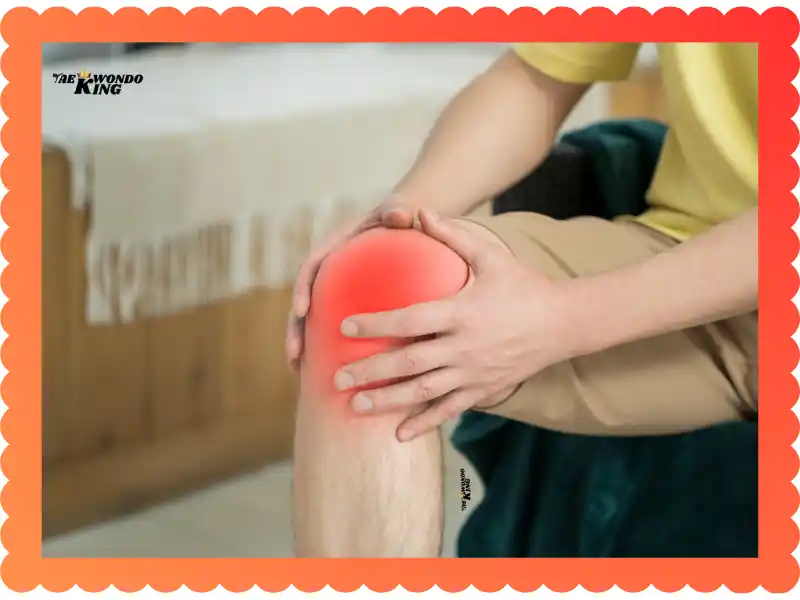
- Swelling and inflammation around the joint.
- Popping or cracking sounds during movement.
- Limited knee mobility or stiffness.
- Weakness or instability when standing or walking.
Ignoring these signs can worsen a knee injury from leg press and result in chronic pain.
How to Prevent a Knee Injury from Leg Press
Prevention is the key to avoiding a knee injury from leg press. Follow these tips for a safer workout:
Warm Up Properly
Perform dynamic stretches to prepare your muscles and joints for heavy lifting.
Use the Right Foot Position
Place your feet shoulder-width apart and slightly higher on the platform. This reduces stress on the knees.
Control Your Movement
Perform the exercise slowly and avoid jerky movements. Controlled reps minimize injury risk.
Avoid Locking Your Knees
Do not fully extend your legs. Keep a slight bend to protect the knee joint.
Maintain Proper Form
Keep your back flat against the seat and avoid lifting your hips. Good form protects the knees and spine.
Choose the Right Weight
Start with light weights and increase gradually. Overloading causes strain and leads to a knee injury from leg press.
By following these tips, you can reduce the chances of a knee injury from leg press significantly.
Recovery from a Knee Injury from Leg Press
If you experience a knee injury from a leg press, it’s essential to focus on recovery. Here’s what you need to do:
Rest the Knee
Avoid activities that put stress on the knee joint. Give your body time to heal.
Ice Therapy
Apply ice to reduce swelling and inflammation. Use it for 15–20 minutes, several times a day.
Compression
Wear a knee brace or compression sleeve to stabilize the joint and minimize swelling.
Elevate the Knee
Keep the injured leg elevated to reduce fluid buildup.
Consult a Doctor
For severe pain or limited mobility, visit a healthcare professional. A doctor can identify the extent of the knee injury from leg press and recommend treatment.
Physical Therapy
A physical therapist can guide you through exercises to strengthen the knee and improve flexibility.
Proper recovery is essential to avoid long-term issues from a knee injury from leg pressure.
Strengthening Exercises to Prevent Future Injuries
After recovering from a knee injury from a leg press, focus on strengthening the muscles around the knee. Strong muscles provide better support and reduce injury risk.
Body weight Squats
Squats improve quad and hamstring strength without added stress.
Lunges
Lunges build lower body strength while improving balance and stability.
Leg Extensions
Strengthen the quadriceps to support the knee joint.
Hamstring Curls
Build hamstring strength for better knee stability.
Calf Raises
Strengthen calves to improve lower body alignment and reduce knee strain.
These exercises help prevent a knee injury from leg press and ensure you return to workouts stronger.
When to Return to Leg Press After a Knee Injury?
Returning to the leg press after a knee injury from a leg press requires caution. Follow these steps:
Get Clearance from a Doctor
Ensure your knee is fully healed and ready for exercise.
Start with Light Weights
Begin with a light load to test your strength and endurance.
Focus on Form
Prioritize perfect form over heavy lifting. Poor form leads to re-injury.
Listen to Your Body
Stop immediately if you feel pain or discomfort. Pushing through pain worsens injuries.
By taking these steps, you can safely resume leg press exercises after recovering from a knee injury from a leg press.
Conclusion
A knee injury from leg press can derail your fitness objectives if not managed appropriately. The essential factor is to recognize the causes, take preventative steps, and adhere to a robust recovery strategy. Emphasize correct form, warm-ups, and controlled movements to safeguard your knees.
If you experience a knee injury from a leg press, focus on rest, rehabilitation, and strengthening exercises. Always listen to your body and consult professionals when needed. By taking these steps, you can overcome a knee injury from leg press and continue building a strong, healthy body.
FAQs
A knee injury from leg press often comes from heavy weight or poor foot placement. Locking knees or lowering the sled too far also raises joint stress.
Yes, bad form is a common cause of knee injury from leg press. Knees collapsing inward or lifting heels can strain ligaments and tendons.
Leg press can be safe with light weight and slow control. Using proper range and posture helps reduce knee injury risk during leg press workouts.
Sharp pain, swelling, or stiffness after training are common signs. These symptoms often appear soon after a knee injury from leg press exercises.
Yes, stop if pain continues or worsens. Rest helps prevent a mild leg press knee injury from turning into a long term issue.
Minor knee injuries may heal with rest and light movement. Ongoing pain from leg press workouts may need professional guidance.
Use moderate weight, keep knees in line with toes, and avoid locking out. Good control lowers the chance of knee injury from leg press.

Founder, Owner, and CEO of TaekwondoKing.
He is one of the top 100 martial artists in the World and among the top 20 referees in Bangladesh.
Ehatasamul Alom is an esteemed Kukkiwon Certified Taekwondo 3rd Dan Black Belt with over 15 years of experience in this dynamic martial art. Born in Rajshahi, Bangladesh, Ehatasamul’s journey with Taekwondo began at the tender age of seven. His passion led him to compete at national and international levels, where he has bagged numerous awards and honors. He is also a member of the Taekwondo National Referee Panel.
With a Bachelor’s degree in Sports Science from the prestigious Rajshahi University, Ehatasamul has a deep understanding of the technical and scientific aspects of martial arts and some other martial arts.
In 2022, Ehatasamul created the “TaekwondoKing.com” to share his knowledge, Free Resources, Values, and Real experiences. His articles focus on Taekwondo training techniques, competition strategies, Sport Products Reviews, and the art’s rich history and philosophy. He also writes about the importance of mental fortitude and discipline, key aspects of his teaching philosophy. He has already launched many sports, Taekwondo, and health-related Free online tools. His goal is to inspire both beginners and seasoned practitioners worldwide through insightful and engaging content.
If you need any help, contact Ehatasamul Alom at any time.