Walking into a sports hall in Manchester for the first time felt a bit like my first day at school. I stood there on a chilly Tuesday night, clutching my water bottle and wondering if I was about to get kicked in the face. It turns out, I had nothing to fear, and what to expect in your first taekwondo class is actually a very warm welcome. You won’t be a master on day one, but you will leave with a massive smile.
Why Most People Feel Nervous Before Their First Class
It is totally normal to feel a bit shaky before you step onto the mats for the first time.
Common beginner worries (and why they’re usually wrong)
- “Everyone will be fitter than me”: I thought the room would be full of athletes. Instead, I saw people of all shapes trying their best.
- “I’ll embarrass myself”: You might trip or bow the wrong way, but everyone there has done the same. The hall usually smells like floor polish and sounds like squeaky trainers, not judgment.
- “I’m too old or stiff”: I saw a 50-year-old start their journey alongside a teenager. Taekwondo meets you where you are.
- “It’ll be aggressive”: Most UK clubs are very polite. It is more about discipline than fighting.
UK class culture vs media stereotypes
In the UK, classes are very friendly and safe. Forget the “Cobra Kai” drama you see on TV. Instructors here focus on “British Taekwondo” or “WT” standards, which means high levels of safeguarding. It is a structured environment where people help one another.

What Actually Happens When You Arrive
The first ten minutes are usually the most nerve-wracking, so here is the play-by-play.
Arrival, greeting, and sign-in
Most clubs run out of local leisure centres or church halls. You just walk in, find the instructor (the one in the white suit), and say hello. They will usually have you sign a quick form for insurance and show you where to put your bag.
Who you’ll train with
You will likely see a mix. Some clubs have “All-In” sessions where kids and adults train in the same hall but in different groups. As a beginner, you will often be paired with a higher belt who is there to guide you, not compete with you.
What to Wear to Your First Taekwondo Class
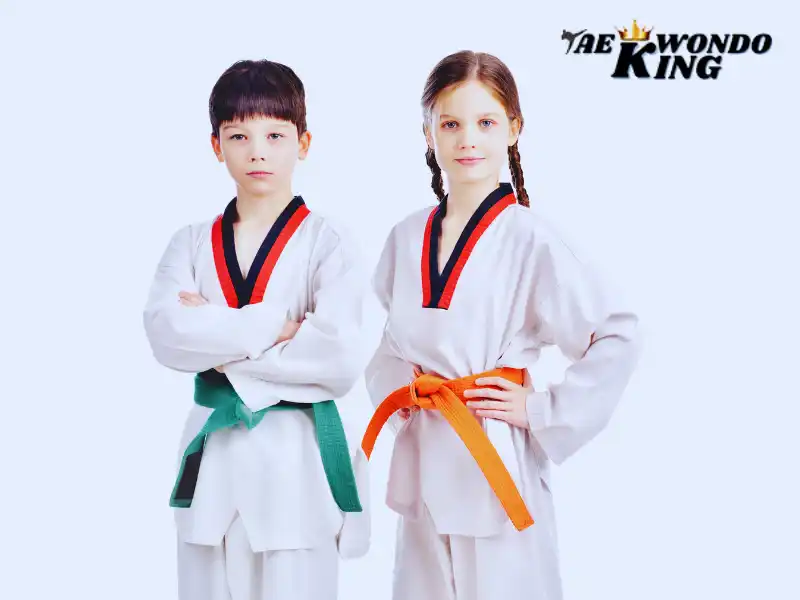
Don’t worry about buying the white suit (the dobok) just yet.
Clothing basics (UK-friendly advice)
- Bottoms: Wear tracksuit bottoms or leggings. Jeans are a no-go as you can’t move your legs!
- Top: A simple T-shirt is perfect.
- Feet: We train barefoot. Just leave your socks and shoes at the edge of the mat.
- Details: Take off your watch and any jewellery for safety.
When you’ll actually need a dobok
Most UK instructors suggest waiting 2 to 4 weeks before buying a uniform. Once you decide to stay, a basic dobok costs about £25 to £40. Your club will usually order one for you so it has the right badges.
Warm-Ups, Drills, and First Techniques
The class has a rhythm that is easy to follow once you get moving.
Warm-up routines
We usually start with light jogging and “joint rotations” to get the blood flowing. Expect some dynamic stretching. In the UK, we focus on safety, so the pace starts slow to keep you from pulling a muscle.
First techniques you’re likely to learn
- Joonbi (Ready Stance): Standing with feet shoulder-width apart.
- Ap Chagi (Front Kick): A basic snap kick using the ball of your foot.
- Basic Blocks: Learning how to protect your face and body.
- Counting: You’ll hear “Hana, Dul, Set” (One, Two, Three). It sounds cool and helps everyone stay in time.
Will You Be Expected to Spar?
The short answer is: No.
Sparring myths vs reality
I was worried I’d have to fight someone twice my size. In reality, you won’t touch another person in a combat way for a long time. Your first class is about learning how to stand and move.
Protective equipment explained
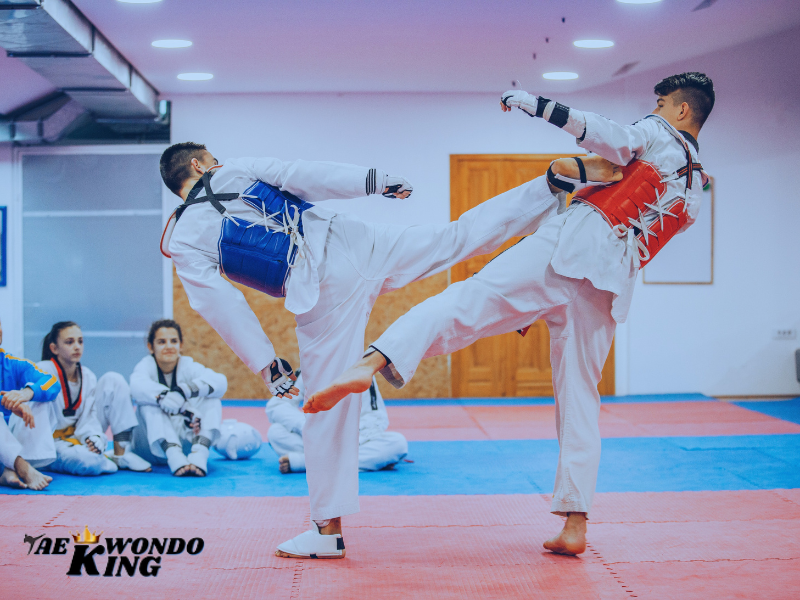
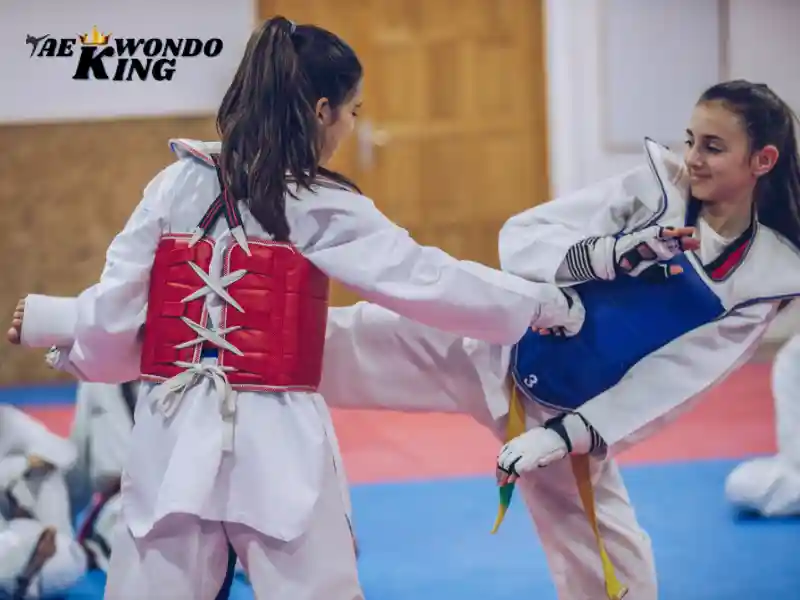
Later on, you’ll see people in “Hogu” (chest guards) and head guards. Beginners don’t need these. You only start light contact once you have the basics down and feel safe.
Stepping onto the Mat: Your First 60 Minutes
Entering a Dojang (training hall) for the first time is the start of a life-changing journey. In the UK, most clubs under British Taekwondo follow a standardized structure to ensure safety and discipline for new white belts in 2026.
1. The Bow-In (Kyung-ye)
Respect is the foundation of Taekwondo. You will be asked to stand at attention (Charyeot) and bow to the flags and the instructor. Don’t worry if you feel a bit awkward—everyone started exactly where you are.
2. Warm-Up & Mobility
A typical 2026 class starts with 10–15 minutes of heart-rate-raising exercises.
- UK Standard: Expect jumping jacks, “mountain climbers,” and dynamic leg swings.
- Flexibility: You don’t need to be able to do the splits on Day 1. Most beginners in the UK start with a “V-sit” stretch and simple quad stretches.
3. Basic Stances (Seogi)
You will likely spend your first session learning how to stand.
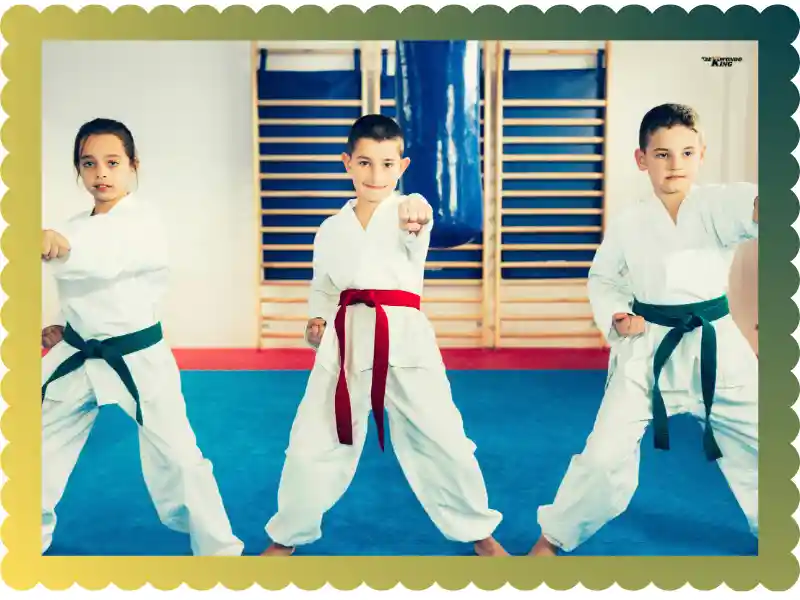
- Joonbi (Ready Stance): Feet shoulder-width apart, fists in front of the belt.
- Ap-seogi (Walking Stance): Like taking a normal step forward.
- Juchum-seogi (Horse-Riding Stance): A wide, deep stance that builds leg strength.
4. Your First Kicks & Strikes
In 2026, many UK instructors use “pad work” early on to help beginners feel the power of their techniques.
- Front Snap Kick (Ap-chagi): Lifting the knee and flicking the foot forward.
- Middle Punch (Momtong-jireugi): A straight punch to the solar plexus level.
5. What to Wear
If you don’t have your Dobok (uniform) yet, don’t sweat it.
- The “Beginner Uniform”: Most clubs allow a plain t-shirt and tracksuit bottoms.
- Barefoot is Best: In almost all UK dojangs, you will train barefoot to improve grip and prevent ankle rolls on the mats.
Expert Insight: One of the most common surprises for beginners is the Kihap (shout). It is used to focus your energy and tighten your core during a strike. It might feel loud at first, but by the end of the class, you’ll find it incredibly empowering!
Taekwondo Etiquette and Rules You’ll Pick Up Fast
Taekwondo is built on respect, which makes the atmosphere very calm.
Bowing, respect, and titles
We bow when we enter the mat and when we start a drill with a partner. It’s just a way of saying “I respect you.” You will likely call the lead teacher “Sir” or “Ma’am” or “Sabomnim.”
Behaviour expectations
- Listen: When the instructor speaks, the hall goes quiet.
- Lining up: We usually line up by rank, with the highest belts at the front.
- Helping: Senior students are taught that helping you is part of their own grade.
How Your Body Will Feel During and After Class
I’ll be honest, you will use muscles you forgot you had.
During class sensations
Your legs might burn a little during kicks, and your heart rate will definitely go up. You might feel a bit “clumsy” trying to coordinate your arms and legs at the same time. This is normal!
The next-day soreness truth
The “Day Two” ache is real. Your hips and calves will feel tight. Drink plenty of water and go for a light walk. It shows your body is getting stronger.
Emotional Experience Most Beginners Don’t Expect
It isn’t just a workout; it’s a mood booster.
Confidence boost after one session
I walked out of my first class feeling two inches taller. There is a real “I did it” buzz that comes from trying something new and not failing.
Small wins that hook people
The first time your foot makes a “snap” sound against a practice pad, you’ll be hooked. Receiving a “well done” from a black belt feels amazing.
UK Costs, Trials, and Commitment Expectations
Let’s talk money and time.
Typical UK pricing structure
- Trials: Most clubs offer the first class for free or a small £5 fee.
- Monthly Fees: Usually between £40 and £70 depending on how many times a week you train.
- Discounts: Many UK clubs offer family deals if you train with your kids.
Expert British Advice for First-Time Students
“Your first class isn’t about being good. It’s about showing up and listening. If you can do those two things, you are already better than the person who stayed on the sofa.”
— Master Daniel Whitmore, 6th Dan WT Instructor
Beginner Mistakes to Avoid (Gently)
- Trying too hard: Don’t kick as high as you can. Keep it low and safe.
- Comparing yourself: You are on your own path. Don’t worry about the person next to you.
- Holding your breath: Remember to breathe out when you kick!
Is Taekwondo Right for You? A Quick Reality Check
- Yes, if: You want to get fit, learn discipline, and enjoy a clear path of progress.
- No, if: You want to become an expert in one week or dislike following rules.
First Class Expectations at a Glance
| Aspect | What Most Beginners Experience |
| Fitness Level | Mixed; the class builds your fitness as you go. |
| Sparring | None. You focus on basics and pads. |
| Uniform | Just wear gym clothes for the first few weeks. |
| Atmosphere | Friendly, quiet, and very structured. |
| Next Day | Expect mild muscle soreness in your legs. |
What to Do Before Your First Class
The night before
- Hydrate well.
- Pack a bottle of water.
- Check the club’s website for the exact start time.
The day of
- Eat a light meal two hours before.
- Arrive 10 minutes early to meet the teacher.
- Bring an open mind and a sense of fun.
What Most People Say After Their First Taekwondo Class
Most people leave saying, “I was nervous for nothing.” They feel tired, a bit sweaty, but very proud. The “fear of the unknown” is always the hardest part. Once you take that first step onto the mat, the rest is just fun.
FAQs
You’ll meet the coach, warm up, stretch, and learn basic stances and kicks. It’s slow and friendly. No pressure. Just simple moves to get you started.
No special kit yet. Wear a T-shirt and tracksuit bottoms. Bring water. The club may lend a dobok later if you decide to continue.
Not really. The first class is light and easy. You learn basics and form. It’s more about comfort and safety than hard training.
Most clubs skip sparring at first. You focus on drills and technique. Contact training comes later once you know the rules and moves.
A beginner taekwondo class lasts about 45–60 minutes. Time flies. You warm up, practise skills, then cool down before you finish.
Yes, of course. Classes suit all fitness levels. You go at your own pace. Fitness builds over time as you train each week.
You may see belts and simple patterns. The coach explains how grading works. You start with basics first, then build skills step by step.

Founder, Owner, and CEO of TaekwondoKing.
He is one of the top 100 martial artists in the World and among the top 20 referees in Bangladesh.
Ehatasamul Alom is an esteemed Kukkiwon Certified Taekwondo 3rd Dan Black Belt with over 15 years of experience in this dynamic martial art. Born in Rajshahi, Bangladesh, Ehatasamul’s journey with Taekwondo began at the tender age of seven. His passion led him to compete at national and international levels, where he has bagged numerous awards and honors. He is also a member of the Taekwondo National Referee Panel.
With a Bachelor’s degree in Sports Science from the prestigious Rajshahi University, Ehatasamul has a deep understanding of the technical and scientific aspects of martial arts and some other martial arts.
In 2022, Ehatasamul created the “TaekwondoKing.com” to share his knowledge, Free Resources, Values, and Real experiences. His articles focus on Taekwondo training techniques, competition strategies, Sport Products Reviews, and the art’s rich history and philosophy. He also writes about the importance of mental fortitude and discipline, key aspects of his teaching philosophy. He has already launched many sports, Taekwondo, and health-related Free online tools. His goal is to inspire both beginners and seasoned practitioners worldwide through insightful and engaging content.
If you need any help, contact Ehatasamul Alom at any time.