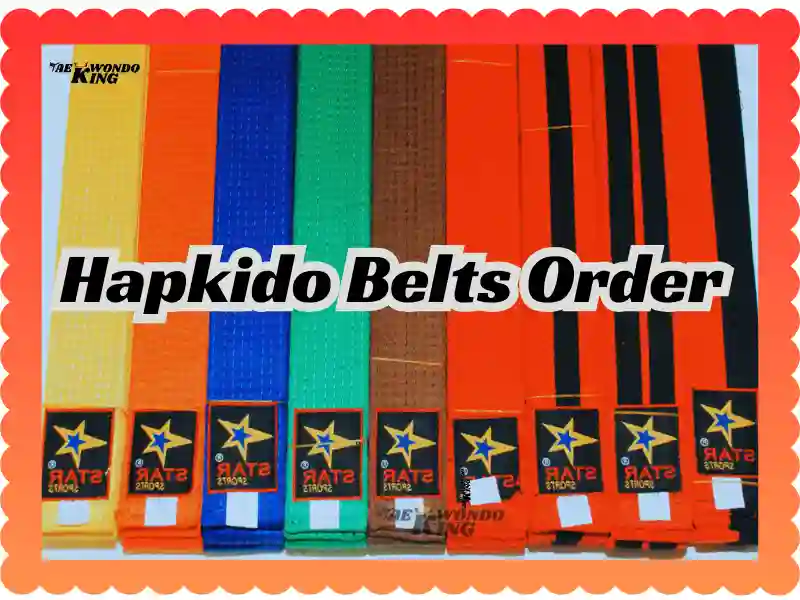
Ever wonder how long it takes to go from a total novice to a joint-lock master in a city like Dusseldorf? The Hapkido belts order follows a path from white to black, usually moving through yellow, green, blue, and red as you learn to blend strikes with throws. I remember the day I finally tied on my blue belt; I felt like I had finally cracked the code of flowing with an opponent’s force.
As a senior instructor with years on the mat, I know that each color marks a shift in how you view self-defense. Let’s look at what each rank means for your growth and how you can climb the ladder today.
What Is the Hapkido Belts Order?
The hapkido belts order is a ranking system. It starts with beginner belts and moves to advanced levels. Students earn each belt through training and testing. The higher the belt, the more skill required.
Hapkido is a powerful martial art from Korea. It focuses on self-defense, joint locks, and throws. Hapkido martial arts has a belt system. The hapkido belts order helps students track progress. Each belt represents skill, discipline, and knowledge.

Why Does Hapkido Use a Belt System?
Belts help measure progress. They set clear goals for students. The hapkido belts order also maintains tradition. It teaches respect, patience, and discipline.
Beginner Belts in Hapkido
Beginners start with lower-level belts. These belts introduce basic techniques.
White Belt
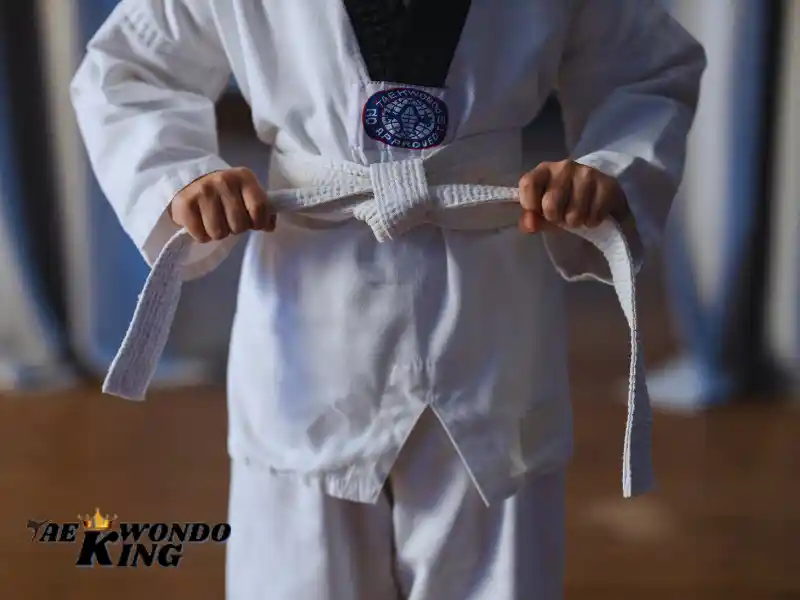
The white belt is the starting point. It represents a blank slate. Students learn simple stances and movements.
Yellow Belt
Yellow symbolizes the first steps of learning. Students practice basic strikes, kicks, and blocks. They also start joint locks.
Orange Belt
The orange belt represents growth. Techniques become more complex. Students improve control and coordination.
Intermediate Belts in Hapkido
At this level, students develop stronger skills. The hapkido belts order begins testing endurance.
Green Belt
Green symbolizes progress. Students refine their strikes, blocks, and throws. They also improve flexibility.
Blue Belt
Blue represents the depth of knowledge. Students learn advanced escapes, locks, and counters. Their movements become smoother.
Purple Belt
The purple belt shows a higher level of skill. Students focus on timing and control. They also practice combining different techniques.
Advanced Belts in Hapkido
Advanced belts require discipline and precision. Students must show mastery over techniques.
Brown Belt
The brown belt represents maturity. Students learn to apply techniques in real situations. They also improve strength and endurance.
Red Belt
Red symbolizes power and danger. Students develop fast reactions and better control. The hapkido belts order begins preparing them for mastery.
Black Belt
The black belt is the highest rank in many systems. It represents deep understanding and complete control. Students begin teaching and refining their skills.
Black Belt Degrees in Hapkido
The journey does not stop at a black belt. There are multiple degrees of black belt. Each level takes years to earn.
- First-Degree Black Belt (Dan 1) – Basic mastery of Hapkido.
- Second-Degree Black Belt (Dan 2) – More refined techniques.
- Third-Degree Black Belt (Dan 3) – Advanced skills and teaching experience.
- Fourth-Degree Black Belt (Dan 4) – Leadership and deep knowledge.
- Fifth-Degree Black Belt (Dan 5) – Master level. Teaching becomes a focus.
- Sixth to Ninth Degree Black Belt – Grandmaster levels. Reserved for experts.
Each level takes patience and practice. Dedication is key.
How Long Does It Take to Advance in the Hapkido Belts Order?
Progress depends on training and effort. On average:
- White to Yellow Belt – 3–6 months
- Yellow to Green Belt – 6–12 months
- Green to Blue Belt – 1–2 years
- Blue to Brown Belt – 2–3 years
- Brown to Black Belt – 3–5 years
Black belt degrees take much longer. Some take decades to achieve.
The Purpose of Each Belt in Hapkido
Each belt has a role in the hapkido belts order.
Discipline and Focus
Students develop self-control and patience.
Physical Strength and Flexibility
Each level improves strength, balance, and endurance.
Mental Growth
Hapkido requires fast thinking and sharp reflexes.
Tips for Advancing in Hapkido
Want to move up in the hapkido belts order? Follow these tips:
1. Train Regularly
Consistent practice is essential. Attend classes and train at home.
2. Master the Basics
A strong foundation makes advanced techniques easier.
3. Stay Flexible
Stretching daily helps with movement and kicks.
4. Listen to Your Instructor
Take advice seriously. Instructors help improve technique.
5. Be Patient
Progress takes time. Enjoy the journey.
Breaking Down the Hapkido Belts Order
The Hapkido belts order is designed to show your progress in the “soft” and “hard” parts of the art. You start at the 10th “Gup” as a white belt and work your way down to the 1st “Gup” before reaching your black belt. In the USA, many schools add extra colors like orange or purple to help students stay excited between the big tests. This keeps the journey fun and gives you a clear goal for every few months of sweat and practice.
- White to Yellow: Focus on basic falls, blocks, and how to stay safe on the ground.
- Green to Blue: Starting to learn complex wrist locks and how to use a foe’s weight.
- Red to Brown: Mastery of high kicks and multiple attacker drills.
- Black Belt: The start of your true path, showing you can lead others.
Summary: The rank system provides a structured map that guides a student from basic safety skills to advanced tactical mastery.
Testing and Requirements for Each Rank
To move through the Hapkido belts order, you must show both physical skill and a calm mind during a test. Most schools require a certain number of hours on the mat and a deep knowledge of “Ki” breathing and forms. I found that the hardest part was not the kicks, but staying relaxed when a partner tried to grab my arm. In many US dojangs, you might even have to show how you can use your skills to help your local community to earn a higher rank.
| Belt Color | Average Time | Key Focus |
| Yellow | 3-4 Months | Stances and Breakfalls |
| Green | 6-8 Months | Basic Joint Locks |
| Blue | 1 Year | Throwing and Grappling |
| Black | 3-5 Years | Total Self-Defense |
Summary: Advancing through the ranks requires a balance of technical performance, consistent attendance, and personal character development.
My Personal Take on the Journey
I used to think the Hapkido belts order was just about the color on my waist, but I was wrong. I learned that the belt is just a way to hold your pants up; the real rank is the peace of mind you get when you know you can handle a crisis. Also, I love seeing a new student go from being scared of a fall to being the first one to volunteer for a throw. It is a slow climb, but the view from the top is worth every bruise and every hour of hard work.
Summary: The true value of martial arts ranking lies in the internal confidence and resilience built over years of dedicated training.
The Role of Sparring in Hapkido
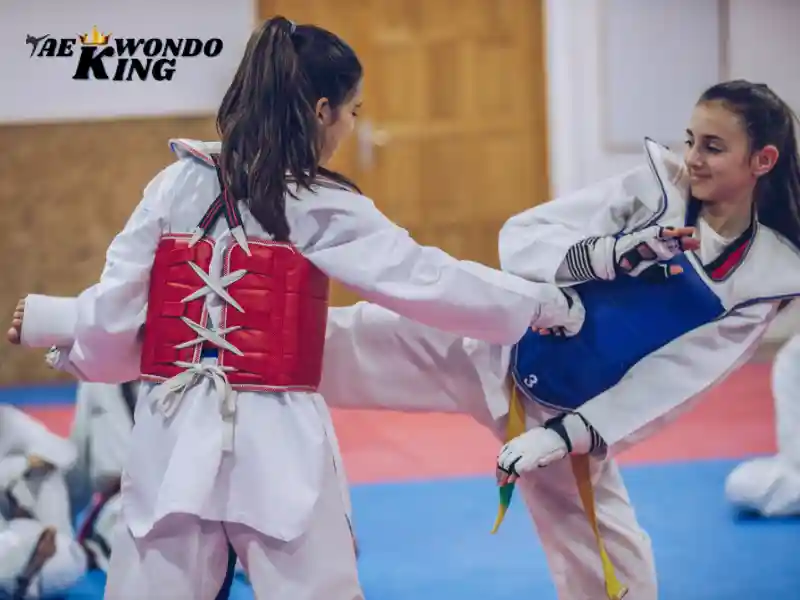
Sparring is important in hapkido. It tests real-world skills. The hapkido belts order includes sparring at higher levels.
- Beginner Sparring – Light drills and simple moves.
- Intermediate Sparring – Controlled techniques with partners.
- Advanced Sparring – Full-contact practice under guidance.
Sparring builds confidence and skill.
Comparing Hapkido Belt Order to Other Martial Arts
Hapkido’s belt system is similar to other styles.
Hapkido vs Taekwondo
Hapkido has fewer belt levels. Taekwondo focuses more on high kicks.
Hapkido vs Judo
Judo has fewer belts. Hapkido includes more joint locks and throws.
Hapkido vs Karate
Karate and hapkido have similar belt progressions. But hapkido has more grappling techniques.
Every martial art has unique strengths. The hapkido belts order focuses on self-defense and control.
Famous Hapkido Masters
Several martial artists helped shape hapkido.
- Choi Yong-Sool – Founder of modern hapkido.
- Ji Han-Jae – Spread hapkido worldwide.
- Myung Jae-Nam – Integrated aikido into hapkido.
Their influence helped develop the hapkido belts order.
Common Questions About Hapkido Belts
No. Each belt must be earned through training.
Progress slows. Regular practice is important.
Some schools have different systems for kids. Adults follow the standard hapkido belts order.
Instructors decide based on skill, knowledge, and effort.
Final Thoughts on Hapkido Belts Order
The hapkido belts order represents growth. Each belt marks progress in skill and knowledge.
Training takes time and effort. Dedication leads to success. Stay focused, keep practicing, and enjoy the journey!

Founder, Owner, and CEO of TaekwondoKing.
He is one of the top 100 martial artists in the World and among the top 20 referees in Bangladesh.
Ehatasamul Alom is an esteemed Kukkiwon Certified Taekwondo 3rd Dan Black Belt with over 15 years of experience in this dynamic martial art. Born in Rajshahi, Bangladesh, Ehatasamul’s journey with Taekwondo began at the tender age of seven. His passion led him to compete at national and international levels, where he has bagged numerous awards and honors. He is also a member of the Taekwondo National Referee Panel.
With a Bachelor’s degree in Sports Science from the prestigious Rajshahi University, Ehatasamul has a deep understanding of the technical and scientific aspects of martial arts and some other martial arts.
In 2022, Ehatasamul created the “TaekwondoKing.com” to share his knowledge, Free Resources, Values, and Real experiences. His articles focus on Taekwondo training techniques, competition strategies, Sport Products Reviews, and the art’s rich history and philosophy. He also writes about the importance of mental fortitude and discipline, key aspects of his teaching philosophy. He has already launched many sports, Taekwondo, and health-related Free online tools. His goal is to inspire both beginners and seasoned practitioners worldwide through insightful and engaging content.
If you need any help, contact Ehatasamul Alom at any time.