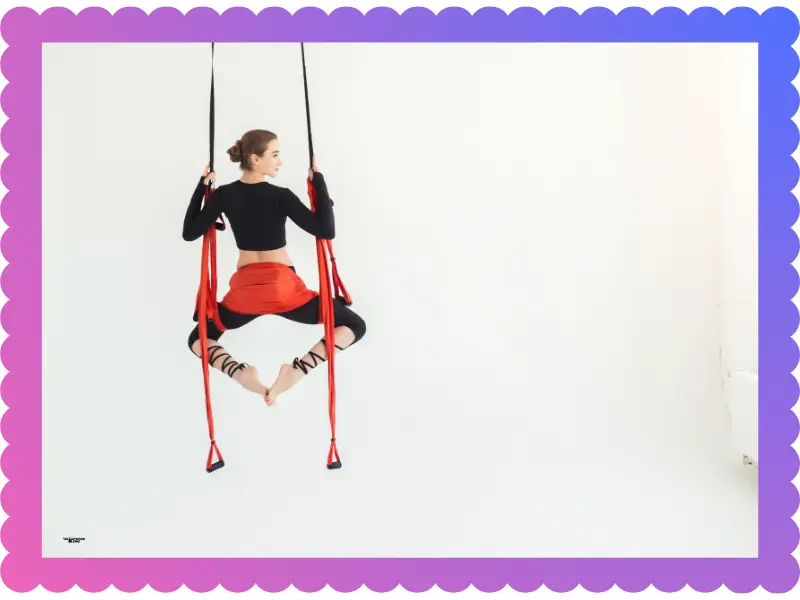
Aerial sports such as aerial hoop, silks, hammock, and straps can contribute meaningfully to posture correction when practiced with proper instruction and technique. Their effectiveness is rooted in biomechanics, neuromuscular control, and balanced muscular development.
Strengthening Postural Muscles
Muscles play a central role in building and maintaining proper posture. Without strong and flexible muscles, achieving healthy alignment and a balanced physique is impossible. Posture correction is not a quick process, it requires consistency and patience. However, the long-term results are well worth the effort.
Aerial training heavily engages deep stabilizing muscles responsible for upright posture, including:
- Core muscles (transversus abdominis, multifidus) that support spinal alignment
- Upper back and shoulder stabilizers (rhomboids, middle and lower trapezius) that counteract rounded shoulders
- Hip stabilizers and gluteal muscles that help align the pelvis and reduce anterior pelvic tilt
Consistent strengthening of these muscle groups improves the body’s ability to maintain correct posture both during movement and at rest.
Preparation and Lead-Up Exercises
Many essential posture-focused exercises are performed before even climbing onto the apparatus. These lead-up exercises help athletes mount the hoop, trapeze, or silks correctly, improve grip confidence, and establish proper alignment from the very beginning of training.
Spinal Decompression and Lengthening
Aerial movements often involve hanging positions, inversions, and controlled traction. These elements gently decompress the spine, reduce habitual compression caused by prolonged sitting, and encourage natural lengthening of the vertebral column.
As a result, aerial training can relieve postural tension and promote a more neutral and healthy spinal alignment.
Improved Body Awareness
Aerial practice requires constant awareness of body position in space. Athletes must actively align their shoulders, spine, and pelvis to perform skills safely and efficiently.
Over time, this heightened proprioception helps individuals recognize poor posture habits and self-correct them, leading to better alignment in everyday life.
Correction of Muscular Imbalances
Poor posture often develops due to muscular imbalances, typically tight chest and hip flexors combined with weak back and core muscles. Aerial training opens the chest and shoulders, improves thoracic spine mobility, and promotes balanced flexibility rather than isolated stretching.
This balance between strength and mobility is essential for sustainable posture correction.
Dynamic Alignment Under Load
Unlike static posture exercises, aerial sports train alignment under load and through dynamic movement. Maintaining proper form while suspended builds functional strength and reinforces correct movement patterns.
Proper technique and qualified coaching are essential, as incorrect execution may reinforce faulty patterns and potentially worsen posture issues. Individuals with existing spinal or shoulder conditions should consult a healthcare professional before beginning aerial training.
Conclusion
Aerial sports improve posture by strengthening key stabilizing muscles, decompressing the spine, enhancing body awareness, correcting muscular imbalances, and training the body to maintain alignment during real movement demands.
When practiced mindfully and consistently, aerial disciplines serve as both corrective and preventive tools for long-term postural health.

Founder, Owner, and CEO of TaekwondoKing.
He is one of the top 100 martial artists in the World and among the top 20 referees in Bangladesh.
Ehatasamul Alom is an esteemed Kukkiwon Certified Taekwondo 3rd Dan Black Belt with over 15 years of experience in this dynamic martial art. Born in Rajshahi, Bangladesh, Ehatasamul’s journey with Taekwondo began at the tender age of seven. His passion led him to compete at national and international levels, where he has bagged numerous awards and honors. He is also a member of the Taekwondo National Referee Panel.
With a Bachelor’s degree in Sports Science from the prestigious Rajshahi University, Ehatasamul has a deep understanding of the technical and scientific aspects of martial arts and some other martial arts.
In 2022, Ehatasamul created the “TaekwondoKing.com” to share his knowledge, Free Resources, Values, and Real experiences. His articles focus on Taekwondo training techniques, competition strategies, Sport Products Reviews, and the art’s rich history and philosophy. He also writes about the importance of mental fortitude and discipline, key aspects of his teaching philosophy. He has already launched many sports, Taekwondo, and health-related Free online tools. His goal is to inspire both beginners and seasoned practitioners worldwide through insightful and engaging content.
If you need any help, contact Ehatasamul Alom at any time.