Are you ready for a game-changer in Taekwondo? The new rules coming in 2026 will transform how you compete, score, and strategize.
Whether you’re an athlete, coach, or fan, understanding these updates is crucial to staying ahead. From stricter penalties to innovative scoring technology, these changes promise faster, more exciting matches. Keep reading to discover exactly what’s new, how it impacts your training and competition, and how you can adapt to come out on top.
Don’t miss out your next victory could depend on mastering these 2026 Taekwondo rules!
Key Scoring Changes
The Taekwondo New Rules for 2026 bring notable updates to scoring. These changes aim to make matches clearer and fairer. Athletes and fans will notice differences in how points are awarded. Understanding these key scoring changes is essential for competitors and coaches.
Below are the main updates that will impact scoring in competitions.
Updated Point Values
Taekwondo has adjusted the points given for different techniques. Kicks to the body now earn higher points to reward skill. Punches to the torso have also increased in value. These updates encourage diverse tactics during matches. Competitors must adapt their strategies to score better.
New Punch Sensing Technology
New sensor gloves will detect punches automatically during matches. This technology ensures punches count only when they hit correctly. It reduces human error and speeds up scoring decisions. Athletes can trust their punches are accurately recorded. This change improves fairness and transparency in scoring.
Six-point Turning Head Kicks
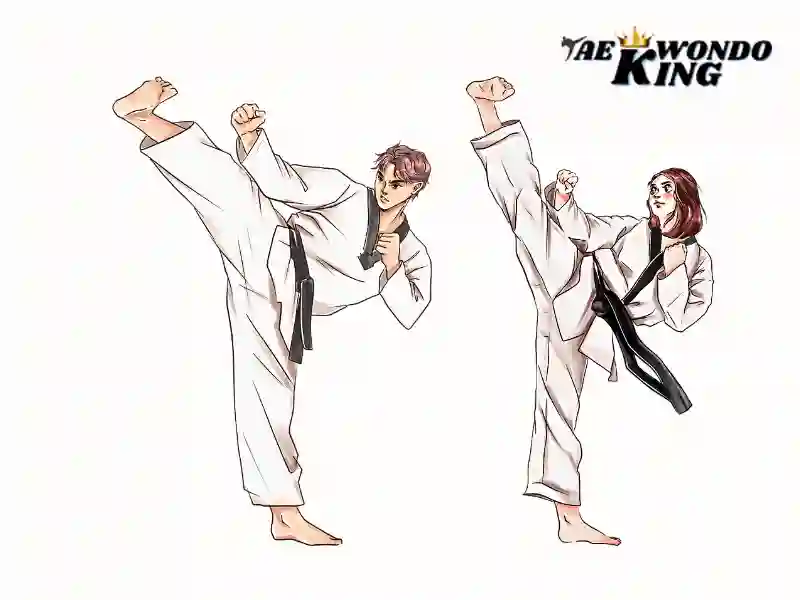
Turning kicks to the head now earn six points, the highest possible. This rewards fighters who perform difficult and risky techniques. It encourages creativity and agility in sparring. Athletes must train to master these high-value moves. This rule raises the excitement and challenge of matches.

Match Control And Penalties
Match control and penalties are critical in maintaining fairness in Taekwondo matches. The 2026 rule updates place more emphasis on controlling the flow of the match and penalizing rule violations quickly. These changes aim to keep the competition safe and competitive.
Referees now watch closely for any breach of conduct or boundary rules. Penalties are more consistent and clearly defined. Athletes must adapt their strategies to avoid costly penalties. Understanding these rules can help competitors perform better and avoid disqualification.
Stricter Stepping Out Rules
New rules penalize even slight foot contact outside the ring boundary. If any part of the foot touches outside the line, a penalty is given. The only exception is if an opponent pushes or causes the athlete to step out. This rule encourages better spatial control and more precise footwork. Fighters must stay aware of their position at all times to avoid penalties.
Prohibited Actions And Gam-jeom
Gam-jeom remains the sole penalty type for serious rule violations. Actions such as punching the face, hitting below the waist, or attacking with the knee or head are forbidden. Each prohibited action results in a gam-jeom, which deducts points from the offender. This rule protects athletes from dangerous moves and unfair tactics. Strict enforcement ensures cleaner and safer matches for everyone involved.
Performance Conduct Restrictions
New conduct rules limit unsportsmanlike behavior during matches. Excessive celebration, disrespecting referees, or delaying the match now lead to penalties. Athletes must maintain professionalism and focus throughout the contest. These restrictions help keep the competition respectful and fair. Good conduct reflects well on the sport and all its participants.
Officiating And Technology Updates
The 2026 Taekwondo rules bring important changes to officiating and technology. These updates aim to improve fairness and speed in matches. They also affect how referees and judges handle decisions.
Technology plays a big role in scoring and reviewing moves. The new rules adjust the use of video review and the number of officials. These changes can affect match outcomes and how coaches plan their protests.
Removal Of Instant Video Review For Head Kicks
The instant video review (IVR) for head kicks is no longer allowed. This means referees must make quick, final calls on head kick scores. The change speeds up matches and reduces delays.
Players and coaches need to trust the referees more. It also means fewer interruptions during fights. The focus is on smooth, continuous action without frequent pauses.
Changes To Protest Procedures
Protest procedures have been simplified. Coaches can now keep their protest cards if their appeal is successful. This change encourages careful use of protests.
The process for filing protests is faster and clearer. It helps prevent unnecessary delays. Coaches must be more strategic about when to protest calls.
Elimination Of One Corner Judge
One corner judge is removed from the officiating team. This reduces the number of judges from four to three. The change aims to make judging more consistent and less crowded.
Each judge now has a larger area of focus. Communication and teamwork among judges become more important. This update may lead to quicker, more accurate decisions.
Equipment And Uniform Regulations
The 2026 Taekwondo rules introduce clear updates on equipment and uniform regulations. These changes aim to ensure fairness and safety in every match. Athletes and coaches must understand these new rules to comply fully.
Uniforms and equipment now have stricter guidelines. The updates affect how uniforms are worn, what coaches should wear, and what equipment color belts can use. Every detail matters in competition settings.
Ban On Taping Uniforms
Wrapping or taping the uniform is now prohibited. This rule ensures no unfair advantage or added protection. Athletes must wear uniforms as designed without extra reinforcement. Officials will check uniforms before matches.
The ban helps keep the sport safe and fair for all competitors. It also maintains the traditional look and feel of Taekwondo attire. Athletes should prepare their uniforms without using any tape or adhesive.
Coach Attire Guidelines
Coaches must wear official team attire during competitions. Casual clothes or non-official gear are not allowed. This rule helps identify coaches clearly and maintain professionalism. Teams should provide proper apparel for their coaching staff.
Wearing the correct attire shows respect for the sport and event. It also helps officials manage the competition smoothly. Coaches must be ready with the right clothing before the event starts.
Color Belt Equipment Rules
Color belt competitors face specific equipment restrictions. They must use gear that matches their belt level. This includes protective gear and uniforms approved for their category. The rules prevent mixing adult and junior equipment.
Proper equipment ensures safety and fairness among all age groups and skill levels. Athletes should check their gear before entering the mat. Using the right equipment helps avoid penalties and disqualifications.
Impact On Competition Style
The new Taekwondo rules for 2026 bring significant changes to competition style. These updates aim to make matches more dynamic and engaging for both athletes and fans. The focus shifts to faster-paced action, requiring quick thinking and rapid responses. Athletes must adjust their techniques to fit the evolving format. Coaches also play a key role in preparing fighters for the new challenges. Overall, the changes promote a more exciting and spectator-friendly environment.
Faster, More Spectator-friendly Matches
The updated rules speed up the flow of matches. Shorter rounds and quicker scoring opportunities increase the match pace. Fighters take more risks to score points early. Spectators enjoy continuous action without long pauses. The removal of certain video reviews reduces interruptions. These factors create a lively atmosphere in competitions. Fans get to see more skillful moves and faster exchanges. This style encourages aggressive and creative fighting strategies.
Adaptation Strategies For Athletes And Coaches
Athletes need to train for speed and precision. Focus shifts to rapid combinations and quick footwork. Coaches emphasize mental agility and decision-making under pressure. Video analysis helps identify new tactics that fit the rules. Conditioning programs target endurance for faster rounds. Sparring drills simulate the new competition pace. Athletes learn to manage energy and maintain focus. Teams must stay updated on rule changes to stay competitive.
Frequently Asked Questions
Where Are The Taekwondo Nationals In 2026?
The 2026 Taekwondo Nationals will take place in Austin, Texas, United States. This event attracts top athletes nationwide.
What Is Not Allowed In Taekwondo?
Taekwondo forbids punches to the face, strikes below the waist, knee and head attacks. Taping on uniforms is also banned.
Is Taekwondo In The Olympics In 2026?
Taekwondo remains an official Olympic sport for 2026. It features in the Youth Olympic Games and World Championships, maintaining global popularity.
What Is The New Point System In Taekwondo?
The new Taekwondo point system awards more points for spinning and head kicks. Instant Video Review for head kicks is removed. Punches score via new sensor gloves. Stepping outside boundaries results in penalties. These changes speed up matches and enhance spectator experience.
Conclusion
The new Taekwondo rules for 2026 bring clear changes to the sport. Matches will move faster with fewer video reviews allowed. Scoring now rewards spinning kicks more generously. Penalties for stepping outside boundaries are stricter. Punches will be scored automatically with new sensor gloves.
These updates aim to keep competitions fair and exciting. Athletes and coaches should prepare well to adapt. Fans can expect a more dynamic and engaging experience. Staying informed will help everyone enjoy Taekwondo’s future.

Founder, Owner, and CEO of TaekwondoKing.
He is one of the top 100 martial artists in the World and among the top 20 referees in Bangladesh.
Ehatasamul Alom is an esteemed Kukkiwon Certified Taekwondo 3rd Dan Black Belt with over 15 years of experience in this dynamic martial art. Born in Rajshahi, Bangladesh, Ehatasamul’s journey with Taekwondo began at the tender age of seven. His passion led him to compete at national and international levels, where he has bagged numerous awards and honors. He is also a member of the Taekwondo National Referee Panel.
With a Bachelor’s degree in Sports Science from the prestigious Rajshahi University, Ehatasamul has a deep understanding of the technical and scientific aspects of martial arts and some other martial arts.
In 2022, Ehatasamul created the “TaekwondoKing.com” to share his knowledge, Free Resources, Values, and Real experiences. His articles focus on Taekwondo training techniques, competition strategies, Sport Products Reviews, and the art’s rich history and philosophy. He also writes about the importance of mental fortitude and discipline, key aspects of his teaching philosophy. He has already launched many sports, Taekwondo, and health-related Free online tools. His goal is to inspire both beginners and seasoned practitioners worldwide through insightful and engaging content.
If you need any help, contact Ehatasamul Alom at any time.