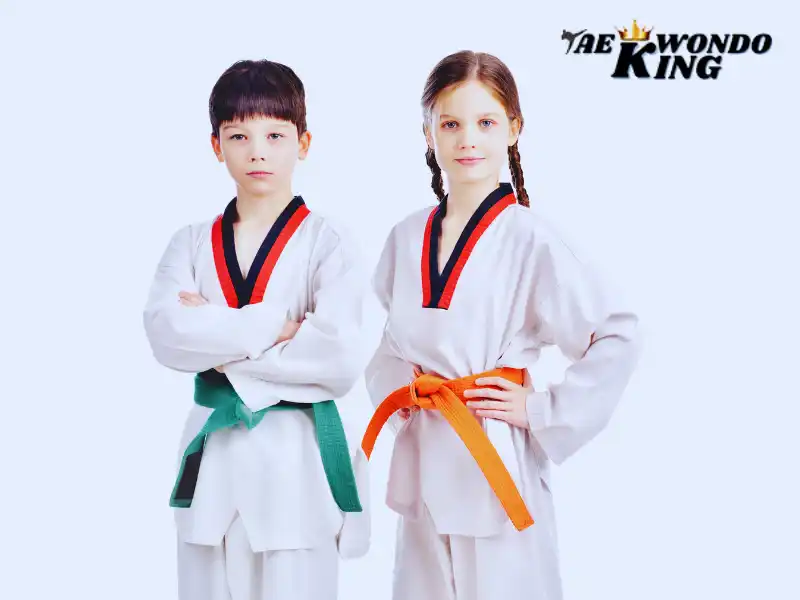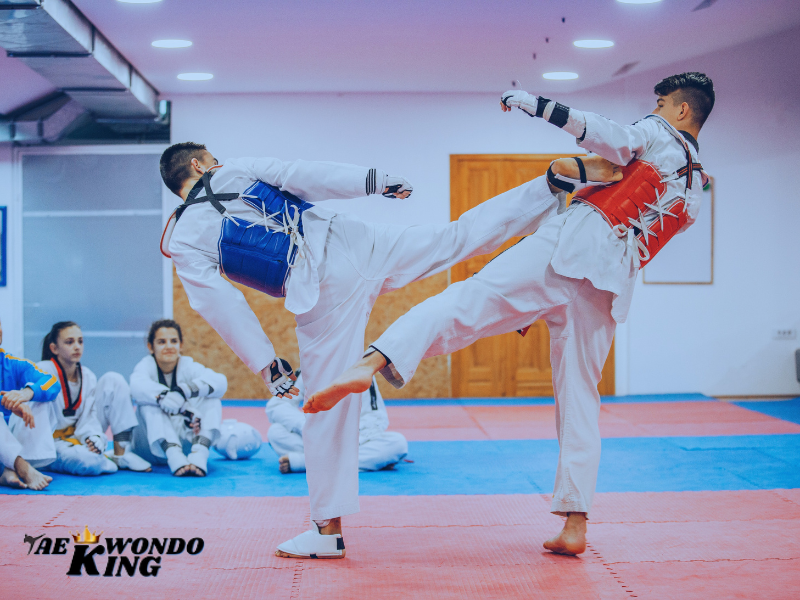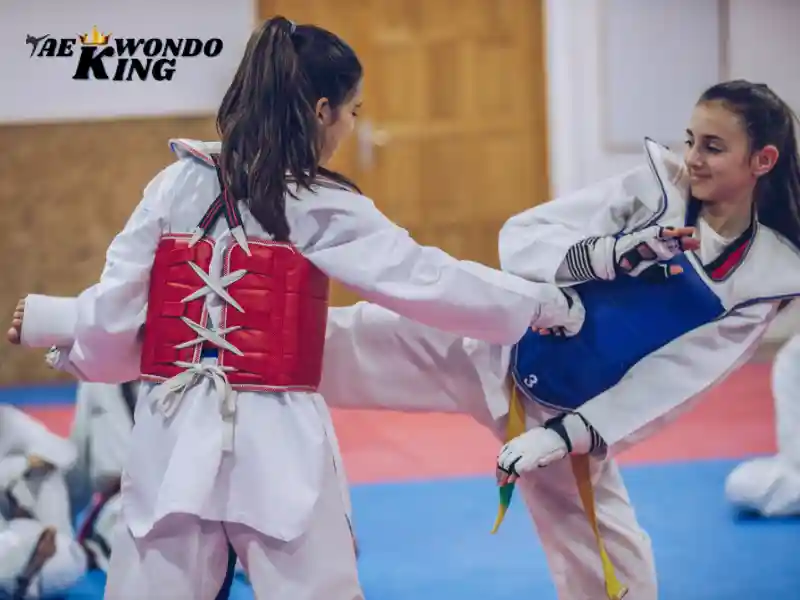
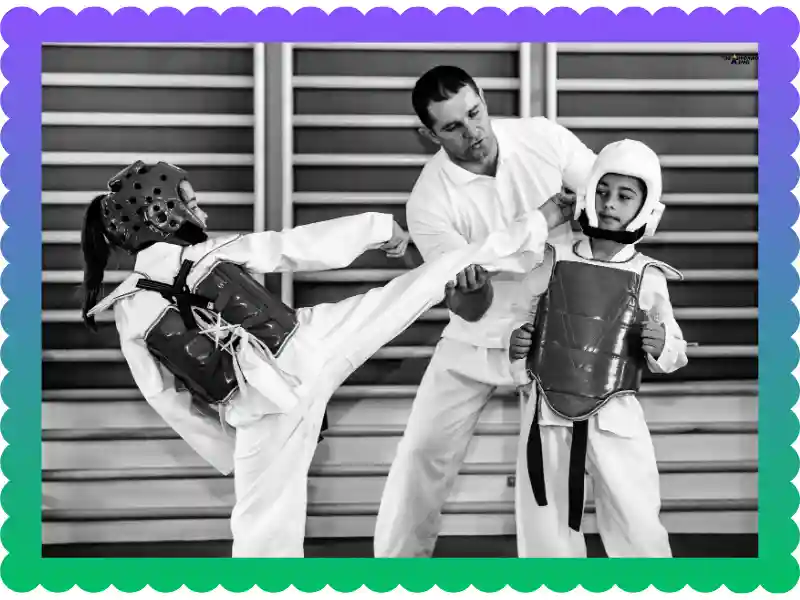
It is a wet Monday evening in a community sports hall in Bristol. You stand in a line of white belts. Your new dobok feels stiff. You watch the black belts at the front of the room. They move with such grace. You try to copy them, but your legs feel like lead. I have been there too. We all start this way. It is very easy to fall into a few traps early on. Understanding these taekwondo training mistakes beginners make will help you grow. You will feel more confident and avoid getting hurt. Let us look at how to train the right way from day one.
Why Beginners Make the Same Taekwondo Mistakes
Most of the time, we make errors because we want to do well. We try too hard to be perfect. This creates tension in the body and mind.
New body, new rules
Taekwondo asks your body to move in ways it never has before. Your brain is busy trying to coordinate your hips, feet, and hands. This leads to “muscle confusion.” You might feel clumsy, but that is just your nervous system learning a new language.
Pressure to “do it right”
You look at the senior belts and feel you should be as fast as them. This fear of looking silly makes you rush. You want fast progress, so you skip the small steps. Remember, even the Master in your club was once a shaky white belt.

Mistake #1 – Using Too Much Force Too Soon
Many new students think power is the most important thing. They want to hear a big “thwack” on the pad. But force without form is just wasted energy.
What this looks like in class
You might find yourself over-tensing your muscles before you even kick. This makes your legs heavy and slow. You hit the pad hard, but your balance is gone immediately after. You will notice you get tired much faster than the higher belts.
How to fix it
Relax. A good kick should feel like a whip, not a club. Focus on the “snap” at the end of the move. Keep your muscles loose until the moment of impact. If you focus on being relaxed, your speed will come naturally.
Mistake #2 – Ignoring Basics and Chasing Advanced Moves
It is tempting to try a 360-degree spinning kick when you have only been training for a month. We see these moves on TV and want to do them now.
Common beginner behaviour
I often see beginners trying to copy the jumping kicks of the senior grades during water breaks. They skip the basic stance work because it feels “boring.” This is a big mistake.
Why basics matter more
Your basic stances are the foundation for every kick. If your stance is weak, your fancy kicks will never land. Basics build the balance and core strength you need. They are also your best tool for injury prevention.
Mistake #3 – Poor Stretching and Warm-Up Habits
In a cold UK sports hall, your muscles need time to wake up. Ignoring this is a recipe for a pulled groin or a sore back.
Typical stretching mistakes
Never stretch “cold” muscles. Bouncing aggressively in a stretch is also bad; we call this ballistic stretching, and it can cause tiny tears. Many beginners focus only on their hamstrings and forget their hips and groin.
Better beginner habits
Start with a light jog or star jumps to get the blood flowing. Use dynamic stretches, like leg swings, before class starts. Save the deep, long-held static stretches for after the session when your muscles are warm.
You will feel a dull ache in your hips at first. That is normal. Just do not push into sharp pain.
Mistake #4 – Bad Balance and Foot Placement
If you find yourself wobbling after every kick, the problem is likely at floor level. Most beginners do not realise how much their feet matter.
What instructors notice first
Instructors often see stances that are too narrow, like walking on a tightrope. Beginners also tend to lock their knees straight. This makes it impossible to move quickly. Crossing your feet while moving is another classic error that leaves you wide open.
Simple fixes
Work on your ground awareness. Feel the floor with your whole foot. Slow your kicks down until you can hold the finish position for two seconds. Use the lines on the sports hall floor to check your foot placement.
Mistake #5 – Holding Breath During Techniques
This is a “silent” mistake. When you concentrate hard on a new move, you often hold your breath without knowing it.
Why beginners stop breathing
Your brain is on “overload.” You are thinking about your hands, your feet, and your target. This tension causes you to hold your breath. This makes your muscles tight and starves your brain of oxygen.
Breathing corrections
Learn to exhale on impact. When you hit the pad or finish a move, let out a sharp breath or a “Kihap” (shout). This relaxes the body and resets your rhythm. It makes your technique feel much lighter.
Mistake #6 – Comparing Yourself to Other Students
UK Taekwondo classes are great because they often have mixed ages and levels. However, this can lead to “comparison syndrome.”
Why it’s common in UK classes
You might see a teenager who can kick much higher than you. Or perhaps a junior who learns the patterns twice as fast. This can make you feel like you are failing.
Healthier mindset shifts
Your only real rival is the person you were yesterday. Everyone has different strengths. Some have flexibility; others have power. Focus on your own progress markers. Long-term consistency is what makes a black belt, not how fast you learn your first pattern.
Mistake #7 – Going Too Hard in Sparring
Sparring is exciting, but it is not a street fight. It is a game of skill and timing.
Beginner sparring errors
Many beginners start chasing points wildly. They throw big kicks and forget to keep their hands up. They over-commit, which means if they miss, they fall forward. This is when accidents happen.
How to spar smarter
Focus on distance control. Stay just out of reach. Use light contact to work on your accuracy. Recovery is more important than aggression. After you kick, get back into your guard immediately.
Mistake #8 – Skipping Recovery and Rest Days
When you start a new hobby, you want to do it every day. But your body needs time to rebuild the muscle you are using.
Signs of overtraining
If you feel constant soreness that does not go away, you might be overdoing it. Slower reactions and a loss of motivation are also signs. You want to stay excited about training, not dread it because you are tired.
Beginner-friendly recovery habits
Take at least one or two rest days a week. Focus on light mobility work on your days off. Most importantly, get plenty of sleep. That is when your body does its best repair work.
British Expert Advice for Taekwondo Beginners
I asked a senior instructor for the one piece of advice she gives every new student in her Leeds club.
“Beginners improve fastest when they stop trying to look advanced and start moving well. High kicks look great, but a perfect low kick is what wins the day. Master the floor before you try to master the air.”
— Master Rachel Hammond, 6th Dan WT, Leeds
Common Beginner Mistakes at a Glance
These mistakes are observed regularly across UK WT-affiliated beginner classes.
| Mistake | Why It Happens | Simple Fix |
| Over-powering kicks | Tension and ego | Focus on relaxation and snap |
| Poor balance | Weak foundations | Slow down and check footwork |
| Skipping basics | Impatience | Spend more time on stance drills |
| Holding breath | Concentration overload | Exhale sharply on every strike |
Mistakes Outside the Dojang
Progress does not just happen in the three hours you spend at the club each week.
Inconsistent attendance
If you only go once every two weeks, you will forget the basics. You spend the whole class catching up. Try to go at least twice a week to keep the momentum going.
Over-consuming online advice
YouTube is great, but it can be confusing. You might see five different ways to do a side kick. This leads to unrealistic expectations. Stick to what your instructor teaches you first. Build your base before you look for “hacks” online.
What Beginners Usually Get Right (Without Realising)
It is not all about mistakes! Most beginners bring three things that even black belts miss:
- Effort: The raw energy you bring is amazing.
- Curiosity: You ask “why,” which helps everyone learn.
- Willingness: You are brave enough to try something new in front of strangers.
Why Making Mistakes Is Part of Taekwondo Progress
Making a mistake is not a sign of failure. It is a sign that you are pushing your limits. Each time you lose your balance, your brain learns how to find it again.
Patience is the hardest skill to learn in martial arts. If you stay consistent and keep showing up to that hall in Bristol, or wherever you train, the mistakes will fade. They will be replaced by muscle memory and a calm mind. Enjoy the journey, even the shaky parts.
Final Recommendation
Take a moment during your next class to check your breathing. Are you holding your breath during your drills? Try to exhale on every strike and see how much lighter you feel.
FAQs
Many beginners rush kicks and skip basics. Poor stance and guard are common. Slow down, learn form first, and your taekwondo training improves fast.
New students lean too far or lift the chin. This breaks balance. Keep knees soft and core tight to stay steady during drills and sparring.
Yes, cold muscles feel stiff and slow. You may strain or tire early. A short warm-up and stretch routine keeps you safe and ready to move.
Often, yes. Big power with bad form wastes energy. Clean technique gives speed and control. Power comes later with practice and strength.
Weak footwork makes you slow and easy to hit. You miss chances to attack. Simple stepping drills build timing and make sparring smoother.
Training once a week slows progress. Skills fade fast. Short, regular sessions build muscle memory and help you improve week by week.
Listen to your coach and ask questions. Film your form if you can. Small fixes each class lead to steady gains and more confidence.

Founder, Owner, and CEO of TaekwondoKing.
He is one of the top 100 martial artists in the World and among the top 20 referees in Bangladesh.
Ehatasamul Alom is an esteemed Kukkiwon Certified Taekwondo 3rd Dan Black Belt with over 15 years of experience in this dynamic martial art. Born in Rajshahi, Bangladesh, Ehatasamul’s journey with Taekwondo began at the tender age of seven. His passion led him to compete at national and international levels, where he has bagged numerous awards and honors. He is also a member of the Taekwondo National Referee Panel.
With a Bachelor’s degree in Sports Science from the prestigious Rajshahi University, Ehatasamul has a deep understanding of the technical and scientific aspects of martial arts and some other martial arts.
In 2022, Ehatasamul created the “TaekwondoKing.com” to share his knowledge, Free Resources, Values, and Real experiences. His articles focus on Taekwondo training techniques, competition strategies, Sport Products Reviews, and the art’s rich history and philosophy. He also writes about the importance of mental fortitude and discipline, key aspects of his teaching philosophy. He has already launched many sports, Taekwondo, and health-related Free online tools. His goal is to inspire both beginners and seasoned practitioners worldwide through insightful and engaging content.
If you need any help, contact Ehatasamul Alom at any time.