Are you curious about how Taekwondo matches are scored? Whether you’re a beginner, a fan, or someone looking to compete, understanding the scoring system can change the way you watch and play the sport.
Knowing how points are awarded helps you see the strategy behind every move and keeps you engaged from start to finish. You’ll discover the simple rules that decide who wins and why. Get ready to unlock the secrets of Taekwondo scoring and take your knowledge to the next level!

Match Scoring Basics
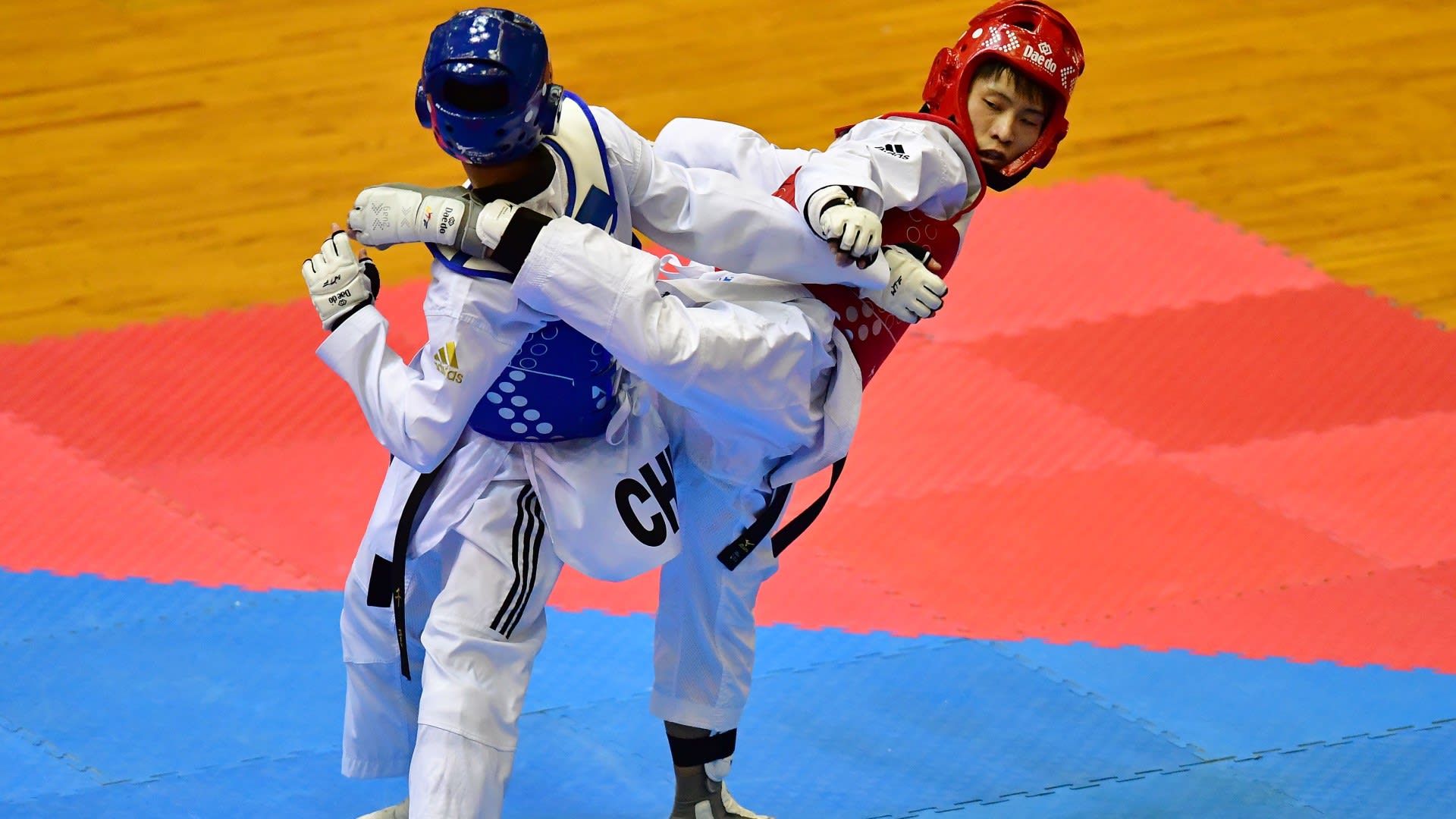
Taekwondo matches use points to decide the winner. Points come from different techniques like punches and kicks. A punch to the body scores 1 point. A kick to the body scores 2 points. A kick to the head scores 3 points. Spinning kicks add extra points. Only hits to valid areas count. The valid areas are the torso and the head. Hits outside these areas do not earn points.
Matches usually last 3 rounds. Each round is 2 minutes long. There is a 1-minute break between rounds. The fighter with the most points after all rounds wins. If points tie, extra rounds or judges decide the winner.
Scoring Techniques
Punches score 1 point when they hit the opponent’s body or head. They must be quick and accurate to count.
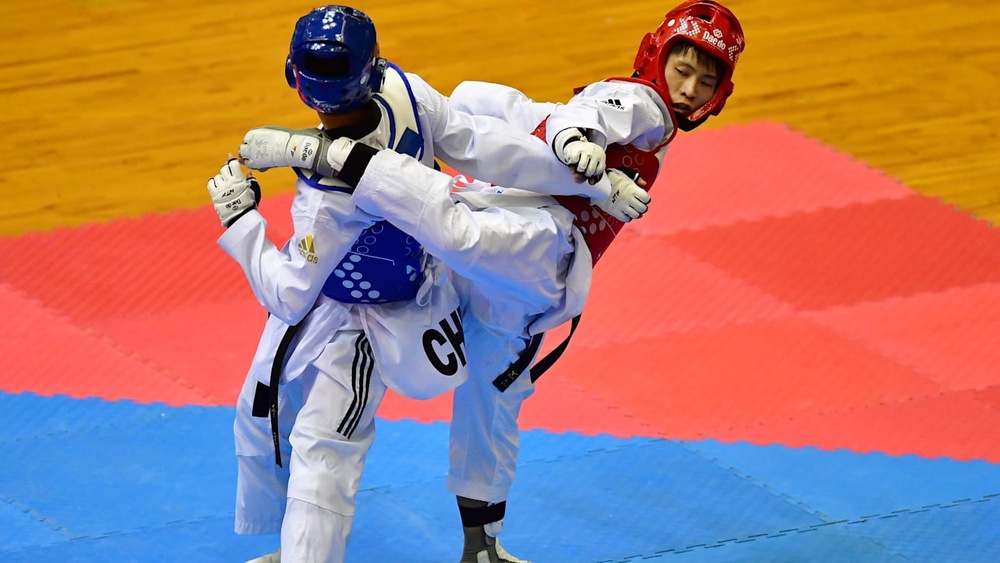
Kicks to the body earn 2 points. These kicks need to be strong and land clearly on the opponent’s torso.
Kicks to the head are worth 3 points. These are harder to do but give more points because of the difficulty.
Spinning and turning kicks add extra points. A spinning kick to the body scores 4 points, and to the head, it scores 5 points. These moves show skill and control.
Electronic Scoring Systems
Electronic scoring in Taekwondo uses special sensors placed in the gear. These sensors detect impacts during matches. When a player hits with enough force, the sensor sends a signal to the scoring system.
This system shows points quickly and fairly. It helps judges avoid mistakes and keeps the game fair. Sensors are in the chest protector and sometimes the headgear.
| Advantages | Common Challenges | Solutions |
|---|---|---|
| Fast and accurate scoring | False positives from light touches | Calibration to ignore weak hits |
| Reduces human error | Sensor failure or delay | Regular maintenance and testing |
| Clear and fair results | Interference from wireless signals | Use of secure, strong signals |
Penalties And Deductions
Penalties in Taekwondo happen when a player breaks rules. There are different types of penalties such as:
- Crossing the boundary line
- Hitting below the waist
- Using the hand to attack the face
- Hitting with the knee or head
- Falling down or avoiding the fight
Each penalty causes a deduction in score. Usually, the opponent gets a point for every penalty. Too many penalties can lead to losing the match.
Avoiding penalties means playing fair and following the rules. Staying inside the ring and using correct moves helps. Players must keep control and respect the referee’s decisions.
Winning Strategies
Maximizing point scoring means hitting the right target areas. Kicks to the head or body score higher points. Fast, clean strikes are key. Use spinning kicks or jumping kicks for extra points. Timing is very important. Wait for the right moment to attack. Aim for the scoring zones on your opponent’s body.
Defensive techniques help keep you safe and ready to counterattack. Block kicks with your arms and legs. Move quickly to avoid hits. Stay balanced and watch your opponent’s moves. Good defense can create chances to score points.
Adapting to opponent styles means changing your plan during the match. Some fighters are fast, others strong. Study your opponent’s moves and find weak spots. Change your speed and attacks to surprise them. Being flexible helps you stay ahead and score more points.
Referee And Judge Roles
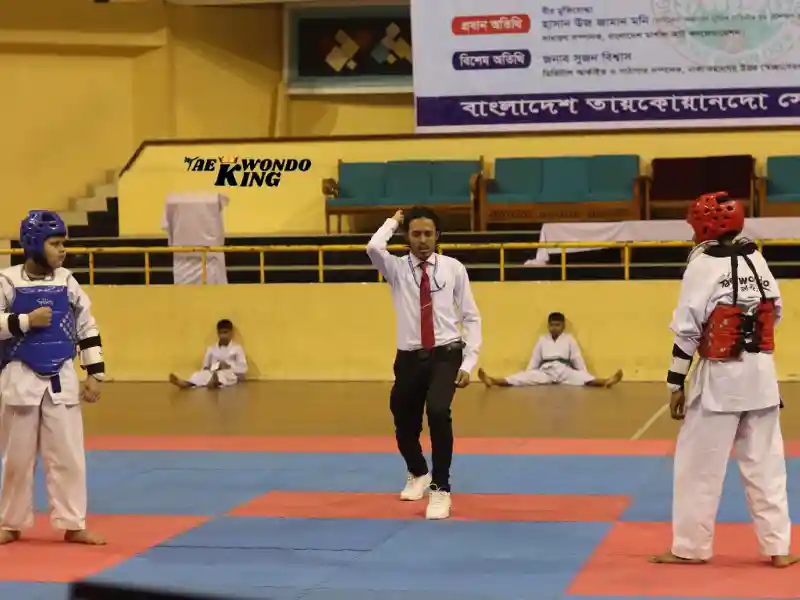
The referee and judges work as a team to keep matches fair. The referee stands in the ring. They watch closely for rule violations and score points during the fight. Judges sit outside the ring. They focus on counting points for clean and strong hits.
The decision-making process is clear. Judges press buttons to score each valid hit. The referee checks if the hits follow the rules. Scores from all judges combine to decide the winner.
Disputes can happen. The referee listens carefully to both sides. They may pause the match to explain or fix errors. Judges can review the match quickly to ensure the right score.
Fair play is a top priority. The referee and judges watch for cheating or dangerous moves. They stop the match if needed to protect fighters. Their job is to keep the sport safe and honest.
Frequently Asked Questions
How Are Points Scored In Taekwondo Matches?
Points are scored by landing valid kicks or punches on the opponent’s scoring zones. Head kicks earn more points than body kicks. Punches score fewer points and only count on the torso. Judges award points based on accuracy, technique, and impact.
What Zones Are Valid For Scoring In Taekwondo?
Valid scoring zones include the torso and head. Kicks to the torso score fewer points than kicks to the head. Punches only score when landed on the torso. Strikes outside these zones do not earn points.
How Many Points Is A Head Kick Worth?
A head kick typically scores 3 points. If the kick includes a spinning technique, it can earn 4 or more points. The exact value depends on the competition rules. Head kicks are highly rewarded for their difficulty.
Are Punches Effective For Scoring In Taekwondo?
Yes, punches score points but only on the torso area. They earn fewer points compared to kicks. Punches must be delivered with control and accuracy to count. Excessive force or hitting outside the scoring zone results in no points.
Conclusion
Scoring in Taekwondo is clear and fair. Points come from clean, strong hits to the right areas. Judges watch closely and use electronic gear to help. Each move counts, so fighters aim for precision and speed. Understanding the scoring helps fans enjoy matches more.
It also guides athletes on what to practice. Keep watching to see how skill and strategy earn points. Taekwondo matches are exciting and fair because of this system. Simple rules, clear goals makes the sport fun to follow.

Founder, Owner, and CEO of TaekwondoKing.
He is one of the top 100 martial artists in the World and among the top 20 referees in Bangladesh.
Ehatasamul Alom is an esteemed Kukkiwon Certified Taekwondo 3rd Dan Black Belt with over 15 years of experience in this dynamic martial art. Born in Rajshahi, Bangladesh, Ehatasamul’s journey with Taekwondo began at the tender age of seven. His passion led him to compete at national and international levels, where he has bagged numerous awards and honors. He is also a member of the Taekwondo National Referee Panel.
With a Bachelor’s degree in Sports Science from the prestigious Rajshahi University, Ehatasamul has a deep understanding of the technical and scientific aspects of martial arts and some other martial arts.
In 2022, Ehatasamul created the “TaekwondoKing.com” to share his knowledge, Free Resources, Values, and Real experiences. His articles focus on Taekwondo training techniques, competition strategies, Sport Products Reviews, and the art’s rich history and philosophy. He also writes about the importance of mental fortitude and discipline, key aspects of his teaching philosophy. He has already launched many sports, Taekwondo, and health-related Free online tools. His goal is to inspire both beginners and seasoned practitioners worldwide through insightful and engaging content.
If you need any help, contact Ehatasamul Alom at any time.