Special Needs Taekwondo: Empowerment Through Martial Arts
For many, Taekwondo is more than a martial art it’s a journey to confidence, discipline, and strength. But for people with special needs, Taekwondo can be a powerful tool for inclusion, physical development, and self-worth. In recent years, special needs Taekwondo programs have grown rapidly around the world. These programs open doors for children and adults with physical, intellectual, and developmental challenges to experience the joy and benefits of martial arts.
What makes special needs Taekwondo unique is its focus on adaptation, patience, and community. Instructors are specially trained to support every student, no matter their abilities. Classes are tailored, the pace is flexible, and success is measured by personal progress, not competition.
For many families, finding a supportive Taekwondo school is life-changing.
In this article, we’ll explore what special needs Taekwondo is, who it serves, how classes work, and why it’s becoming a vital part of the martial arts world. We’ll look at the benefits, challenges, and real-life stories that show how martial arts can change lives.
If you’re a parent, caregiver, instructor, or simply curious about the topic, this guide will give you practical insights and clear answers.
What Is Special Needs Taekwondo?
Special needs Taekwondo is a set of martial arts programs adapted for people with a wide range of disabilities or challenges. Unlike traditional Taekwondo, these programs focus on ability rather than disability. The goal is to help each student reach their personal best physically, mentally, and emotionally.
Classes are designed to be inclusive and supportive. Teachers use clear instructions, visual aids, and hands-on help. The curriculum is flexible, and expectations are adjusted for each student. For example, a child with limited mobility might focus on hand techniques, while another with learning differences might practice routines at a slower pace.
Special needs Taekwondo is not one-size-fits-all. Each school, instructor, and student is unique. The most important element is an environment where everyone feels safe, respected, and encouraged.
Who Can Benefit From Special Needs Taekwondo?
Special needs Taekwondo welcomes people of all ages and backgrounds. Some common groups include:
- Children with autism spectrum disorder (ASD)
- Individuals with Down syndrome
- People with cerebral palsy
- Students with ADHD or learning disabilities
- Those with hearing or visual impairments
- People with physical mobility challenges
- Adults with developmental delays
There’s no strict limit on who can join. Many schools also include students with anxiety, emotional difficulties, or social challenges. The key is that the program adapts to the student not the other way around.
Common Misunderstandings
Some people believe martial arts are “too hard” for those with special needs. In reality, with the right support, almost anyone can benefit. Progress may look different, and the goals may be unique, but the rewards are real.

How Special Needs Taekwondo Classes Work
Special needs Taekwondo classes are carefully structured to create a positive experience for every student. While each school and instructor may have their own approach, some core elements are common.
Class Structure
Most classes start with a warm-up and stretching. Then, students practice basic techniques like punches, blocks, and kicks adapted for their abilities. Forms (patterns of movement) are often simplified. The class usually ends with a game, cool down, or group activity.
Smaller class sizes are typical, sometimes with assistants or volunteers to provide extra help. Parents may be invited to watch or even join in. The instructor’s main job is to keep things safe, fun, and clear.
Adaptations In Teaching
Instructors use a range of strategies, such as:
- Visual cues: Pictures or signs to show how to move.
- Physical guidance: Gentle hands-on help to guide movement.
- Short instructions: Simple, step-by-step language.
- Frequent breaks: Time to rest or refocus.
- Positive reinforcement: Lots of praise, high-fives, and encouragement.
Progress And Belt Advancement
Most schools have a system for belt testing, but requirements are adjusted. Progress is measured by personal growth like improved balance, focus, or confidence not just perfect technique.
Here’s an example of how belt progression might be adapted:
| Belt Level | Standard Requirement | Special Needs Adaptation |
|---|---|---|
| White to Yellow | Basic stances, simple kicks | Simple movements, focus on balance |
| Yellow to Green | Blocks, punch combinations | Hand techniques, with physical support if needed |
| Green to Blue | Forms, sparring basics | Short forms, partner drills with adaptations |
| Blue to Red | Advanced kicks, self-defense | Personalized self-defense, safe practice |
Advancement is celebrated, and every success big or small is recognized.
Key Benefits Of Special Needs Taekwondo
The benefits of Taekwondo for special needs students go far beyond physical skills. Over decades, research and real-life experience have shown positive effects in many areas.
Physical Development
Taekwondo helps improve:
- Coordination: Learning to move arms and legs together.
- Balance: Standing, turning, and kicking safely.
- Strength: Using core, arms, and legs in different ways.
- Flexibility: Gentle stretching and controlled movements.
These gains often carry over into daily life walking, playing, or using stairs.
Cognitive And Emotional Growth
Martial arts training supports:
- Focus: Listening and following instructions step by step.
- Memory: Remembering forms, patterns, or sequences.
- Self-control: Managing impulses, waiting turns.
- Confidence: Achieving goals and earning belts.
A 2017 study found that martial arts training improved executive function (planning, attention, and self-control) in children with ASD.
Social Skills
Taekwondo is a social activity. Students learn to:
- Make eye contact
- Work in pairs or groups
- Take turns and share space
- Encourage and support each other
For many, the class is a safe place to make friends.
Emotional Well-being
Martial arts can reduce anxiety and build resilience. Earning belts and mastering skills gives students a sense of pride. For parents, seeing their child succeed sometimes for the first time can be emotional and uplifting.
Family Impact
Special needs Taekwondo often becomes a family event. Siblings may join classes, and parents connect with others who share similar challenges. This sense of community can be a lifeline.
Challenges And Solutions In Special Needs Taekwondo
While the benefits are powerful, running a special needs Taekwondo program is not easy. There are real challenges for students, families, and instructors.
Instructor Training
Not every Taekwondo instructor is prepared to teach special needs students. Specialized training is critical. This includes:
- Understanding different disabilities
- Adapting techniques and communication styles
- Managing behavior and safety concerns
- Being patient and creative
Some organizations, such as the International Adaptive Martial Arts Federation, offer certification and resources for instructors.
Physical Limitations
Students may have limited mobility, muscle weakness, or coordination difficulties. Instructors must constantly adjust drills and expectations. Safety comes first falls and injuries must be prevented.
Behavioral And Communication Challenges
Students with autism or ADHD may struggle with focus, transitions, or group activities. Some may be nonverbal or need alternative communication methods.
Solutions include:
- Visual schedules to show class structure
- Social stories to prepare for new activities
- Extra assistants or one-on-one support
Facility And Equipment Barriers
Not all martial arts studios are wheelchair-accessible or have suitable flooring. Some schools invest in mats, ramps, or adaptive equipment to create an inclusive space.
Financial Constraints
Special needs programs may require more staff, training, and equipment. Some families face high costs, but scholarships or community grants can help.
Realistic Expectations
Progress may be slow or look different from typical students. Families and instructors need to celebrate small wins and avoid comparisons. Setting personalized goals is key.
How To Choose A Special Needs Taekwondo Program
Not all Taekwondo schools are the same. Finding the right fit is essential for a positive experience.
What To Look For
- Instructor Experience: Ask about training with special needs students.
- Class Size: Smaller classes mean more attention.
- Safety: Are there mats, accessible spaces, and a clear emergency plan?
- Adaptability: Will the instructor adjust techniques and expectations?
- Parent Involvement: Are parents welcome to observe or participate?
- Student Support: Is there help for communication or behavior needs?
- Community Reputation: What do other families say?
Comparing Programs
Here’s a quick comparison of two typical programs:
| Feature | Traditional Taekwondo | Special Needs Taekwondo |
|---|---|---|
| Class Size | 15-25 students | 4-8 students |
| Instructor Training | General martial arts certification | Special needs and adaptive martial arts training |
| Curriculum | Standardized | Flexible, individualized |
| Progression | Standard belt tests | Personalized, adapted tests |
| Parent Involvement | Limited | Encouraged |
Questions To Ask
- What disabilities or needs does the program support?
- How are classes structured?
- What adaptations are available?
- Can I observe a class first?
- Are there any extra costs?
Choosing a school is a partnership. Open communication between families and instructors is vital.
Real-life Success Stories
The heart of special needs Taekwondo is its people the students, families, and teachers who make it work.
Ethan’s Story: Overcoming Autism Challenges
Ethan, age 9, was diagnosed with autism at age 3. He struggled with coordination, speech, and social anxiety. When his parents enrolled him in a special needs Taekwondo class, he was shy and reluctant.
Over two years, Ethan learned to follow instructions, join group games, and even participate in public demonstrations. His balance and speech improved, and he made his first real friends. His teacher says, “Ethan’s smile when he earned his yellow belt lit up the whole room.
”
Maria’s Journey: Building Independence
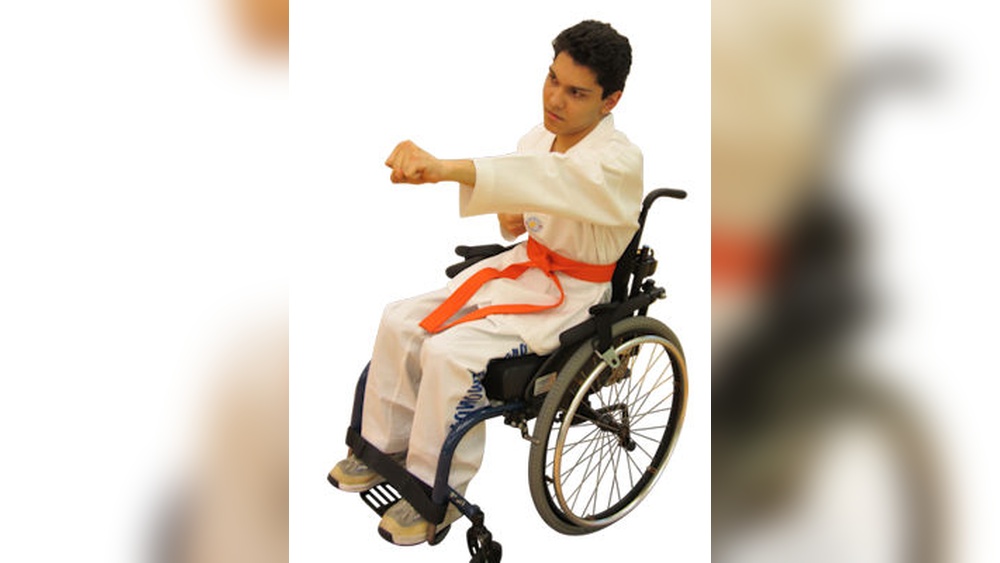
Maria, a teenager with cerebral palsy, uses a wheelchair. Her instructor created a program focused on upper body movement, blocking, and self-defense from a seated position. Maria’s confidence soared. She learned to advocate for herself and taught others that martial arts truly are for everyone.
Instructor Perspective: Learning From Students
Master Kim, a 5th-degree black belt, started teaching special needs Taekwondo after seeing the impact on his nephew with Down syndrome. He says, “I learn as much from my students as they do from me. Patience, creativity, and celebrating every step forward these are the real black belt skills.
”
The Global Growth Of Special Needs Taekwondo
Special needs Taekwondo is expanding worldwide. Major organizations, such as World Taekwondo, now host para-Taekwondo events. In 2020, para-Taekwondo debuted as an official sport at the Tokyo Paralympic Games.
More local schools are adding adaptive programs. National and international groups offer resources, certifications, and support. According to the International Taekwondo Federation, participation in adaptive martial arts has grown by over 30% in the past decade.
Here’s a look at growth in different regions:
| Region | Year Adaptive Programs Started | Current Number of Schools | Annual Growth Rate |
|---|---|---|---|
| North America | 2005 | 200+ | 8% |
| Europe | 2010 | 120+ | 6% |
| Asia | 2012 | 180+ | 10% |
| Australia | 2014 | 40+ | 12% |
This growth means more opportunities for families everywhere.

How To Get Started
If you’re considering special needs Taekwondo for yourself or a loved one, here’s how to begin:
- Research local programs. Use online searches, community centers, or recommendations from therapists.
- Visit schools. Meet instructors, observe a class, and ask questions.
- Discuss needs and goals. Share information about the student’s abilities, challenges, and interests.
- Try a sample class. Many schools offer free or low-cost trial sessions.
- Start slow. Progress at your own pace. Celebrate every achievement.
Don’t be discouraged if the first class or school isn’t the right fit. Every journey is unique.
Non-obvious Insights For Success
While most people focus on the physical and social benefits, a few important points are often missed:
1. Consistency matters more than intensity. For special needs students, regular attendance even if only once a week creates structure and progress. Sporadic or high-pressure practice often leads to frustration.
2. Instructors can learn from therapists. Collaboration with occupational, physical, or speech therapists can make Taekwondo more effective. Sharing strategies or goals can align martial arts training with other therapies.
3. Uniforms and rituals can be powerful. Wearing a dobok (Taekwondo uniform), bowing, and following class routines create a sense of belonging and predictability, which is especially valuable for students with autism or anxiety.

The Future Of Special Needs Taekwondo
The future looks bright for special needs Taekwondo. As inclusion becomes a priority in sports and education, more organizations are investing in adaptive martial arts. Technology such as video modeling, wearable devices, or online classes may make programs even more accessible.
The biggest challenge remains awareness. Many families and potential students still don’t know these programs exist. Advocacy, outreach, and sharing success stories are vital.
For those ready to take the first step, Taekwondo offers more than kicks and punches it offers hope, friendship, and the chance to shine.
For more information on adaptive martial arts, visit the Adaptive Martial Arts Wikipedia page.
Frequently Asked Questions
What Disabilities Are Supported In Special Needs Taekwondo?
Most programs welcome students with a wide range of disabilities, including autism, Down syndrome, cerebral palsy, learning disabilities, physical impairments, and sensory challenges. Always ask the school about their experience and adaptations for specific needs.
Do Students With Special Needs Earn Real Belts?
Yes, students earn belts as in traditional Taekwondo. Requirements are adapted to their abilities, focusing on personal progress. Belt ceremonies are celebrated with the same respect as any other program.
Is Special Needs Taekwondo Safe?
Safety is a top priority. Classes use soft mats, close supervision, and adapted techniques. Instructors are trained to prevent injuries and manage emergencies. Always check that the school follows safety guidelines.
Can Parents Participate Or Watch Classes?
Many schools encourage parent involvement. Some allow parents to join classes, especially for younger children or those needing extra support. Observing can help parents reinforce skills at home.
How Do I Find A Good Special Needs Taekwondo Program Near Me?
Start by searching online for adaptive or special needs Taekwondo in your area. Contact local martial arts schools and ask about their experience. Community centers or disability support groups may have recommendations. Visit and observe before enrolling.
With the right support, Taekwondo can be an empowering, joyful part of life for people with special needs. The path may look different, but the rewards are just as real.

Founder, Owner, and CEO of TaekwondoKing.
He is one of the top 100 martial artists in the World and among the top 20 referees in Bangladesh.
Ehatasamul Alom is an esteemed Kukkiwon Certified Taekwondo 3rd Dan Black Belt with over 15 years of experience in this dynamic martial art. Born in Rajshahi, Bangladesh, Ehatasamul’s journey with Taekwondo began at the tender age of seven. His passion led him to compete at national and international levels, where he has bagged numerous awards and honors. He is also a member of the Taekwondo National Referee Panel.
With a Bachelor’s degree in Sports Science from the prestigious Rajshahi University, Ehatasamul has a deep understanding of the technical and scientific aspects of martial arts and some other martial arts.
In 2022, Ehatasamul created the “TaekwondoKing.com” to share his knowledge, Free Resources, Values, and Real experiences. His articles focus on Taekwondo training techniques, competition strategies, Sport Products Reviews, and the art’s rich history and philosophy. He also writes about the importance of mental fortitude and discipline, key aspects of his teaching philosophy. He has already launched many sports, Taekwondo, and health-related Free online tools. His goal is to inspire both beginners and seasoned practitioners worldwide through insightful and engaging content.
If you need any help, contact Ehatasamul Alom at any time.