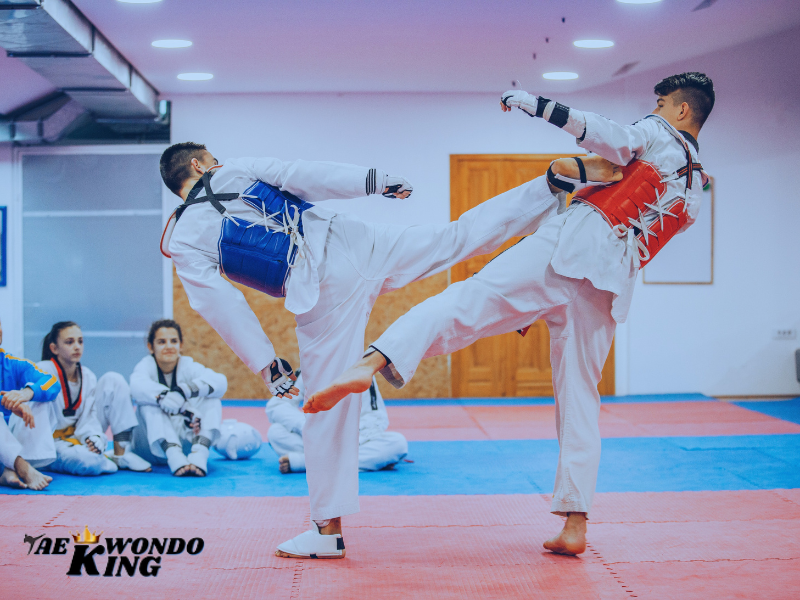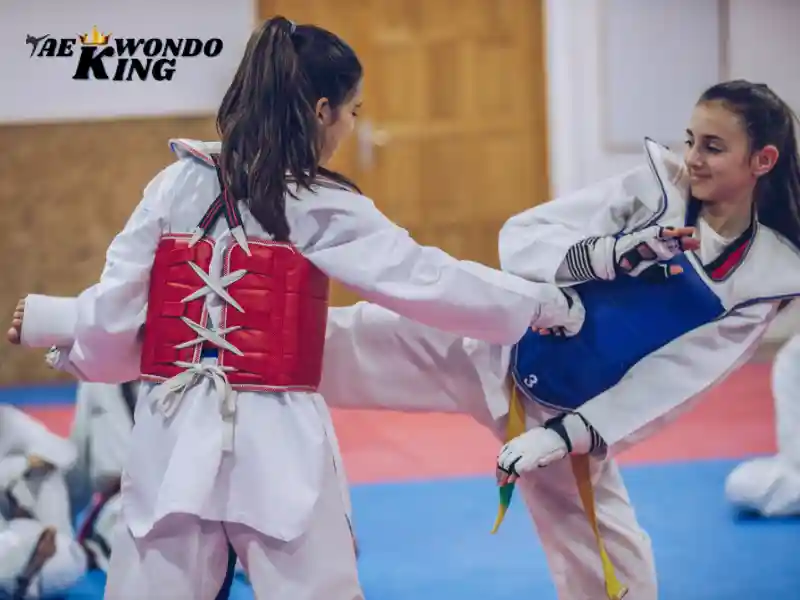
Picture a green belt holding pads for two nervous white belts, correcting their stance with real confidence. That single scene answers more than most long articles ever could. Can you Taekwondo coach without a black belt? Sometimes, yes, but coaching, assisting, and being a fully recognised instructor are three different roles. A dad in Denver, Colorado asked me this exact question last month before his teenage son started helping at their local dojang, one he found through a quick search on our dojo locator tool. The honest answer depends on your organisation, your country, your club, the competition level, the student’s age, and your own experience. This guide breaks down every one of those layers so you know exactly where you stand.
Can You Coach Taekwondo Without a Black Belt?
Let’s answer the main question right away, since nobody wants to scroll through twelve paragraphs to find it.
The Short Answer
In some settings, yes. There is no single worldwide rule for all Taekwondo coaches. Some clubs allow experienced colour belts to assist under supervision. Formal coaching and instructor roles usually carry additional requirements on top of that. Assisting early can also help build self discipline and self confidence in the assistant themselves, not just the students they’re helping.
Coaching Is Different From Assisting
These are not the same job. Helping with drills, holding pads, leading a warm-up, and demonstrating basic skills sit on one end of the scale. Teaching part of a class, running a full class, and coaching competitors sit much further along. Understanding core Taekwondo moves well is a good starting point before taking on any of these roles.
Why There Is No Universal Answer
Requirements can be set by individual dojangs, national governing bodies, Taekwondo associations, competition organisers, insurance providers, and local regulations. Each layer adds its own rules on top of the last, so a rule that applies at one gym may not carry over to the next one down the street.
The Golden Rule
Check the rules of the organisation where you want to coach. A colour belt helping a senior instructor at a local dojang is not necessarily in the same position as a coach working at a major sanctioned competition, the kind covered in World Taekwondo kyorugi rules. Clubs in places like Atlanta, Chicago, and Dallas each set their own internal policies, so what’s allowed in one gym may not be allowed two states over.
What Can You Do Without a Black Belt?
A lower rank does not mean you have nothing useful to offer. Plenty of future coaches start by helping with small, practical tasks.
Assist With Warm-Ups
Basic movements, mobility exercises, coordination drills, and light fitness work all fall under this category, and they build real value for the beginners you’re working with. Understanding why flexibility matters so much helps an assistant lead a smarter, safer warm-up.
Hold Kick Pads
Helping students practise, demonstrating safe pad holding, and watching spacing are simple but genuinely important jobs. A sturdy pair of kick pads like these makes this task much easier and much safer for everyone involved.
Help Beginners
Basic stance, guard position, simple movements, and class etiquette are all things a colour belt assistant can reinforce confidently, especially with new students working through Taekwondo for beginners.
Lead Small Drills
This should always happen under supervision, within your own skill level, and while following the head coach’s lesson plan exactly.
Help With Equipment
Setting up mats, organising pads, and checking protective equipment matters more than people expect. Keeping reliable protective gear like this in good shape protects everyone on the mat, and a durable equipment bag like this one keeps everything organised between classes.
What You Should Not Do
Do not teach techniques you do not fully understand. Do not override the head coach. Also, Do not make unauthorised belt decisions. Do not give medical advice. Do not handle serious safeguarding concerns alone.
Can a Colour Belt Be a Taekwondo Assistant Coach?
This is one of the most common long-tail questions I hear from parents and students alike, so let’s walk through the practical route from student to assistant.
What Is an Assistant Coach?
An assistant coach supports the lead coach, helps students, demonstrates techniques, and runs supervised drills. It’s a real role with real responsibility, just within clear limits.
What Rank Might Be Expected?
Rank requirements vary by club. Some prefer senior colour belts as assistants. Others only use black belts. Organisation-specific rules may apply on top of whatever your dojang decides.
Why Experience Can Matter More Than Rank at First
Communication, reliability, a strong grasp of fundamentals, and the ability to work patiently with beginners often matter more early on than the exact belt colour around your waist.
The Best Starting Point
Ask your instructor directly. Volunteer to help before you’re asked. Observe classes closely. Assist only under supervision until you’ve earned more trust. If you’re still searching for the right club, our guide to finding the perfect Taekwondo gym and our list of learning centers in Las Vegas or academies across Nevada are good places to start looking.
Simple Example
A green belt has trained for several years and understands basic kicks well. Their instructor asks them to help two white belts practise front kicks. This is assisting, not taking full responsibility for a Taekwondo class, and that distinction matters.
Do You Need a Black Belt to Teach Taekwondo?
Coaching and teaching overlap, but they are not always identical roles.
Teaching Basic Skills
Supervised teaching often happens through demonstrations, repetition, and basic corrections, all guided by someone more senior watching closely.
Teaching a Full Class
Running a full class calls for lesson planning, class management, safety awareness, real technical knowledge, and a clear sense of student progression. Many of these same planning skills carry over directly from what I learned during my own years as a national referee.
Teaching Advanced Techniques
Higher technical knowledge, greater responsibility, and appropriate experience all become necessary once techniques get more advanced, including some of the hardest kicks in Taekwondo.
Teaching Children
Safeguarding, child protection, clear communication, and age-appropriate instruction matter enormously here, as covered in this guide to teaching kids Taekwondo.
The Key Difference
A person might be capable of teaching one basic drill without being ready to independently teach an entire Taekwondo curriculum. Keep that distinction in mind whenever you’re deciding how much responsibility to take on. Looking back at the most important things I learned while training still shapes how I coach today.
Can You Coach Taekwondo Competitors Without a Black Belt?
Competition coaching is where the answer can get more complicated.
Local Club Competitions
Club-specific requirements, coach supervision, and informal support often apply here, with far more flexibility than a major sanctioned event.
Sanctioned Competitions
Event rules, coach registration, organisation requirements, and required certifications all come into play at this level, similar to what’s outlined in official referee rules and regulations and, where relevant, the Para Taekwondo competition rules set by World Taekwondo.
Kyorugi Coaching
Tactical knowledge, competition rules, athlete safety, and match strategy sit at the core of sparring-focused coaching, tied closely to sparring strategies worth studying early.
Poomsae Coaching
Technical precision, performance standards, timing, and presentation define this discipline, and they connect directly to the official poomsae rules and regulations.
Why Competition Coaching Is Different
An assistant at a local training session may not automatically be eligible to coach at a major sanctioned event. Always verify current competition requirements from the relevant governing body rather than assuming belt rank alone decides eligibility.
Black Belt vs Coaching Qualification: What Is the Difference?
Many beginners assume a black belt is the same thing as a coaching certificate. It isn’t, and this table makes the distinction clear at a glance.
A rank shows technical progression, while coaching qualifications focus on teaching, athlete development, safety, or competition rules. Based on years spent both training and coaching, here is how I break it down for new students.
| Credential or Experience | What It Shows | Does It Automatically Make You a Coach? |
|---|---|---|
| Colour Belt | Technical progression | No |
| Black Belt | Advanced technical rank | No |
| Dan Rank | Higher technical progression | No |
| Instructor Qualification | Teaching preparation | Usually supports coaching |
| Coach Certification | Coaching education | Depends on organisation |
| First Aid | Emergency response skills | No |
| Safeguarding Training | Athlete protection knowledge | No |
| Practical Coaching Experience | Real-world ability | Not a formal certificate |
Why a Black Belt Still Matters
Technical credibility, curriculum knowledge, the ability to demonstrate cleanly, and a real understanding of advanced skills all come with black belt rank.
Why a Black Belt Is Not Enough
Teaching skills, communication, lesson planning, safeguarding awareness, and athlete development all sit outside what rank alone can teach you.
The Simple Formula
Good coach equals technical knowledge, plus coaching skill, plus safety, plus real experience. Miss any one of those four pieces and something important is missing. I keep a simple coaching notebook like this to track exactly where each of my assistants stands across all four areas.
What Do Major Taekwondo Organisations Require?
Requirements can change by organisation and role, so always check current official sources before making a decision.
USA Taekwondo
USA Taekwondo runs its own pathway, built around active membership, coach education, competition coaching credentials, and SafeSport requirements where applicable to your role. Recent leadership news, including efforts to strengthen international leadership roles, shows how closely coaching pathways stay tied to national and international governance.
World Taekwondo
World Taekwondo governs the international competition context, with its own coach certification and event-specific requirements layered on top of local rules. Its recent work to merge para Taekwondo education into mainstream coaching shows how these pathways keep evolving.
Kukkiwon
Kukkiwon focuses on Dan certification, technical standards, and instructor development, giving practitioners a structured reference point for rank. Events like the Kukkiwon Cup and initiatives such as the Taekwondo Promotion Foundation’s education agreement with KAIST show how seriously this organisation treats ongoing development.
Why These Organisations Should Not Be Treated as Identical
Kukkiwon, World Taekwondo, USA Taekwondo, and your national association all play different roles. Confusing them leads to buying the wrong course or missing a requirement entirely.
Important Editorial Point
It would be inaccurate to say World Taekwondo requires every Taekwondo coach to be a black belt. Instead, specific coaching roles and certification pathways carry their own eligibility requirements, which is exactly why checking directly matters so much. Skipping this step is one of the most common mistakes I see new coaches make.
USA Guide: Can You Coach Taekwondo Without a Black Belt?
This section speaks directly to readers in the United States asking this exact question.
Local Dojang Coaching
Club-specific rules, assistant coaching arrangements, and supervised teaching all apply here first, before any formal certification enters the picture.
USA Taekwondo Coaching Pathways
There’s a real difference between being a club assistant, coaching at sanctioned events, and holding formal coaching credentials through USA Taekwondo. Each step asks for more.
USA Taekwondo Associate Coach Pathway
The Associate Coach route asks candidates to meet membership, age, SafeSport, and background screening requirements. Current USA Taekwondo guidance does not tie this specific pathway to a belt rank, which means technical rank and coaching eligibility stay separate concepts wherever the organisation’s rules allow it.
SafeSport Requirements
Athlete safeguarding training applies directly to coaches working with minors. These safeguarding requirements are separate from belt rank and apply regardless of how experienced a coach is technically. I’ve seen colour belt assistants complete this training faster than some black belts simply because they treated it as seriously as any technical exam.
USA Reader Checklist
Before you take on any assistant role in the United States, work through this list carefully, since skipping a step here can cost you eligibility later.
- Check your club’s rules
- Check USA Taekwondo requirements
- Check event-specific rules
- Complete required education
- Complete safeguarding requirements where applicable
- Check background screening requirements
Does Your Taekwondo Organisation Require a Black Belt?
The organisation you belong to may set stricter rules than the bare minimum needed to assist informally.
Club Rules
Head instructor authority and assistant coach requirements are usually decided locally, often with more flexibility than a national body allows.
Association Rules
Instructor recognition and coach certification requirements typically come from your national or regional association, sitting above individual club policy.
Competition Rules
Coach registration and event credentials are usually the strictest layer, tied closely to the GMS rules and regulations used at sanctioned tournaments.
Insurance Conditions
Some insurers require recognised qualifications, appropriate supervision, and clear risk management before covering a coach at all.
The Question to Ask
“What do I need to be allowed to do this role here?” This question is often far more useful than simply asking, “Do I need a black belt?”
What Skills Do You Need to Coach Without a Black Belt?
If rank is not the only factor, what should an aspiring coach actually build?
Technical Knowledge
Fundamentals, correct technique, basic poomsae, and basic kyorugi form the base every good coach needs, no matter their current rank.
Communication
Clear instructions, simple explanations, and positive feedback turn confusion into confidence for students of any age.
Observation
Spotting technical errors, noticing fatigue, and identifying unsafe behaviour early keeps a class both effective and safe.
Patience
Repeating instructions calmly and working steadily with beginners separates a good assistant from a frustrated one.
Reliability
Arriving on time, preparing equipment, and following instructions consistently build the kind of trust that leads to bigger responsibilities.
Humility
Knowing when to ask for help and accepting corrections gracefully will take you further than pretending to know everything.
A Useful Coaching Test
Ask yourself: “Can I explain this skill clearly, safely, and correctly to someone who has never done it before?” If the answer is no, more learning is needed before that next step.
Can a Teenager Coach Taekwondo Without a Black Belt?
This section speaks to younger readers and the parents guiding them.
Age and Coaching Roles
Age requirements vary by organisation. Junior assistants usually carry limited responsibilities compared to adult coaches.
Supervised Assistance
Warm-ups, pad holding, and beginner drills are all reasonable starting points for a capable teenage assistant working under close supervision.
Working With Younger Children
Safeguarding, adult supervision, and clear club policies matter enormously whenever a teenager helps with younger kids specifically. Reading through our guide to teaching kids Taekwondo gives a young assistant a much clearer sense of what that responsibility actually looks like day to day.
Becoming a Coach Later
Building experience, gaining qualifications, and progressing through rank all take time, and there’s no reason to rush past any of these steps. Plenty of coaches I know spent years as quiet, reliable assistants before anyone handed them a full class of their own, and that patience almost always paid off later.
Parent Perspective
Ask whether the assistant is supervised. Ask whether the head coach is present. Whether the club has clear safeguarding procedures. Ask whether the assistant is working within their competence.
A Real Day of Coaching Without a Black Belt
A day-in-the-life example makes this whole topic more relatable and grounds it in real experience.
5:30 PM Arriving at the Dojang
I help prepare mats, set out pads, and speak with the head coach about the plan for the evening.
6:00 PM Beginners Arrive
I help nervous students settle in, explain basic etiquette, and demonstrate a few simple techniques to break the ice. A comfortable, well-fitted uniform like this one makes that first class feel less intimidating for a brand new student.
6:30 PM Technical Drills
I hold pads, run a small group through their paces, and give basic corrections where I feel confident doing so. Good hand wraps and a solid pair of training pads like these make this part of the evening run far more smoothly.
7:00 PM Sparring
I help organise pairs, monitor safety closely, and report any concerns straight to the head coach without delay. Proper headgear and shin guards, like this protective set, stay non-negotiable during every sparring round, no matter how experienced the students are.
7:45 PM After Class
I put equipment away, discuss student progress, and ask the head coach for honest feedback on how I did.
Sensory Detail
The soft slap of bare feet on the mat. The thump of a kick pad landing just right. The sharp sound of a kihap cutting through the room. Students adjusting their dobok before lining up. The sudden quiet after the last student leaves for the night.
Local Korean terms belong naturally here too: dojang, dobok, kihap, poomsae, kyorugi. I keep this light, since the goal is a real day, not a vocabulary drill.
Assistant Coach vs Independent Coach Without a Black Belt
This comparison helps readers see exactly where the line between assisting and leading tends to sit.
The same person may be allowed to perform one task but not another. Responsibility, supervision, and organisational rules usually matter more than belt colour alone, something I’ve seen play out again and again across different dojangs.
| Role | Possible Without Black Belt? | Typical Conditions |
|---|---|---|
| Help set up | Yes | Usually |
| Hold pads | Often | Supervision |
| Lead warm-up | Sometimes | Club approval |
| Help beginners | Sometimes | Within competence |
| Lead small drills | Sometimes | Supervised |
| Run full class | Organisation-dependent | May require credentials |
| Coach sanctioned competition | Organisation-dependent | Formal requirements may apply |
| Run independent dojang | Usually more complex | Business and instructor requirements |
How to Become a Taekwondo Coach Without a Black Belt
Here’s a practical route, not just a vague suggestion to “ask your instructor.”
Step 1: Become a Strong Student
Train consistently, learn fundamentals deeply, and understand etiquette before you ever think about helping others learn.
Step 2: Ask to Assist
Speak with your instructor directly and offer practical help wherever it’s genuinely needed.
Step 3: Start Small
Equipment setup, warm-ups, pad work, and beginner drills are the natural first steps for almost every new assistant.
Step 4: Learn Coaching Skills
Communication, demonstration, feedback, and class management all deserve dedicated attention, not just casual pickup along the way.
Step 5: Gain Safety Training
First aid, CPR, and safeguarding training round out a coach’s toolkit and matter just as much as technical skill. A well-stocked first aid kit like this one belongs in every coaching bag from day one, not just once you reach black belt.
Step 6: Work Toward Higher Rank
Keep training yourself and progress toward black belt where appropriate for your goals. Our free Dan rank promotion eligibility calculator and black belt time calculator can help you plan a realistic timeline.
Recommended Progression
Student, then helper, then assistant, then junior coach, then qualified coach, then head coach. This is a practical example, not a universal Taekwondo ranking system.
USA Expert Advice on Coaching Before Black Belt
Stephen McNally, CEO of USA Taekwondo, has spoken publicly about building safer, more connected pathways for athletes, coaches, and referees across the sport. His comments reflect exactly what I tell every colour belt who asks me about assisting early: know your limits, support your senior coaches fully, put athlete safety first, communicate clearly, and build genuine experience before seeking any real authority.
Expert Insight to Highlight
A colour-belt student preparing to assist should focus on knowing their limits, supporting senior coaches without overstepping, prioritising athlete safety at every turn, and communicating clearly with beginners who are often nervous and unsure. Building this kind of experience before seeking authority sets up a much stronger coaching career later on.
Common Mistakes When Coaching Without a Black Belt
Let’s be honest here without discouraging new coaches from getting started. I made a few of these mistakes myself as a young assistant, and looking back, every one of them taught me something useful.
Pretending to Know Everything
Ask questions freely and learn from senior coaches rather than bluffing your way through a technique you don’t fully understand.
Teaching Beyond Your Skill Level
Stay firmly within your competence, even when a student asks about something more advanced than you’re ready to explain.
Giving Conflicting Instructions
Always follow the head coach’s lesson plan exactly, rather than introducing your own variations mid-class.
Ignoring Safety
Monitor spacing carefully, check equipment before every session, and stop unsafe activity immediately when you see it.
Trying to Act Like the Boss
Leadership comes with real responsibility. Respect the chain of command, especially early in your coaching journey.
Focusing Only on Technique
Good coaching also involves communication, patience, motivation, and safeguarding, not just correcting a kick or a stance.
What Qualifications Should You Work Toward?
Even if you can assist without a black belt, building formal credentials improves your long-term coaching prospects significantly.
Black Belt and Dan Rank
Technical development and curriculum knowledge grow naturally as you progress, supported by resources like our age requirement calculator for black belt.
Coaching Education
Teaching methods and athlete development form the core of most formal coach education programs worth pursuing.
First Aid and CPR
Emergency response training remains essential no matter how experienced a coach becomes, and this pairs well with keeping a proper first aid kit on hand at every session.
Safeguarding
Child protection and athlete welfare training protect both students and coaches alike, and should never be treated as optional.
Competition Coaching
Kyorugi, poomsae, and competition rules all deserve focused study once you’re ready to support athletes at sanctioned events.
Qualification Roadmap
| Stage | Focus Area |
|---|---|
| Technical rank | Personal skill development |
| Coaching education | Teaching methods and planning |
| Safety training | First aid and CPR |
| Safeguarding | Child protection and welfare |
| Practical experience | Real hours assisting |
| Competition credentials | Kyorugi or poomsae specialisation |
How Black Belt Rank Changes Your Coaching Opportunities
This section addresses the natural follow-up question many readers ask next: if I can start without one, should I still earn one?
More Technical Knowledge
Advanced techniques and a deeper curriculum understanding come with continued rank progression over the years.
Greater Student Trust
Perceived credibility and stronger leadership presence often follow naturally once you’ve reached black belt level.
More Coaching Opportunities
Advanced classes, independent instruction, and competition teams tend to open up once you hold a recognised black belt.
Better Long-Term Career Options
Head coach roles, dojang ownership, and instructor development pathways all become far more realistic with continued progress, something worth mapping out early using our free training roadmap generator.
Important Point
A black belt can expand opportunities, but being a black belt does not automatically make someone an excellent coach. The two things simply are not the same.
Frequently Asked Questions About Coaching Without a Black Belt
Can you Taekwondo coach without a black belt?
Yes, in many settings, though it depends heavily on the role and the organisation involved. Assisting under supervision is common; running an independent program usually requires more.
Can a colour belt be a Taekwondo assistant coach?
Yes, many clubs allow experienced colour belts to assist under close supervision, especially with beginner classes.
Can I teach Taekwondo without a black belt?
You can teach basic, supervised skills at lower ranks, but running a full independent program typically requires more experience and often formal certification.
Do you need a black belt to teach children Taekwondo?
Club requirements and safeguarding training matter more here than rank alone, though experienced instructors usually hold higher rank as well.
Do you need a black belt to coach Taekwondo competitions?
Sanctioned events often carry their own registration and certification requirements, separate from belt rank specifically.
Can a teenager become a Taekwondo assistant coach?
Yes, with appropriate supervision and attention to age-specific club policies, especially when working with younger children.
Is a black belt the same as a coaching qualification?
No. A black belt shows technical progression, while a coaching qualification shows teaching and athlete development training specifically.
What qualifications do Taekwondo coaches need?
Technical rank, coaching education, first aid and CPR training, and safeguarding certification form the core of most coaching pathways.
How can I start coaching Taekwondo as a beginner?
Start with supervised assistance, ask your instructor for opportunities, and build experience gradually before seeking more responsibility.
Should I get a black belt before becoming a coach?
Continuing your technical progression stays valuable even if early assistant work is allowed without one, since it builds credibility and deeper knowledge over time.
Can You Coach Taekwondo Without a Black Belt? Quick Checklist
Use this as a simple, practical decision tool before you take your next step.
You May Be Ready to Assist If You
- Know the basics well
- Have permission from your instructor
- Can demonstrate techniques safely
- Can communicate clearly
- Can follow instructions
- Know your limits
- Work under suitable supervision
You May Need More Training If You
- Cannot explain basic techniques
- Are unsure about safety
- Want to run a full class alone
- Want to coach at sanctioned competitions
- Want to teach children independently
- Want to operate your own dojang
Final Recommendation
After years spent training, refereeing, and now mentoring new coaches myself, my honest answer stays the same every time. Can you Taekwondo coach without a black belt? Yes, within real limits, and mostly through supervised assisting rather than running your own program. Start small, ask your instructor for chances to help, and build genuine hours on the mat before chasing any title.
Pair that experience with first aid training, safeguarding certification, and steady technical progress through your own Dan rank journey. If you’re building your own coaching kit as you go, this well-reviewed gear set is a solid, budget-friendly place to start, and our full library of free Taekwondo calculators and planning tools can help you map out the years ahead. You can read more about my own path on our about us page, and I still believe that mix of humility, safety, and real experience matters more than any single belt colour ever could.

Founder, Owner, and CEO of TaekwondoKing.
He is one of the top 100 martial artists in the World and among the top 20 referees in Bangladesh.
Ehatasamul Alom is an esteemed Kukkiwon Certified Taekwondo 3rd Dan Black Belt with over 15 years of experience in this dynamic martial art. Born in Rajshahi, Bangladesh, Ehatasamul’s journey with Taekwondo began at the tender age of seven. His passion led him to compete at national and international levels, where he has bagged numerous awards and honors. He is also a member of the Taekwondo National Referee Panel.
With a Bachelor’s degree in Sports Science from the prestigious Rajshahi University, Ehatasamul has a deep understanding of the technical and scientific aspects of martial arts and some other martial arts.
In 2022, Ehatasamul created the “TaekwondoKing.com” to share his knowledge, Free Resources, Values, and Real experiences. His articles focus on Taekwondo training techniques, competition strategies, Sport Products Reviews, and the art’s rich history and philosophy. He also writes about the importance of mental fortitude and discipline, key aspects of his teaching philosophy. He has already launched many sports, Taekwondo, and health-related Free online tools. His goal is to inspire both beginners and seasoned practitioners worldwide through insightful and engaging content.
If you need any help, contact Ehatasamul Alom at any time.