Most mistakes in a taekwondo bout do not start in the bout. They start before it. A loose strap, a wrong piece of gear, or a missed briefing can cause a delay. Sometimes it causes a bigger problem. That is why I wanted a simple Taekwondo pre-match referee checklist I could run in my head every time.
In this guide, I’ll share the checklist I would use. I’ll also show which parts come from published rules and which parts are my own suggestions. That difference matters. Rules change by event, and I do not want you to treat my habits as official law.
A quick honesty note. I looked at World Taekwondo documents, event outlines, and other public sources. I could not find one public, official “pre-match referee checklist” that lists every step in order. So the checklist below is my own practical structure. Confirm the details with your event’s technical rules and your chief referee.
Why a Taekwondo Pre-Match Referee Checklist Helps
A checklist does one simple thing. It stops you from relying on memory when you are tired.
Think about a long tournament day. You have done many bouts. Your focus is low. A short list in your head keeps the basics from slipping.
Pilots and nurses use checklists for the same reason. I’m not citing a specific study on that. It is just a common idea in many fields. In my view, it fits refereeing well.
What Is Official and What Is My Opinion
Let me be clear about my sources. Some points below come from published documents. Others come from my reasoning. I’ll label both.
| Type of information | How I treat it |
|---|---|
| Published rules or event outlines | Useful, but check the current version |
| General referee guides online | A hint, not proof |
| My own suggested steps | Practical ideas, not official rules |
What the Rules Say Before a Bout Starts
I started by reading what is public. I did not find a full step-by-step list. But I found useful pieces.
These pieces shaped how I built the checklist.
Gear Inspection Comes First
Event outlines from World Taekwondo events describe an inspection desk. Before contestants enter the field of play, they go there. Staff check the competition uniform and the protective equipment.
This tells me something. Gear checks often happen before the athlete reaches you. But your job at the ring is still to confirm things look right. Do not assume the desk caught everything.
I’m not certain how this works at every event. Smaller tournaments may run it differently. Ask the organizers.
Protective Gear You Should Expect to See
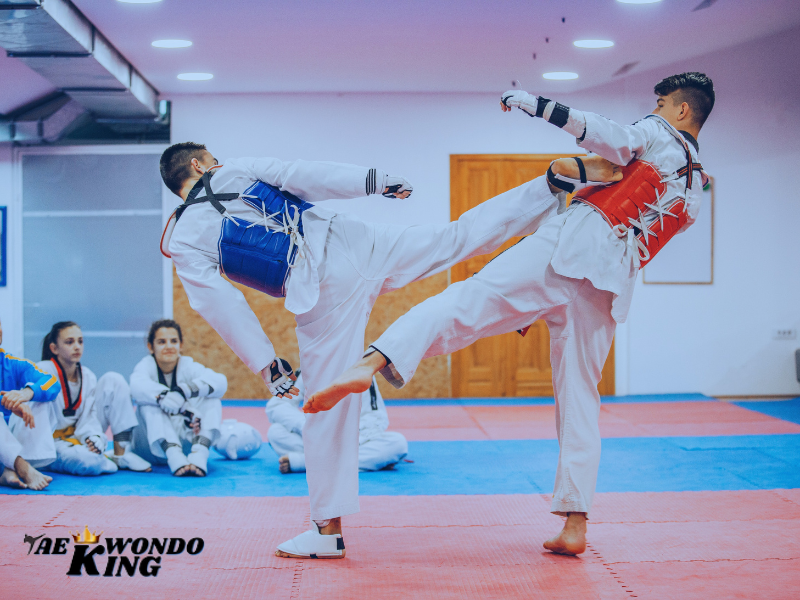
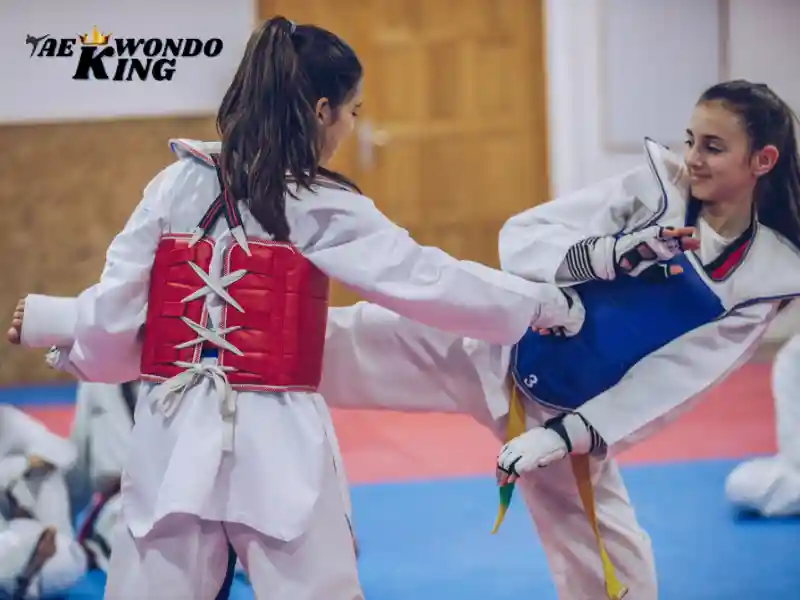
A general Olympic rules guide lists forearm guards, shin guards, gloves, sensing socks, and a mouth guard as required before entering the competition area. Headgear and a trunk protector are also part of normal competition gear.
Requirements can differ by age group and event type. Some events use electronic gear. Some do not. Always check the event rules for your competition.
Headgear and Instructions From the Referee
One federation document I found says the headgear goes on following the referee’s instructions before the contest starts. I could not verify whether that applies the same way everywhere.
It shows a good habit, though. Give clear, calm instructions. Make sure each athlete understands them.
Bowing and the Start of the Bout
The same Olympic guide says the rules call for a standing bow to the referee, then a bow to the opponent, before a match. This is part of the ritual start.
A good start sets the tone. Athletes feel it when the referee is calm and clear.
Rules Versions Matter
Here is a detail that catches people. Rules get updated. An event outline I saw for a December 2024 event said the WT Competition Rules as of October 1, 2024 would apply.
An Australian Taekwondo guide also says World Taekwondo introduced significant rule changes in June 2026. So a checklist written last year may already be outdated.
So the lesson is practical. Check which rules version your event uses. Review the newest rulebook before you go. And do not assume one event matches another.
My Step-by-Step Taekwondo Pre-Match Referee Checklist
Now the useful part. I split my checklist into four stages. Each stage answers one question.
This is my own structure. Change it to fit your event and your level.
Stage 1: Before the Session Starts (Ring and Equipment)
Arrive early. Look at the ring before anyone else steps on it. This is where you catch problems cheaply.
I would check these things:
- The mat is clean, flat, and has no gaps
- The boundary lines are clear and easy to see
- The scoreboard and any electronic systems are working
- Your ring has the officials it needs
One older rules document says the mat’s elasticity and slipperiness must be approved by the federation before competition. You do not approve the mat yourself. But if something feels wrong, tell the right person early.
Stage 2: Before Your Bout (Team Briefing)
Talk to the other officials at your ring. Agree on signals. Confirm who sits where. Confirm what to do if something goes wrong.
Keep it short. A two-minute chat beats a long argument in the middle of a bout.
I would also ask about anything new. For example, new rule changes. Or special event instructions. Do not wait until a problem happens.
Stage 3: At the Ring (Contestant Check)
This is the stage most people think of. The athletes arrive. You confirm they are ready.
Here is a simple table of what I look at.
| Item | What I look for |
|---|---|
| Trunk protector | Worn correctly, no visible damage |
| Headgear | Fits snugly, straps secure |
| Forearm and shin guards | Properly positioned, not slipping |
| Gloves | On both hands, not torn |
| Sensing socks | Both on, if the event uses them |
| Mouth guard | In place before the bout starts |
Notice I did not list “approved brand” here. Approved equipment lists come from the event. The inspection desk usually handles that. If you see something strange, send the athlete back to the right official.
Stage 4: Your Own Quick Check
Do a short check on yourself. Many people skip this.
Are your shoes comfortable? Are your hands free? Is your uniform neat? Have you had water? Do you know the starting positions?
It sounds silly. But a distracted referee makes poor calls. Take ten seconds to reset before you call the athletes in.
Pre-Match Checks for Electronic Scoring
Many big events use electronic protectors. One World Taekwondo event outline I found says a specific electronic protector and scoring system would be used, including electronic headgear.
If your event uses electronic gear, add a few steps to your referee checklist.
Confirm the System Is Ready
Before the bout, make sure the system shows both athletes correctly. Check that colors match what you expect.
If the gear is not registering, do not try to fix it yourself. Tell the right official. A quick message to the technical team is better than a delay with no plan.
What to Do When Something Looks Wrong
Here are a few common problems and the steps I would take. These are my suggestions, not official procedures.
| Problem | Quick step |
|---|---|
| Gear not connecting | Alert the technical official right away |
| Wrong color shown | Pause and confirm before starting |
| Athlete’s gear looks damaged | Send them to the inspection desk |
| Unsure about a gear rule | Ask the chief referee |
The pattern is simple. Pause. Ask. Then start. Starting a bout with a known problem is worse than a short delay.
Common Mistakes on a Taekwondo Pre-Match Referee Checklist
I want to share the traps I would watch for. Some of these are logical errors. A few show up often when people talk about officiating.
| Mistake | Better approach |
|---|---|
| Assuming the inspection desk caught everything | Do a quick visual check yourself |
| Rushing the start to save time | Take the extra 30 seconds to confirm |
| Skipping the officials’ briefing | Agree on signals before the bout |
| Using last year’s rules | Review the current rulebook |
| Fixing electronic issues yourself | Hand it to the right official |
Rushing Because the Schedule Is Tight
Schedules get tight. I understand the pressure. You want to keep the day moving.
But a rushed start often leads to a delay later. Fixing a gear problem mid-bout costs more time than checking before. I would rather lose 30 seconds at the start.
Ignoring Small Things That Bother Athletes
An athlete may look uncomfortable. Maybe a strap is loose. Maybe they seem confused about the order.
Do not ignore it. A quick word can calm a nervous athlete. It also shows you care about a fair bout.
What Beginners and Experienced Referees Do Differently
Beginners and experienced referees both follow a checklist. But I think their habits differ in small ways.
This is my own observation as a general idea, not a measured fact.
| Focus | Beginner habit | Experienced habit |
|---|---|---|
| Speed | Rushes through steps | Moves steadily, spots odd details |
| Communication | Waits to be told | Asks the team early |
| Rules | Relies on memory | Checks the current version |
How Beginners Can Build the Habit
Start small. Write your checklist on a card. Review it before each session. After a few events, you will know it by heart.
Then adjust. Add steps that fit your event. Remove steps that do not matter. A checklist should help you, not slow you down.
How Experienced Referees Can Stay Sharp
Experience can make you sloppy. You think you have seen everything. Then something new appears.
Rule changes are a good example. Keep reviewing. Keep asking. Treat each event like it might have a new detail.
Building Your Own Taekwondo Pre-Match Referee Checklist
You do not need to copy mine. Use it as a starting point.
Different events need different steps. A local club tournament is not the same as a big international event. Your list should match your situation.
Questions to Ask the Chief Referee
Before the event, I would ask a few direct questions. This is the fastest way to get the real answers.
- Which rules version applies to this event?
- Is electronic scoring used?
- Where is the equipment inspection done?
- Who do I tell about gear problems?
- Are there any special instructions today?
Short questions get clear answers. Ask politely, and ask early.
A Quick Reference Card
Here is the short version you can copy. Keep it on your phone or in your pocket.
| Moment | Quick check |
|---|---|
| Before the session | Ring, mat, lines, scoreboard |
| Before your bout | Brief the team, confirm signals |
| At the ring | Gear check, athlete readiness |
| Before you start | Your own reset, then the bow |
Adapting Your Pre-Match Referee Checklist to Different Events
One checklist rarely fits every event. A club tournament, a national event, and an international championship can feel very different.
I would keep a core list that never changes. Then I would add or drop steps based on the event. Here is how I think about it.
Club and Local Tournaments
Smaller events often have fewer staff. Gear checks may fall more on the referee. Electronic scoring may not be used at all.
In that setting, I would slow down my own gear check. I would also ask the organizer who handles problems. When teams are small, one person may do three jobs.
Larger Events With Electronic Scoring
At bigger events, more people share the work. There may be an inspection desk, technical staff, and a chief referee at each stage. That helps, but it adds communication steps.
Know who to call. Know where they sit. I would learn those names in the first hour. It saves time later.
Different Age Groups and Divisions
Age groups can have different gear rules. I’m not certain of the details for every division. One document I saw mentioned age-based Kukkiwon certificate rules for a junior championship, which shows how much can change by category.
So check the division rules each time. Do not rely on the last bout you officiated.
Communication Habits That Make the Checklist Work
A checklist is not only about gear. It is also about people. How you speak at the ring changes how smoothly everything goes.
I think of this as the quiet part of the checklist. Nobody writes it down. But everyone feels it.
Keep Your Instructions Short
Athletes are nervous before a bout. Long instructions get lost. Short, clear words work better.
Use the same phrases each time. Repeat them calmly. Athletes then know what to expect from you.
Watch for Language Gaps
At international events, athletes may not share your language. Plan for that. Use clear gestures. Keep your voice steady. Ask the event staff for help if needed.
I’m not citing any rule on this. It is common sense. A confused athlete cannot follow instructions, no matter how good they are.
Stay Calm When Coaches or Athletes Push Back
Sometimes an athlete or coach disagrees about gear. Stay polite. Point to the rule. If needed, bring in the chief referee.
Do not argue at the ring. That slows the day and makes everyone tense. A calm referee settles most pushback quickly.
A Short Mental Routine Before You Call the Athletes In
Gear and people are only part of it. Your mind needs a reset too. This is the piece I think many referees skip.
Between bouts, your head is still in the last one. A mistake might still bother you. A tough call may still replay in your mind.
Let the Last Bout Go
Take one slow breath. Shake out your hands. Tell yourself the last bout is over.
This sounds small. But carrying a bad call into the next bout is how errors stack up. A clean reset helps you start fresh.
Review Your Positions and Signals
Run through the start. Where do you stand? Where will the athletes stand? What signals will you use first?
Doing this in your head takes ten seconds. It also helps you look confident, which calms the athletes.
Frequently Asked Questions
These answers are short so you can scan them fast.
What is a taekwondo pre-match referee checklist?
It is a short list of things a referee confirms before a bout starts. It usually covers the ring, the team, the athletes’ gear, and the referee’s own readiness. I could not find one single official version. So most referees build their own from event rules.
Do referees check athletes’ equipment before a match?
Often, yes. Many events have an inspection desk that checks gear first. Referees also do a quick visual check at the ring. How it works can differ by event.
What protective gear is required in taekwondo competition?
General guides list forearm guards, shin guards, gloves, sensing socks, and a mouth guard, plus headgear and a trunk protector. The exact list can depend on the event and age group. Check your event’s rules.
What should a referee do if the electronic scoring gear fails?
I would pause and alert the technical official. I would not try to fix it myself. Check your event’s procedure for the official steps.
Do the rules change often?
They can. One event outline I saw cited rules dated October 1, 2024. An Australian guide mentions major changes in June 2026. Always check the current version.
Final Thoughts
My biggest lesson is simple. A good bout starts before the first kick. A short, steady checklist keeps small problems from turning into big ones. It also helps you stay calm.
But keep this in mind. My checklist is a tool, not a rulebook. Your event rules come first, and they can change. Ask your chief referee, read the current rules, and adjust the list as you learn. Start with a few steps you will actually use. Over time, make it your own.

Founder, Owner, and CEO of TaekwondoKing.
He is one of the top 100 martial artists in the World and among the top 20 referees in Bangladesh.
Ehatasamul Alom is an esteemed Kukkiwon Certified Taekwondo 3rd Dan Black Belt with over 15 years of experience in this dynamic martial art. Born in Rajshahi, Bangladesh, Ehatasamul’s journey with Taekwondo began at the tender age of seven. His passion led him to compete at national and international levels, where he has bagged numerous awards and honors. He is also a member of the Taekwondo National Referee Panel.
With a Bachelor’s degree in Sports Science from the prestigious Rajshahi University, Ehatasamul has a deep understanding of the technical and scientific aspects of martial arts and some other martial arts.
In 2022, Ehatasamul created the “TaekwondoKing.com” to share his knowledge, Free Resources, Values, and Real experiences. His articles focus on Taekwondo training techniques, competition strategies, Sport Products Reviews, and the art’s rich history and philosophy. He also writes about the importance of mental fortitude and discipline, key aspects of his teaching philosophy. He has already launched many sports, Taekwondo, and health-related Free online tools. His goal is to inspire both beginners and seasoned practitioners worldwide through insightful and engaging content.
If you need any help, contact Ehatasamul Alom at any time.