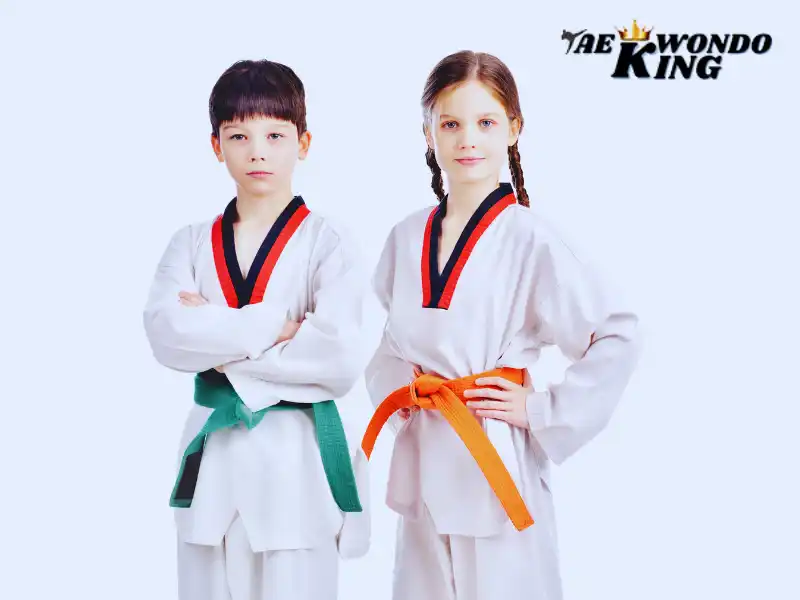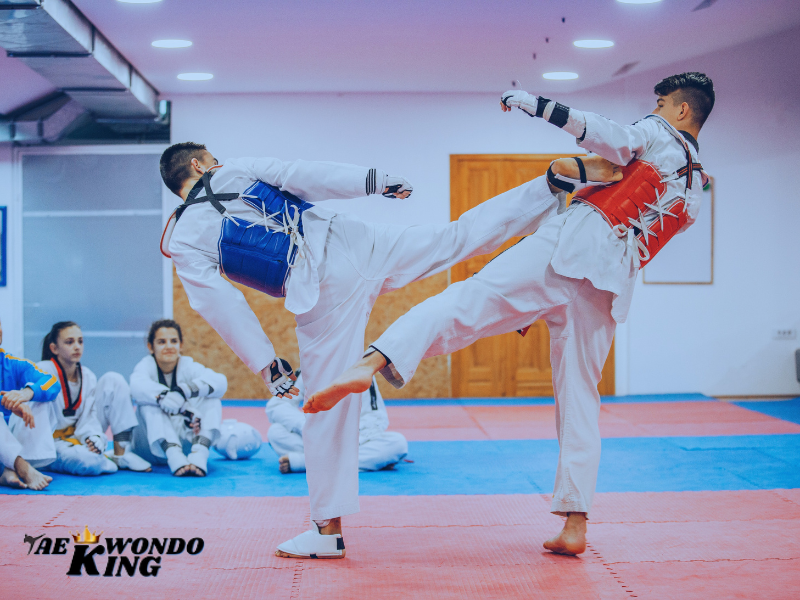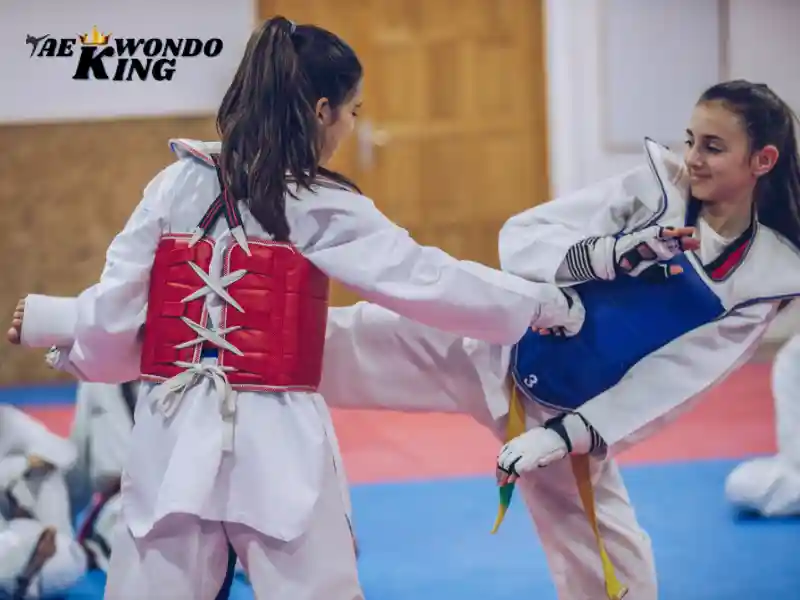
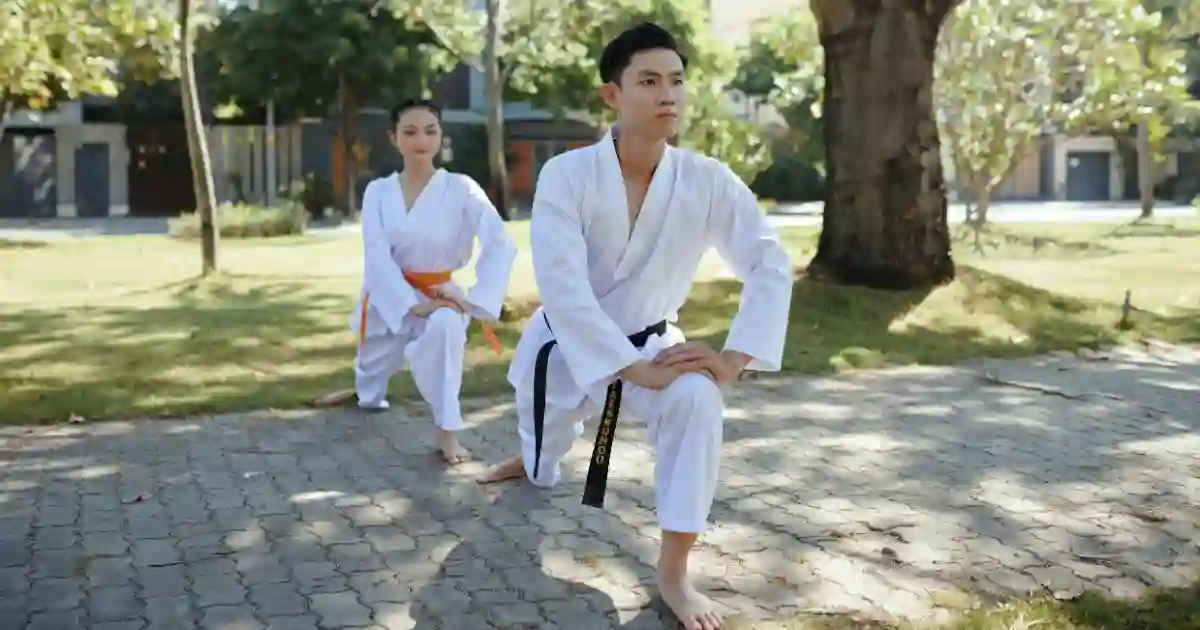
I still remember a Tuesday class in Portland, Oregon, when half my students went straight into high kicks with cold legs. One girl tweaked her hamstring in the first five minutes. That night taught me more about warm up drills for taekwondo class than any manual ever did. A good warm up is not filler. It is the part of class that keeps your students safe and ready to learn. In this guide I will walk you through the exact drills, timing, and coaching cues I use every week, based on my own mat time and on taekwondo martial arts expert experience built over years on the floor.
Why Is a Warm-Up Important in Taekwondo Class?
A good warm up should do more than make students sweat. It should raise body heat step by step. It should improve how the body moves. Also, It should get joints and muscles ready for kicking. It should also get the mind ready for training. This is the same message shared across most guides on the taekwondo martial arts for kids programs I have reviewed, where safe movement always comes before skill work.
What happens to your body during a warm-up?
Your body goes through small but real changes in a few short minutes.
- Body temperature rises step by step
- Muscles and joints move more freely
- Blood flow to the legs and arms increases
- The body gets ready for fast movement
- The mind shifts from daily life into training mode
These changes matter more than most new coaches think. Skipping them raises the chance of strain, which ties into the same risks covered in most common injuries in taekwondo.
Why Taekwondo needs a special type of warm-up
Taekwondo is not a normal gym workout. It asks the body to do things few other sports ask for.
- Fast kicks thrown from a standing base
- Deep hip rotation on almost every technique
- Balance on one leg for long stretches
- Quick changes between stances
- Jumping, spinning, and sudden stops
- Repeated stress on the knees and ankles
Because of this, a plain jog and a few stretches will not cut it. The warm up has to match the sport, in the same way the drills used for taekwondo sparring tkd match the pace of a real match.
Dynamic warm-up vs. static stretching
This part confuses a lot of beginners, so let me keep it simple.
Dynamic movement means you stretch while you move. Think leg swings or walking lunges. This type of movement should open every class. Static stretching means you hold a stretch without moving. This works better later in class or during cool down. Do not turn your first five minutes into a long sit and stretch session. Warm up and flexibility training are two different jobs, a point I cover in more depth in flexibility is the most important part of Taekwondo training.
World Taekwondo’s current coaching material uses dynamic stretching and movement drills to raise joint mobility and body heat before training.
How Long Should a Taekwondo Warm-Up Last?
There is no single perfect number here. What matters is matching the length to your class type and time on the floor.
5-minute warm-up for a short class
Use this order when time is tight.
- Easy movement across the floor
- Quick joint mobility work
- Dynamic leg movements
- Basic footwork
- Low intensity kicks
10-minute standard class warm-up
Split this block into four short parts.
- 2 minutes of general movement
- 3 minutes of mobility work
- 3 minutes of dynamic movement
- 2 minutes of Taekwondo specific prep
15 to 20 minute competition or hard training warm-up
Longer sessions need a fuller build up.
- Jogging
- Dynamic mobility
- Agility work
- Footwork drills
- Controlled kicking
- Reaction work
- Steady rise in intensity
World Taekwondo’s 2025 youth Kyorugi training plan uses a 20 minute warm up with jogging, high knees, sprinting, torso twists, toe touches, jumping, turning, knee work, shoulder rolls, and step ins.
20 Best Warm-Up Drills for Taekwondo Class
This is the heart of the guide. Each drill below includes how to do it, a rough time or rep count, what it prepares, and one coaching cue you can use tonight.
1. Light Jog
Start slow and build pace across the floor. Keep the arms relaxed and loose.
Coach cue: “Warm up. Don’t race.”
2. High Knees
Alternate knees while keeping the torso upright. Start low and raise knee height as the body warms.
This move preps the hip flexors used during chambering, which supports the footwork covered under taekwondo moves.
3. Butt Kicks
Bring the heel toward the glutes on each step. Keep the knees pointing down and stay light on the feet.
4. Side Shuffle
Move left, then right, with knees slightly bent. Never cross the feet during the shuffle.
This drill builds the lateral base needed for sparring footwork.
5. Forward and Backward Shuffle
Take short steps while holding a guard position. Stay balanced through each direction change.
6. Walking Knee Hugs
Step forward, pull one knee to the chest, then release. Switch legs and repeat down the floor.
7. Walking Lunges
Take a controlled stride and keep the front knee stable. Do not rush through the movement.
8. Leg Swings
Swing one leg front to back, then side to side, holding a wall or partner for balance. Keep the motion controlled rather than forced.
9. Hip Circles
Place hands on the hips and draw small circles. Widen the range slowly as the hips loosen.
10. Ankle Rolls and Calf Raises
Roll each ankle, then rise onto the toes a few times. Feet carry the balance and speed that define Taekwondo footwork.
11. Torso Twists
Rotate the upper body gently while the feet stay planted. Progress the range slowly.
World Taekwondo includes torso twist movement in its published warm up examples.
12. Arm Circles and Shoulder Rolls
Circle the arms forward, then backward, followed by loose shoulder rolls. This keeps the upper body relaxed for guard work.
13. Dynamic Toe Touches
Step or move while reaching toward the toes. Avoid bouncing hard into the stretch.
14. Low Front Kick Warm-Up
Chamber the knee, extend lightly, retract, then step and switch legs. This is a warm up kick, not a full power kick.
15. Slow Roundhouse Kick
Chamber slowly, turn the support foot, extend with control, then re-chamber. This rehearses the exact mechanics you teach in class.
16. Knee Chamber Drill
Lift the knee, hold briefly, then return and switch legs. This is one of the best tools for teaching beginners to control the chamber before adding speed.
17. Stance-to-Stance Movement
Move between walking stance, fighting stance, front stance, and back stance. Keep the pace moderate throughout.
18. Cone or Line Shuffle
Use floor lines, cones, or a belt as a marker. Add forward, backward, and side to side movement around them.
19. Reaction Drill
Call out directions such as forward, back, left, right, or kick. Keep the tone fun since this is where the class starts to wake up.
20. Light Shadow Kyorugi
Finish with 30 to 60 seconds of footwork, guard movement, and light kicks. Avoid going full speed too early in the drill.
A simple resistance band set, like this one on Amazon, can add light tension to leg swings and hip circles without straining the joints.
Best Taekwondo Warm-Up Drills by Training Goal
Every class has a different purpose, and the warm up should reflect that purpose.
Warm-up drills for kicking
- Knee chambers
- Leg swings
- Slow front kicks
- Slow roundhouse kicks
- Controlled side kicks
- Hip mobility work
A light ankle weight set, available here on Amazon, can help older students build control during slow kick reps.
Warm-up drills for sparring
- Footwork drills
- Shuffles
- Reaction drills
- Light shadow Kyorugi
- Direction changes
- Short bursts of acceleration
Look Warm-up drills for Poomsae
- Joint mobility
- Stance transitions
- Balance work
- Torso rotation
- Controlled stepping
- Coordination drills
Warm-up drills for flexibility
A warm up is not the same as a full flexibility session, a distinction I explain further in taekwondo first learning technique.
- Hip mobility
- Hamstring mobility
- Adductor mobility
- Ankle mobility
- Controlled leg swings
Warm-up drills for beginners
Beginners need simpler movement patterns.
- Walking
- Jogging
- High knees
- Arm circles
- Knee lifts
- Basic stance changes
- Low kicks
Skip complex spinning and jumping drills at the start, a rule that also applies to the routines in taekwondo for beginners.
Taekwondo Warm-Up Routine for Beginners
New students need a routine simple enough that you are not stuck explaining it for ten minutes.
10-minute beginner warm-up
| Minute | Focus |
|---|---|
| 1 to 2 | Light jog and direction changes |
| 3 | High knees and butt kicks |
| 4 | Arm circles and shoulder rolls |
| 5 | Hip circles and ankle mobility |
| 6 | Walking lunges |
| 7 | Leg swings |
| 8 | Knee chambers |
| 9 | Slow front kicks |
| 10 | Light footwork and shadow movement |
This short table works well as a printed sheet for new instructors who need a quick reference on the floor.
Beginner mistakes to avoid
- Kicking too high too soon
- Stretching with force
- Racing through the drills
- Copying advanced students
- Locking the knees
- Ignoring pain
- Turning warm up into punishment
These same mistakes show up often in the stories shared under why women fail in martial arts, where rushed basics led to early setbacks.
Taekwondo Warm-Up Routine for Kids and Youth Classes
Youth classes should not copy an adult competition warm up. USOPC coaching guidance points to developmentally fit drills and physical literacy, including agility, balance, and coordination.
Make warm-ups feel like games
- Follow the leader
- Mirror drill
- Coach says
- Cone races
- Number reaction game
- Animal movement
- Freeze and go game
These games pair well with the structured play found in ultimate guide to teaching kids taekwondo.
Keep kids moving instead of making them wait
Long lines drop attention fast in young classes. Use small stations or pairs so no one stands still for long.
Adjust drills by age and ability
Split your group into young beginners, older beginners, intermediate students, and advanced youth competitors, and scale each drill to fit.
Safety considerations for young athletes
- Age appropriate intensity
- Rest breaks
- Hydration
- Heat awareness
- Technique before speed
- Clear talk with parents and coaches
ACSM’s youth sport guidance stresses rest, recovery, proper technique, and coach involvement to help prevent overuse issues, a theme also covered in which martial arts for kids.
Taekwondo Warm-Up Drills for Sparring and Kyorugi
Sparring asks for more than loose muscles. Students need to accelerate, stop, react, balance, and kick from shifting positions.
Footwork warm-up
- Forward and backward steps
- Lateral shuffle
- Stance switching
- Small pivots
Reaction warm-up
- Visual cue
- Voice cue
- Hand signal
- Partner movement
Progressive kicking warm-up
- Low speed front kick
- Low speed roundhouse
- Simple combination
- Light partner movement
- Controlled reaction
A set of hand target pads, such as this Amazon option, works well for the reaction and light kicking stages without adding hard impact too early.
When should sparring intensity increase?
Follow this order: move, mobilize, rehearse, react, then accelerate. Never open class with max speed spinning kicks, a rule that lines up with the pacing advice in taekwondo kyorugi rules wt.
Taekwondo Warm-Up Drills for Different Class Goals
A coach should shift the warm up based on what comes next in class. This keeps training fresh and avoids the same routine every single Tuesday.
| Class Goal | Best Warm-Up Focus | Example Drills |
|---|---|---|
| Beginners | General movement | Jogging, high knees, mobility |
| Kicking | Hip and leg prep | Leg swings, chambers, slow kicks |
| Kyorugi | Footwork and reaction | Shuffles, pivots, reaction drills |
| Poomsae | Balance and coordination | Stances, torso rotation, stepping |
| Conditioning | Rising intensity | Jogging, shuttles, dynamic movement |
| Competition | Sport specific prep | Footwork, reaction, controlled kicks |
World Taekwondo’s coaching plans move from general movement toward sport specific kicking and Kyorugi work, a flow you can also see in taekwondo poomsae rules wt.
A Coach’s 15-Minute Taekwondo Warm-Up Plan
Use this as a ready made plan for a full dojang class.
| Time | Drill | Intensity | Purpose |
|---|---|---|---|
| 0 to 2 min | Light jog | Low | Raise temperature |
| 2 to 4 min | High knees and butt kicks | Low to moderate | Leg prep |
| 4 to 6 min | Arm, hip, ankle mobility | Low | Joint movement |
| 6 to 8 min | Lunges and leg swings | Moderate | Dynamic mobility |
| 8 to 10 min | Stance and footwork | Moderate | Taekwondo movement |
| 10 to 12 min | Knee chambers and slow kicks | Moderate | Skill rehearsal |
| 12 to 14 min | Reaction drill | Moderate | Coordination |
| 14 to 15 min | Light shadow Kyorugi | Moderate | Class specific prep |
A basic jump rope, found on Amazon here, fits nicely into the first two minutes for classes that want extra cardio before the jog.
How to coach this routine
- Demonstrate the drill once
- Keep instructions short
- Fix only major errors early on
- Raise intensity step by step
- Watch tired or uncomfortable students
- Move straight into the main lesson
What the coach should be watching
Look for limping, poor balance, pain, heavy fatigue, poor landing, rushing, or students struggling to follow instructions. These signs matter just as much as anything covered in taekwondo safety and medical rules.
Warm-Up Drill Comparison: What Should You Use?
Use this table to pick the right drill fast instead of testing every option on your own.
| Drill | Beginner Friendly | Kicking Prep | Sparring Prep | Mobility | Intensity |
|---|---|---|---|---|---|
| Light jog | Yes | Medium | Medium | Low | Low |
| High knees | Yes | High | High | Low | Medium |
| Leg swings | Yes* | High | Medium | High | Low |
| Knee chambers | Yes | Very high | High | Medium | Low |
| Side shuffle | Yes | Medium | Very high | Low | Medium |
| Shadow Kyorugi | Intermediate | High | Very high | Low | Medium |
| Reaction drill | Yes | Medium | Very high | Low | Medium |
| Sprint drill | Advanced | Medium | High | Low | High |
*Use a controlled range for beginners.
An agility ladder, like this one on Amazon, pairs well with the side shuffle and reaction drill rows above.
Common Taekwondo Warm-Up Mistakes
These mistakes show up often in problem based searches like should I stretch before Taekwondo.
Starting with maximum kicks
The body is not fully prepared. Technique can turn sloppy. Students may force range of motion they do not have yet.
Holding long static stretches at the start
Warm up and flexibility work serve two different goals, as covered earlier in this guide and in flexibility is the most important part.
Making every class use the same warm-up
A sparring class and a Poomsae class do not need the same prep, a point that lines up with the goal based table above.
Turning warm-up into punishment
Avoid excessive burpees, endless push ups, punishment laps, or max sprints. The opening warm up should prepare students for training, not drain them before the lesson starts.
Ignoring individual differences
Factor in age, experience, fitness, mobility, past injury, and class goal. This same care shows up in guidance for taekwondo for adults returning to the mat after time away.
USA Expert Advice for Taekwondo Coaches
There is no single universal perfect warm up. What follows is guidance drawn from established sports bodies rather than one opinion.
What U.S. sports-performance guidance emphasizes
USOPC coaching guidance points coaches toward age appropriate practice, agility, balance, coordination, athlete focused coaching, and development over raw intensity.
Expert reference: Andrew Gregory, MD, FACSM
Dr. Gregory appears in ACSM’s youth sport injury prevention material. His broader guidance touches on proper technique, rest and recovery, strength training, avoiding overuse, and open talk between athletes, parents, and coaches. I am not quoting him directly here, since I have not confirmed an exact statement tied to Taekwondo warm ups, but his expertise backs the structure used across this guide.
What this means inside a U.S. dojang
A Tuesday evening class in Texas, California, New York, or Ohio may hold beginners, teens, and seasoned competitors on the same floor. The warm up has to work for the whole room, not just one coach’s favorite drill, which is exactly why the goal based tables above matter so much.
How to Build Your Own Taekwondo Warm-Up
Use this five step formula to build a routine that fits your own class.
Step 1: Raise body temperature
Pick from jogging, skipping, light footwork, or high knees.
Step 2: Mobilize key joints
Target the ankles, knees, hips, spine, and shoulders in that order.
Step 3: Add dynamic movement
Bring in leg swings, lunges, shuffles, and direction changes.
Step 4: Rehearse Taekwondo skills
Choose drills tied to the class ahead, such as kicks, stances, footwork, Poomsae movement, or Kyorugi movement.
Step 5: Raise intensity gradually
Close with reaction work, shadow sparring, faster footwork, or controlled combinations, similar to the closing drills in taekwondo moves.
How to Know When Students Are Ready for Class
Skip the rigid heart rate target and watch for real signs instead.
Good signs
Students move freely, breathing rises slightly, movement looks coordinated, basic kicks show control, no pain shows up, and the group stays mentally engaged.
Signs to slow down
Watch for sharp pain, dizziness, odd shortness of breath, loss of coordination, limping, heavy fatigue, or students unable to follow basic instructions.
For anything safety sensitive, follow your facility’s emergency plan and proper medical guidance rather than guessing at an injury on the floor. Youth sport policy guidance also calls for a clear emergency action plan at every practice and event, a standard echoed in taekwondo gms rules and regulations.
Frequently Asked Questions About Taekwondo Warm-Up Drills
What are the best warm-up drills for Taekwondo?
A strong warm up mixes general movement, dynamic mobility, footwork, and low intensity kicking, all covered in the 20 drills listed above.
How long should you warm up before Taekwondo?
Length depends on age, class type, room setting, and training intensity, with a practical range of 5 to 20 minutes.
Should I stretch before Taekwondo?
Use dynamic movement before training. Save longer static flexibility work for later in class or for cool down.
What is the best warm-up before Taekwondo sparring?
Lean on progressive footwork, reaction drills, mobility work, and controlled kicking before any full speed exchange.
How do kids warm up for Taekwondo?
Kids respond best to games, movement, coordination work, balance drills, and age fit intensity rather than adult style routines.
Can beginners do the same Taekwondo warm-up as advanced students?
Yes, but intensity, complexity, range of motion, and speed should scale down for newer students.
Should you kick hard during a Taekwondo warm-up?
No. Early kicks should stay controlled, with intensity rising step by step across the session.
What should I avoid during a Taekwondo warm-up?
Skip aggressive stretching, max power kicks, heavy fatigue, and any choice to push through real pain.
Final Recommendation
After years of coaching and competing, I trust one rule above all else: match the warm up to the class, not the other way around. If you coach beginners, keep it simple and slow. If you coach sparring, build toward reaction and footwork. Also, If you coach kids, make it feel like play. I have watched cold, rushed warm ups cause more setbacks than any hard sparring round ever did. Pick a handful of drills from this guide, build a routine your students can repeat without confusion, and adjust it as your room changes. That single habit has kept my own classes safer, sharper, and far more ready to learn real Taekwondo.

Founder, Owner, and CEO of TaekwondoKing.
He is one of the top 100 martial artists in the World and among the top 20 referees in Bangladesh.
Ehatasamul Alom is an esteemed Kukkiwon Certified Taekwondo 3rd Dan Black Belt with over 15 years of experience in this dynamic martial art. Born in Rajshahi, Bangladesh, Ehatasamul’s journey with Taekwondo began at the tender age of seven. His passion led him to compete at national and international levels, where he has bagged numerous awards and honors. He is also a member of the Taekwondo National Referee Panel.
With a Bachelor’s degree in Sports Science from the prestigious Rajshahi University, Ehatasamul has a deep understanding of the technical and scientific aspects of martial arts and some other martial arts.
In 2022, Ehatasamul created the “TaekwondoKing.com” to share his knowledge, Free Resources, Values, and Real experiences. His articles focus on Taekwondo training techniques, competition strategies, Sport Products Reviews, and the art’s rich history and philosophy. He also writes about the importance of mental fortitude and discipline, key aspects of his teaching philosophy. He has already launched many sports, Taekwondo, and health-related Free online tools. His goal is to inspire both beginners and seasoned practitioners worldwide through insightful and engaging content.
If you need any help, contact Ehatasamul Alom at any time.