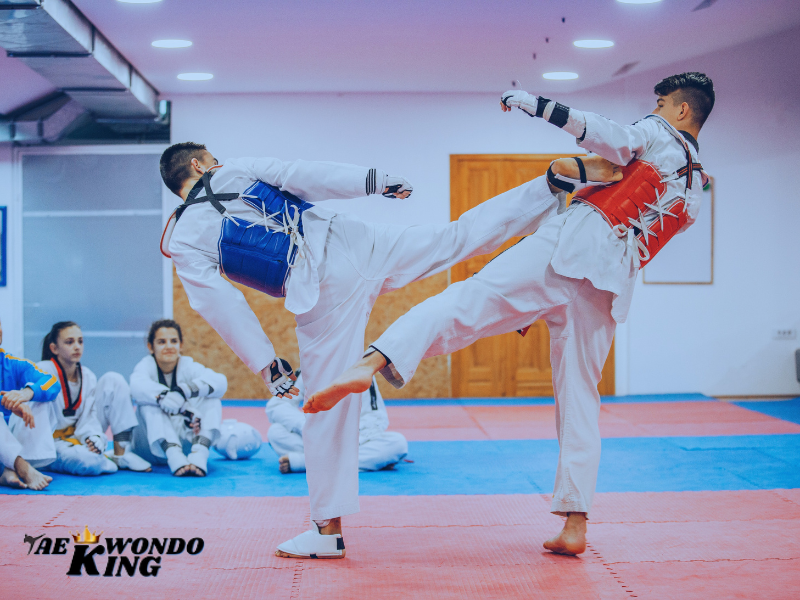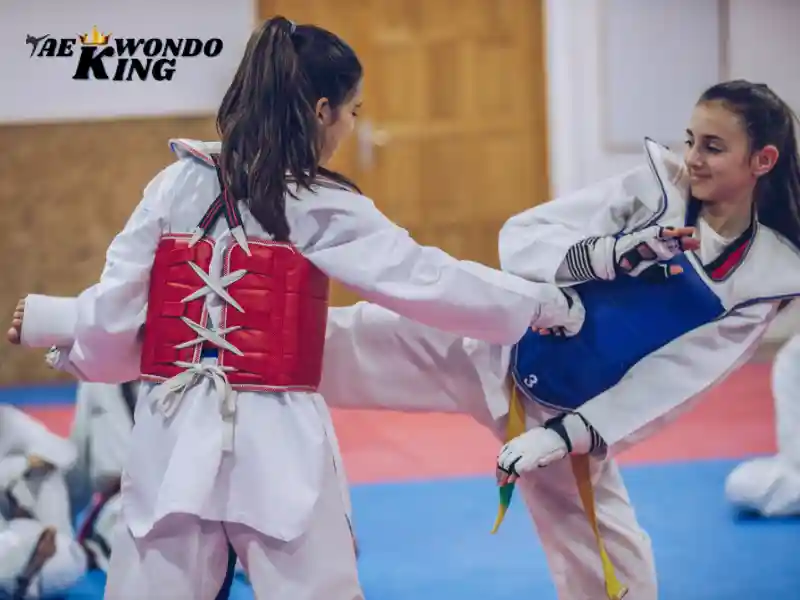

A ten year old boy stood next to me after class in Denver, Colorado, staring at his same colored belt for the third month in a row. He asked one simple question. Why is everyone else moving faster than me? I have heard that question more times than I can count, from kids and adults alike. Why belt progress feels slow comes down to a handful of honest reasons, and almost none of them mean you are actually falling behind. This guide walks through what instructors really evaluate, why comparison quietly wrecks motivation, and how to keep improving even when the belt around your waist stays the same color for a while.
Why Belt Progress Often Feels Slower Than Expected
Most students hit this feeling at some point in training. The gap between daily effort and a visible reward can make steady improvement feel completely invisible.
The Psychology of Slow Progress
Our brains crave quick, visible proof that hard work is paying off. Belt promotions arrive on a schedule set by skill and readiness, not by how badly we want the next color, which creates a natural mismatch between expectation and reality.
Why Beginners Expect Faster Promotions
New students often judge their progress against video games or school grades, where effort translates almost instantly into a reward. Martial arts rarely works that way, and understanding this early saves a lot of unnecessary frustration. Once a student accepts that promotion follows readiness rather than a fixed calendar, training itself becomes far more enjoyable.
Skill Growth Isn’t Always Visible
A sharper stance, a faster reaction, or better balance rarely shows up on a scoreboard. These changes build quietly under the surface long before a belt promotion ever reflects them.
Small Improvements Add Up Over Time
One cleaner kick this week barely registers on its own. String enough of those small wins together, though, and the transformation becomes obvious to everyone watching, including your instructor.
Comparing Yourself to Others
Every student trains on a different schedule, with different strengths and a different starting point. Measuring your journey against someone else’s timeline almost always leads to a distorted, unfair picture of your own progress.
How Taekwondo Belt Promotions Actually Work
Belt promotions rely on far more than simple time spent in class. Instructors weigh consistency, character, technique, and overall readiness, not just attendance records.
Time in Grade Requirements
Most schools set a minimum number of months or classes required before a student becomes eligible to test. This baseline protects the integrity of every belt earned above it, and it also gives slower developing skills enough time to actually take root before the next challenge arrives.
Instructor Evaluation
Instructors watch how students behave in ordinary classes, not just during formal testing. A student’s daily habits often matter more than a single strong performance on test day, since consistency reveals character in a way that one test simply cannot.
Technical Skill Assessment
Stances, kicks, blocks, and strikes all get evaluated for accuracy and control during testing. Power alone rarely impresses an experienced instructor without proper form behind it, since poor technique tends to break down under real pressure.
Physical Development
Strength, flexibility, and coordination naturally improve with age and consistent training. Instructors factor this development into their expectations for each individual student, which is part of why two students of different ages rarely test on the exact same timeline.
Mental Maturity
Focus, patience, and self control matter just as much as physical technique, especially as students move toward higher belt ranks and more responsibility within the dojang. Instructors often describe this as the hardest quality to teach directly, since it develops mostly through lived experience on the mat.
School Specific Grading Standards
Every taekwondo school sets its own specific standards for promotion, which means direct comparisons between different schools rarely tell the full story. A blue belt at one school might represent similar skill to a purple belt somewhere else entirely.
Table 1: What Instructors Evaluate During Belt Promotion
After years of watching grading exams, one thing becomes clear. Instructors rarely focus on flashy kicks alone. They look for steady habits that last well beyond testing day.
| Evaluation Area | Why It Matters |
|---|---|
| Technique | Accuracy and control |
| Attendance | Consistent effort |
| Poomsae | Precision and memory |
| Sparring | Decision making and control |
| Etiquette | Respect and discipline |
| Attitude | Coachability and resilience |
| Fitness | Strength, flexibility, endurance |
Common Reasons Belt Progress Feels Slow
Feeling stuck does not always mean you are actually stuck. Sometimes the biggest improvements happen quietly, without an immediate belt promotion to show for them.
Training Only Once a Week
A single weekly class limits how quickly muscle memory and technique develop. Students who add just one more session often notice a real difference within a few weeks.
Missing Classes
Skipped classes create small gaps in learning that add up over months. Consistency, even at a modest pace, beats occasional intense bursts of training.
Inconsistent Practice at Home
Skills fade quickly without repetition outside of class. A few minutes of daily practice at home reinforces what gets taught during regular sessions.
Focusing Only on Promotions
Chasing the next belt above everything else often leads to rushed technique and shortcuts. Ironically, this mindset tends to slow progress rather than speed it up.
Plateaus in Skill Development
Every student hits a plateau eventually, where progress seems to stall no matter how hard they train. This is a completely normal part of the learning curve, not a sign of failure, and it usually resolves once a new challenge finally clicks into place.
Fear of Making Mistakes
Students who avoid trying difficult techniques out of fear rarely improve as quickly as those willing to fail and adjust along the way. Mistakes made during practice cost nothing, while mistakes avoided out of fear quietly cost real progress over time.
Learning More Advanced Techniques
Higher belts introduce harder combinations and more demanding poomsae, which naturally slows the pace of visible improvement even as real skill continues growing underneath. This is one of the least talked about reasons progress feels slower the further along a student gets.
Signs You’re Improving Even Without a New Belt
Progress often shows up in small wins that are easy to overlook entirely. Recognizing them can completely change how you see your own training.
Better Balance
Standing steady during a spinning kick or a sudden stop signals real core strength and body control developing under the surface. This kind of stability rarely shows up in a testing rubric, yet instructors notice it immediately.
Stronger Kicks
More powerful kicks, even without a belt promotion, reflect genuine gains in strength, flexibility, and technique working together. A student who trains consistently will usually feel this improvement in their own body before anyone else notices it.
Faster Reactions
Reacting quicker during sparring or partner drills shows your reflexes and pattern recognition are sharpening with every session. This kind of growth often appears well before any noticeable jump in raw kicking power.
Improved Flexibility
Deeper stretches and higher kicks over time reflect consistent flexibility work, one of the most overlooked forms of progress in martial arts training.
More Confidence During Sparring
Feeling calmer and more decisive during sparring rounds is a clear sign your skills and mindset are both maturing together. Confidence like this rarely appears overnight, and it usually reflects months of accumulated repetition.
Cleaner Poomsae
Smoother transitions and sharper stances during forms practice show growing muscle memory, even if the belt around your waist has not changed yet. A poomsae that once felt choppy can start to feel almost automatic with enough practice.
Better Endurance
Lasting longer through a full class without exhaustion points to real cardiovascular and muscular improvement building steadily over time. Students often notice this shift first as an easier warm up rather than a dramatic change anywhere else.
Calmer Mindset
Staying composed under pressure, whether during testing or sparring, reflects a deeper level of mental growth that belts alone cannot measure. This calmness tends to carry over into daily life well outside the walls of the dojang.
Table 2: Hidden Progress vs Visible Progress
One of my students once smiled after landing a controlled counterkick for the very first time. There was no new belt that day, but that moment showed real growth happening underneath the surface.
| Hidden Progress | Visible Progress |
|---|---|
| Better timing | New belt |
| Improved confidence | Certificate |
| Cleaner technique | Stripe promotion |
| Faster recovery | Tournament medal |
| Better focus | Rank advancement |
Why Comparing Yourself to Others Slows Your Growth
Every student starts training with different strengths, schedules, and natural learning speeds. Fair comparisons between two different journeys are surprisingly rare.
Different Training Frequency
A student attending three classes a week will naturally progress faster than one attending once a month, regardless of raw talent involved. Adding even one extra home practice session with a home training mat and mirror setup from Amazon can help close that gap between school sessions.
Previous Martial Arts Experience
Students arriving with prior experience in another discipline often adapt faster to certain movements, which can make early comparisons misleading.
Age and Physical Development
Younger children and adults develop coordination and strength at very different rates, making age an important factor in any honest comparison.
Individual Learning Styles
Some students grasp poomsae quickly but need more time with sparring, while others show the opposite pattern entirely. Both paths are equally valid.
Instructor Expectations
Different instructors set different pacing and standards for their students, which means promotion timelines can vary significantly even within the same overall style.
The Skills That Matter More Than Belt Color
Belts recognize progress along the way, but they never fully define your actual ability. Strong fundamentals stay with you long after any single promotion.
Discipline
Showing up consistently, even on days when motivation runs low, builds a foundation that eventually outlasts every belt color you will ever earn.
Consistency
Steady, repeated effort compounds over months and years into skill that no shortcut can replicate, regardless of how talented a student might be. This is the one factor almost entirely within a student’s own control, unlike natural athleticism or age.
Respect
Respect for instructors, training partners, and the art itself shapes character far beyond anything a colored belt can represent on its own. This value tends to show up quietly in how a student treats lower ranked classmates.
Self Control
Managing emotions and impulses under pressure, especially during sparring, reflects a maturity that belt testing alone cannot fully capture. Instructors often watch how a student handles frustration far more closely than how well they land a single kick.
Problem Solving
Adjusting technique mid combination or adapting to an unexpected opponent builds real world problem solving skills that extend well beyond the dojang. Students often carry this exact skill into school, work, and everyday challenges without even realizing it.
Adaptability
Students who adjust quickly to new techniques, partners, or instructors tend to progress faster and handle setbacks with far more resilience. This flexibility often matters more than raw athleticism once training reaches an intermediate level.
Leadership
Helping newer students, even informally, builds leadership qualities that many schools specifically look for at higher belt levels. A student who naturally steps into that mentoring role often stands out to instructors long before any formal test.
Practical Ways to Speed Up Your Improvement
You cannot rush a promotion directly, but you absolutely can improve the habits that naturally lead toward one. Small, consistent actions usually beat occasional intense training sessions.
Attend Classes Regularly
Consistent attendance builds muscle memory and keeps skills sharp between testing cycles, which instructors notice even without saying so directly. Keeping a dedicated gym bag for your uniform and gear from Amazon packed and ready by the door removes one small excuse for missing a class on a busy week.
Practice Poomsae Daily
A few focused minutes of daily poomsae practice reinforces precision far more effectively than a single long session once a week.
Improve Flexibility
Daily stretching routines improve kicking height and overall movement quality, both of which instructors watch closely during evaluation. A dedicated stretching mat from Amazon makes it easier to build a short daily routine at home. Our detailed guide on why flexibility matters so much in taekwondo covers specific stretches worth adding to your routine.
Record Your Techniques
Filming your own poomsae or sparring reveals habits you cannot feel in the moment, from dropped guards to uneven stances. A simple phone tripod stand from Amazon makes this kind of self review far easier to set up at home before or after class.
Ask Instructors for Feedback
Direct, specific feedback from your instructor often reveals exactly what stands between you and your next promotion, rather than leaving you guessing. Most instructors welcome this kind of question far more than students expect.
Train With Different Partners
Sparring and drilling with a variety of partners exposes you to different styles and speeds, accelerating adaptability far faster than repetition alone. A student who only ever trains with the same one or two partners tends to develop noticeable blind spots over time.
Set Process Based Goals
Focusing on process goals, like practicing kicks for fifteen minutes daily, builds momentum in a way that fixed outcome goals rarely manage on their own.
Table 3: Weekly Training Habits That Build Faster Progress
The students who improve most are not always the most naturally talented. They are often simply the ones who keep showing up, even on rainy Tuesday evenings when motivation runs low.
| Habit | Time |
|---|---|
| Stretching | 15 minutes |
| Poomsae | 20 minutes |
| Kicking drills | 20 minutes |
| Fitness | 30 minutes |
| Sparring review | 15 minutes |
| Goal tracking | 10 minutes |
A set of kicking pads and target mitts from Amazon makes the kicking drill portion of this schedule far more effective, since striking a real target sharpens accuracy in a way that air kicks alone cannot fully replicate.
Mistakes That Delay Belt Promotions
Many delays happen because of habits students do not even notice they have. Fixing just one or two can make a genuinely big difference.
Skipping Fundamentals
Rushing past basic stances and blocks to learn flashier techniques often creates weak habits that instructors catch immediately during testing. Fixing a shaky foundation later almost always takes longer than building it properly the first time.
Poor Attendance
Inconsistent attendance signals a lack of readiness to instructors, regardless of how talented a student might appear during the classes they do attend.
Weak Etiquette
Ignoring bows, respect toward instructors, or classroom discipline can delay a promotion even when technical skill is otherwise strong and ready. Etiquette signals whether a student truly understands the values behind the belt, not just the movements required to earn it.
Ignoring Instructor Feedback
Repeating the same corrected mistake across multiple classes tells an instructor a student is not yet internalizing the lessons being taught. Writing down corrections right after class can help this feedback actually stick between sessions.
Rushing Techniques
Sacrificing form for speed or power creates habits that become much harder to correct the longer they go unaddressed by a student. Slowing down during practice, even when it feels unnatural, almost always pays off during actual testing.
Lack of Confidence
Hesitating during sparring or testing, even with solid technique underneath, can hold back a promotion an instructor might otherwise be ready to approve. Confidence tends to grow fastest in students who spar often and treat each round as practice, not a final exam.
Training Without Purpose
Going through the motions without focused intent slows progress significantly compared to deliberate, mindful practice aimed at specific improvement. Setting one small, specific goal before each class turns an ordinary session into a much more productive one.
How Parents Can Support Young Taekwondo Students
For children, encouragement often matters far more than reminders about the next belt. A supportive environment at home builds long term confidence that lasts well beyond the dojang.
Praise Effort Instead of Rank
Celebrating hard work and persistence, rather than belt color alone, teaches children to value the process over the reward itself. This shift in language at home often changes how a child talks about training within just a few weeks.
Avoid Comparisons
Comparing a child’s progress to a sibling or classmate can quietly damage confidence, even when the intention behind it is entirely positive. Each child’s timeline deserves to be treated as its own, separate story.
Celebrate Small Improvements
Noticing a cleaner kick or better focus during class reinforces the daily progress that belts alone cannot fully capture. A short conversation on the drive home about one specific thing done well often means more than any trophy. Our guide on teaching kids healthy habits through taekwondo offers more specific ideas for parents.
Maintain Realistic Expectations
Every child develops at a different pace, and realistic expectations prevent unnecessary pressure that can take the joy out of training entirely. Setting expectations based on effort, rather than a fixed timeline, tends to keep kids engaged for years rather than months.
Encourage Consistent Attendance
Helping a child attend classes regularly, even when motivation dips, builds the discipline that eventually carries them through every future belt test.
What Experienced Martial Artists Know About Progress
Ask any black belt about their journey, and you will hear remarkably similar stories. Slow weeks, frustrating plateaus, and moments when quitting seemed like the easier choice.
Black Belts Still Learn
Reaching black belt marks a beginning, not an ending. Experienced practitioners continue refining fundamentals for years after their first black belt test.
Plateaus Are Normal
Every serious martial artist hits plateaus at multiple points in their journey. Pushing through them, rather than quitting, is what separates lasting students from short term ones.
Mastery Takes Years
True mastery in taekwondo, like most disciplines, takes years of consistent effort rather than a handful of intense months. Even skilled instructors will admit they are still refining basic stances decades into their own training.
Consistency Beats Intensity
Steady, moderate training over years outperforms sporadic bursts of intense effort nearly every single time in the long run. A student training twice a week for three years will typically surpass one who trains hard for a single intense month and then disappears.
Enjoy the Process
Students who genuinely enjoy daily training, rather than only chasing the next belt, tend to stick with the art far longer overall. That enjoyment, more than any single technique, is often what ultimately carries a student all the way to black belt.
Table 4: Beginner Mindset vs Growth Mindset
I have watched students in weekend dojang classes across Colorado react very differently to the exact same feedback. Those with a growth mindset usually improve faster because they treat corrections as opportunities, not criticism.
| Beginner Mindset | Growth Mindset |
|---|---|
| I need a new belt | I need better technique |
| Avoid mistakes | Learn from mistakes |
| Compare with classmates | Compare with yesterday’s self |
| Chase promotions | Chase improvement |
| Fear criticism | Welcome coaching |
USA Expert Advice on Staying Motivated
“The belt only holds your uniform together. Your character is what carries your martial arts journey forward.” Master Daniel Cho, USA based taekwondo instructor with over twenty years of teaching experience.
Focus on Today’s Lesson
Concentrating on the single technique in front of you, rather than the distant goal of a black belt, keeps daily training manageable and enjoyable. This single shift in focus often reduces frustration more than any other piece of advice in this guide.
Measure Progress Monthly, Not Daily
Daily progress is often too small to notice. Reviewing your skills once a month reveals real improvement that day to day comparison tends to hide completely from view.
Build Habits Instead of Chasing Rewards
Habits built around consistent training naturally produce promotions over time, while chasing rewards directly often leads to frustration and burnout.
Trust Your Instructor’s Timeline
Instructors see patterns across hundreds of students and generally have a clearer sense of readiness than a student evaluating their own progress alone.
Remember Why You Started
Reconnecting with your original reason for starting taekwondo, whether fitness, confidence, or discipline, helps sustain motivation through the slower stretches of training.
Real life context worth remembering here. At many dojangs across Texas and Virginia, instructors remind students after Saturday classes that promotions come naturally once training becomes a genuine habit. You will often hear something like, do not count belts, count the classes you finish with your best effort.
Frequently Asked Questions
Why Does My Taekwondo Belt Progress Feel So Slow?
Belt progress often feels slow because visible rewards lag behind the quiet, steady improvements happening underneath. Consistency, not speed, is what ultimately drives promotion.
How Long Does It Normally Take to Earn the Next Belt?
Most schools require several months of consistent training between belt levels, though exact timelines vary depending on the specific school and student readiness.
Is It Normal to Fail a Belt Test?
Yes, failing a test happens to many dedicated students and simply signals more preparation is needed, not a lack of ability or potential.
Can Training More Often Speed Up Promotions?
Training more frequently can accelerate skill development, though instructors still weigh readiness and character alongside raw hours spent practicing.
Should I Compare My Progress With Classmates?
Comparing your progress to yesterday’s version of yourself offers far more useful insight than comparing yourself to a classmate on a completely different journey.
What Do Instructors Value Most?
Consistency, effort, and attitude generally matter more to instructors than raw talent alone, especially during the early stages of training.
Does Age Affect Belt Progression?
Yes, physical development and coordination vary by age, which is why many schools adjust expectations and pacing for younger students accordingly.
Can I Ask My Instructor Why I Wasn’t Promoted?
Absolutely, and most instructors welcome the question, since specific feedback often reveals exactly what to focus on before the next testing cycle.
How Do I Stay Motivated During a Plateau?
Focusing on small daily wins, revisiting your original goals, and trusting the process all help maintain motivation through a frustrating plateau. Keeping a simple training journal from Amazon to jot down small wins after each class also gives you something concrete to look back on when progress feels invisible.
Is Earning Belts or Improving Skills More Important?
Improving actual skill matters more in the long run, since genuine ability carries far beyond whatever belt color happens to be tied around your waist.
Final Recommendation
After years of watching students test, plateau, and eventually promote, my honest advice stays the same every time. Why belt progress feels slow usually comes down to comparison, not a lack of real ability. Trust the process, show up consistently, and pay attention to the quiet signs of growth that a belt color alone cannot capture. Ask your instructor for direct feedback, and use it without taking it personally. The students who stick around long enough to earn a black belt are rarely the fastest starters. They are simply the ones who kept training through the slow, frustrating stretches everyone else quietly experiences too.
If today’s frustration is really about motivation more than technique, a few more resources from our site may help. Our guide on how taekwondo builds real self discipline and how training builds genuine self confidence both speak directly to the mental side of slow, steady progress. Students dealing with self doubt might also connect with our pieces on building high self esteem through taekwondo and overcoming low self esteem during training.
New students often benefit from revisiting the fundamentals covered in our guide to the first technique every beginner should learn and taekwondo basics for complete beginners. For a broader reminder of why consistent training matters, our articles on reasons to keep practicing taekwondo and the secrets behind successful taekwondo training pair naturally with everything covered in this guide.
Adults returning to training or starting later in life often wonder if the same slow progress applies to them too. Our guides on taekwondo lessons designed for adults and why taekwondo works well for adult students answer that question directly. Parents supporting younger students should also read our pieces on building self discipline in children and choosing the right martial art for kids.
Physical readiness plays a real role in promotion timelines as well. Our guide on why flexibility matters so much in taekwondo training and how taekwondo supercharges overall fitness both connect closely with the physical development section covered earlier. Readers curious about managing frustration during a plateau may also find our article on exercises to manage anger and frustration genuinely useful.
Understanding exactly how testing and competition work can also ease some of the uncertainty around promotion. Our breakdowns of official taekwondo poomsae rules, taekwondo kyorugi rules by World Taekwondo, and general taekwondo GMS rules and regulations explain the standards instructors are actually testing against. For readers interested in the instructor side of evaluation, our piece on what it takes to become a skilled taekwondo referee offers a helpful behind the scenes perspective.
Finally, if you are searching for a dojang that takes steady, honest progress seriously, our local guides to taekwondo academies in Atlanta, taekwondo classes in Dallas, and taekwondo academies in Nevada can help point you toward a school built around exactly that philosophy. You can browse even more training guides on our full blog.
A well organized training space also makes daily practice easier to stick with. You can check current taekwondo training gear on Amazon, browse belt display and storage options here, compare kicking pads and home practice equipment, or look at flexibility and stretching tools to support the daily habits covered throughout this guide.

Founder, Owner, and CEO of TaekwondoKing.
He is one of the top 100 martial artists in the World and among the top 20 referees in Bangladesh.
Ehatasamul Alom is an esteemed Kukkiwon Certified Taekwondo 3rd Dan Black Belt with over 15 years of experience in this dynamic martial art. Born in Rajshahi, Bangladesh, Ehatasamul’s journey with Taekwondo began at the tender age of seven. His passion led him to compete at national and international levels, where he has bagged numerous awards and honors. He is also a member of the Taekwondo National Referee Panel.
With a Bachelor’s degree in Sports Science from the prestigious Rajshahi University, Ehatasamul has a deep understanding of the technical and scientific aspects of martial arts and some other martial arts.
In 2022, Ehatasamul created the “TaekwondoKing.com” to share his knowledge, Free Resources, Values, and Real experiences. His articles focus on Taekwondo training techniques, competition strategies, Sport Products Reviews, and the art’s rich history and philosophy. He also writes about the importance of mental fortitude and discipline, key aspects of his teaching philosophy. He has already launched many sports, Taekwondo, and health-related Free online tools. His goal is to inspire both beginners and seasoned practitioners worldwide through insightful and engaging content.
If you need any help, contact Ehatasamul Alom at any time.