I’ve sat through plenty of tournaments where one call changed the whole match. A kick lands. The score doesn’t move. The coach shouts. The crowd groans. Common Taekwondo referee mistakes like this happen more often than most people admit.
In this article, I’ll share what I’ve noticed from the mat side. You’ll learn which errors show up again and again, why they happen, and what you can do about them. I’ll also cover how athletes, coaches, and new referees can respond without losing their cool.
Why Common Taekwondo Referee Mistakes Happen
Before blaming anyone, it helps to understand the job. Kyorugi moves fast, and the referee gets a split second to decide.
The Action Is Faster Than It Looks
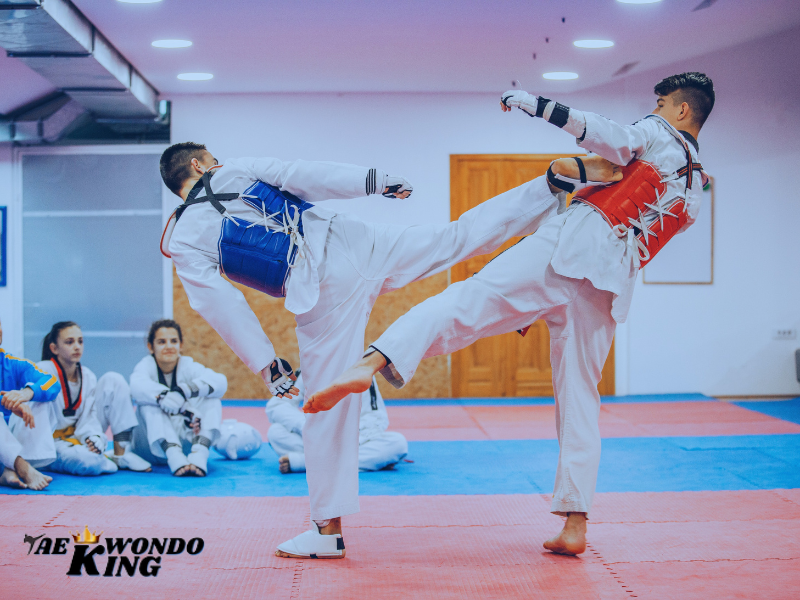
From the stands, you can replay a kick in your head. The referee sees one angle, live, with two athletes blocking the view. A kick can land and vanish in a blink.
Early on, I assumed referees saw everything. They don’t. Nobody could.
Pressure Changes How People Judge
Referees work in loud halls. Coaches yell, parents film, and the day runs long. Tired people make weaker calls, and referees are no different.
I also noticed something else. A referee who feels shaky after one call often overcorrects on the next. It rarely helps anyone.
| Pressure Point | Effect on the Call |
|---|---|
| Crowd noise | Calls feel rushed |
| Long tournament days | Fatigue and slower reactions |
| Blocked sightlines | Missed contact or fouls |
| Angry coaches | Overcorrecting on the next call |
The Most Common Taekwondo Referee Mistakes on the Mat
These are the errors I notice most. Some are small. A few can decide a match.
| Mistake | What It Looks Like | Why It Hurts |
|---|---|---|
| Late break call | Action continues after a clear stop | Athletes take extra hits |
| Missed clean kick | No point after clear contact | Attacker loses momentum |
| Uneven penalties | Same foul, different result | Athletes can’t adjust |
| Poor position | Referee blocks their own view | Contact goes unseen |
| Slow safety response | Match runs on after a hard hit | Injury risk grows |
Missed or Late Scoring Calls
Here’s something I got wrong for a long time. I blamed referees for every missed point. Then I learned that in events with electronic scoring, the body protector system often decides body kick points.
The referee’s eyes matter more for other things, like head contact, fouls, and safety. Rules differ by event, so check which scoring setup your tournament uses before you argue about a point.
Inconsistent Gam-jeom Calls
A gam-jeom is a penalty point. Referees give it for actions like grabbing, pushing, or falling on purpose. The mistake is rarely the penalty itself. It’s giving it in one round and ignoring the same action in the next.
As far as I understand, World Taekwondo asked referees for 2026 to use penalties only when needed, with a “let them fight” attitude. Please verify this in the current rulebook, because interpretations change.
Head Kick Confusion
Head kicks cause the most arguments I’ve seen. A kick may touch the head, but not hard enough to score. Or it may rock an athlete and still not register.
When a strong head kick doesn’t score, the center referee can still count the athlete and then ask for a video replay. They look for signs like strong impact, staggering, bleeding, or a knockdown. I believe coaches can no longer request replay for head kicks under the 2026 rules, but check your event’s version to be sure.
Slow Reactions to Injuries and Dangerous Moments
Safety is where a late call hurts most. A hard kick lands, the athlete wobbles, and the match keeps rolling a second too long. I’ve seen athletes hide pain because they didn’t want to lose momentum.
Good referees stop early when something looks wrong. If you’re an athlete, tell the referee you’re hurt. Don’t play hero. Referees also have to watch for faked injuries, which makes these calls harder than they look.
Standing in the Wrong Spot
A lot of missed contact comes down to position, not judgment. When the referee stands too far back, the athletes’ bodies hide what happens in a clinch. Fouls like grabbing often happen right there.
The fix sounds simple but takes practice. Keep moving and keep both athletes in view.
Myths About Referees, Sensors, and Video Replay
Some frustration comes from wrong expectations. I held a few of these myths myself.
| Myth | Reality |
|---|---|
| Video replay fixes every bad call | Only certain situations qualify, and rules differ by event |
| Sensors never get it wrong | Equipment can fail or be set up badly |
| Yelling gets calls changed | In my experience, it just risks a penalty |
| One call decides everything | Matches usually turn on many small moments |
Once I dropped these myths, matches felt less unfair and more understandable.
Mistakes Athletes and Coaches Make Around Referees
Referees aren’t the only ones who slip up. Some of the worst moments I’ve seen came from the corner and the mat.
| Mistake | Better Approach |
|---|---|
| Arguing during the round | Wait for the break, then use the official route |
| Blaming the referee for everything | Review the video and fix your own gaps |
| Stopping after a missed point | Keep fighting until the referee calls break |
| Ignoring signals and commands | Learn them before the next event |
Stopping Before the Referee Calls Break
I’ve watched athletes lower their guard because they thought they scored. The referee hadn’t stopped the match. The opponent kept going, and the athlete paid for it.
Lesson learned: fight until you hear the break call. Don’t argue with your hands down.
Yelling From the Chair
Coaches care, and that’s a good thing. But yelling at the referee during a round rarely helps. In my experience, it mostly risks a penalty for the team. A calm, short question at the right moment works better.
What to Do When You Think the Referee Got It Wrong
You’ll face a call you hate at some point. How you react matters more than the call itself.
| Situation | Smart Move |
|---|---|
| Missed scoring kick | Ask your coach if a replay request is allowed |
| Unfair penalty | Stay calm and let the coach follow the official process |
| Possible injury | Tell the referee and your coach right away |
| After the match | Raise it through the proper channel |
Stay polite even when you’re angry. Referees remember tone, and so do tournament officials.
How I Review a Match Without Blaming Everyone
After a tough loss, my first reaction used to be anger. Now I use a calmer routine. It turns frustration into something useful.
- Watch the full match once without pausing.
- Rewatch the disputed moment slowly, from every angle you have.
- Check the rule for that situation in the current rulebook.
- Ask your coach or a senior referee what they saw.
Sometimes I found the call was right. Other times, I at least knew exactly what to bring up.
What Nobody Tells You About Judging Fast Sparring
Some things never show up in rule summaries. They shape how matches feel.
Referees Can’t Explain Every Call
In the moment, referees rarely explain. They signal and move on. That silence feels rude, but they have to keep the match flowing.
Beginners and Advanced Athletes See Different Calls
Beginners often argue about whether a kick touched. Advanced athletes argue about timing and force. Both groups need the same habit: learn the rule first, then judge the call.
How New Referees Can Avoid Common Taekwondo Referee Mistakes
If you’re learning to referee, here’s the good news. Most errors come from habits you can train. This is what I’d focus on first.
| Habit | Why It Helps |
|---|---|
| Practice positioning | Gives a clear view of both athletes |
| Rehearse commands and signals | Makes calls faster and cleaner |
| Study recorded matches | Reveals your repeat mistakes |
| Ask senior referees for feedback | Speeds up learning |
| Reset after a bad call | Protects the next decision |
Own a Mistake and Move On
Everyone gets one wrong eventually. Dwelling on it hurts the next call. Take a breath, reset, and focus on the next exchange.
Quick Answers to Common Questions
Are common Taekwondo referee mistakes really that frequent?
Mistakes happen, but I can’t give you a reliable number. Any sport with fast action and human judgment will have some errors. Many calls are fine and never get noticed.
Can a referee change a call?
Sometimes. A video replay review can change a result in certain cases. The exact rules depend on the event and the current rulebook.
Should I argue with the referee during a match?
No. Use the official process, usually through your coach. Arguing in the moment rarely helps and can cost you.
Where can I check the latest rules?
World Taekwondo publishes its Competition Rules and Interpretation on its official website. The rules were updated in 2026, so always check the version your event uses.
Final Thoughts
The biggest lesson I learned is simple. Referees are human, and fast sports create hard calls. Most common Taekwondo referee mistakes come from speed, pressure, and weak positioning, not bad intent.
Be realistic. You won’t remove every bad call. You can learn the rules, stay calm, and fight until the referee says stop. That habit helped me more than any argument ever did. If you referee, keep learning. If you compete, keep your guard up.

Founder, Owner, and CEO of TaekwondoKing.
He is one of the top 100 martial artists in the World and among the top 20 referees in Bangladesh.
Ehatasamul Alom is an esteemed Kukkiwon Certified Taekwondo 3rd Dan Black Belt with over 15 years of experience in this dynamic martial art. Born in Rajshahi, Bangladesh, Ehatasamul’s journey with Taekwondo began at the tender age of seven. His passion led him to compete at national and international levels, where he has bagged numerous awards and honors. He is also a member of the Taekwondo National Referee Panel.
With a Bachelor’s degree in Sports Science from the prestigious Rajshahi University, Ehatasamul has a deep understanding of the technical and scientific aspects of martial arts and some other martial arts.
In 2022, Ehatasamul created the “TaekwondoKing.com” to share his knowledge, Free Resources, Values, and Real experiences. His articles focus on Taekwondo training techniques, competition strategies, Sport Products Reviews, and the art’s rich history and philosophy. He also writes about the importance of mental fortitude and discipline, key aspects of his teaching philosophy. He has already launched many sports, Taekwondo, and health-related Free online tools. His goal is to inspire both beginners and seasoned practitioners worldwide through insightful and engaging content.
If you need any help, contact Ehatasamul Alom at any time.