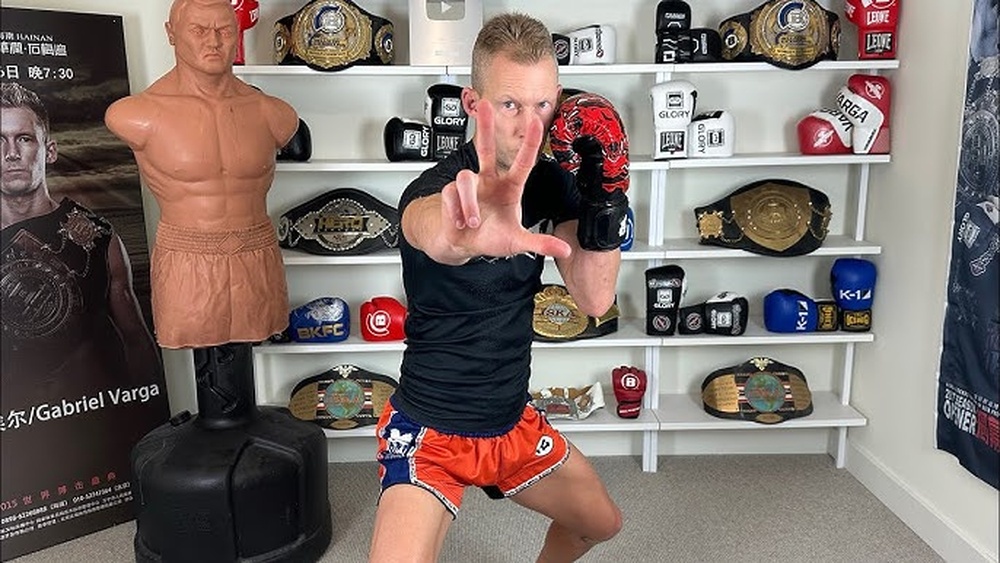
Getting hit in sparring can be frustrating and even discouraging. But what if you could learn simple, effective ways to protect yourself and stay one step ahead?
Imagine feeling more confident and in control every time you step into the ring. You’ll discover easy-to-apply tips that help you avoid getting hit, sharpen your defense, and keep your focus sharp. Ready to transform your sparring experience and keep those punches at bay?
Let’s dive in.

Key Principles Of Defense
Maintaining a proper stance keeps balance and readiness. Feet should be shoulder-width apart. Keep knees slightly bent. Hands stay up to protect your face. This stance helps absorb hits and move quickly.
Effective footwork allows quick moves away from attacks. Small, fast steps keep you steady. Avoid crossing your feet to stay balanced. Move in and out of range smoothly. Good footwork helps dodge punches and keep control.
Reading opponent’s movements means watching their eyes, shoulders, and hips. These show where their next punch might come. Pay attention to shifts in their weight. This helps you prepare to block or move away. Timing and focus are key to avoid getting hit.
Head Movement Techniques
Slipping punches means moving your head just enough to avoid a punch. This keeps you close to your opponent and ready to strike back. It takes practice to time your slips well. Move your head to the side, not too far forward or back.
Bob and weave is bending your knees and moving your head in a U shape. This helps you dodge punches aimed at your head. Keep your hands up while bobbing and weaving for extra defense. It also helps you stay balanced and ready.
Rolling with punches means turning your body in the direction of the punch. This lowers the impact and keeps you safe. Roll your shoulders and hips smoothly. Do not stay stiff, or the punch will hurt more.
Blocking And Parrying
Forearms and gloves act as shields against punches. Use your forearms to block straight attacks. Gloves help to absorb impact and protect your hands. Keep your gloves up near your face.
Redirecting attacks means guiding punches away from your body. Instead of stopping force, gently push the punch to the side. This wastes your opponent’s energy and keeps you safe. It also opens up chances for your counterattack.
Timing your blocks is very important. Wait for the punch to come close before moving your arm. Blocking too early can leave you open. React too late, and the punch lands. Good timing saves you from many hits.
Distance Control Strategies
Managing reach means knowing how far your arms and legs can stretch. It helps keep your opponent at a safe distance. Use your jab to measure that distance. A quick jab can stop your opponent from getting too close.
Using jabs to keep distance is smart. Jabs are fast and let you control space. They keep your opponent guessing and make it harder for them to hit you. Aim your jab at their face or chest to keep them back.
Angle creation means moving your body to the side, not just forward or backward. This makes it harder for your opponent to hit you. Step to the left or right after a jab. It opens up new chances to strike safely.
Counterattack As Defense
Timing counters is about hitting back just after blocking a punch. It makes your opponent pause and think. This helps you stay safe and ready for the next move.
Combining defense with offense means you don’t just block or dodge. You strike while protecting yourself. This keeps your opponent on the back foot and gives you control.
Creating openings is key. By moving well and using quick counters, you make your opponent miss. This leaves space for your attack. Patience and good timing work best here.

Mental Focus And Awareness
Watching your opponent’s body helps you guess their next move. Eyes, shoulders, and hips give clues. This makes it easier to block or dodge attacks.
Staying calm helps your brain react faster. Take deep breaths to keep your body relaxed. Tension slows you down and makes mistakes more likely.
Adjust your style during sparring. If your opponent changes tactics, you should too. Being flexible keeps you one step ahead and harder to hit.
Training Drills For Defense
Shadow sparring helps practice moves without a partner. It builds muscle memory and improves footwork. You can focus on blocking and dodging punches.
Partner drills teach timing and distance. One person attacks lightly while the other defends. This helps you learn to react quickly and avoid hits.
Reaction time exercises train your brain and body to respond faster. Simple games like catching a ball or quick hand movements sharpen your reflexes. Faster reactions mean better defense.

Frequently Asked Questions
How Can I Improve My Defense In Sparring?
Focus on keeping your guard up and maintaining good footwork. Practice head movement and blocking techniques regularly to avoid strikes effectively.
What Are The Best Head Movement Techniques To Avoid Hits?
Use slips, ducks, and weaves to evade punches. These movements help you stay unpredictable and reduce the chance of getting hit.
How Important Is Distance Management In Sparring?
Distance control is crucial to avoid hits. Keeping the right distance lets you react quickly and counter your opponent’s attacks.
Can Improving Footwork Reduce Getting Hit In Sparring?
Yes, agile footwork helps you move out of range quickly. It allows you to control the pace and avoid incoming strikes.
Conclusion
Avoiding hits in sparring takes focus and smart moves. Keep your eyes on your opponent’s body and hands. Move your head and feet often to stay hard to hit. Practice blocking and slipping punches regularly. Stay relaxed and don’t rush your actions.
Remember, defense is as important as offense. With steady practice, your sparring skills will improve. Stay patient and keep training smart. You will get better at protecting yourself every time.

Founder, Owner, and CEO of TaekwondoKing.
He is one of the top 100 martial artists in the World and among the top 20 referees in Bangladesh.
Ehatasamul Alom is an esteemed Kukkiwon Certified Taekwondo 3rd Dan Black Belt with over 15 years of experience in this dynamic martial art. Born in Rajshahi, Bangladesh, Ehatasamul’s journey with Taekwondo began at the tender age of seven. His passion led him to compete at national and international levels, where he has bagged numerous awards and honors. He is also a member of the Taekwondo National Referee Panel.
With a Bachelor’s degree in Sports Science from the prestigious Rajshahi University, Ehatasamul has a deep understanding of the technical and scientific aspects of martial arts and some other martial arts.
In 2022, Ehatasamul created the “TaekwondoKing.com” to share his knowledge, Free Resources, Values, and Real experiences. His articles focus on Taekwondo training techniques, competition strategies, Sport Products Reviews, and the art’s rich history and philosophy. He also writes about the importance of mental fortitude and discipline, key aspects of his teaching philosophy. He has already launched many sports, Taekwondo, and health-related Free online tools. His goal is to inspire both beginners and seasoned practitioners worldwide through insightful and engaging content.
If you need any help, contact Ehatasamul Alom at any time.