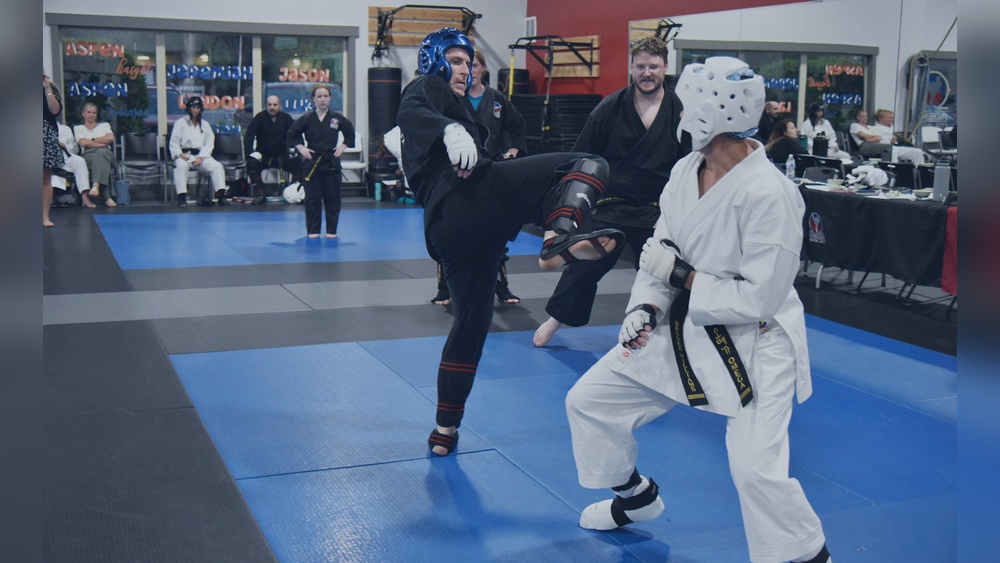
Are you curious about the difference between point sparring and Olympic sparring? Whether you’re a martial arts enthusiast or just starting out, understanding these two styles can change the way you train and compete.
Each style has its own rules, pace, and strategy that could make a big impact on your performance. If you want to know which one suits your skills and goals better, keep reading. This article will break down the key differences in a simple, clear way so you can make the best choice for your sparring journey.
Point Sparring Basics
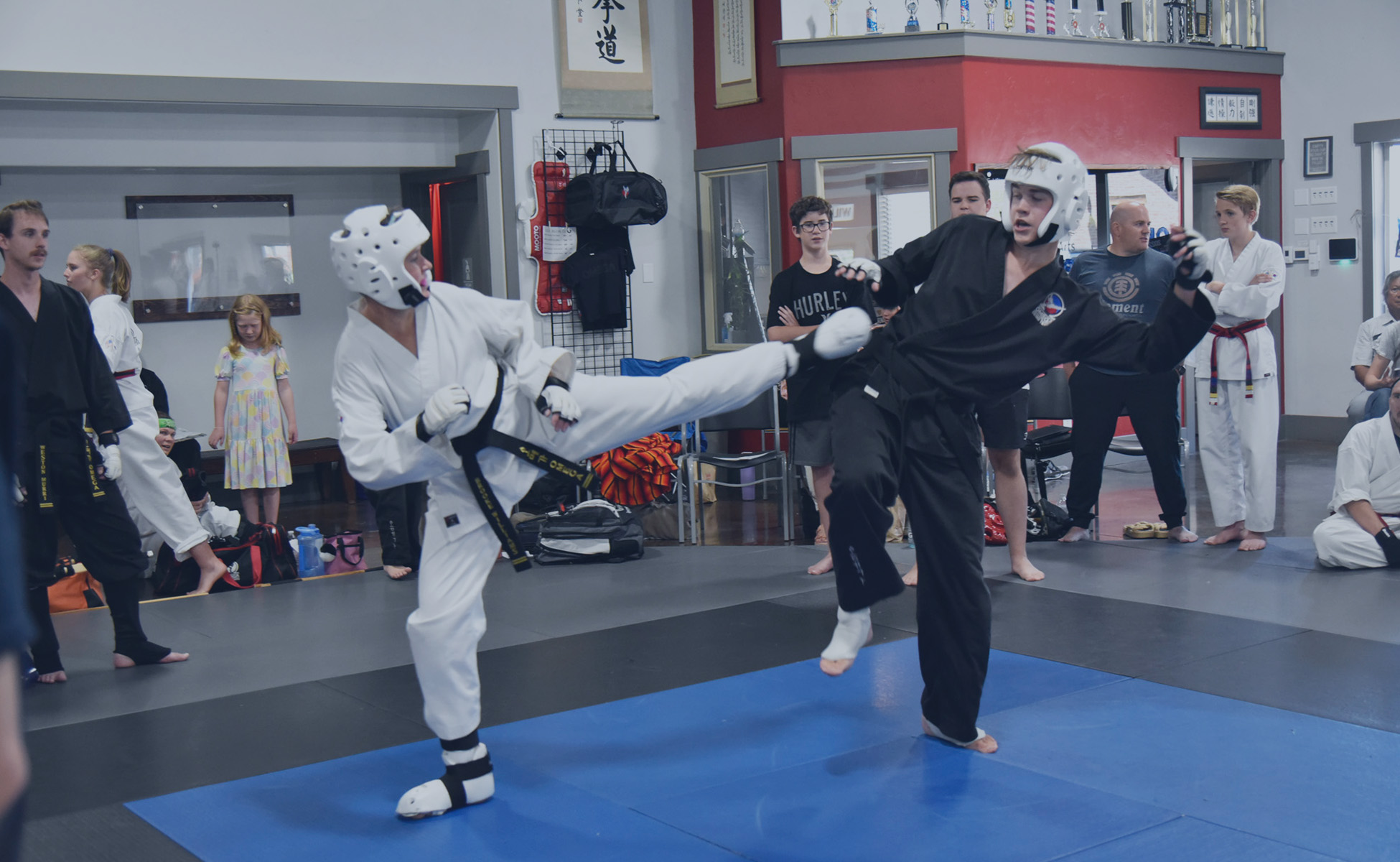
Point sparring and Olympic sparring have different rules and styles. The scoring system in point sparring counts clean hits quickly. Each hit scores a point, and the match pauses to reset. Olympic sparring scores points continuously during the round. Judges watch for powerful and accurate strikes.
Match duration varies too. Point sparring usually has short rounds, about 1-2 minutes. Olympic sparring matches last longer, often 3 rounds of 2 minutes. This means more endurance and strategy in Olympic sparring.
Protective gear is important in both styles. Point sparring uses headgear, gloves, and foot pads to reduce injury. Olympic sparring has similar gear but may require chest protectors and mouthguards for safety.
Common techniques in point sparring focus on speed and precision. Fighters aim for quick, clean touches. Olympic sparring uses more power and combinations. Fighters try to score with strong, controlled strikes.

Olympic Sparring Essentials
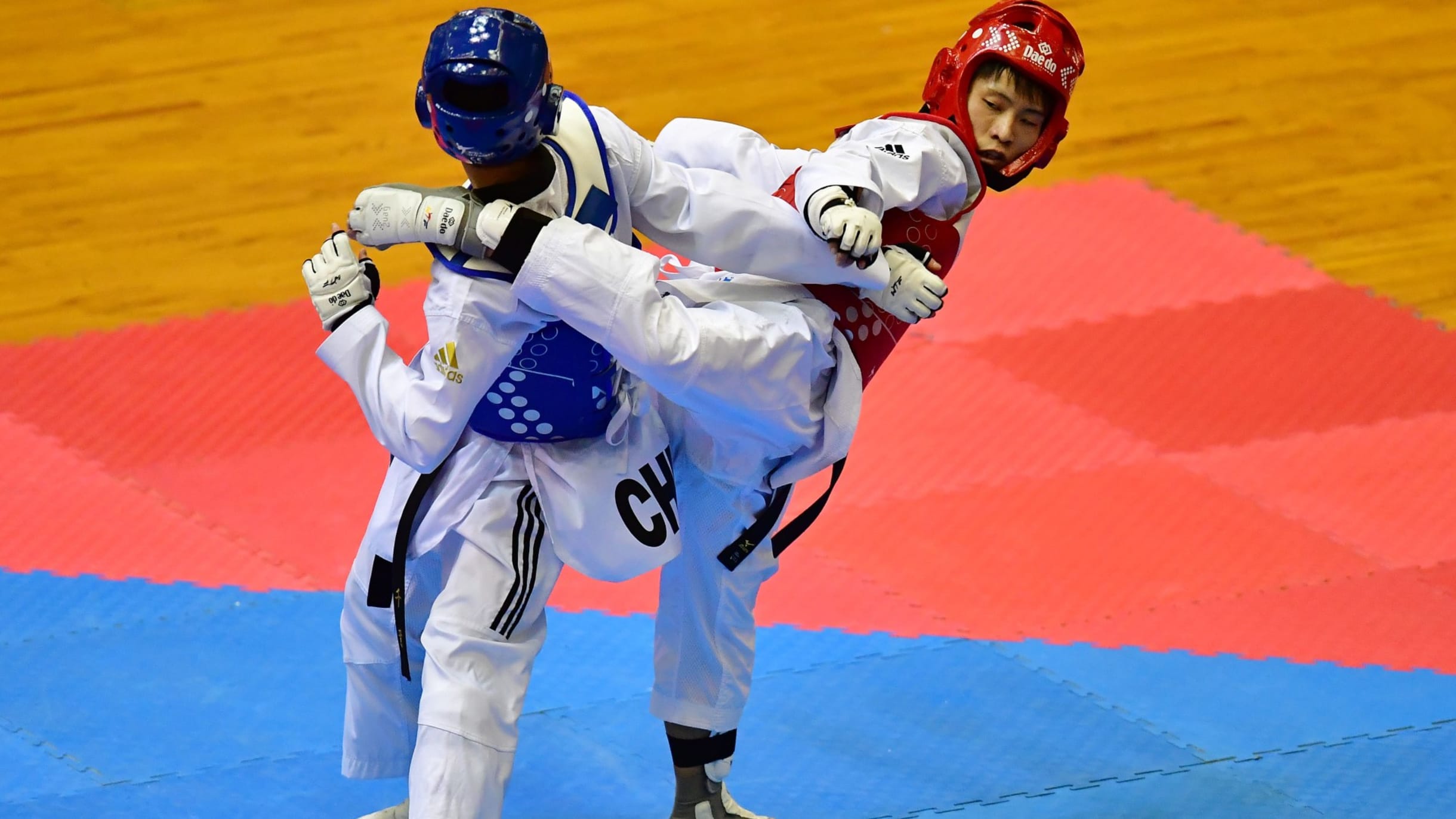
Olympic sparring focuses on scoring points by landing clean hits on the opponent. Judges award points based on accuracy, force, and target area. Matches last for three rounds, each lasting two minutes with short breaks in between. Fighters must wear specific equipment: a chest protector, headgear, gloves, shin guards, and a mouthguard. This gear helps keep fighters safe during fast, powerful exchanges. Only certain techniques are allowed, including punches and kicks to the torso and head. Strikes below the waist or using elbows are not permitted. The aim is to score more points than the opponent within the match time. Referees watch closely to enforce rules and ensure fair play.
Scoring Differences
Point sparring awards points only for clean, controlled strikes. Each hit scores one to three points, based on technique and target area. Olympic sparring uses a more complex system, scoring for effective strikes, knockdowns, and overall control.
Judges in point sparring watch closely for quick, accurate hits. They raise flags to signal points. Olympic sparring judges use electronic scoring gear and observe fighters’ power and style. They score both offense and defense.
| Aspect | Point Sparring | Olympic Sparring |
|---|---|---|
| Point Allocation | Points for clean, light hits | Points for powerful, effective strikes |
| Judging Methods | Manual flag system | Combination of judges and electronic scoring |
| Use of Technology | Minimal or none | Electronic sensors and video replay |
Pace And Strategy
Point sparring focuses on quick, precise attacks. Fighters aim to score points fast. Defense is about blocking or dodging single strikes. Olympic sparring involves continuous movement and combos. Defense needs to protect against many hits in a row.
Tactics in point sparring include waiting for the right moment to strike. Fighters often pause between attacks. In Olympic sparring, the pace is steady and fast. Fighters use combinations and feints to confuse opponents.
Physical demands differ too. Point sparring requires sharp reflexes and short bursts of energy. Olympic sparring demands more stamina and strength for longer rounds. Both styles need focus and good timing.
Safety And Rules
Point sparring uses light contact. Fighters score points by landing quick, controlled hits. Olympic sparring allows harder contact but still protects fighters. The goal is to show skill and power safely.
Penalties happen for illegal moves or too much force. Examples are hitting below the belt or using the elbow. Penalties can make fighters lose points or get warned.
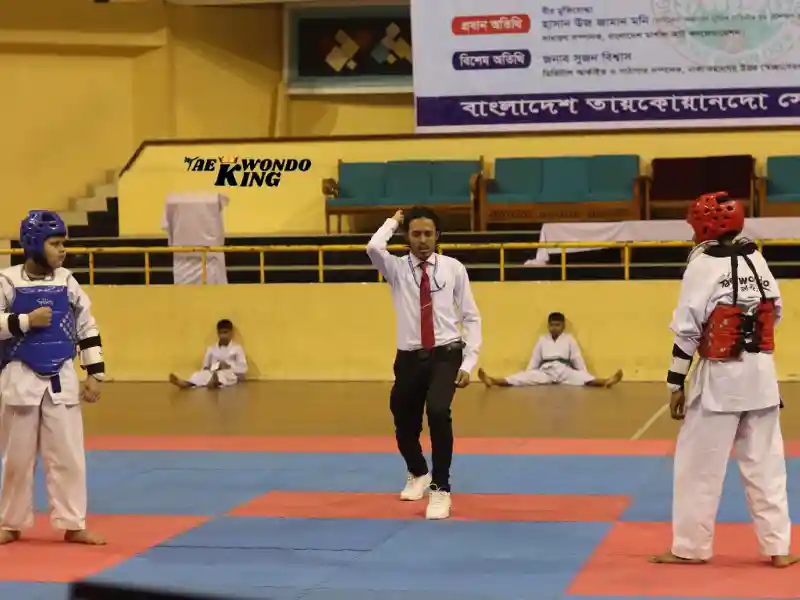
The referee watches the match closely. They stop the fight if it gets too rough. Referees also give penalties and keep fighters safe. They make sure the rules are followed at all times.
Training Focus
Point sparring focuses on quick, precise moves to score points fast. It helps build sharp technique and accuracy. Fighters learn to react quickly and use controlled power.
Olympic sparring trains for longer bouts with more continuous action. It improves endurance and overall strength. The goal is to keep moving and stay strong till the end.
Point sparring builds sharp reflexes and fast decision-making skills. Olympic sparring boosts stamina and physical toughness. Both help develop a strong mindset for competition.
Mental focus in point sparring is about spotting quick openings. In Olympic sparring, it means staying calm and patient through long fights. Both styles train confidence and discipline.
Popularity And Competition
Point sparring is popular in many local clubs and schools worldwide. It focuses on quick, clean hits to score points. Olympic sparring has a wider global reach with official events in many countries. It is part of the Olympic Games and other big competitions.
| Aspect | Point Sparring | Olympic Sparring |
|---|---|---|
| Tournament Formats | Short matches, point-based scoring | Longer rounds, continuous scoring |
| Athlete Profiles | Beginners and youth athletes | Advanced and professional fighters |
| Global Reach | Popular regionally | Recognized internationally |
Frequently Asked Questions
What Is The Main Difference Between Point And Olympic Sparring?
Point sparring focuses on scoring quick, clean hits with controlled contact. Olympic sparring allows continuous fighting with full contact and emphasis on power and technique over longer rounds.
Which Sparring Style Is Better For Beginners?
Point sparring is better for beginners due to its controlled pace and emphasis on technique. It helps develop precision without risk of heavy contact.
How Does Scoring Differ In Point Vs Olympic Sparring?
Point sparring scores individual, clean hits immediately. Olympic sparring uses electronic scoring and judges to assess continuous strikes, power, and effectiveness throughout the match.
Is Olympic Sparring More Physically Demanding Than Point Sparring?
Yes, Olympic sparring requires higher endurance and strength. It involves sustained fighting with full contact, making it more physically intense than point sparring.
Conclusion
Point sparring and Olympic sparring serve different purposes in martial arts. Point sparring focuses on speed and scoring quick hits. Olympic sparring involves continuous fighting and endurance. Both styles improve skills but in unique ways. Choosing the right type depends on your goals and interests.
Practice regularly to grow stronger and smarter. Enjoy the journey and keep learning with every match.

Founder, Owner, and CEO of TaekwondoKing.
He is one of the top 100 martial artists in the World and among the top 20 referees in Bangladesh.
Ehatasamul Alom is an esteemed Kukkiwon Certified Taekwondo 3rd Dan Black Belt with over 15 years of experience in this dynamic martial art. Born in Rajshahi, Bangladesh, Ehatasamul’s journey with Taekwondo began at the tender age of seven. His passion led him to compete at national and international levels, where he has bagged numerous awards and honors. He is also a member of the Taekwondo National Referee Panel.
With a Bachelor’s degree in Sports Science from the prestigious Rajshahi University, Ehatasamul has a deep understanding of the technical and scientific aspects of martial arts and some other martial arts.
In 2022, Ehatasamul created the “TaekwondoKing.com” to share his knowledge, Free Resources, Values, and Real experiences. His articles focus on Taekwondo training techniques, competition strategies, Sport Products Reviews, and the art’s rich history and philosophy. He also writes about the importance of mental fortitude and discipline, key aspects of his teaching philosophy. He has already launched many sports, Taekwondo, and health-related Free online tools. His goal is to inspire both beginners and seasoned practitioners worldwide through insightful and engaging content.
If you need any help, contact Ehatasamul Alom at any time.