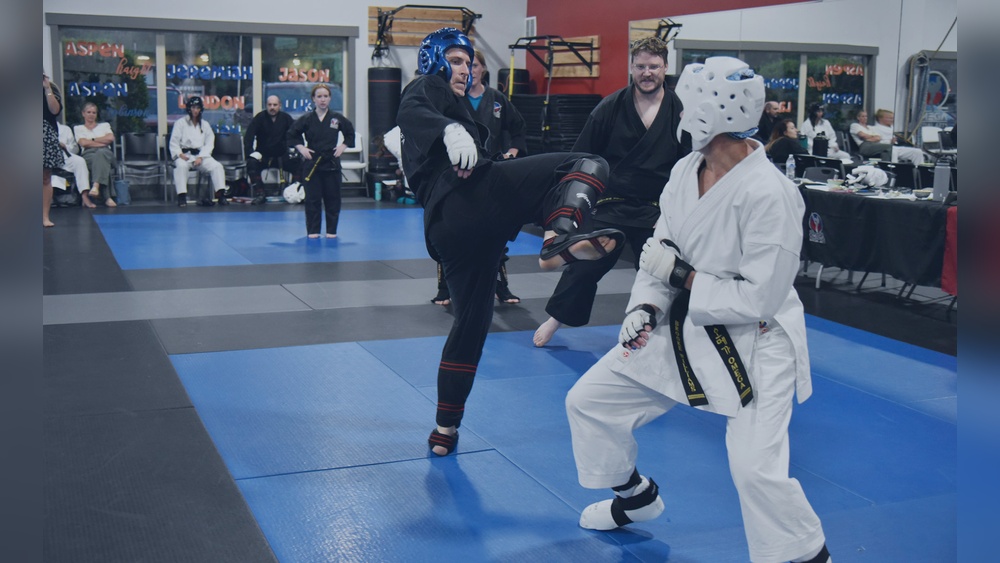
The world of martial arts is full of unique styles, rules, and philosophies. Among these, point sparring and Olympic sparring stand out as two distinct forms of competition, especially in disciplines like Taekwondo and Karate. If you are new to martial arts, or if you have only seen one kind of sparring, you might wonder: what are the differences, which is better for you, and how do these styles shape the skills of fighters? Let’s dive deep into both point sparring and Olympic sparring, compare their rules, techniques, benefits, and challenges, and help you understand which fits your goals best.
What Is Point Sparring?
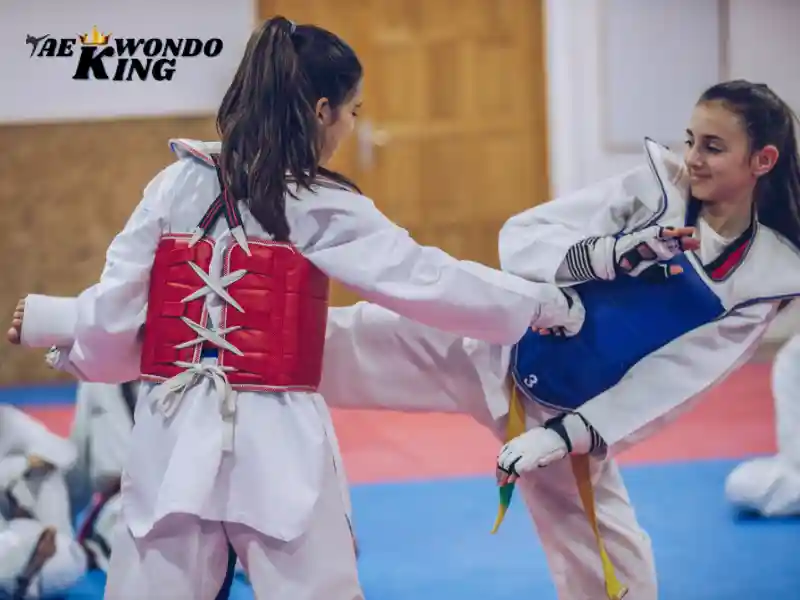
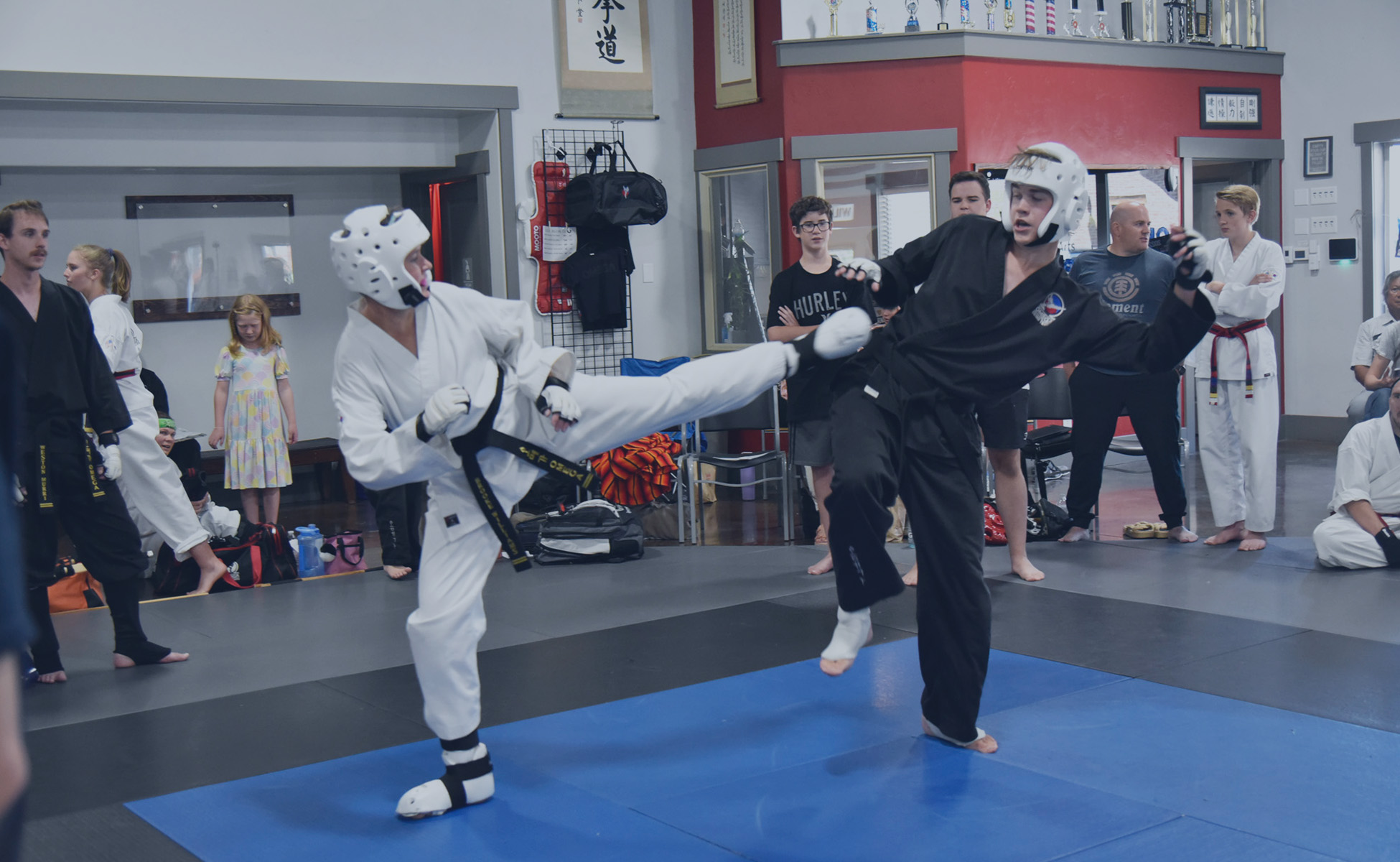
Point sparring is a type of martial arts competition where fighters aim to score points by landing clean, controlled techniques. The match stops after each successful strike, and points are awarded. It is common in Karate, Taekwondo, and Kung Fu tournaments.
The main goal is not to knock out the opponent, but to demonstrate speed, precision, and technical skill. Fighters wear protective gear, but contact is usually light or moderate. Judges watch closely and call out the score after each exchange.
Key Features Of Point Sparring
- Short bursts of action: The match is interrupted after a point is scored, then restarted.
- Scoring based on technique: Only clean, controlled strikes count.
- Limited contact: Heavy blows are often penalized.
- Emphasis on speed and accuracy: Fighters focus on quick attacks and defenses.
- Judges decide points: There are usually 3–5 judges who award points after each exchange.
Example: Karate Point Sparring
In a typical Karate point sparring match, competitors use punches, kicks, and sometimes sweeps. The referee stops the match whenever a scoring technique lands. Points are awarded for attacks like:
- Punch to the torso: 1 point
- Kick to the torso: 2 points
- Kick to the head: 3 points
After scoring, fighters return to their positions, and the bout resumes.
What Is Olympic Sparring?
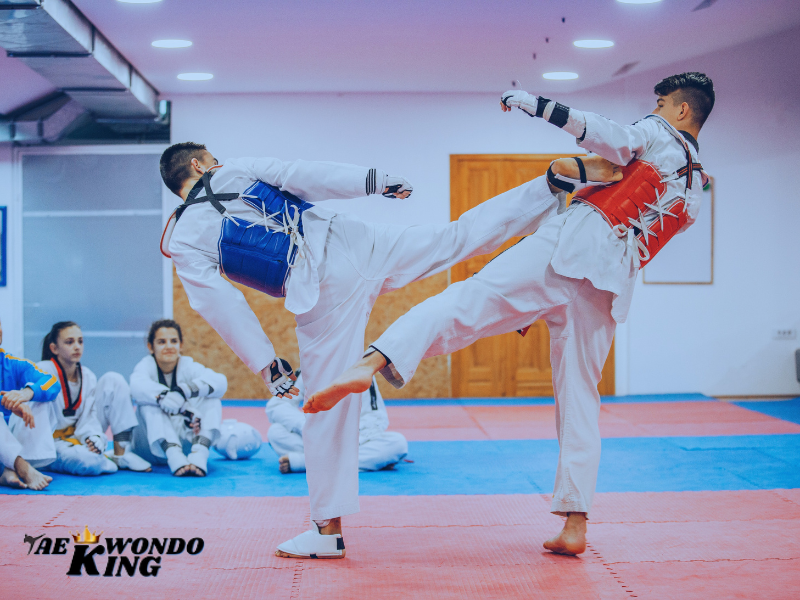
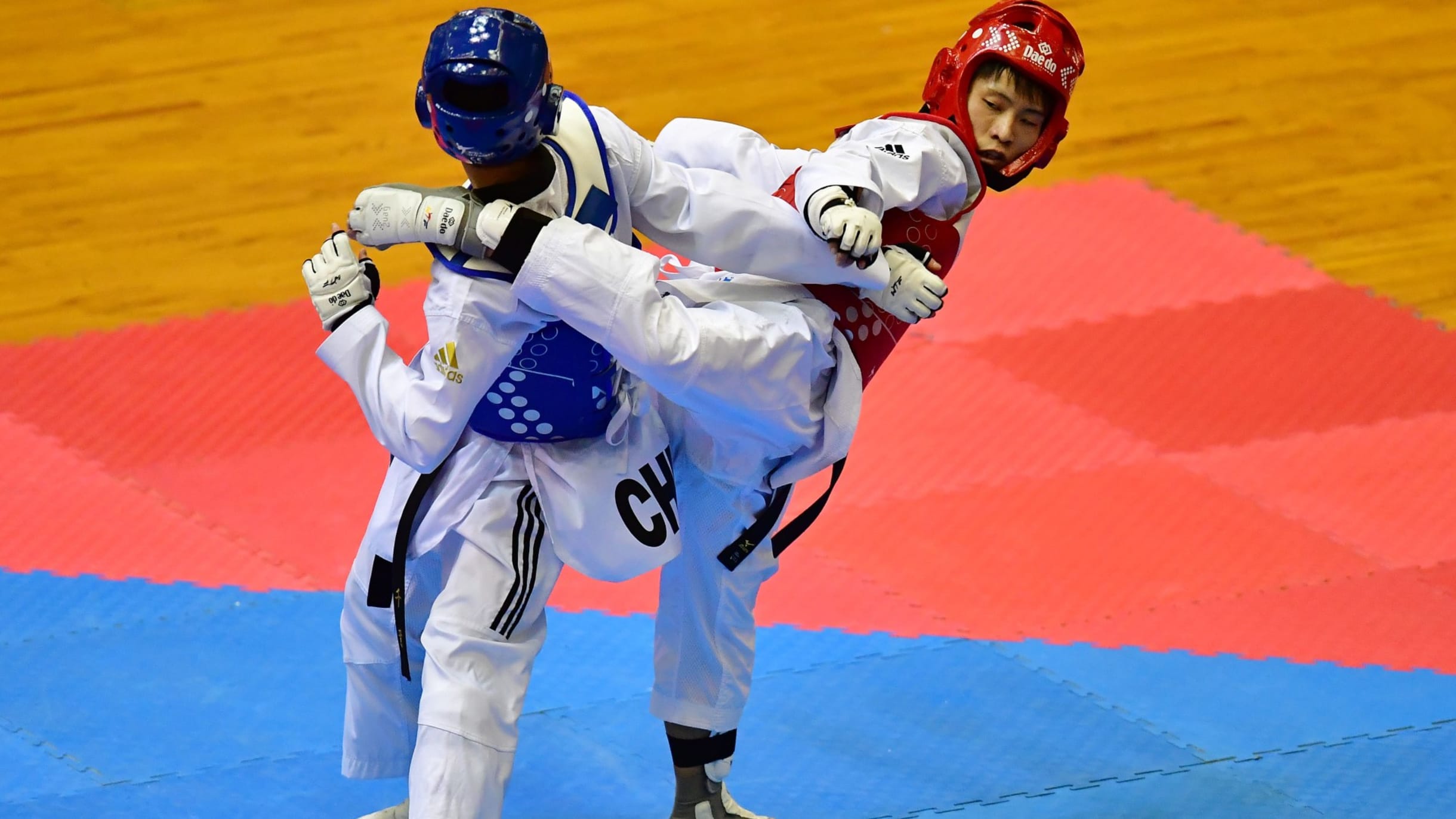
Olympic sparring refers to the style used in Olympic martial arts competitions, especially Taekwondo. Here, matches are continuous, and points are scored for valid techniques, but the fight does not stop after each point. Contact is usually heavier, and the rules allow for more aggressive exchanges.
Olympic sparring uses electronic scoring systems, video review, and strict weight classes. The emphasis is on endurance, strategy, and powerful techniques. Fighters must defend themselves for the entire round, even after being hit.
Key Features Of Olympic Sparring
- Continuous fighting: The match runs for a set time, with no pauses after scoring.
- Electronic scoring: Sensors in gear record impact and award points automatically.
- Full-contact: Strong kicks and punches are allowed; knockouts can happen.
- Strategy and stamina: Fighters need to manage energy and adjust tactics throughout the round.
- International standards: Rules are set by bodies like World Taekwondo.
Example: Olympic Taekwondo
Olympic Taekwondo matches last three rounds of two minutes each. Points are scored for:
- Body kick: 2 points
- Head kick: 3 points
- Spinning kick to head: 4 points
- Punch to torso: 1 point
Fighters wear electronic chest and head protectors. The action is fast and continuous, and a knockout is possible.
Comparing Rules: Point Sparring Vs Olympic Sparring
The rules for each style create different strategies and skills. Understanding these is key for anyone choosing between them.
| Aspect | Point Sparring | Olympic Sparring |
|---|---|---|
| Match Flow | Stop after each point | Continuous fighting |
| Scoring | By judges (visual) | Electronic sensors |
| Contact Level | Light to moderate | Full-contact |
| Protective Gear | Hand, foot, head, chest | Electronic chest/head |
| Allowed Techniques | Varies by style; usually no low kicks | Mostly kicks; limited hand strikes |
| Judging Errors | Possible, human-based | Reduced with electronics |
| Match Duration | Short bursts | Long rounds (2–3 minutes) |
Skill Development: What Each Style Builds
Choosing point sparring or Olympic sparring will shape your martial arts skills in different ways. Here’s what you can expect from each.
Point Sparring
- Speed: Fighters must attack and defend quickly, anticipating the opponent’s moves.
- Precision: Only clean, controlled techniques score. Sloppy or wild attacks are ignored.
- Timing: Landing a strike at the right moment is crucial.
- Self-control: Excessive force is penalized; fighters learn to control power.
Olympic Sparring
- Endurance: Continuous fighting demands high stamina.
- Power: Strong kicks and punches are rewarded.
- Strategy: Fighters must adapt during the round, dealing with fatigue and changing tactics.
- Resilience: Getting hit is part of the game; fighters must recover and keep going.
An insight often missed: point sparring can help beginners develop technical skills without fear of injury, while Olympic sparring prepares athletes for real-world combat situations where endurance and toughness matter.
Safety And Injury Risk
Safety is a major concern for fighters and parents. Both styles use protective gear, but the risk levels differ.
Point Sparring
- Low injury risk: Because contact is limited, serious injuries are rare.
- Common injuries: Bruises, minor sprains, accidental contact.
- Protective gear: Gloves, foot pads, headgear, mouthguards.
Olympic Sparring
- Higher injury risk: Full-contact strikes can cause knockouts, fractures, or concussions.
- Common injuries: Bruises, nosebleeds, sprains, head injuries.
- Protective gear: Electronic chest and head protectors, mouthguards.
A practical tip: Always check the event’s gear requirements and medical support before competing.
Competition Atmosphere
The mood and energy of tournaments differ between point sparring and Olympic sparring.
Point Sparring Events
- Friendly, fast-paced: Matches are short and frequent.
- Focus on sportsmanship: Respect and fair play are emphasized.
- Judges interact with fighters: Communication and feedback after each exchange.
Olympic Sparring Events
- Intense, high-pressure: Matches are longer and more physically demanding.
- International standards: Many events are qualifiers for bigger tournaments.
- Crowd excitement: Knockouts and dramatic comebacks are possible.
It’s worth noting that the audience’s experience also changes. Point sparring is easier for beginners to follow, while Olympic sparring attracts fans who enjoy action and strategy.
Training Styles And Preparation
How you train for each style affects your physical and mental development.
| Training Focus | Point Sparring | Olympic Sparring |
|---|---|---|
| Warm-up | Speed drills, reaction exercises | Strength, flexibility, stamina |
| Technique Practice | Precision striking, timing | Powerful kicks, combinations |
| Sparring Sessions | Short rounds, stop-start | Long rounds, continuous |
| Mental Training | Focus, calm under pressure | Resilience, strategic thinking |
| Conditioning | Agility, explosive power | Cardio, muscle endurance |
A non-obvious insight: Many martial arts schools mix both styles in their training, giving students a balanced skill set. If you want to compete, ask your coach which style they focus on.
Age And Experience Levels
Both styles are popular among youth and adults, but the approach changes with age.
Point Sparring For Beginners And Children
- Ideal for young fighters: The rules encourage safety and learning.
- Focus on basics: Beginners build confidence and technical skill.
- Low-stress environment: Less pressure to “win” by knockout.
Olympic Sparring For Advanced Fighters
- Best for experienced athletes: Requires endurance, power, and mental toughness.
- Pathway to elite competition: Olympic sparring is the standard for national and international events.
- Greater risk: Fighters must be ready for hard contact and intense matches.
If you are new to martial arts, starting with point sparring is often recommended. As you gain skill and confidence, you can transition to Olympic sparring.
Pros And Cons: Point Sparring Vs Olympic Sparring
Here’s a summary of the advantages and disadvantages of each style.
Point Sparring
Pros:
- Safer for beginners and kids
- Builds speed, timing, and control
- Easier to judge and understand
- Less risk of serious injury
Cons:
- Not realistic for self-defense
- Can encourage “tagging” over real fighting
- Judging errors are possible
- Skill in power and endurance is less developed
Olympic Sparring
Pros:
- Realistic fighting experience
- Builds power, endurance, and resilience
- Electronic scoring reduces bias
- Pathway to international competition
Cons:
- Higher injury risk
- More demanding physically and mentally
- Less focus on technical precision
- Less accessible for beginners
Typical Mistakes Beginners Make
Many new fighters make common mistakes in each style. Here’s what to watch out for.
Point Sparring Mistakes
- Overcommitting: Beginners often rush in, exposing themselves to counters.
- Lack of control: Striking too hard can lead to penalties.
- Ignoring defense: Focusing only on scoring can leave you open.
- Misreading rules: Not knowing what counts as a valid point.
Olympic Sparring Mistakes
- Poor stamina: Failing to train endurance leads to fatigue.
- Ignoring strategy: Relying only on power, not adapting tactics.
- Neglecting defense: Not protecting the head and body.
- Improper use of electronic gear: Not practicing with sensors can cause scoring issues.
A practical tip: Always review the rulebook and practice with the right gear before your first competition.
Which Style Is Right For You?
Choosing between point sparring and Olympic sparring depends on your goals, experience, and personality.
- If you want technical skill and a safe introduction to martial arts, start with point sparring.
- If you seek competition, endurance, and real fighting experience, Olympic sparring is your path.
- For children and beginners, point sparring builds confidence and basic skills.
- For advanced fighters, Olympic sparring opens doors to national and international events.
Some schools offer both styles. Try each in training, then decide which matches your strengths and interests.
Real World Applications
People often ask if sparring styles help in real-world self-defense. Here’s the honest answer.
Point Sparring
- Teaches awareness, reaction time, and movement.
- Less useful for street fights, as contact is limited.
- Helps develop mental focus and discipline.
Olympic Sparring
- Builds resilience, power, and stamina.
- More realistic for defending yourself under stress.
- Teaches you to handle getting hit and keep fighting.
But remember: self-defense requires more than sparring awareness, avoidance, and practical skills matter most.
The Evolution Of Sparring Styles
Both point sparring and Olympic sparring have changed over time. Technology, safety, and global standards have shaped their rules.
- Point sparring began as a way to teach martial arts safely, focusing on skill and respect.
- Olympic sparring evolved with electronic scoring, video review, and stricter safety measures.
- Today, both styles are recognized worldwide. Athletes can compete at local, national, and international levels.
A little-known fact: Many famous martial artists started with point sparring, then transitioned to full-contact styles as their skills grew.
Data: Popularity And Participation
Let’s look at some statistics on martial arts participation:
- According to the Sports & Fitness Industry Association (SFIA), over 6 million Americans practiced martial arts in 2022.
- Taekwondo is the most popular Olympic sparring style, with over 80 million practitioners worldwide.
- Point sparring tournaments are common at local and regional levels, especially for children and teens.
- Olympic sparring dominates international events, including the Olympics, Asian Games, and World Championships.
These numbers show that both styles have strong followings. Your choice depends on your goals, not just popularity.
Famous Fighters And Their Styles
Some martial artists are known for their achievements in point sparring or Olympic sparring.
Point Sparring Champions
- Raymond Daniels (Karate, Kickboxing): Known for lightning-fast kicks and precision.
- Chuck Norris (Karate): Began with point sparring before moving to full-contact.
Olympic Sparring Champions
- Steven Lopez (Taekwondo): Olympic gold medalist, famous for endurance and power.
- Jade Jones (Taekwondo): Double Olympic champion, known for aggressive strategy.
These athletes prove that both styles can lead to success and recognition.
Costs And Accessibility
If you are considering competition, the costs can differ.
Point Sparring
- Entry fees: $30–$70 per event
- Gear: Gloves, foot pads, headgear ($100–$200 total)
- Travel: Local events are common
Olympic Sparring
- Entry fees: $50–$150 per event
- Gear: Electronic chest/head protectors ($300–$500)
- Travel: Regional, national, and international events
Olympic sparring has higher costs, but many organizations offer scholarships and sponsorships for talented athletes.
Coaches And Training Facilities
Not all martial arts schools teach both styles. Here’s what to look for:
- Point sparring: Karate, Kung Fu, and some Taekwondo schools.
- Olympic sparring: Taekwondo schools certified by World Taekwondo or national bodies.
Ask your coach about their experience, competition history, and training methods. Visit different gyms to find the best fit.
How To Prepare For Your First Tournament
Whether you choose point sparring or Olympic sparring, preparation is key.
Practical Steps
- Learn the rules: Read the rulebook and watch videos.
- Train with real gear: Practice wearing the right protective equipment.
- Spar with partners: Work on timing, defense, and reaction.
- Condition your body: Cardio, strength, and flexibility are vital.
- Mental preparation: Visualize the match, manage nerves, and stay focused.
A non-obvious tip: Attend a tournament as a spectator before competing. You’ll learn about the atmosphere, judging, and match flow.
How Technology Is Changing Sparring
Modern sparring uses technology to improve fairness and safety.
- Electronic scoring: Sensors in chest and headgear reduce human error.
- Video review: Judges can check footage to resolve disputes.
- Fitness trackers: Athletes monitor heart rate, speed, and performance.
Olympic sparring leads the way in tech, but point sparring events are also adopting electronic systems.
Global Trends And Future Outlook
Both sparring styles are growing worldwide. More countries now host tournaments, and martial arts are included in school programs.
- Olympic sparring is expanding, with new weight classes and improved safety.
- Point sparring is reaching new audiences, especially among youth.
Experts predict continued growth as martial arts become more accessible and technology improves judging.

Frequently Asked Questions
What Is The Main Difference Between Point Sparring And Olympic Sparring?
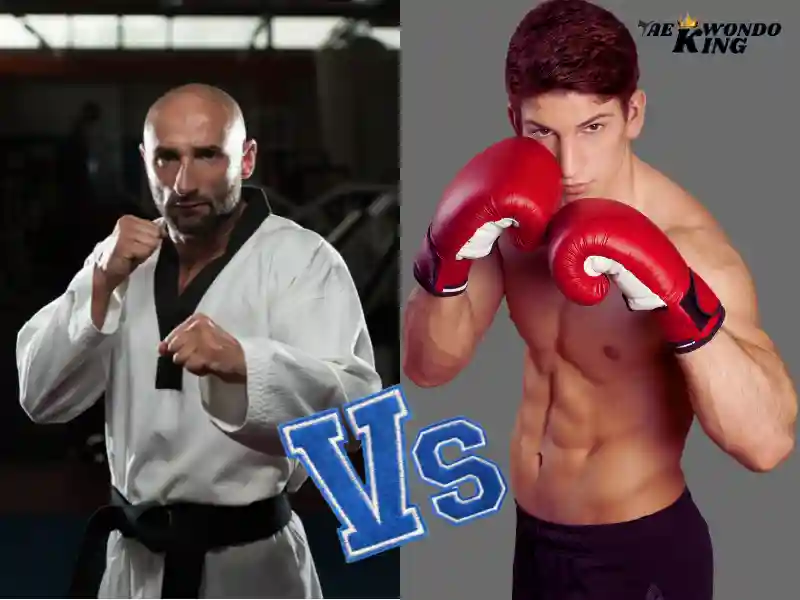
The main difference is the match flow. Point sparring stops after each point is scored, while Olympic sparring is continuous. Point sparring focuses on speed and precision, with limited contact. Olympic sparring is full-contact, with electronic scoring and longer rounds.
Is Point Sparring Safer Than Olympic Sparring?
Yes, point sparring is generally safer because contact is limited and the match is stopped after each point. Olympic sparring allows stronger strikes and continuous fighting, which increases injury risk.
Can Beginners Compete In Olympic Sparring?
Beginners can compete in Olympic sparring, but it is recommended to have some experience first. The style is more demanding physically and mentally. Many coaches suggest starting with point sparring before moving to Olympic sparring.
What Gear Do I Need For Each Style?
For point sparring, you need gloves, foot pads, headgear, and a mouthguard. For Olympic sparring, you need electronic chest and head protectors, gloves, and a mouthguard. Always check the event’s requirements before buying gear.
How Do I Choose The Right Sparring Style For Me?
Consider your goals, experience, and comfort level. If you want a safe, technical introduction, choose point sparring. If you want realistic fighting and competition, choose Olympic sparring. Try both in training and talk to your coach for guidance.
Final Thoughts
Both point sparring and Olympic sparring offer unique experiences and challenges. Your choice depends on your goals, skill level, and personality. Beginners often enjoy the safety and technical focus of point sparring. Advanced athletes thrive in the intensity and realism of Olympic sparring. Each style builds different skills, and many schools teach both, helping students become well-rounded fighters.
If you want more details on martial arts competition rules, you can read official guidelines from USA Taekwondo. Remember, the best way to find your style is to try both, train hard, and enjoy the journey. Whether you aim for trophies or personal growth, martial arts sparring can teach valuable lessons for life.

Founder, Owner, and CEO of TaekwondoKing.
He is one of the top 100 martial artists in the World and among the top 20 referees in Bangladesh.
Ehatasamul Alom is an esteemed Kukkiwon Certified Taekwondo 3rd Dan Black Belt with over 15 years of experience in this dynamic martial art. Born in Rajshahi, Bangladesh, Ehatasamul’s journey with Taekwondo began at the tender age of seven. His passion led him to compete at national and international levels, where he has bagged numerous awards and honors. He is also a member of the Taekwondo National Referee Panel.
With a Bachelor’s degree in Sports Science from the prestigious Rajshahi University, Ehatasamul has a deep understanding of the technical and scientific aspects of martial arts and some other martial arts.
In 2022, Ehatasamul created the “TaekwondoKing.com” to share his knowledge, Free Resources, Values, and Real experiences. His articles focus on Taekwondo training techniques, competition strategies, Sport Products Reviews, and the art’s rich history and philosophy. He also writes about the importance of mental fortitude and discipline, key aspects of his teaching philosophy. He has already launched many sports, Taekwondo, and health-related Free online tools. His goal is to inspire both beginners and seasoned practitioners worldwide through insightful and engaging content.
If you need any help, contact Ehatasamul Alom at any time.