Facing your opponent in a Taekwondo sparring match can feel overwhelming, even for experienced athletes. The sudden rush of nerves, rapid heartbeat, and sweaty palms are all signs of sparring anxiety. This feeling is common, but it can hold you back from performing at your best. Learning how to manage anxiety in Taekwondo is not only important for your mental health it also helps you become a stronger, more confident martial artist.
What Causes Sparring Anxiety In Taekwondo?
Sparring anxiety often comes from fear of being hurt, making mistakes, or losing in front of others. For beginners, the pressure to remember techniques or the worry about disappointing coaches and teammates can make the nerves worse. Even advanced practitioners feel anxious before big tournaments or when facing a tough rival.
Research shows that up to 68% of martial arts students experience moderate to high anxiety before sparring sessions. The reasons include:
- Lack of experience in real matches
- Uncertainty about skills or tactics
- Fear of physical pain
- Competitive stress during tournaments
- Social pressure from watching crowds
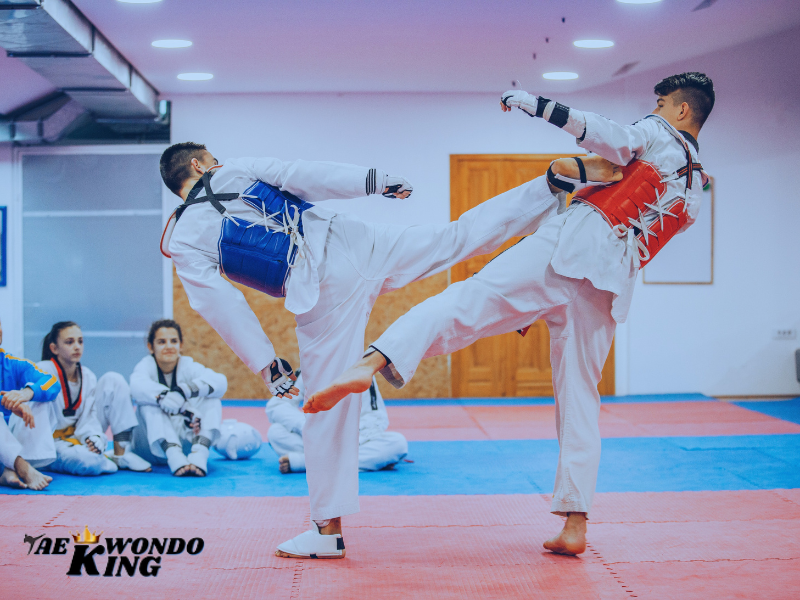
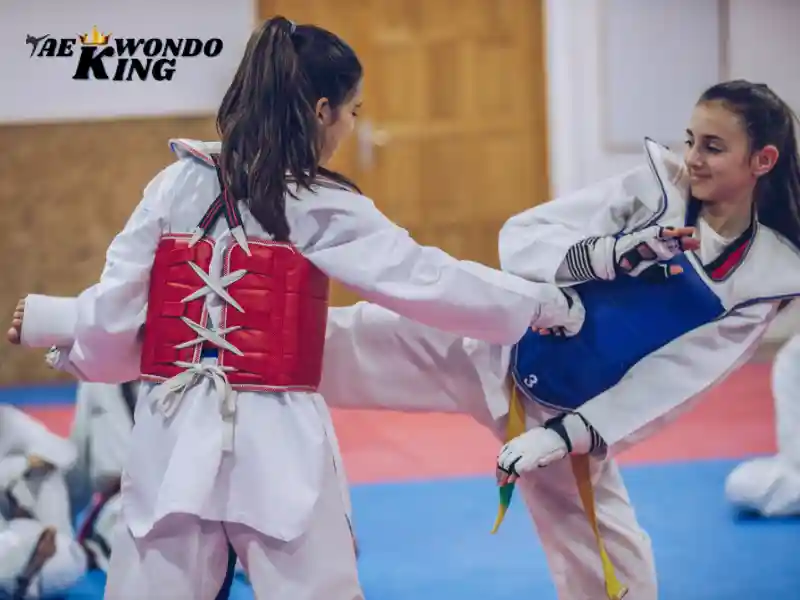
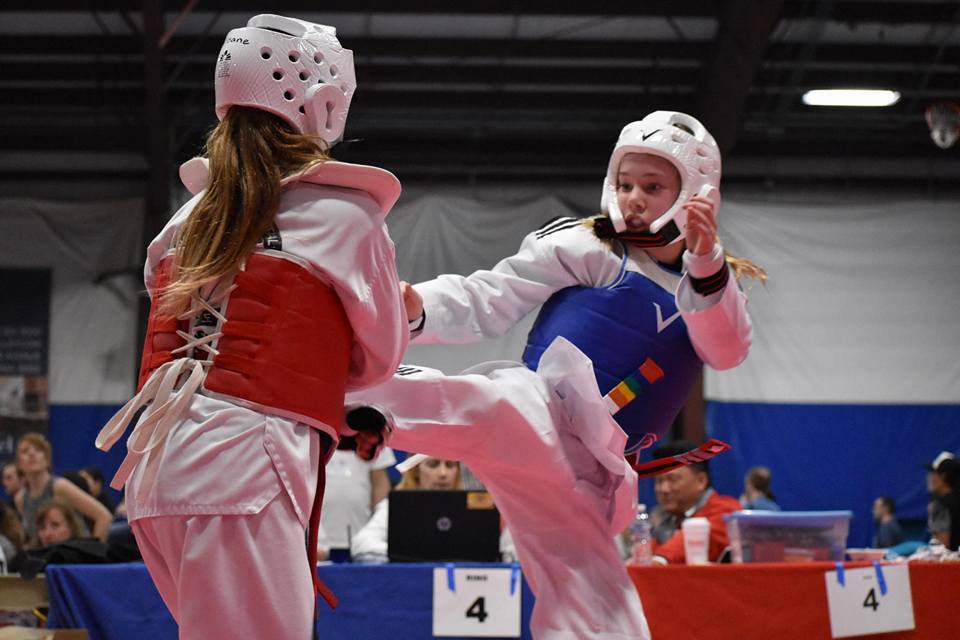
A Taekwondo match is fast and unpredictable. You must react in seconds, and mistakes are visible. This combination of mental and physical demands can trigger anxiety even in confident athletes.
How Sparring Anxiety Affects Performance
Anxiety changes both mind and body. You may notice:
- Stiff movements and slower reactions
- Tunnel vision missing key openings and threats
- Poor decision-making under pressure
- Fatigue from overthinking or shallow breathing
In a study of competitive Taekwondo athletes, those with high anxiety scored 20% fewer points on average than low-anxiety peers. Coaches report that nervous fighters often lose focus, forget strategies, or freeze during matches.
Here’s a quick comparison of performance between anxious and calm athletes:
| Factor | High Anxiety | Low Anxiety |
|---|---|---|
| Reaction Time | Slower | Faster |
| Accuracy | Inconsistent | Consistent |
| Endurance | Decreases quickly | Maintains longer |
| Decision Making | Poor | Sharp |

Practical Ways To Reduce Sparring Anxiety
You don’t have to let anxiety control your sparring. Try these proven methods:
- Preparation is key: Practice realistic sparring drills. Knowing what to expect helps you feel less nervous.
- Breathe deeply: Use slow, deep breathing before and during matches. This calms your heart rate and clears your mind.
- Positive self-talk: Replace negative thoughts (“I’ll lose!”) with positive ones (“I’m ready!”).
- Routine building: Create a simple pre-match routine. This could be stretching, listening to music, or visualizing success.
- Gradual exposure: Start with friendly sparring, then increase intensity. Facing anxiety step-by-step makes it easier to manage.
- Focus on technique, not outcome: Concentrate on your kicks, blocks, and footwork instead of worrying about winning.
- Accept mistakes: Everyone makes errors. Treat them as learning points, not disasters.
Many athletes overlook the power of mental rehearsal. Visualizing yourself sparring calmly can actually train your brain to stay relaxed. Another non-obvious tip: Track your anxiety levels in a journal. Recording when and why you feel nervous helps you spot patterns and improve.
Building Confidence For Sparring
Confidence comes from preparation, support, and positive experiences. Here are ways to build it:
- Set small goals: Aim to improve one skill per session, like timing a roundhouse kick.
- Celebrate progress: Notice small improvements, not just big wins.
- Get feedback: Ask coaches or peers for advice on what you did well and what to work on.
- Train with different partners: Sparring with various styles reduces fear of new opponents.
Some athletes find that watching videos of their own sparring helps identify strengths and weaknesses calmly, instead of feeling judged in the moment.
Common Mistakes When Facing Sparring Anxiety
Many beginners make these errors:
- Ignoring anxiety: Pretending nerves don’t exist can make them worse.
- Overtraining: Trying to “outwork” anxiety with extra practice can lead to burnout.
- Comparing to others: Every athlete’s journey is different. Focus on your progress, not others’.
A key insight: Anxiety doesn’t disappear overnight. It’s a gradual process. Expect ups and downs.
When To Seek Extra Help
If anxiety stops you from sparring, or if you experience panic attacks, it might be time to talk to a coach, sports psychologist, or counselor. Professional support can teach new coping strategies and make sparring enjoyable again.
Here’s a comparison of self-help versus professional support:
| Approach | Benefits | Limitations |
|---|---|---|
| Self-help | Flexible, affordable, builds independence | May not solve severe anxiety |
| Professional support | Expert guidance, faster results, tailored plans | Cost, need for appointments |
For more information on sports psychology and anxiety, visit Psychology Today.
Frequently Asked Questions
What Is Sparring Anxiety In Taekwondo?
Sparring anxiety is the nervousness or fear felt before or during a Taekwondo sparring match. It comes from worries about injury, performance, or competition.
Can Anxiety Make Me Lose A Match?
Yes. High anxiety can cause slower reactions, poor decisions, and mistakes. Staying calm improves your chances of winning.
How Can I Calm Down Before Sparring?
Try deep breathing, positive self-talk, and a simple pre-match routine. Practicing these regularly makes them more effective.
Should I Avoid Sparring If I Feel Anxious?
No. Facing sparring anxiety gradually helps you overcome it. Avoiding it can make the problem worse.
Is Sparring Anxiety Normal?
Yes. Most Taekwondo athletes experience anxiety at some point. With practice and support, it becomes easier to manage.
Learning to manage sparring anxiety is part of every martial artist’s journey. By understanding the causes, using practical tools, and seeking help when needed, you can turn nervousness into confidence. Sparring becomes not just a test of skill, but a chance to grow mentally and physically.

Founder, Owner, and CEO of TaekwondoKing.
He is one of the top 100 martial artists in the World and among the top 20 referees in Bangladesh.
Ehatasamul Alom is an esteemed Kukkiwon Certified Taekwondo 3rd Dan Black Belt with over 15 years of experience in this dynamic martial art. Born in Rajshahi, Bangladesh, Ehatasamul’s journey with Taekwondo began at the tender age of seven. His passion led him to compete at national and international levels, where he has bagged numerous awards and honors. He is also a member of the Taekwondo National Referee Panel.
With a Bachelor’s degree in Sports Science from the prestigious Rajshahi University, Ehatasamul has a deep understanding of the technical and scientific aspects of martial arts and some other martial arts.
In 2022, Ehatasamul created the “TaekwondoKing.com” to share his knowledge, Free Resources, Values, and Real experiences. His articles focus on Taekwondo training techniques, competition strategies, Sport Products Reviews, and the art’s rich history and philosophy. He also writes about the importance of mental fortitude and discipline, key aspects of his teaching philosophy. He has already launched many sports, Taekwondo, and health-related Free online tools. His goal is to inspire both beginners and seasoned practitioners worldwide through insightful and engaging content.
If you need any help, contact Ehatasamul Alom at any time.