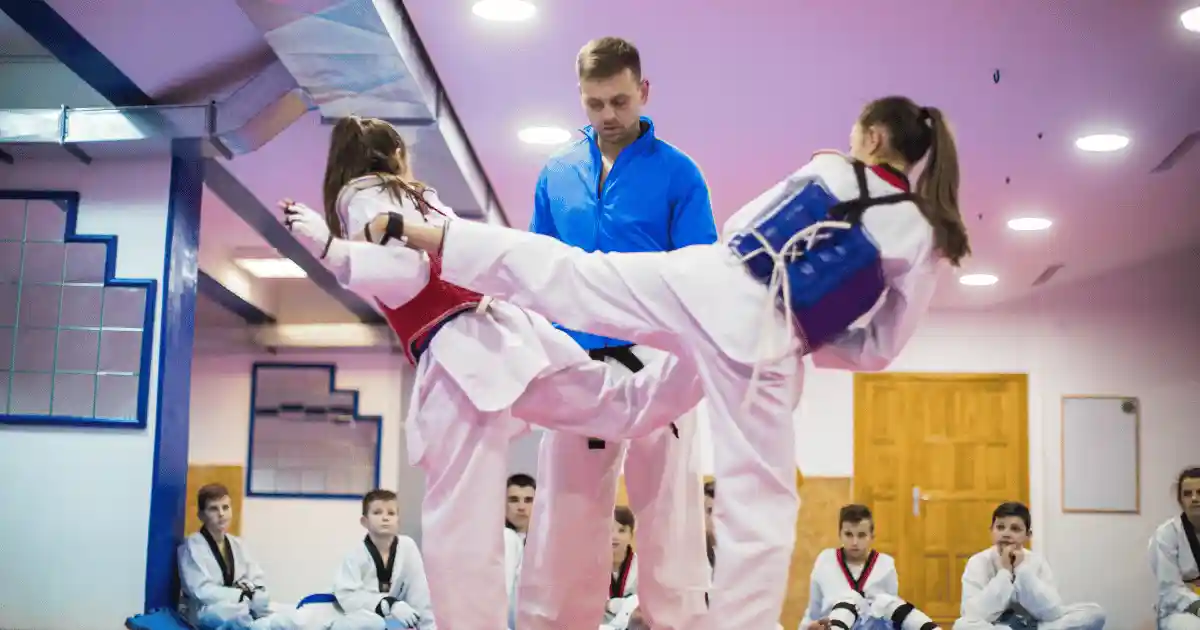
A student once asked me if a black belt alone was enough to run a class. My honest answer surprised him. The qualifications needed to coach Taekwondo depend on your goal, your location, and the group you plan to teach. A parent in Charlotte, North Carolina asked me the same thing last spring, and I gave her the same answer I give everyone. Rank matters, but it is only one piece of a much bigger picture. Coaching also asks for safety training, safeguarding knowledge, and real hours on the mat with students. This guide walks through every layer, from technical rank to USA Taekwondo pathways, so you can build a plan that fits your goal.
What Qualifications Do You Need to Coach Taekwondo?
There is no single worldwide Taekwondo coaching licence. Your path depends on whether you plan to teach beginners at a local dojang or guide athletes through sanctioned competitions. A parent looking for Taekwondo for beginners wants a different kind of coach than a competitor chasing a national title.
Technical Taekwondo Qualifications
A coach needs a working grasp of the art itself. This includes:
- Colour belt experience
- Black belt and Dan rank
- Poomsae knowledge, covered well in these poomsae rules and regulations
- Kyorugi (sparring) knowledge, explained further in World Taekwondo kyorugi rules
- Comfort with Taekwondo terms and core moves, including these powerful kicking techniques
- A feel for technique, timing, and balance
- Awareness of the sport’s strengths and weaknesses
Many new coaches also invest in durable training pads like these early on, since demonstrating technique clearly for a class depends on solid, well-padded gear.
Coaching Qualifications
Beyond rank, a coach needs formal coaching training: coach education courses, instructor certification, competition coaching courses, and credentials tied to a specific organisation. A coach also benefits from understanding the first technique every student should learn and why flexibility plays such a big role in long-term progress.
Safety Qualifications
Every coach should carry first aid and CPR training, along with a base level of injury response and concussion awareness. I always keep this compact first aid kit in my gym bag, since sprains and small cuts happen more than people expect. Understanding how demanding Taekwondo can be on the body helps a coach spot fatigue and overuse before it turns into a real injury.
Safeguarding Qualifications
Child protection, athlete welfare, SafeSport training in the USA, and background screening round out this list, especially for anyone working with minors.
Practical Coaching Experience
Assistant coaching, shadowing senior instructors, leading warm-ups, teaching beginner drills, and gaining competition experience all build real skill over time. Reading through the most important things I learned while training can give a new assistant a helpful head start before their first class.
The Important Difference
Rank does not equal a coaching qualification. A coaching qualification does not equal an instructor qualification. And neither one equals a competition licence. Keep that distinction in mind through the rest of this guide, since it changes which course you actually need.
Do You Need a Black Belt to Coach Taekwondo?
This is one of the most searched questions in the sport, so let’s answer it directly, then unpack the details.
Is a Black Belt Legally Required?
No universal global law forces every Taekwondo coach to hold a black belt. Requirements instead come from national governing bodies, competition organisers, individual dojangs, insurance providers, and local regulations. A gym in Atlanta may set different rules than one of the learning centers in Las Vegas or a class in Dallas, so always confirm local expectations before you commit to a course.
Why Black Belt Rank Still Matters
Even without a legal mandate, black belt rank builds technical credibility. It shows knowledge of fundamentals, the ability to demonstrate techniques cleanly, a grasp of the full curriculum, and it gives students confidence in their coach.
Can a Lower-Ranked Student Assist a Coach?
Yes, under supervision. A colour belt student can help with warm-ups, hold pads, run basic drills, and assist beginner classes. The key word is supervision. A lower-ranked assistant should never run a class alone. Supervised roles like this pair nicely with programs that build self discipline and self confidence in younger students, since assistants often become role models without even realizing it.
Does a Black Belt Make You a Good Coach?
Technical skill alone is not enough. Good coaching also needs communication, patience, planning, sharp observation, and steady leadership. I have trained under black belts who could barely explain a technique, and colour belts who taught with real clarity.
Simple Example
Picture two instructions for the same kick. One coach says “Kick harder!” Another says “Turn your supporting foot, rotate your hip, and return your leg quickly.” The second version teaches something the first never could. This gap is exactly why coaching adds value on top of rank.
Taekwondo Rank and Dan Certification
Rank is often the first qualification people think about, and it matters, but it is only one part of becoming a capable coach.
What Is a Dan Rank?
Dan grades mark black belt progression, moving from first Dan upward through advanced levels. These systems can vary by organisation, so a fourth Dan in one federation may not map exactly onto another.
Does Higher Dan Rank Mean Better Coaching?
Higher rank often brings deeper technical experience, more teaching maturity, and stronger leadership instincts. It does not, however, guarantee coaching ability. I have met ninth-degree masters who inspired a room and others who struggled to hold a beginner’s attention.
Why Rank Requirements Can Vary
Different organisations, national associations, competition levels, and instructor programmes each set their own bar. A local dojang might accept a first Dan instructor, while an international event demands far more.
Kukkiwon Certification and Taekwondo Coaching
Kukkiwon plays a central role in Dan certification for Kukkiwon and World Taekwondo style practice. Keep Kukkiwon Dan certification, instructor education, master courses, and competition coaching separate in your mind. These are related credentials, not identical ones.
Who Should Consider a Kukkiwon Pathway?
Practitioners inside the Kukkiwon and WT system, advanced instructors, and anyone pursuing formal international development should look closely at this pathway. I have met instructors from academies across Chicago and schools throughout Nevada who built their entire coaching identity around this exact route.
Instructor Certification vs Taekwondo Coach Certification
These terms sound alike, but they serve different purposes. This section should stop you from paying for the wrong course simply because the title sounds impressive.
What Does an Instructor Qualification Cover?
Instructor training focuses on teaching technique, curriculum design, class management, and guiding students through steady progression.
What Does a Coach Qualification Cover?
Coach education leans toward athlete development: competition preparation, tactics, performance analysis, and match-day decisions. This overlaps closely with the world of sparring strategy.
What Does a Competition Coach Licence Cover?
A competition coach licence deals with event eligibility, competition rules, coaching conduct, and tournament procedures, much of it echoed in official referee rules and regulations.
Can One Person Hold All Three?
Yes, depending on the organisation. In smaller dojangs, roles overlap constantly, with one person acting as instructor, coach, and event handler all at once.
Comparison Table: Qualification Types
The names can be confusing, so here is a quick reference table for what each credential is generally designed to do. Exact requirements vary by organisation, so always check with your specific federation.
| Qualification | Main Purpose | Typical Use |
|---|---|---|
| Dan Rank | Demonstrate technical progression | Martial arts development |
| Instructor Certification | Teach Taekwondo | Dojang classes |
| Coach Education | Develop athletes | Training and performance |
| Competition Certification | Coach at events | Tournaments |
| First Aid/CPR | Respond to emergencies | Athlete safety |
| Safeguarding | Protect athletes | Youth and sport settings |
USA Taekwondo Coach Qualifications
For coaches based in the United States, this section carries the most weight. Local teaching and sanctioned competition coaching call for different steps, so let’s separate them clearly.
USA Taekwondo Membership
Membership sits at the base of nearly every coaching pathway. Event participation typically requires current, active membership status, renewed each year. Recent moves by USA Taekwondo leadership, including efforts to strengthen international leadership roles, show how closely coaching pathways stay tied to national and international governance.
USA Taekwondo Associate Coach Requirements
The Associate Coach pathway asks candidates to pass the Associate Coach Quiz, meet a minimum age requirement, hold current membership, complete SafeSport training, and clear a background screening where applicable. Current USA Taekwondo information does not tie Associate Coach status to a specific belt rank, but that does not make technical competence irrelevant. A coach without solid fundamentals will struggle regardless of paperwork.
SafeSport Training
The U.S. Center for SafeSport exists to protect athletes from abuse. Training expectations apply directly to coaches working with minors, and this training must stay current through the season.
Background Screening
Coaches, referees, instructors, and club owners typically need screening. Renewal periods and specific policies change from time to time, so always confirm current requirements with official USA Taekwondo guidance before your event.
USA Taekwondo Kyorugi Coach Education
Sparring-focused coach education covers competition rules, tactical decision making, and event-day requirements for kyorugi divisions.
USA Taekwondo Poomsae Coach Education
Poomsae coach education has a separate focus: technical performance, presentation, accuracy, and the specific criteria judges use in competition.
Higher-Level USA Taekwondo Coaching
Level 1 and Level 2 coach education build toward advanced coaching development, layering in athlete development and deeper competition experience.
USA Qualification Checklist
- Current membership
- Applicable coach education
- SafeSport training
- Background screening where required
- Event-specific requirements
- Relevant discipline training
- Ongoing education
World Taekwondo Coach Qualifications
World Taekwondo runs a separate international competition-coaching pathway. Let’s keep it distinct from local instructor certification so nothing gets confused.
What Is World Taekwondo?
World Taekwondo is the international governing body for the sport, overseeing Olympic competition structure at the highest level. Recent updates, such as World Taekwondo’s move to celebrate International Sport Day and its work to merge para Taekwondo education into mainstream coaching, show how active this body stays year round.
World Taekwondo International Coach Certification
This pathway certifies coaches for international competition. Different levels exist, each building on the last, and each tied to specific course participation.
Level I and Level II Coaching
Progression through these levels asks for growing experience, structured course work, and involvement from your national association.
Who Needs World Taekwondo Coach Certification?
International competition coaches, high-level athletes, and coaches operating inside relevant competition structures benefit most from this certification.
Important Clarification
A coach teaching children at a small local dojang does not need the same credential as someone guiding athletes at an international event. Match the qualification to the actual coaching role, not the other way around.
Kukkiwon Qualifications for Taekwondo Instructors and Coaches
Kukkiwon carries special weight for practitioners following the Kukkiwon and World Taekwondo system.
What Is Kukkiwon?
Kukkiwon oversees Dan certification, technical standards, and instructor development within its system, acting as a central reference point for rank worldwide. Events like the Kukkiwon Cup and initiatives such as the Taekwondo Promotion Foundation’s education agreement with KAIST both show how seriously this organisation treats ongoing coach and instructor development.
Kukkiwon Dan Certification
Dan rank through Kukkiwon can matter greatly for credibility, but rank alone is still not a complete coaching qualification on its own.
Kukkiwon International Taekwondo Master Course
This course dives into teaching methods, Taekwondo theory, poomsae, gyeorugi, self-defence, and instructor development, giving experienced practitioners a structured path forward.
Eligibility and Rank Requirements
Eligibility depends on the specific course offered. Always check current official criteria directly with Kukkiwon before enrolling, since requirements shift over time.
Kukkiwon vs World Taekwondo vs USA Taekwondo
These organisations connect to different parts of the Taekwondo ecosystem. They should never be treated as three interchangeable coaching certificates.
| Organisation | Main Relevance | Example Focus |
|---|---|---|
| Kukkiwon | Technical and Dan system | Rank and instructor development |
| World Taekwondo | International sport | Competition and global sport |
| USA Taekwondo | US national pathway | Membership and coaching education |
| National Association | Country-specific structure | Local and national requirements |
First Aid and CPR Qualifications for Taekwondo Coaches
You can teach a perfect roundhouse kick and still need to know exactly what to do when someone gets hurt.
Why First Aid Matters
Martial arts involve real physical contact. Injuries happen, and quick, calm action matters far more than panic. A closer look at common Taekwondo injuries shows just how often small mishaps occur during ordinary sparring drills.
CPR Training
Current CPR training prepares a coach for emergency response, whether working with children or adults. Certification lapses, so renew it on schedule rather than letting it expire quietly. Many coaches also pack a small CPR barrier mask like this one into their kit bag, so they are never caught unprepared during a class or tournament.
Injury Recognition
Coaches should learn to spot sprains, strains, fractures, head injuries, and concussion symptoms early, before a small issue becomes a serious one. This matters just as much in weight-class events, where understanding Taekwondo’s weight limit rules helps a coach guide athletes toward safer, healthier weight management.
When to Stop Training
Stop a session immediately for severe pain, a suspected fracture, loss of consciousness, suspected concussion, or serious bleeding. No drill or tournament is worth ignoring these signs.
Coach vs Medical Professional
A coach is not a doctor. Coaches should never diagnose injuries beyond their training, and should always refer athletes to qualified medical professionals when something looks serious. I keep this well-stocked sports first aid kit at every class, alongside a laminated card listing emergency contacts.
Safeguarding Qualifications for Taekwondo Coaches
For anyone coaching children, safeguarding should be treated as a core qualification, not a box to tick five minutes before a tournament.
Child Protection Training
This training covers recognising concerns, reporting them correctly, and keeping appropriate boundaries with young students at all times.
SafeSport in the USA
The SafeSport framework protects athletes and outlines clear coach responsibilities, directly tied to the official safety and medical rules used across sanctioned events.
Background Checks
Organisations use background checks to protect their members. Screening requirements can vary by role and region, so confirm current rules with your federation.
Professional Boundaries
Boundaries cover appropriate communication, social media contact, one-to-one interactions, physical contact during drills, and travel or accommodation arrangements at events. A written code of conduct, printed and kept alongside a simple coaching folder like this, gives parents and students something concrete to reference.
Do You Need Coaching Experience Before Getting Qualified?
Certificates matter, but coaching is a practical skill you build over time. You learn a lot fast when twelve beginners ask twelve different questions at once.
Start as an Assistant Coach
Help with warm-ups, demonstrate drills, hold pads, and assist beginners as they learn their first stances.
Shadow an Experienced Instructor
Observe class structure, watch how corrections get delivered, and learn how a strong instructor manages behaviour in a busy room.
Lead Small Parts of a Class
Take the warm-up. Lead stretching. Run a few basic drills. Close with the cool-down. Small responsibilities build real confidence.
Gain Competition Experience
Attend tournaments, observe coaches in action, learn event procedures, and study how athletes prepare before stepping onto the mat.
Practical Experience Checklist
- Assisted a qualified coach
- Led warm-ups
- Taught basic techniques
- Managed small groups
- Helped at competitions
- Received feedback
What Skills Should a Qualified Taekwondo Coach Have?
A certificate may open the door, but these skills help you stay useful once you walk through it.
Technical Knowledge
Solid fundamentals, poomsae understanding, kyorugi knowledge, and a working grasp of the rules all matter here.
Communication
Clear instructions, simple language, and active listening turn confusion into confidence for students of every age.
Observation
A sharp coach spots technical errors early, notices fatigue building, and picks up on confidence changes before they become a problem.
Leadership
Set clear standards, build trust with your students, and lead by example on and off the mat.
Patience
Repeat instructions without frustration, adapt your teaching style, and encourage students who learn more slowly than others.
Emotional Intelligence
Manage pressure calmly, deliver criticism with care, and support athletes after tough losses rather than piling on. I often lean on these effective exercises to manage anger, both for myself as a coach and for athletes who need to reset after a frustrating match.
Planning
Session planning, long-term athlete development, and competition preparation all require the same steady, forward-looking mindset.
How Qualifications Differ for Children, Adults and Competitors
One qualification does not automatically prepare you for every coaching situation you will face.
Coaching Children
Safeguarding knowledge, age-appropriate training methods, and clear communication with parents all matter more here than anywhere else. My full breakdown on teaching kids Taekwondo goes deeper into this exact topic.
Coaching Adults
Adults bring individual goals, varied fitness levels, and specific injury considerations, all covered further in this guide to Taekwondo for adults and these adult beginner lessons.
Coaching Competition Athletes
Competition coaching leans on rules knowledge, tactics, performance analysis, and structured preparation before each event. A strong coach also knows the GMS rules and regulations and, when relevant, the Para Taekwondo competition rules set by World Taekwondo.
Coaching Elite Athletes
At the elite level, sports science, periodisation, recovery planning, and high-performance support all become part of the job.
Qualification Needs by Coaching Role
| Coaching Role | Key Qualification Areas |
|---|---|
| Assistant Coach | Technical knowledge and supervision |
| Children’s Coach | Safeguarding and youth coaching |
| Dojang Instructor | Rank and instructor education |
| Competition Coach | Coach education and event requirements |
| International Coach | Advanced certification and experience |
| Head Coach | Leadership and programme management |
How Much Does It Cost to Get Qualified as a Taekwondo Coach?
Costs vary widely between organisations, regions, and course levels, so treat any single number as a rough guide only.
Possible Costs
Membership fees, coach education, instructor courses, seminars, first aid and CPR training, background checks, travel, and equipment all add up over a coaching career. Before you commit to any dojang, it helps to read up on finding the perfect Taekwondo gym, since facility quality often affects course pricing too.
Hidden Costs to Consider
Travel to seminars, accommodation, time away from work, competition travel, and renewal fees often surprise new coaches the most.
Qualification Cost Planning Table
The cheapest course is not always the best fit. Before paying, check whether the qualification is recognised by the organisation where you actually want to coach.
| Cost Area | What to Check |
|---|---|
| Membership | Annual renewal |
| Coach Course | Course and assessment fees |
| Safety | First aid/CPR |
| Screening | Background check |
| Travel | Seminars and events |
| Equipment | Pads and protective gear |
| Renewal | Ongoing certification costs |
Budget-minded coaches often start their gear collection with affordable focus pads and hand wraps like these, which cover most beginner drills without a big upfront cost.
How Long Does It Take to Get Qualified as a Taekwondo Coach?
The timeline depends heavily on where you start. Someone already holding a Dan rank and assisting classes sits on a very different path from someone attending their first Taekwondo class.
Beginner Starting From Scratch
Learn the fundamentals first, build real experience on the mat, progress steadily through rank, and begin supervised assistance once ready.
Existing Black Belt
Gain teaching experience, complete relevant coach education, and add safety credentials on top of your existing technical base.
Competition Coach
Learn the rules in depth, gain tournament experience, and complete event-specific education tied to your chosen discipline.
Advanced or International Coach
Build years of steady experience, gain advanced certifications, and develop deeper athlete performance expertise over time.
Illustrative Timeline Table
| Stage | Main Development |
|---|---|
| Beginner | Learn Taekwondo fundamentals |
| Assistant | Learn basic coaching |
| Local Coach | Lead regular sessions |
| Competition Coach | Develop tactical skills |
| Advanced Coach | Lead high-level athletes |
Treat this as an example pathway, not a universal qualification timeline, since every coach’s road looks a little different.
USA Expert Advice: What Makes a Qualified Coach Effective?
Stephen McNally, CEO of USA Taekwondo, recently spoke about the sport’s coaching and athlete development pathways alongside AAU Taekwondo leadership. He described the goal as building a stronger, safer, and better-connected Taekwondo community for everyone involved, a message that lines up closely with what I have seen firsthand in gyms across the country. Coaches like Paul Green, a USA Taekwondo national team coach with an Olympic athlete background, show what years of combined competition and coaching experience can build.
Expert Insight to Highlight
Qualifications are only one part of coaching competence. A strong coach combines technical knowledge, formal education, real practical experience, sharp communication, and genuine care for athlete welfare. No single certificate replaces that full mix.
A Real Day in the Life of a Qualified Taekwondo Coach
Qualifications become easier to understand once you see how they show up in an actual day of coaching.
Before the Dojang Opens
I review my lesson plan, check equipment, and think through what each athlete needs that day. I also check my kit bag, since reliable pads and protective gear like these make the whole session run smoother once students arrive.
During a Children’s Class
I manage the warm-up, teach basic skills, keep safety front and centre, and encourage every small win I see.
During an Adult Class
I adapt training intensity, correct technique carefully, and support each student’s personal goals, whether that is fitness or competition. Many adults arrive after reading about how Taekwondo supercharges fitness, and a good pair of training gloves like these helps them ease into contact drills comfortably.
During Competition Preparation
I review tactics, look back at recent performance, and help athletes settle their nerves before stepping onto the mat. A dependable mouthguard and shin guard set, like this one many of my athletes use, stays packed in every competition bag well before fight day.
After Training
I record progress, talk through any concerns, and plan the next session while the day’s lessons are still fresh.
Sensory Detail to Include
The squeak of trainers on the mat. The thump of a kick pad. The smell of foam mats after a long session. Belts being tied before class begins. A nervous competitor waiting quietly beside the ring.
A little Korean vocabulary naturally belongs here too: dojang, kamsahamnida, kihap, poomsae, kyorugi. I keep it light, since this guide is not meant to be a vocabulary lesson.
Common Mistakes When Choosing a Taekwondo Coaching Qualification
Not every course with “master” or “coach” in the title is automatically the right choice for your goals.
Choosing a Course Without Checking Recognition
Ask whether the course is recognised, by whom, and where you can actually use it before you pay anything.
Confusing Rank With Coaching Ability
High Dan rank carries real value, but it does not automatically prove teaching ability, as covered earlier in this guide.
Ignoring Safeguarding
This mistake becomes especially risky when working with children, so never treat safeguarding training as optional.
Forgetting First Aid
Technical knowledge does not replace emergency training. Both belong in every serious coach’s toolkit.
Paying for the Wrong Certification
Local teaching differs from international competition coaching. Poomsae differs from kyorugi. Instructor training differs from coach training. Match your purchase to your actual goal.
How to Choose the Right Taekwondo Coaching Qualification
The best qualification is simply the one that matches your actual coaching goal, not the one with the flashiest name.
If You Want to Teach Beginners
Look for instructor education, solid technical rank, real teaching experience, and safety training before anything else.
If You Want to Coach Children
Prioritise safeguarding, child protection training, first aid, and age-appropriate coaching methods above all else.
If You Want to Coach Competitors
Prioritise competition rules, coach education, kyorugi or poomsae specialisation, and tactical training tied to your chosen discipline.
If You Want to Coach Internationally
Prioritise the World Taekwondo pathway, national association requirements, international coach certification, and years of high-level experience.
Five Questions to Ask Before Enrolling
- Who recognises this qualification?
- Where can I use it?
- Does it meet my organisation’s requirements?
- Does it include safeguarding or safety training?
- Will it help me reach my actual coaching goal?
Frequently Asked Questions About Taekwondo Coaching Qualifications
What qualifications do you need to coach Taekwondo?
You generally need technical rank, coach education, safety training such as first aid and CPR, and safeguarding certification, with exact requirements varying by organisation and role.
Do you need a black belt to coach Taekwondo?
There is no universal answer. Some settings require it, others do not, but black belt rank still builds strong credibility with students and parents.
Can I coach Taekwondo without a coaching certificate?
Informal assistance under supervision is common for lower ranks, but local teaching and sanctioned competition coaching almost always call for formal certification.
What certification do I need to coach Taekwondo in the USA?
USA Taekwondo requirements depend on your coaching role and the events you plan to attend, ranging from Associate Coach status to advanced Level 1 and Level 2 education.
Is a Kukkiwon certificate enough to become a Taekwondo coach?
No. Dan certification and coaching credentials serve different purposes, and most coaching roles expect both technical rank and dedicated coach training.
What is the difference between a Taekwondo instructor and coach?
Instructors focus on teaching technique and curriculum, while coaches focus more on athlete development and competition preparation.
Do Taekwondo coaches need first aid certification?
Yes, this is strongly relevant given the physical contact involved in the sport, though exact requirements vary by organisation and region.
Do Taekwondo coaches need SafeSport training?
In the USA, coaches working with minors are commonly required to complete SafeSport training as part of membership and event eligibility.
How long does it take to become a qualified Taekwondo coach?
Timelines vary widely based on starting rank, coaching experience, and the organisation’s specific pathway requirements.
Can a teenager become a Taekwondo coach?
Yes, usually through supervised assistant coaching, with specific age rules set by each organisation for higher coaching statuses.
Final Recommendation
After years on the mat, in the referee chair, and now coaching my own students, I can tell you the qualifications needed to coach Taekwondo are rarely about one single certificate. Build your technical rank honestly, then layer in real coach education, first aid training, and safeguarding certification before you ever step in front of a class alone. Spend real hours assisting a senior coach first, since no course replaces that hands-on time. If you’re coaching in the United States, get familiar with USA Taekwondo’s membership and SafeSport requirements early, since they shape almost every competition pathway.
My own path started with years as a national referee and grew through steady work as a martial arts expert, and that mix of rank, education, and real experience is still what I recommend to every coach I mentor today. If you are just starting to build your own coaching kit, this well-reviewed training gear set is a solid, budget-friendly place to begin.

Founder, Owner, and CEO of TaekwondoKing.
He is one of the top 100 martial artists in the World and among the top 20 referees in Bangladesh.
Ehatasamul Alom is an esteemed Kukkiwon Certified Taekwondo 3rd Dan Black Belt with over 15 years of experience in this dynamic martial art. Born in Rajshahi, Bangladesh, Ehatasamul’s journey with Taekwondo began at the tender age of seven. His passion led him to compete at national and international levels, where he has bagged numerous awards and honors. He is also a member of the Taekwondo National Referee Panel.
With a Bachelor’s degree in Sports Science from the prestigious Rajshahi University, Ehatasamul has a deep understanding of the technical and scientific aspects of martial arts and some other martial arts.
In 2022, Ehatasamul created the “TaekwondoKing.com” to share his knowledge, Free Resources, Values, and Real experiences. His articles focus on Taekwondo training techniques, competition strategies, Sport Products Reviews, and the art’s rich history and philosophy. He also writes about the importance of mental fortitude and discipline, key aspects of his teaching philosophy. He has already launched many sports, Taekwondo, and health-related Free online tools. His goal is to inspire both beginners and seasoned practitioners worldwide through insightful and engaging content.
If you need any help, contact Ehatasamul Alom at any time.