A noisy fitness machine can ruin a good workout. Fixing a squeaking or dragging deck often takes just one new part. My home gym setup in Dallas felt useless after my machine started to stick. Finding the right sole treadmill replacement parts saved me from buying a whole new unit. This complete guide will help you fix your own gear safely.
What Are Sole Treadmill Replacement Parts?
Every home workout machine has pieces that move. These items do not last forever. They rub together during each mile you run. Over time, friction wins. High quality replacement items fix these issues. They make your machine feel brand new. You can save lots of cash by replacing single parts.
What are Sole treadmill replacement parts?
These are exact items made to fix your machine. They include belts, boards, and small wires. Each piece has a specific job. They keep your workouts smooth and safe.
Why treadmill parts eventually wear out
Heavy feet slam down on the deck during runs. This force creates intense heat and deep friction. Heat breaks down rubber and thin wires. Dust also gets inside the motor cover. Dust makes moving components work too hard.

Signs your Sole treadmill needs replacement parts
Your machine will tell you when it hurts. Listen for odd sounds during your run. Watch how the walking surface acts. Look for these clear warning signs below.
Walking belt slipping
The surface can pause while you step. This shift makes you lose your balance. It means the material has stretched out.
Loud squeaking or grinding
Metal parts should never scream. A loud squeak means dry bearings. It can also mean a roller is bad.
Burning smell
A hot plastic smell is a big warning. It means too much friction exists. Stop the machine right away.
Incline not working
The deck might refuse to rise up. This means the lift lift motor is stuck. It could also mean a bad switch.
Console won’t turn on
A dark screen means power is not moving. The top board might have shorted out. Check the power supply wire first.
Speed fluctuates
The speed might jump up and down. This erratic movement is dangerous. It points to a bad speed sensor.
Error codes
The screen might show letters and numbers. Codes like E1 point to clear problems. They tell you exactly what failed.
Treadmill won’t start
You press start but nothing moves. The safety key might be loose. The main control board could be dead.
Repair vs replacing your Sole treadmill
A new fitness machine costs big money. Most single fixes are quite cheap. Replacing a belt is simple. It makes more sense than junking the unit. Fix your gear to keep cash in your bank.
Most Common Sole Treadmill Replacement Parts
Most models last for many years. You just have to change wear items. Some parts fail much faster than others.
After fixing home gym gear for years, I know what breaks. The main motor is rarely the core issue. Most trouble comes from basic wear items. Let us look at the top parts that need care.
Table 1: Most Frequently Replaced Sole Treadmill Parts
| Part | Function | Common Symptoms | Replacement Frequency |
| Walking Belt | Running surface | Slipping or cracks | High |
| Drive Belt | Transfers power | Belt won’t move | Medium |
| Running Deck | Supports belt | Rough movement | Medium |
| Drive Motor | Powers belt | No movement | Low |
| Control Board | Controls speed | Stops randomly | Medium |
| Console Display | Controls workouts | Blank display | Low |
| Front Roller | Rotates belt | Loud noise | Medium |
| Rear Roller | Belt tracking | Wobbly squeaking | Medium |
| Incline Motor | Raises deck | Incline failure | Medium |
| Safety Key | Safety switch | Won’t start | Medium |
| Power Cord | Supplies power | No power | Low |
Walking belt
This is the large mat you step on. It takes the most abuse. It needs frequent lube to stay smooth.
Signs it needs replacement
Look for fraying on the outer edges. Look for smooth spots underneath. Cracks mean it is time for a change.
Expected lifespan
A good mat lasts about fifteen hundred miles. This depends on your weight and cleaning habits. Lube extends this life by years.
Drive belt
This small loop connects the motor to the front roller. It has small ridges on the inside. It can crack or lose its grip over time. A bad drive belt makes a loud whining noise.
Running deck
The slick black board under the mat is the deck. It absorbs the shock of your feet. If the smooth coating wears off, friction spikes. This extra drag kills your main control board.
Drive motor
The motor is the heavy heart of the unit. It turns electrical power into physical speed. Sole uses large, strong motors. They rarely burn out unless you ignore a dry belt.
Motor control board (MCB)
This green circuit board sits next to the motor. It takes commands from the console display. Then it sends the right power to the motor. A power spike can fry this board instantly.
Console display
The upper screen shows your time and speed. Buttons can stop clicking after years of sweat. If the screen goes dim, the internal display chips are failing.
Front and rear rollers
Rollers are the steel tubes that let the mat spin. They contain small steel ball bearings inside. When those bearings go dry, you will hear a loud grinding sound.
Incline motor
This small motor lifts the front of the frame. It uses a long metal screw shaft. If it fails, the machine stays flat. You might hear a clicking sound when you press up.
Safety key
This small plastic piece has a magnet attached. It snaps into the front console. Without it, the machine stays dead to protect you from falls.
Power cord and switch
The wire plugs into your wall outlet. The red switch turns the main power on. Heavy use can loose these connections. A broken wire means zero power gets inside.
How to Identify the Correct Sole Replacement Parts
Getting the wrong item stalls your repair job. You must double check your specific numbers. Never guess based on how a part looks online.
Finding your Sole treadmill model number
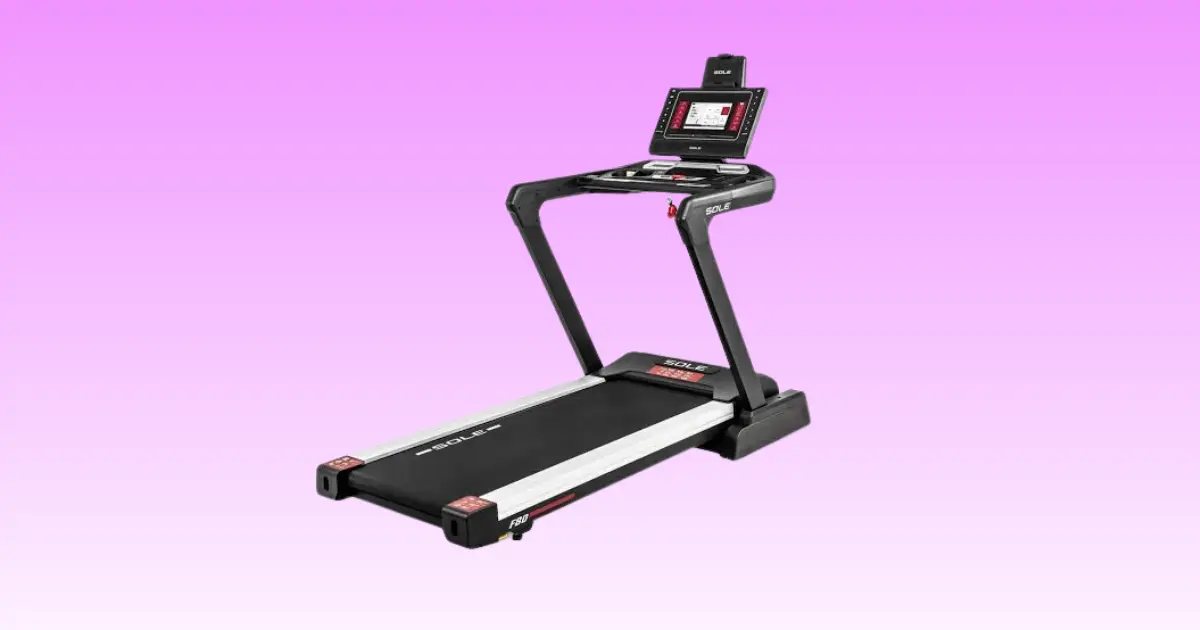
Look at the large plastic hood cover. The model name like F80 is printed right there. You can also check your original user manual.
Locating the serial number
Look at the very front frame base. You will see a small burgundy sticker there. It has a long code with sixteen digits. Write this code down exactly.
Matching OEM part numbers
Original makers give every piece a unique code. Check the bad part for a stamped number. Match this number to the online catalog list.
Compatibility across Sole treadmill models
Some pieces fit multiple model types. Let us review the primary lines.
Sole F63
This is the entry model unit. It uses a smaller motor and narrow rollers. Many of its parts do not fit the larger frames.
Sole F65
The F65 is a step up from the F63 frame. It has a slightly wider running space. It shares some electronics with the lower models.
Sole F80
This unit is extremely popular. It uses heavy heavy rollers and a robust deck. Its parts match mid tier machines perfectly.
Sole F85
This is a top folding machine. It features a huge four horsepower motor. The electrical boards are specific to this large size.
Sole TT8
This is a non folding light commercial unit. It does not have a folding latch system. The frame parts are totally unique.
Why compatibility matters
An ill fitting belt will rip apart in days. The wrong control board can burn out your motor. True fit ensures safety during fast sprints.
Where to Buy Sole Treadmill Replacement Parts
Where you buy your gear determines your warranty. Choose sellers with clear return rules.
Finding a good source saves days of stress. Cheap parts often show up with zero instructions. Let us look at your real options for shopping.
Table 2: Best Places to Buy Sole Replacement Parts
| Seller | OEM Parts | Warranty | Best For |
| Sole Fitness | Yes | Excellent | Genuine parts |
| Authorized Dealers | Yes | Excellent | Certified replacements |
| Fitness Stores | Mostly | Good | Large inventory |
| Online Marketplaces | Mixed | Varies | Budget repairs |
| Local Repair Shops | Some | Medium | Fast service |
Buying directly from Sole
This is the safest path for any owner. You get true original items that fit perfectly. Their team can check your serial number to confirm.
Authorized parts dealers
These shops partner directly with the factory. They stock deep inventories of older components. They offer real factory warranties on what they sell.
Fitness equipment suppliers
Large fitness warehouses stock thousands of generic items. They offer good prices on belts and rollers. Their shipping speeds are often very fast.
Online marketplaces
You can find cheap parts on large auction sites. Be careful with unknown brands. Many of these items lack a solid warranty.
Used and refurbished parts
Some shops strip down broken machines for parts. These items cost very little cash. Only use them for simple metal frames or covers.
OEM vs Compatible Sole Replacement Parts
Choosing between factory and generic items can be tough. Both options have good points to consider.
I have used both types of parts in my garage. Original items give me true peace of mind. Generic items save cash on simple plastic or rubber.
Table 3: OEM vs Compatible Parts Comparison
| Feature | OEM Parts | Compatible Parts |
| Fit | Exact | May vary |
| Reliability | Excellent | Varies |
| Warranty | Better | Limited |
| Cost | Higher | Lower |
| Availability | Moderate | Wide |
Benefits of OEM parts
Original items meet strict factory safety tests. They use the exact materials your machine had brand new. They protect your structural lifetime frame warranty.
Advantages of compatible parts
Generic options cost much less money. They are easy to find when factory stock runs low. Some custom belts handle heat better than stock mats.
Which option offers better long-term value?
Electronics should always be original factory pieces. A generic belt is fine if money is tight. Spend more on core items to protect your machine.
DIY Guide to Replacing Sole Treadmill Parts
Fixing your machine is a great weekend project. Take your time and focus on each step.
Tools you’ll need
Gather a full set of hex keys. You will also need a cross head screwdriver. Keep some light machine lube nearby. A soft towel helps clean dirty areas.
Safety precautions before starting
Always pull the electrical plug from the wall outlet. Never work on a machine that is plugged in. Wear thick shoes to protect your feet from heavy metal components.
Replacing the walking belt
This job takes about one hour to complete. Go slowly to avoid scratching the slick deck.
Removing the old belt
Loosen the rear roller bolts fully. Remove the plastic motor cover up front. Take off the side foot rails. Slide the old mat off the side of the frame structure.
Installing the replacement belt
Slide the new mat over both steel rollers. Ensure the top pattern faces up. Reattach the side rails to the steel frame securely.
Belt alignment and tension
Tighten the rear bolts evenly on both sides. Turn the mat by hand to check the path. It should sit right in the center of the deck.
Replacing the drive belt
Remove the main motor hood cover completely. Walk the old belt off the small motor pulley wheel. Slip the new loop over the teeth. Spin the fan by hand to align it.
Installing a new running deck
Take off the top walking mat first. Unscrew the side rubber isolation mounts. Lift the heavy wooden board out. Drop the new slick deck down and fasten it tight.
Replacing rollers
Loosen the rear adjustment bolts until tension drops. Slide the roller axle out of its metal bracket. Pop the new roller in place. Tighten the bolts back to their original marks.
Replacing the motor control board
Label every wire with tape before unplugging. Unscrew the green board from the metal base tray. Screw the new board down. Plug each wire into its matching slot carefully.
Replacing the incline motor
Set the frame flat on the floor surface. Unbolt the lift motor from the bottom rack. Disconnect the power wire leading to the console. Bolt the new lift motor into place.
Final inspection before first workout
Turn the belt by hand to ensure nothing binds. Plug the machine back into the wall outlet. Run it at one mile per hour to watch the tracking.
Troubleshooting Before Ordering Replacement Parts
Do not spend cash until you test the system. Many issues disappear with basic care.
One cold morning a friend thought their motor was dead. The mat was just completely dry. A bit of lube fixed the issue in ten minutes. Always check the simple things first.
Table 4: Symptoms and Likely Replacement Parts
| Symptom | Possible Cause | Likely Replacement Part |
| Won’t power on | Wire issue | Power cord |
| Belt slips | Worn mat | Walking belt |
| Loud squeak | Bearing wear | Front or rear roller |
| Burning smell | High friction | Lube or new deck |
| Incline stuck | Motor jam | Incline motor |
| Blank console | Board failure | Display console |
| Stops mid run | Board heat | Motor control board |
Walking belt slipping
If the mat hesitates, check the tension first. Tighten both rear roller bolts a half turn. Test it again with your feet.
Belt won’t move
If the motor hums but nothing spins, check the small drive belt. It might have snapped completely off the pulley wheels.
Incline not working
Try a full calibration cycle before buying parts. Hold start and speed up while inserting the key. This resets the lift limits automatically.
Console not turning on
Check your main wall outlet breaker switch. Ensure the data cable inside the vertical upright post is plugged in tight.
Strange noises
A rhythmic thumping is often just a bent belt seam. A constant metallic squeak means a roller bearing has failed completely.
Burning smell
Stop running immediately if you smell hot plastic. Wipe the deck to check for black dust. Apply fresh silicone oil underneath the mat right away.
Common Sole treadmill error codes
Code E1 means communication has failed between boards. Code E2 points to a major motor load issue. Also, Code E3 means your speed sensor is dirty.
Sole Treadmill Replacement Part Costs
Fixing a machine costs much less than buying a brand new one. Plan your budget ahead of time.
Average prices for common parts
A new walking mat costs around one hundred dollars. Control boards run from one hundred to two hundred dollars. Small safety keys cost under twenty dollars.
DIY vs professional repair costs
Pros charge close to one hundred dollars per hour for labor. Doing the work yourself saves that fee entirely. You only pay for the actual part.
When repairing is worth the investment
If your frame is under ten years old, fix it. Changing a belt or board is highly cost effective. It adds years of life to a solid machine.
When replacing the treadmill makes more sense
If the frame has deep rust or cracks, stop. If multiple expensive parts fail at once, buy a new unit. Do not waste cash on a total wreck.
Maintenance Tips That Extend Replacement Part Life
Good habits keep your machine running soft and quiet. Regular care stops parts from breaking early.
Clean after every workout
Wipe sweat off the side rails right away. Sweat contains salt which rusts steel parts fast. Use a damp cloth on the plastic covers.
Lubricate the walking belt
Apply pure silicone oil every three months. Lift the side of the mat and squeeze it onto the wood deck. This reduces motor strain instantly.
Check belt tension monthly
The mat should lift up about three inches in the middle. If it lifts higher, it is too loose. If it is stiff, loosen it slightly.
Remove dust from the motor compartment
Unplug the machine and take off the black hood. Use a vacuum to remove dust clumps carefully. Do not hit the delicate wires.
Protect electronics from moisture
Never store your fitness machine in a damp basement. Use a surge protector to shield the circuit board from lightning strikes.
Seasonal maintenance checklist
Check the bolts for tight fit every spring. Vacuum under the frame to keep carpet lint away. Ensure the power wire is not pinched under the wheels.
USA Expert Advice for Sole Treadmill Repairs
Listen to people who fix these units every day. Their tips will save you time and money.
“The first thing I inspect is never the motor. I always check belt lubrication, deck wear, and roller condition because those three issues account for most repair calls.” — Mike Reynolds, USA Fitness Equipment Technician
The biggest DIY repair mistake
People often overtighten the walking mat out of fear. This crushes the roller bearings and cracks the front pulley wheel. Keep it just tight enough not to slip.
What professionals inspect first
We always look at the underside of the running mat first. If it feels dry like old paper, lubrication is missing. That dry surface destroys everything else.
When to contact Sole customer support
Call the company if your machine is still under warranty. They can send a certified local tech to your house for free.
Frequently Asked Questions
Where can I buy genuine Sole treadmill replacement parts?
Buy them straight from the official factory website for perfect fit. Authorized fitness parts stores also stock genuine components.
How do I identify the correct replacement part?
Locate the burgundy serial sticker on the bottom front frame. Use that exact number to search the parts catalog.
Can I install Sole treadmill replacement parts myself?
Yes, basic tools like hex keys make most jobs simple for beginners. Belts and boards take under an hour.
Are compatible replacement parts reliable?
High quality generic belts work great and save cash. For electrical boards, stick to factory parts for true safety.
Which Sole treadmill part wears out first?
The walking mat wears out first due to continuous foot friction. Drive belts also stretch after years of hard running.
How often should I replace the walking belt?
Replace it every fifteen hundred miles or when it shows deep cracks. Regular silicone lube makes it last much longer.
Is repairing a Sole treadmill worth it?
Yes, spending one hundred dollars on a part beats spending fifteen hundred on a new unit. The steel frames last forever.
Are Sole F63, F80, and F85 parts interchangeable?
Some small switches match, but core belts, rollers, and motors differ by size. Always check your specific serial code.
Related Buying & Repair Guides
Sole treadmill walking belt replacement
A focused look at picking the right thickness for your mat. Learn how to track it straight.
Sole treadmill motor replacement
Step by step guide on unbolting the heavy motor safely. Learn how to calibrate the speed sensor.
Sole treadmill deck replacement
How to source a marine grade wooden board. Learn to apply the slick wax coat.
Sole treadmill roller replacement
Fixing noisy front and rear bearings. Learn how to quiet a grinding noise.
Sole treadmill motor control board replacement
How to swap a fried circuit board without sparks. Learn to diagnose error codes.
Sole treadmill incline motor repair
Fixing elevation issues with simple calibration tools. Learn how to unstick the lift gear.
Sole treadmill console replacement
Upgrading an old screen to a new clear display panel. Fix unresponsive buttons.
Sole treadmill lubrication guide
The best type of pure silicone oil to buy. Learn exactly where to spray it under the mat.
Sole treadmill troubleshooting guide
A quick list of fixes for blank screens and sudden stops. Save cash before calling a pro.
Sole treadmill maintenance checklist
A simple monthly plan to keep your machine clean. Keep your investment running like new.
OEM vs aftermarket treadmill parts
A deep dive into pricing differences and warranty terms. Make the smart choice for your wallet.
Home gym treadmill maintenance
How to care for fitness gear kept in cold garages or warm spare rooms.
Folding treadmill repair guide
Fixing the gas shock assist struts and frame latch pins safely.
Compatible treadmill replacement parts
A list of trusted third party brands that make great generic belts.
How to extend treadmill lifespan
Simple habits like vacuuming under the hood to stop motor heat.
Final Recommendation
Fixing your machine with true sole treadmill replacement parts is the smartest move you can make. Based on my years in the garage, a simple belt swap or a fresh splash of lube solves ninety percent of all problems. Do not waste thousands of dollars on a brand new unit when a fifty dollar fix can keep you running for another ten years. Keep your tools ready, check your burgundy serial sticker first, and take care of your gear. Your body and your wallet will thank you after the next smooth mile.

Founder, Owner, and CEO of TaekwondoKing.
He is one of the top 100 martial artists in the World and among the top 20 referees in Bangladesh.
Ehatasamul Alom is an esteemed Kukkiwon Certified Taekwondo 3rd Dan Black Belt with over 15 years of experience in this dynamic martial art. Born in Rajshahi, Bangladesh, Ehatasamul’s journey with Taekwondo began at the tender age of seven. His passion led him to compete at national and international levels, where he has bagged numerous awards and honors. He is also a member of the Taekwondo National Referee Panel.
With a Bachelor’s degree in Sports Science from the prestigious Rajshahi University, Ehatasamul has a deep understanding of the technical and scientific aspects of martial arts and some other martial arts.
In 2022, Ehatasamul created the “TaekwondoKing.com” to share his knowledge, Free Resources, Values, and Real experiences. His articles focus on Taekwondo training techniques, competition strategies, Sport Products Reviews, and the art’s rich history and philosophy. He also writes about the importance of mental fortitude and discipline, key aspects of his teaching philosophy. He has already launched many sports, Taekwondo, and health-related Free online tools. His goal is to inspire both beginners and seasoned practitioners worldwide through insightful and engaging content.
If you need any help, contact Ehatasamul Alom at any time.