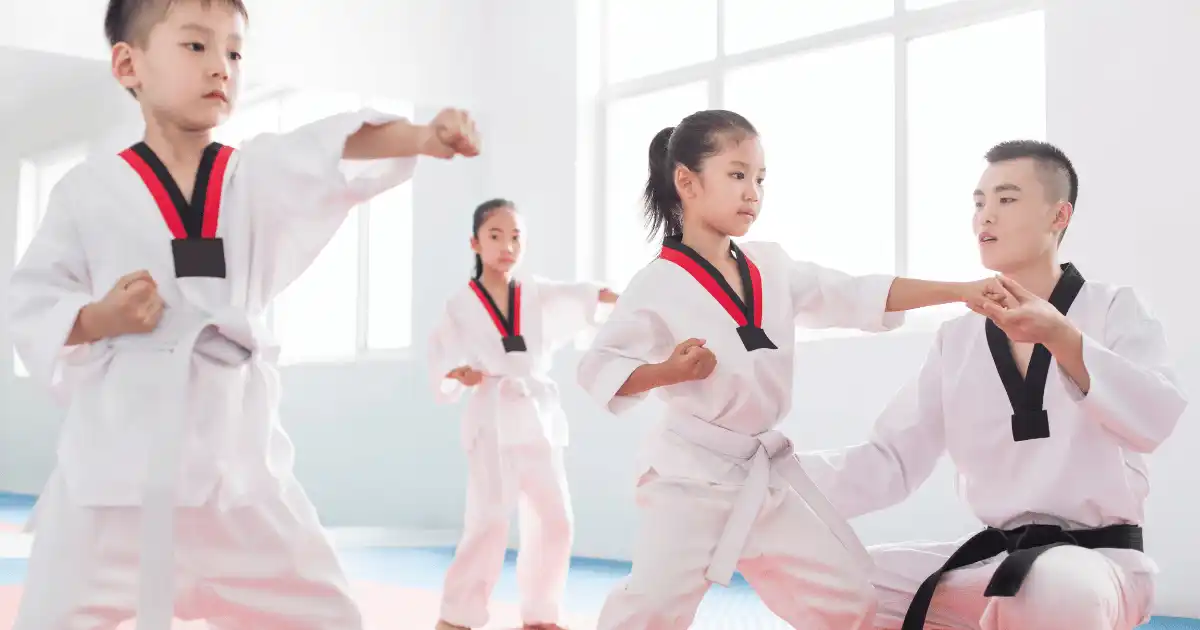
One student wants to learn a spinning kick, another is nervous about sparring, and a parent is asking when their child can compete, all at 6:30pm in a busy dojang. That assistant coach standing in the middle suddenly realizes that knowing Taekwondo is not the same as knowing how to coach it. A proper Taekwondo coach education programs comparison starts with that exact realization, since good coaching needs far more than rank alone. In Seattle, Washington, I have watched talented black belts assume one certificate covers everything, only to discover a master course and a competition coaching certificate serve completely different purposes.
This guide compares USA Taekwondo, Kukkiwon World Taekwondo Academy, national federation pathways, and specialist education side by side, so you can see exactly which path fits your actual coaching goal. Whether you already run a busy dojang or you are still deciding between coaching Kyorugi and coaching Poomsae, this comparison should save you from wasting time and money on the wrong certificate.
Quick Answer: Which Taekwondo Coach Program Is Best?
Here is the short version for readers who want a direct answer before the full comparison.
- Best for USA competition coaching: USA Taekwondo Coach Education Programme
- Best for Kukkiwon focused instructors and masters: Kukkiwon World Taekwondo Academy International Taekwondo Master Course
- Best for new assistant coaches: local club mentoring combined with recognized entry level coach education
- Best for Kyorugi: sport specific competition coaching education
- Best for Poomsae: Poomsae focused technical and coaching education
- Best for children’s classes: coaching education combined with safeguarding and first aid
- Best for experienced instructors: advanced master and continuing education
- Best for international coaches: the programme recognized by their own national federation or governing body
There is no single best Taekwondo coaching programme for everyone. The right pick depends entirely on your role and your goal.
Why Taekwondo Coach Education Programs Are Different
A new coach may see several certificates and assume they all do the same thing. They genuinely do not.
Coach Education vs Instructor Training
Coach education, instructor training, master education, competition coaching, and technical seminars all overlap but target different skills.
Certification vs Qualification vs Accreditation
Certificate, licence, membership, coach accreditation, and federation recognition each carry a slightly different meaning depending on who issues them.
Why Your Taekwondo System Matters
Kukkiwon, World Taekwondo, ITF, national federations, and independent dojangs all run somewhat separately from one another. Our overview of Taekwondo GMS rules and regulations shows how registration connects across some of these systems.
The Important Difference
Kukkiwon and World Taekwondo are related but hold different roles, so readers should not casually treat WT, Kukkiwon, and ITF as interchangeable terms.
Taekwondo Coach Education Programs Comparison Table
This is the article’s main decision table. Scan it once and you should immediately see which pathway fits your current role.
Main Comparison Table
| Programme | Best For | Main Focus | Delivery | Level |
|---|---|---|---|---|
| USA Taekwondo Associate Coach | New USA competition coaches | Entry level coach status | Online quiz plus requirements | Beginner |
| USA Taekwondo Level 1 | Developing sport coaches | Coaching standards and technical development | In person | Developing |
| USA Taekwondo Level 2 | Advanced USA coaches | Higher level coaching development | Seminar and practical | Advanced |
| Kukkiwon WTA Master Course | Instructors and masters | Instruction and Kukkiwon curriculum | 5 day, 40 hour course | Experienced |
| National federation programmes | Local coaches | Country specific coaching | Varies | Varies |
| Kyorugi specialist training | Sparring coaches | Competition performance | Varies | Intermediate to advanced |
| Poomsae specialist training | Forms coaches | Technical performance | Varies | Intermediate to advanced |
| Club mentoring | New instructors | Real world teaching | In person | Beginner |
USA Taekwondo describes its Associate Coach Quiz as the first step in its Coach Identification and Development Program. Current requirements include being at least 16 years old, holding current membership, completing SafeSport, and meeting background check requirements where applicable. USA Taekwondo specifically states there is no belt requirement for Associate Coach status.
USA Taekwondo Coach Education Program
For coaches in the United States, this is one of the most important pathways to examine, particularly for anyone who wants to coach at USA Taekwondo sanctioned competitions.
USA Taekwondo Associate Coach
This entry point covers minimum age, current membership, SafeSport training, background checks, and a short online quiz. The most useful beginner insight here is simple: there is no belt requirement for Associate Coach status. Our guide to Taekwondo Kyorugi rules and regulations by WT is useful reading before taking this quiz, since much of the content overlaps.
USA Taekwondo Level 1
USA Taekwondo currently describes Level 1 as the next step after Associate Coach certification, and says it is required for coaches who plan to coach certain black belt divisions at its national championships and team trials. The programme combines sport and non-sport specific modules including national coaching standards, training organization, skill development, scouting, weight control, and athlete learning, and it is delivered in person rather than online.
USA Taekwondo Level 2
Current USA Taekwondo information lists membership, a background check, SafeSport, Associate Coach completion, and Level 1 completion as requirements for Level 2 registration. The official Level 2 seminar page lists a registration fee of $630.00, though official prices can change, so confirm the current fee directly on the USA Taekwondo site before enrolling.
USA Taekwondo Coach Education Strengths
Clear progression, a strong competition focus, national coaching standards, and sport specific development all stand out as real strengths of this pathway.
Potential Limitations
This pathway is primarily relevant to USA competition coaching. It is not necessarily a substitute for dojang instructor education, and competition focused coaches may still need additional technical development elsewhere.
Kukkiwon World Taekwondo Academy Master Course
The Kukkiwon World Taekwondo Academy pathway serves a genuinely different purpose, focusing on professional development for instructors and masters within the Kukkiwon system.
International Taekwondo Master Course
The official WTA describes this course as a five day, 40 hour programme intended for experienced and aspiring instructors and masters, as well as Taekwondo administrators, structured across a 1st, 2nd, and 3rd class format.
What the Curriculum Covers
Taekwondo theory, history, teaching, courtesy, promotion test rules, color belt Poomsae, black belt Poomsae, Gyeorugi, terminology, basic techniques, demonstration, and breaking are all part of the published curriculum, divided into theory, practical skills, techniques, and special lectures.
Who Should Choose This Path?
Kukkiwon instructors, dojang leaders, aspiring masters, and experienced instructors are all well suited to this pathway. Our post on how I became a Taekwondo martial arts expert reflects the kind of long term development this course is built around.
Who May Need Something Else?
This may not be the first choice for someone whose immediate goal is USA competition coaching, elite Kyorugi, sports science, youth safeguarding, or high performance athlete development specifically.
USA Taekwondo vs Kukkiwon Coach Education
This is the core comparison most readers actually need.
USA Taekwondo vs Kukkiwon Comparison Table
These pathways should not be treated as direct competitors. They overlap in Taekwondo knowledge, but their goals differ. One ties strongly to sport coaching development in the USA, while the other focuses on professional instructor and master development within the Kukkiwon system.
| Factor | USA Taekwondo | Kukkiwon WTA |
|---|---|---|
| Main purpose | Sport coaching development | Master and instructor development |
| Best for | USA competition coaches | Kukkiwon system instructors |
| Entry pathway | Associate Coach to Level 1 to Level 2 | Master Course classes |
| Competition focus | Strong | Included, but broader |
| Poomsae | Relevant | Core curriculum component |
| Gyeorugi | Relevant | Core practical component |
| Teaching | Included | Strong focus |
| Leadership | Developing | Strong focus |
| USA event relevance | High | Depends on event requirements |
| International relevance | Federation dependent | Strong Kukkiwon relevance |
Which One Is Better?
For USA competition coaching, USA Taekwondo wins. For Kukkiwon instructor development, WTA wins. Also, For a new assistant, neither should be viewed in isolation. Start with mentoring and appropriate entry level education instead.
National Taekwondo Federation Coach Education Programs
Not every coach follows a USA or Korean pathway.
Why National Federations Matter
National recognition, competition eligibility, local rules, insurance, and safeguarding standards all run through your national federation. Our story on becoming a skilled Taekwondo referee shows how a similar national pathway can unfold in officiating, and our overview of the Taekwondo referee role explains how these credentials connect back to coaching at sanctioned events.
What to Check
Confirm who recognizes the certificate, whether you can coach at sanctioned events, whether membership is required, and whether the credential transfers internationally.
UK, USA and Other National Pathways
Requirements can differ significantly by country, so always check your own governing body directly. Our summary of Taekwondo safety and medical rules and regulations by WT applies fairly consistently across most national systems, and our guide to Para Taekwondo competition rules by WT is a useful addition for coaches working across adaptive divisions.
A Smart Rule
If you plan to coach at competitions, start with the organization that runs the competitions you actually want to enter.
Best Program for New Taekwondo Coaches
New coaches often need practical teaching experience more than advanced certificates.
Start as an Assistant
Class setup, warm-ups, demonstration, and student correction are all learned best through hands-on assisting. Our breakdown of common Taekwondo moves is a solid technical refresher for anyone starting in this role.
Find a Mentor
A senior instructor, master, or competition coach can accelerate a new coach’s growth far faster than any single course. Our post on how Taekwondo builds self discipline and our companion piece on how Taekwondo builds self confidence both reflect the qualities a good mentor tends to model daily.
Add Formal Education
Coaching principles, safeguarding, first aid, and child development round out a strong starting foundation. A basic first aid kit for the dojang on Amazon is worth having nearby during any supervised session.
Build Experience
Beginner classes, junior sessions, and small drills all provide the real practice new coaches need most. A reliable stopwatch for timed drills on Amazon makes it easier to practice managing class transitions during these early sessions.
The Certificate First Trap
Collecting certificates before gaining real coaching experience can actually be counterproductive.
Best Program for Kyorugi Coaches
Kyorugi is a specialist coaching environment with its own demands.
Technical Skills
Footwork, distance, timing, and kicks all need to be coached, not just performed. Our breakdown of hard kicks in Taekwondo is a useful technical reference here.
Tactical Skills
Counter-attacks, feints, ring control, and match strategy separate a strong Kyorugi coach from a strong Kyorugi athlete. Our guide to Taekwondo sparring strategies covers this tactical layer in more depth.
Competition Rules
Current rules, scoring, penalties, and referee decisions all shift over time. Our summary of Taekwondo referee rules and regulations is a helpful reference point.
Athlete Management
Weight management, recovery, training load, and competition stress all fall under strong Kyorugi coaching. Our article on how Taekwondo is hard on the body explains why recovery planning deserves real attention.
USA Expert Advice
What is the biggest gap between being a good Taekwondo athlete and becoming a good competition coach is a question worth asking any verified USA Taekwondo coach or national coaching educator directly. A direct quote should only be used if it can be verified through an official interview or reputable source, rather than invented for effect.
Best Program for Poomsae Coaches
Poomsae coaching demands a genuinely different eye than sparring coaching.
Technical Precision
Stance, chamber, direction, and timing all require close, consistent correction. A full length training mirror on Amazon helps athletes self-correct these details between coached sessions.
Performance Quality
Rhythm, balance, focus, and presentation all shape how a Poomsae performance is actually scored. Our post on why flexibility is the most important part of Taekwondo connects directly to several of these qualities.
Competition Preparation
Judging criteria, technical standards, and video analysis all help athletes prepare properly. A tripod and phone mount for video review on Amazon makes this kind of preparation far easier to set up.
Technical Feedback
Identify one error, explain it clearly, demonstrate it, and let the athlete repeat it. That simple loop outperforms a long list of corrections every time.
Best Program for Children’s Taekwondo Coaches
Children’s coaching is not simply adult coaching with smaller people involved.
Child Development
Attention span, coordination, and motivation all develop at different rates between individual children. Our article on reasons for high self esteem in Taekwondo explains why confidence building matters just as much as technique here, and our comparison of which martial arts work best for kids adds useful context on age appropriate teaching.
Safeguarding
Professional boundaries, safe practice, and reporting concerns all need to be second nature for anyone coaching children. Our guide on helping children build self discipline through Taekwondo pairs well with this responsibility, and our article on effective exercises to manage anger from a Taekwondo master gives coaches practical tools for calmer classes.
Class Management
Clear rules, simple instructions, and positive reinforcement keep a children’s class productive without turning into chaos. Our piece on Taekwondo as a martial art for kids offers a broader look at what structure should look like for this age group.
Parent Communication
Progress updates, grading expectations, and competition questions all come up constantly in a children’s program.
Real Life Coaching Moment
One child is nervous, one is overexcited, one forgot the lesson entirely, and a parent wants an update, all during the same busy evening class. Coaching education needs to cover people skills, not just kicking technique.
Online vs In-Person Taekwondo Coach Education
The internet is excellent for theory. It is far less useful for watching a student throw a kick that looks like it was assembled backwards.
Benefits of Online Learning
Flexibility, accessibility, strong theory delivery, and lower travel costs all make online learning genuinely useful for certain content.
Benefits of In-Person Training
Live feedback, practical assessment, networking, and real coaching practice all require being in the room.
Best Hybrid Model
Combining online theory, in-person practical work, and ongoing mentor feedback tends to produce the strongest results overall.
Questions to Ask Before Enrolling
Confirm whether the course is recognized, whether it includes assessment, who actually teaches it, and whether practical work is included. USA Taekwondo’s current Level 1 programme is a useful example here, since the organization states that Level 1 is conducted in a classroom setting and is not available online.
Taekwondo Coach Education Programs by Coaching Goal
This is the which path is right for me section, built to make the article highly actionable at every stage of a coaching journey.
Goal-Based Comparison Table
| Your Goal | Best Starting Direction |
|---|---|
| Assist at a dojang | Mentoring plus basic coach education |
| Teach beginners | Instructor training |
| Teach children | Youth coaching plus safeguarding |
| Coach USA competitions | USA Taekwondo pathway |
| Coach Kyorugi | Competition coaching education |
| Coach Poomsae | Poomsae specific training |
| Lead a Kukkiwon dojang | Kukkiwon WTA pathway |
| Become a senior master | Advanced master education |
| Coach elite athletes | High performance pathway |
| Coach internationally | National federation plus international recognition |
How to Compare Taekwondo Coach Education Programs
Use this practical evaluation framework before enrolling in anything.
1. Recognition
Check the issuing organization, federation acceptance, and competition recognition before committing.
2. Curriculum
Look for coaching theory, technical training, athlete development, and safety content within the syllabus.
3. Practical Experience
Ask whether there is hands-on work and whether there is any real assessment involved.
4. Entry Requirements
Age, Dan rank, membership, and experience all vary by program and should be confirmed early.
5. Cost
Course fee, membership, travel, accommodation, and renewal all factor into the true total cost.
6. Career Value
Ask where you can actually use this credential, whether it helps you coach competitions, and whether it supports your dojang role.
Taekwondo Coach Education Program Cost Comparison
Course fees are only part of the real cost. A program may look affordable until travel, accommodation, membership, and required annual training all join the party.
Cost Comparison Table
| Cost Area | What to Include |
|---|---|
| Course fee | Registration price |
| Membership | Annual federation membership |
| Travel | Flights, train, or car |
| Accommodation | Hotel or onsite stay |
| Food | Meals during training |
| Background check | Where required |
| Safeguarding | Required training |
| First aid | Additional qualification |
| Renewal | Annual or periodic costs |
For USA specific fees, official current prices are best kept in their original USD amount rather than converted, since conversions can create confusion. As one example, the current USA Taekwondo Level 2 page lists a registration fee of $630.00. Always verify the official page again at the time of enrollment, since fees can change.
What Should a Good Taekwondo Coach Education Program Teach?
A certificate should represent useful learning. The paper itself is not the coach.
Technical Knowledge
Basic techniques, Poomsae, Gyeorugi, and terminology all belong in a strong curriculum. Our guide to Taekwondo for beginners reflects the fundamentals a good course should reinforce early.
Teaching Skills
Demonstration, explanation, progression, and feedback form the backbone of effective teaching methodology.
Training Design
Warm-up, drills, conditioning, and recovery all need real structure behind them. A set of training cones for drill transitions on Amazon helps put this kind of structure into practice quickly.
Athlete Development
Goal setting, training load, and competition preparation round out a complete athlete development framework. Our article on how Taekwondo supercharges your fitness and our guide to learning Taekwondo for fitness both connect well to this stage of athlete preparation.
Safety and Welfare
Safeguarding, first aid, injury awareness, and ethical coaching protect both students and coaches. Our overview of common injuries in Taekwondo helps a coach recognize warning signs early.
Certification Requirements: Rank, Age and Experience
This section covers several closely related, high value searches.
Do You Need a Black Belt?
Not always, and requirements vary by organization. Coach status and instructor status are genuinely different things. USA Taekwondo’s current Associate Coach pathway explicitly states there is no belt requirement, although other requirements still apply.
Do You Need Coaching Experience?
Assistant teaching, mentoring, and competition experience are all typically weighed differently depending on the program.
Do You Need Federation Membership?
Membership rules, event eligibility, and insurance considerations all connect back to your federation membership status.
Does Dan Rank Matter?
Rank can matter significantly for instructor pathways, though it may not be the only requirement for general coach education.
Common Mistakes When Comparing Coach Education Programs
Choosing the Most Prestigious Name
Prestige is not the same as relevance to your actual coaching role.
Confusing Instructor and Coach Training
These represent genuinely different roles with different curriculums behind them.
Ignoring Your Competition Federation
Your certificate may not meet the requirements of the events you actually want to coach at.
Choosing Based Only on Price
Cheap can become expensive fast if the program has little practical value behind it.
Ignoring Practical Training
Coaching is a hands-on skill that theory alone cannot fully teach.
Forgetting Safeguarding
This matters especially for anyone coaching children’s classes.
Assuming One Certificate Does Everything
Technical knowledge, teaching skill, competition coaching, and athlete development rarely all live inside a single certificate.
How to Build Your Taekwondo Coach Education Pathway
Here is a simple progression worth following in order.
Stage 1: Learn to Assist
Observing, helping, and teaching small sections of a class build the foundation everything else rests on.
Stage 2: Learn to Teach
Basic instructor skills, lesson planning, and feedback come next in a natural progression.
Stage 3: Choose a Specialism
Kyorugi, Poomsae, children’s coaching, and general dojang instruction all represent different specialization directions. Our reminder that Taekwondo is not just about fighting is worth revisiting at this stage, since every specialism still shares the same underlying values.
Stage 4: Add Competition Education
Local events, regional events, and national events all build real coaching credibility over time. Our post on reasons to practice Taekwondo is a good reminder of why this stage still matters even for experienced coaches.
Stage 5: Advance Your Education
Level 2, master education, and high performance coaching become relevant once the basics are genuinely solid.
Example Pathway
Teen assistant, then assistant coach, then beginner instructor, then competition coach, then specialist coach, then senior coach. That is a realistic long term progression, not a shortcut.
Which Taekwondo Coach Education Program Should You Choose?
Here are direct recommendations based on common coaching profiles.
If You Are a Beginner
Choose mentoring, entry level education, and safeguarding training first.
If You Are in the USA
Consider the USA Taekwondo pathway, starting with the Associate Coach Quiz.
If You Teach Kukkiwon Taekwondo
Consider WTA education through the International Taekwondo Master Course.
If You Coach Kyorugi
Prioritize competition coaching education specific to sparring.
If You Coach Poomsae
Prioritize technical and Poomsae specific education.
If You Run a Dojang
Combine instructor education, leadership development, safeguarding, and basic business skills. Our guide to finding the perfect Taekwondo gym offers useful context from a student’s perspective on what strong leadership actually looks like.
Frequently Asked Questions About Taekwondo Coach Education
What Is the Best Taekwondo Coach Education Program?
The answer depends on your location and your coaching goal rather than any single universal winner.
What Is the Difference Between USA Taekwondo and Kukkiwon Coach Education?
USA Taekwondo focuses on sport coaching development, while Kukkiwon WTA focuses on master and instructor development within its own system.
Do You Need a Black Belt to Become a Taekwondo Coach?
Requirements vary. USA Taekwondo’s Associate Coach pathway does not require one, though other programs may.
Is USA Taekwondo Coach Education Worth It?
Yes, for coaches specifically targeting USA Taekwondo sanctioned events.
Is the Kukkiwon Master Course Worth It?
Yes, particularly for instructors and masters working within the Kukkiwon system.
Can You Become a Taekwondo Coach Online?
Online learning covers theory well, but practical skills like demonstration and live correction still require in-person training.
What Is the Best Course for Kyorugi Coaches?
Sport specific competition coaching education focused on sparring tends to serve this goal best.
What Is the Best Course for Poomsae Coaches?
Technical specialization focused on Poomsae performance and judging criteria works best here.
How Long Does Taekwondo Coach Education Take?
Timelines vary widely by pathway, ranging from a single weekend seminar to a multi-year progression.
How Much Does Taekwondo Coach Education Cost?
Course fees plus membership, travel, accommodation, and renewal costs all add up, and totals vary significantly by program.
Taekwondo Coach Education Comparison Checklist
Before enrolling, confirm:
- What organisation issues the programme?
- Is it recognised where I coach?
- Does it match my Taekwondo system?
- What is the minimum age?
- Is a Dan rank required?
- Is membership required?
- Is SafeSport or safeguarding required?
- Is a background check required?
- Is the course online or in person?
- Is there practical assessment?
- Does it cover competition coaching?
- Does it cover Poomsae?
- Does it cover Kyorugi?
- What are the total costs?
- Does it need renewal?
- Does it help with my actual coaching goal?
For coaches preparing for their next seminar, a Taekwondo coaching reference guide on Amazon and a set of kick shields for practical assessment prep on Amazon are both worth having ready ahead of time.
Final Recommendation
I have sat through more than one coach education seminar myself, and my honest take is this. Stop searching for a single winner in this Taekwondo coach education programs comparison and start matching the program to your actual role. A USA competition coach, a Kukkiwon instructor, and a children’s coach all need genuinely different education, and no single certificate replaces real mat time with a mentor watching closely. Check recognition first, check the curriculum second, and keep building experience the whole way through. That approach has served my own coaching path well, and it should serve yours just as reliably.

Founder, Owner, and CEO of TaekwondoKing.
He is one of the top 100 martial artists in the World and among the top 20 referees in Bangladesh.
Ehatasamul Alom is an esteemed Kukkiwon Certified Taekwondo 3rd Dan Black Belt with over 15 years of experience in this dynamic martial art. Born in Rajshahi, Bangladesh, Ehatasamul’s journey with Taekwondo began at the tender age of seven. His passion led him to compete at national and international levels, where he has bagged numerous awards and honors. He is also a member of the Taekwondo National Referee Panel.
With a Bachelor’s degree in Sports Science from the prestigious Rajshahi University, Ehatasamul has a deep understanding of the technical and scientific aspects of martial arts and some other martial arts.
In 2022, Ehatasamul created the “TaekwondoKing.com” to share his knowledge, Free Resources, Values, and Real experiences. His articles focus on Taekwondo training techniques, competition strategies, Sport Products Reviews, and the art’s rich history and philosophy. He also writes about the importance of mental fortitude and discipline, key aspects of his teaching philosophy. He has already launched many sports, Taekwondo, and health-related Free online tools. His goal is to inspire both beginners and seasoned practitioners worldwide through insightful and engaging content.
If you need any help, contact Ehatasamul Alom at any time.