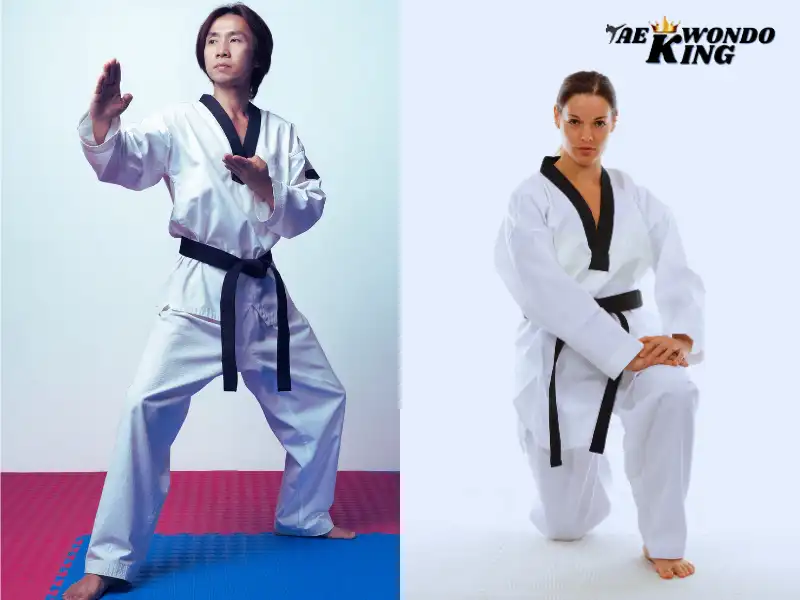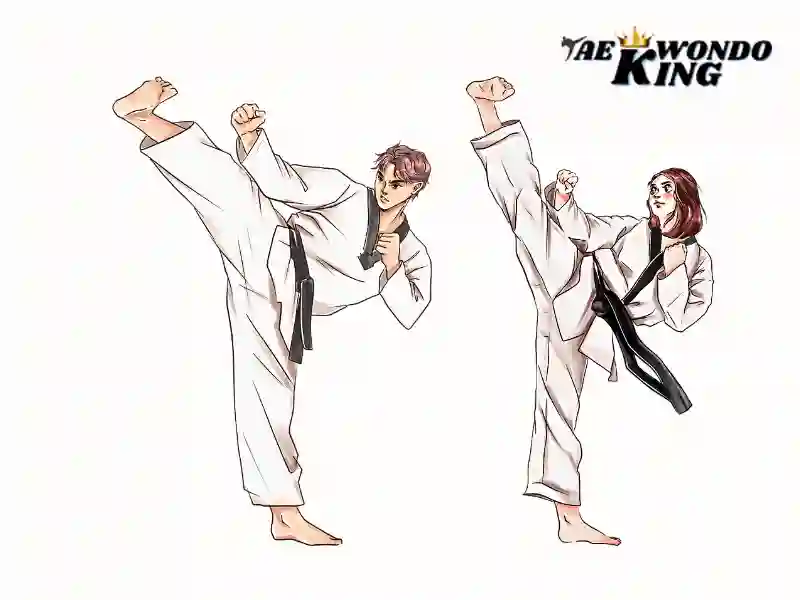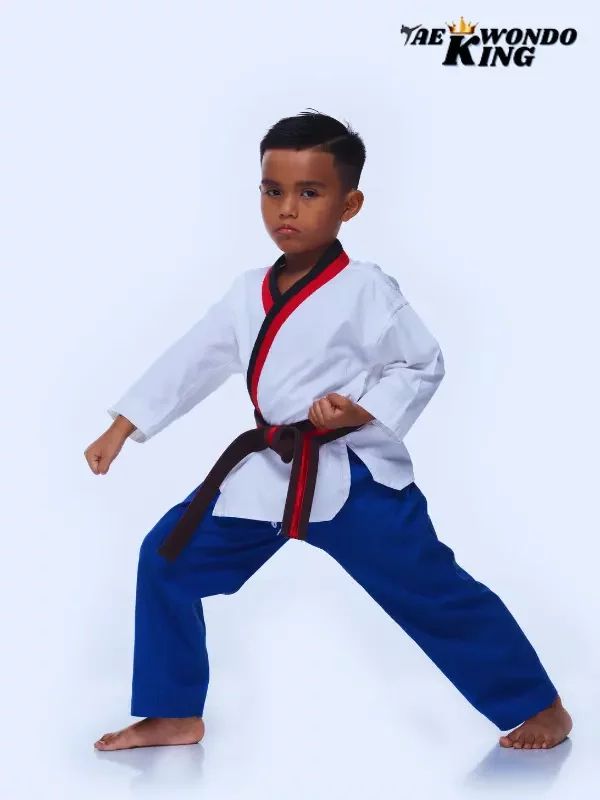
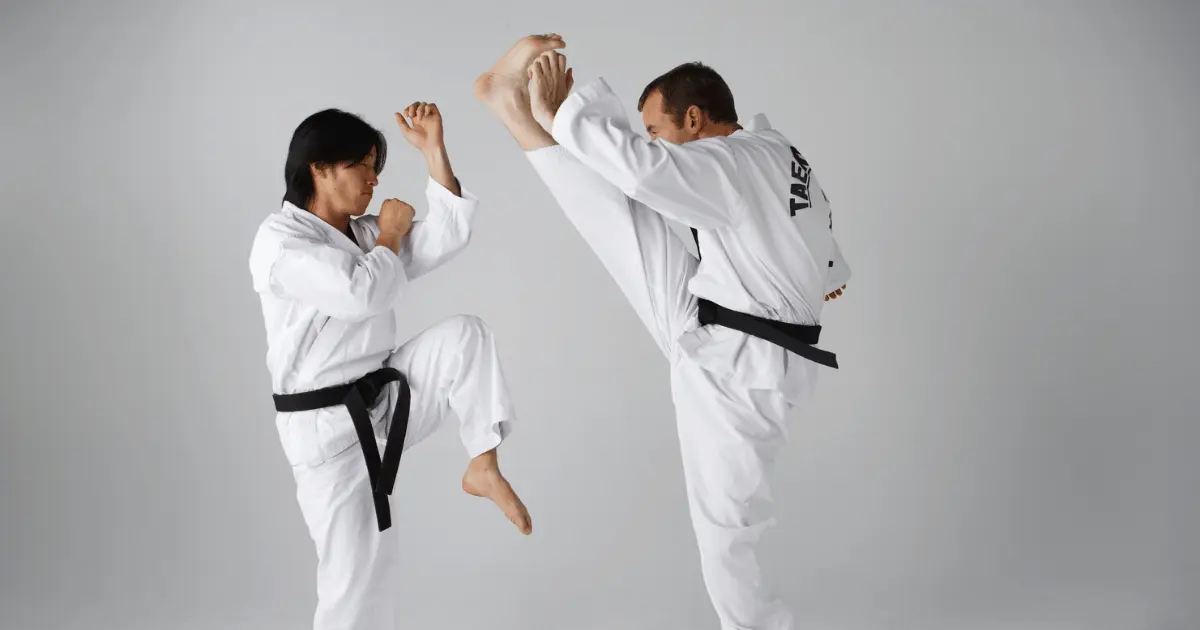
Kick pads slap the floor. Belts snap tight. A coach checks footwork while the clock ticks. That was my Tuesday night class in Charlotte, North Carolina, just last month. If you have ever asked what taekwondo coach responsibilities really look like day to day, this guide walks you through every part of the job, from warm-up whistle to post-class notes. I have spent years on the mat as an athlete, a national referee, and now a coach, and I want to share what the role truly asks of you. A good coach does far more than shout commands across the room. Teaching skills is only the start. Planning sessions, keeping athletes safe, and building real confidence matter just as much.
What Are the Main Responsibilities of a Taekwondo Coach?
A taekwondo coach carries a broad, demanding role that stretches well beyond the hour spent on the mat. Duties shift by dojang, by athlete age, and by competition level. The core job never changes though. It stays centred on athlete growth and safe, effective training. A coach teaches taekwondo techniques such as stances, footwork, and blocks. They plan each session with clear goals. They develop athletes across every stage, from a shy first timer to a national competitor. Also, They keep the training space safe. They give feedback that helps rather than hurts.
Many new coaches come from a strong competition background, much like the story behind how I became a taekwondo martial arts expert. That path teaches you what athletes need before you ever teach a class.
Giving Feedback the Right Way
Feedback is where coaching either builds a student up or quietly pushes them out the door. A coach corrects technique, then reinforces the good habit right after. They explain a mistake in plain words instead of jargon. They avoid humiliating anyone in front of the class. Timing matters too. A correction given right after the movement sticks far better than one given ten minutes later, a lesson I picked up early while learning about the reasons to practice taekwondo as a young student myself.
| Coaching Term | What It Means | How It Differs |
|---|---|---|
| Instructor | Teaches classes and grading skills | Follows a set curriculum |
| Coach | Builds athlete performance | Adds tactics and match prep |
| Master | Senior rank holder | Often runs the whole dojang |
| Competition Coach | Manages tournament results | Works mainly on event days |
This table gives new readers a fast reference point before we go deeper into each duty below.
Teaching Techniques and Planning Sessions
Teaching covers stances, footwork, punches, blocks, kicks, and full combinations, along with poomsae patterns and kyorugi sparring skills. A coach also plans each session with a clear structure, choosing suitable drills, building in physical conditioning, and always leaving room for a proper cool-down. Session plans should flex too. If athletes look tired or a drill is not clicking, a good coach adjusts on the spot rather than forcing the original plan through.
Keeping Athletes Safe Throughout Training
Safety threads through every other responsibility on this list. That means a safe training space, correct equipment, and appropriate contact levels for each athlete’s age and experience. Warm-up and cool-down routines matter here too, since cold muscles and joints are far more likely to get injured during a hard kicking drill.
What Does a Taekwondo Coach Do Before Class?
Good coaching starts long before the first student walks in. The planning happens quietly, but it shapes the whole session that follows.
Plan the Training Session
A coach sets one main goal for the night. They pick drills that match the group’s level. They prepare equipment, including pads and protective gear, ahead of time. Also, They also estimate timing so the class does not run short or long.
Example 60-Minute Session
- 5 to 10 minutes: warm-up
- 10 minutes: footwork and movement
- 15 minutes: technical drills
- 15 minutes: partner or pad work
- 5 to 10 minutes: controlled sparring
- 5 minutes: cool-down and review
Check the Training Environment
Before students arrive, a coach checks the mats and removes any hazard. They confirm there is enough open space. They also check that taekwondo equipment like guards and gloves is in good shape.
Consider the Athletes and Set Goals
A coach thinks about who is new, who is recovering from an injury, and who is training for a match. From there, they set a technical goal, a physical goal, and a behavioural goal for the class ahead.
What Does a Taekwondo Coach Do During Training?
This is where a coach becomes the centre of the room. They teach, watch, correct, and adjust, often within the same minute.
Lead the Warm-Up and Demonstrate Techniques
A strong warm-up moves from general movement into sport-specific drills. A coach shows each technique at full speed first, then breaks it down step by step, much like the approach shared in taekwondo moves you can learn easily. They point out common errors before students even make them.
Observe and Correct
A coach watches stance, balance, guard position, hip rotation, and timing. They give one or two corrections at a time, never a long list that overwhelms a beginner.
Manage Class Flow
Keeping students moving matters. A coach rotates partners, controls training intensity, and avoids long queues that kill momentum.
Real Coaching Example
A beginner keeps dropping their hands after every kick. A skilled coach names the problem, explains why it matters, then shows the fix. They give a simple drill, offer positive feedback, and recheck the habit later in class. This pattern of correction and follow-up is central to good taekwondo referee and coaching judgment alike, since both roles depend on sharp observation.
Taekwondo Coach Responsibilities for Athlete Development
A coach should not only ask if the athlete won. The better question is whether the athlete is actually improving.
Technical, Tactical, Physical, and Mental Growth
Technical growth covers kicking power and combinations. Tactical growth covers distance control and reading an opponent, a skill set explored in strategies for success in taekwondo sparring. Physical growth includes speed, strength, and endurance. Mental growth covers focus, resilience, and staying calm under pressure, something every coach should study through effective exercises to manage anger.
Goal Setting and Progress Tracking
Short-term goals keep students motivated week to week. Long-term goals point toward belt promotion or a competition season. A coach tracks all of it through training logs, skill checks, and honest athlete feedback.
Building Ring Awareness
Tactical growth is not just theory taught on a whiteboard. A coach runs live drills that force athletes to manage distance, read an opponent’s guard, and choose the right moment to attack. This kind of ring awareness separates a technically skilled athlete from one who can actually win a close match under real pressure.
Building Mental Toughness
Mental growth often gets less attention than kicks and combinations, but it decides who performs well under pressure. A coach helps athletes manage nerves before a match and stay level headed after a loss. Building self esteem inside taekwondo training takes patience, since confidence grows slowly through small wins, not through one big speech before a tournament.
Taekwondo Coach Responsibilities by Athlete Level
A coach’s job changes as athletes grow. A five-year-old beginner and a national competitor should never get the same plan.
This table helps you see how coaching duties shift across levels. In one evening, a coach might teach across three or four of these groups at once.
| Athlete Level | Main Coach Responsibilities | Coaching Priority |
|---|---|---|
| Beginner | Teach basic movements | Confidence and fundamentals |
| Intermediate | Refine technique | Skill development |
| Advanced | Improve tactics | Performance |
| Competition | Prepare for matches | Strategy and execution |
| Elite | Optimise performance | High-level athlete development |
Coaching Beginners Through Elite Competitors
Beginners need safety, simple instructions, and encouragement, ideas covered well in taekwondo for beginners. Intermediate students need better combinations and sharper drills. Advanced athletes shift toward tactics and individual plans. Elite competitors need match analysis, recovery planning, and long-term development, much like the approach in success with high performance taekwondo. A coach who can move between all five levels in one evening, without lowering the quality of attention for any group, has genuinely mastered this side of the job.
Coaching Adults Returning to the Mat
Adult students bring different needs than kids. Many return to training after years away, often carrying stiffer joints and tighter schedules. A coach adjusts pace, builds in more mobility work, and respects busy calendars, an approach covered in a guide for adult beginners and taekwondo lessons for adults. Good quality wraps and joint support gear can help older students train longer without nagging soreness.
Taekwondo Coach Responsibilities for Children
Children need a different style of coaching. Fewer lectures and more games often work better than a long technical talk.
Create a Safe, Playful Environment
A coach sets clear rules and gives proper supervision. Games build reaction speed, balance, and footwork. This playful method sits at the heart of the ultimate guide to teaching kids taekwondo and pairs well with lessons on how to build self discipline in your children.
Build Confidence and Work With Parents
Praise effort over outcome. Celebrate small progress instead of only big wins. A coach also communicates clearly with parents about attendance, behaviour, and goals, without crossing professional boundaries.
Follow Safeguarding Standards
Child protection sits at the centre of youth coaching. This includes safe physical contact, appropriate communication, and a clear path for reporting concerns. A recent case involving an elderly instructor facing abuse charges is a hard reminder of why every dojang needs strict safeguarding rules, not just good intentions.
What Coaches Should Avoid
- Favouritism toward top performers
- Public embarrassment of any student
- Excessive punishment drills
- Unsafe or excessive contact
- Unrealistic expectations for a child’s age
Teaching Discipline Without Fear
Discipline and fear are not the same thing, though beginner coaches sometimes confuse them. Real discipline grows from routine, clear expectations, and consistent praise for effort. A child who learns self discipline through taekwondo tends to carry that habit into schoolwork and family life too, which is often the real reason parents enrol their kids in the first place. A coach who shouts to gain control is borrowing discipline, not teaching it.
Taekwondo Coach Responsibilities in Competition
Competition coaching adds a new layer of pressure. A coach must manage technical, tactical, and emotional demands, often while an athlete’s adrenaline is running high.
Prepare Athletes and Study Opponents
Before a tournament, a coach reviews rules under the current taekwondo kyorugi rules and regulations and the taekwondo poomsae rules by WT. They study an opponent’s movement patterns, preferred attacks, and timing habits.
Manage Competition Day
On the day itself, a coach runs the warm-up, checks equipment such as head guards and shin protection, and keeps the athlete calm. Between rounds, they give short, clear instructions and avoid piling on too much information at once.
Review Performance After the Event
Once the match ends, a coach reviews what worked and what needs practice next. This habit connects closely to the taekwondo GMS rules and regulations that govern how matches are scored and reviewed. A short debrief the same day, while memory is fresh, tends to stick far better than a review held a week later.
Supporting Athletes in Para Taekwondo Events
Coaching does not stop at standard divisions. Para athletes bring their own tactical needs and classification rules, covered under the para taekwondo competition rules and regulations by WT. A coach who studies these rules closely can support a wider range of athletes with confidence instead of guesswork.
What Is the Difference Between a Taekwondo Coach and Instructor?
These terms often get used as if they mean the same thing, but they describe different roles. Understanding the difference matters for parents choosing a program and for anyone considering coaching as a career path themselves.
| Role | Main Focus | Typical Setting |
|---|---|---|
| Instructor | Teaches technique and grading | Regular class |
| Coach | Builds athlete performance | Training and competition |
| Master | Senior authority | Runs the dojang |
| Competition Coach | Tournament strategy | Event days |
An instructor teaches techniques and leads students through belt grades. A coach develops athletes for performance and builds tactics for competition, a distinction explored well in why taekwondo is the best martial art. A master usually reflects advanced rank and may lead a full team of instructors. In many small schools, one person plays all three roles at once.
Why the Roles Can Overlap
A dojang owner often teaches beginner classes, coaches the competition team, and holds a senior rank all at the same time. Large clubs may split these duties across several people, with one coach focused only on taekwondo for adults and another focused purely on youth grading. Neither approach is wrong. What matters is that every role gets covered by someone qualified to handle it.
Taekwondo Coach Responsibilities for Safety and Injury Prevention
A responsible coach knows that pushing through pain is not a real training plan.
Manage Intensity and Use Proper Gear
A coach monitors fatigue and adjusts drills before athletes break down. Proper protective equipment such as shin guards, forearm guards, and mouthguards reduces injury risk. Understanding the most common injuries in taekwondo and how to prevent them should be required reading for every coach, not just an afterthought.
A well-stocked kit bag saves time and prevents last-minute scrambling. I keep spare hand wraps, a jump rope, and a small first aid kit in my own bag at every single session, win or lose.
Recognise and Respond to Injuries
Pain, swelling, dizziness, and reduced movement all need attention right away. A coach stops training when needed, follows emergency steps, and documents the incident under the taekwondo safety and medical rules and regulations by WT.
An honest coach also tells a struggling athlete when rest matters more than another session. I have had students push through minor pain out of pride, and part of my job is catching that before it becomes something worse. This is where understanding what taekwondo supercharges in the body pays off, since a coach who respects the physical toll keeps athletes training for years instead of months.
Understand Concussion Safety
A coach should never pressure an athlete to keep training after a possible concussion. Recognising symptoms and following return-to-play guidance protects the athlete’s long-term health far more than one extra round of sparring ever could.
Taekwondo Coach Responsibilities for Safeguarding
Safeguarding is a core coaching duty, especially with children and young athletes in the room.
Maintain Professional Boundaries
Appropriate communication and appropriate physical contact protect both the athlete and the coach. A coach follows club policy and reports any concern through the proper channel without delay.
Complete Required Training
In the USA, coaches working with youth athletes are expected to meet SafeSport requirements set out by the U.S. Center for SafeSport. This is separate from technical taekwondo certification, and it changes from time to time, so always check current official guidance before assuming your training is complete.
Protect Young Athletes at Every Level
Safeguarding applies from a first-day beginner all the way through to a competitor training for the Olympic pathway. A coach follows club policy first, then reports any concern through the proper channel without delay or hesitation. Background screening, where it applies, is not a formality to skip. It is part of the same trust that lets a parent hand their child over for an hour of taekwondo for kids each week.
Taekwondo Coach Responsibilities Outside the Dojang
Coaching does not end when the last kick pad goes back on the shelf.
Manage Equipment Between Sessions
A coach checks the condition of every guard, pad, and target after class, not just before a big event. Cleaning gear regularly keeps it usable for longer and protects athletes from skin infections that can spread through shared equipment. Replacing worn items on time, rather than waiting until something tears mid-session, is a small habit that prevents bigger problems later.
Communicate, Record, and Keep Learning
A coach sends progress updates to athletes and parents. They keep attendance and competition records current. They manage and replace worn training equipment before it becomes a safety issue. Also, They also keep learning, whether through seminars, coaching science, or simply watching more experienced coaches at work, a path well described in transitioning to coaching and mentorship after years as an athlete or referee.
USA Expert Advice on Taekwondo Coaching Responsibilities
Experienced coaches across the USA tend to repeat the same themes: athlete-centred coaching, long-term development, and safety placed above medals.
USA Taekwondo, the sport’s national governing body, promotes coach education programs that stress positive coaching environments and clear communication with athletes and families. The organisation’s public coach education materials are the best source for current requirements, since certification rules can change from year to year.
Coaches based near a large training hub often benefit from watching established programs in action. A visit to a well-known taekwondo academy in Atlanta, USA or a similar program can show you firsthand how experienced staff structure a full evening of classes across multiple age groups.
Expert Quote Placement
When you use an expert quote in your own coaching notes or articles, keep it short and verified. Attribute it accurately and link back to the original interview or official profile. Never invent a quote just because it sounds good. If you cannot verify one, paraphrase the coach’s public coaching philosophy instead and cite the source. This same discipline applies to referee work, where accuracy under the taekwondo referee rules and regulations by WT leaves no room for guesswork.
Expert Advice Box
Your first responsibility is not to produce champions. It is to help athletes train safely, learn well, and enjoy the process. That single idea, more than any drill or tactic, shapes whether a young student stays in the sport for years or quits within a season.
A Day in the Life of a Taekwondo Coach
This section adds real context to a role that can look very different from the outside.
Morning: Planning
A coach checks the schedule, reviews athlete needs, and prepares lesson plans. Competition commitments get reviewed here too, alongside notes from the taekwondo referee rules and regulations by WT if any students are heading into judged events soon.
Afternoon: Administration
Replying to parents, updating records, and prepping equipment bags fills the middle of the day. Progress review happens here as well, quiet work that rarely gets noticed.
Evening: The Dojang
Students arrive. The coach leads warm-up, teaches technique, corrects movement, and watches safety the entire time. The sound of feet on the mat and the sharp slap of a kick pad fill the room. Students say “Kamsahamnida” as class ends, a small but meaningful part of taekwondo culture worth respecting without overusing the terminology.
After Class
Equipment gets cleaned and stored. The coach notes what worked, records athlete progress, and plans the next session before heading home. Choosing a well-equipped dojang or gym space from the start makes this daily routine far smoother for everyone involved.
How a Taekwondo Coach Measures Athlete Progress
A medal cabinet alone never tells the full story of an athlete’s development.
This table gives a quick reference for what a coach tracks across four core areas, drawn from real season planning.
| Area | What the Coach Tracks | Example |
|---|---|---|
| Technical | Skill quality | Better roundhouse kick |
| Tactical | Decision-making | Better counter timing |
| Physical | Fitness | Improved endurance |
| Mental | Confidence | More controlled under pressure |
| Behavioural | Training habits | Better consistency |
Flexibility deserves special mention here too, since it directly affects kicking height and injury risk, a point covered well in why flexibility is the most important part of taekwondo.
Ethical Responsibilities of a Taekwondo Coach
A coach holds real influence over young athletes. That influence needs careful, fair use.
Treat Athletes Fairly
A coach avoids favouritism toward the strongest students in the room. Everyone deserves a real chance to improve, not just the ones chasing a trophy. Respecting different starting abilities matters just as much for a shy first timer as it does for a returning student working toward a black belt.
Respect Athlete Wellbeing
A coach never encourages unsafe training just to hit a short-term goal. This includes avoiding extreme weight cutting before a tournament, an issue tied closely to the taekwondo weight limit rules that govern most competitions. Recovery needs come before ego, every single time.
Build a Positive Culture and Lead by Example
Respect for opponents and referees sets the tone for a whole team. A coach who handles a loss with grace teaches more than any lecture ever could. Punctuality, preparation, and honesty about mistakes matter here too. This ethical core connects to the broader idea that taekwondo is not just about fighting, it is about winning yourself.
Common Mistakes Taekwondo Coaches Should Avoid
Even good coaches slip up. The goal is catching these mistakes early.
Winning Focus, Punishment, and Poor Communication
Focusing only on top performers neglects beginners and creates unhealthy competition inside the same class. Using conditioning as punishment or shouting in anger leads to fear-based coaching rather than real learning. Giving too much information at once confuses beginners far more than it helps them.
Ignoring Differences and Skipping Growth
Every student learns differently. Some pick up combinations fast, while others need extra reps before a kick feels natural. Coaching while angry leads to poor feedback and emotional decisions that a coach often regrets by the next class. Failing to keep learning, whether about new methods or injury science such as the risks and demands of high performance taekwondo, leaves a coach stuck using outdated ideas long after the sport has moved on.
| Common Mistake | Better Approach |
|---|---|
| Coaching only top performers | Give every student real attention |
| Punishment-based drills | Use positive, skill-building drills |
| Long technical explanations | Short, simple instructions |
| One-size-fits-all plans | Adjust for individual differences |
| Coaching while frustrated | Pause, reset, then continue calmly |
This table gives a fast way to compare a habit worth dropping against the fix that actually works in practice.
Taekwondo Coach Responsibilities Checklist
This practical list gives you something to save, print, or use for self-assessment before your next class.
Before Training
- Plan the session and set goals
- Check the training area
- Check equipment and protective gear
- Consider individual athlete needs
During Training
- Lead a suitable warm-up
- Demonstrate techniques clearly
- Monitor safety at all times
- Correct technique with patience
- Give useful, timely feedback
After Training
- Review athlete performance
- Record progress accurately
- Store training equipment properly
- Plan the next session
For Competition
- Prepare athletes and review rules
- Develop clear tactics
- Manage warm-up and gear checks
- Provide calm between-match feedback
For Professional Development
- Maintain required credentials
- Complete safeguarding requirements
- Continue coach education
- Learn from experienced coaches, including insights from how I became a skilled taekwondo referee
Frequently Asked Questions About Taekwondo Coach Responsibilities
What are the main responsibilities of a taekwondo coach?
Teaching technique, planning training, developing athletes, managing safety, giving feedback, and preparing competitors all sit inside taekwondo coach responsibilities explained across this guide.
What does a taekwondo coach do every day?
A coach plans sessions, checks equipment, teaches and corrects technique during class, then reviews progress and updates records after training ends.
What is the most important responsibility of a taekwondo coach?
Safety and athlete wellbeing always come before winning. A coach who protects that order tends to build stronger, longer-lasting athletes.
What does a taekwondo coach do during competitions?
They prepare athletes beforehand, manage warm-up and equipment, give calm guidance between rounds, and review results once the event ends.
Are taekwondo coaches responsible for athlete safety?
Yes. This covers training safety, protective gear, injury response, and full safeguarding compliance for every athlete in their care.
What is the difference between a taekwondo coach and instructor?
An instructor teaches technique and grading. A coach adds performance planning, tactics, and competition strategy on top of that base.
Do taekwondo coaches work with parents?
Yes, regularly. Clear communication about progress and behaviour matters, while professional boundaries stay firmly in place at all times.
Do taekwondo coaches need certifications?
Requirements vary by country, governing body, and coaching level, so always confirm current standards with your national federation.
What skills should a good taekwondo coach have?
Communication, technical knowledge, patience, sharp observation, steady leadership, and strong safety awareness all matter for the role.
How long does it take to become a qualified taekwondo coach?
This varies widely by country and federation. Most coaches spend years as athletes first, often supported by hard kicks and technique practice, before adding formal coach education on top of that base experience.
Final Recommendation
I have spent years on both sides of taekwondo, first as a competitor, then as a national referee, and now as a coach. My honest take is this: the coaches who last are the ones who protect athlete safety before chasing medals. Taekwondo coach responsibilities are wide, from planning a single 60-minute class to managing a full competition weekend, but they all point back to one goal. Help the person in front of you train safely, learn well, and want to come back tomorrow.
I have made mistakes along the way, including pushing intensity too hard in my early coaching years, and I learned to slow down and listen more. A whistle and a stopwatch will only get you so far. The real work happens in how you treat a nervous beginner on their first night and how you speak to a competitor after a tough loss. If you take one thing from this guide, let it be that patience beats pressure every single time on the mat.

Founder, Owner, and CEO of TaekwondoKing.
He is one of the top 100 martial artists in the World and among the top 20 referees in Bangladesh.
Ehatasamul Alom is an esteemed Kukkiwon Certified Taekwondo 3rd Dan Black Belt with over 15 years of experience in this dynamic martial art. Born in Rajshahi, Bangladesh, Ehatasamul’s journey with Taekwondo began at the tender age of seven. His passion led him to compete at national and international levels, where he has bagged numerous awards and honors. He is also a member of the Taekwondo National Referee Panel.
With a Bachelor’s degree in Sports Science from the prestigious Rajshahi University, Ehatasamul has a deep understanding of the technical and scientific aspects of martial arts and some other martial arts.
In 2022, Ehatasamul created the “TaekwondoKing.com” to share his knowledge, Free Resources, Values, and Real experiences. His articles focus on Taekwondo training techniques, competition strategies, Sport Products Reviews, and the art’s rich history and philosophy. He also writes about the importance of mental fortitude and discipline, key aspects of his teaching philosophy. He has already launched many sports, Taekwondo, and health-related Free online tools. His goal is to inspire both beginners and seasoned practitioners worldwide through insightful and engaging content.
If you need any help, contact Ehatasamul Alom at any time.