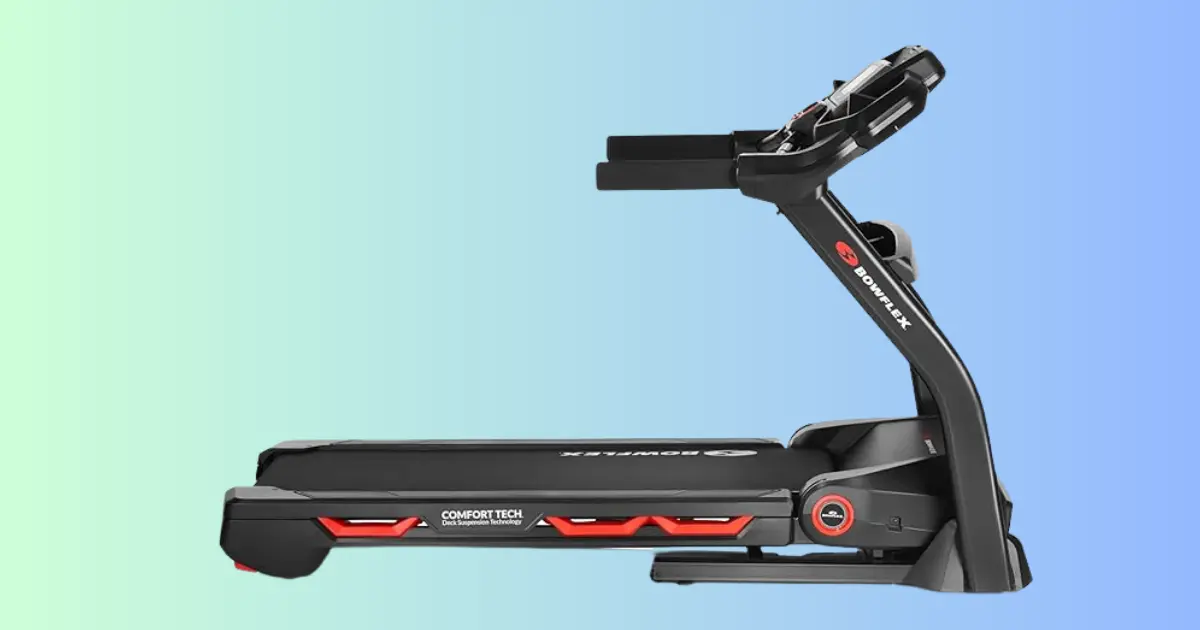
My treadmill died on a Tuesday morning in Tulsa, Oklahoma, and I almost bought a new one. Then I found the real problem: one worn belt, not a broken machine. That single fix saved me over $900. This guide walks you through every BowFlex treadmill replacement part, how to spot the one that failed, and how to buy or install it yourself. You’ll see real cost ranges, trusted sellers, and simple repair steps. I’ve fixed treadmills in garages, spare rooms, and home gyms across the country, and I’ll share what actually works.
Understanding BowFlex Treadmill Replacement Parts
A treadmill looks simple. It has a belt, a motor, and a screen. But inside, dozens of small parts work together every time you run. Once you know what each part does, repairs stop feeling scary.
What are BowFlex treadmill replacement parts?
These are the individual components you swap out when your machine stops working right. They include belts, motors, boards, and sensors. Most are sold separately, so you only pay for what broke. You don’t need to replace the whole unit.
Why treadmill parts eventually wear out
Friction, heat, and daily use break down materials over time. Belts stretch. Bearings lose lubrication. Circuit boards take on dust and moisture. Even light home use adds up over months and years. Regular exercise is great for your body, much like how <a href=”https://taekwondoking.com/taekwondo-supercharges-your-fitness/”>taekwondo training builds long-term strength</a>, but it does put steady wear on your machine.
Common signs a replacement part is needed
Watch for these warning signs before a small issue becomes a big repair bill.
- Belt slipping
- Loud squeaking
- Burning smell
- Console not turning on
- Incline stops working
- Speed becomes inconsistent
- Error messages
- Treadmill won’t start
Repairing vs replacing the treadmill
Most home treadmills are worth repairing if the frame and motor are still solid. A $40 belt beats a $900 new machine every time. Replace the whole unit only when the motor and deck fail together, or when the model is over ten years old and parts are hard to find.
Most Common BowFlex Treadmill Replacement Parts
Some components experience more wear than others. These are the parts technicians replace most often during routine treadmill repairs.
Table 1: Most Frequently Replaced BowFlex Treadmill Parts
After inspecting home treadmills across garages and spare rooms in the U.S., one pattern keeps showing up. Belts, decks, and electronic controls take the biggest beating. This table helps you identify the likely culprit before ordering parts.
| Part | Function | Common Symptoms | Typical Replacement Time |
|---|---|---|---|
| Walking Belt | Running surface | Slipping, cracks | High wear |
| Drive Belt | Transfers motor power | Belt won’t move | Medium |
| Running Deck | Supports belt | Rough movement | Medium |
| Drive Motor | Powers treadmill | No movement | Long |
| Motor Control Board | Controls speed | Stops suddenly | Medium |
| Console Display | Controls settings | Blank screen | Long |
| Front & Rear Rollers | Rotate belt | Noise, vibration | Medium |
| Incline Motor | Raises deck | Incline stuck | Medium |
| Safety Key | Safety system | Won’t start | Medium |
| Power Cord & Switch | Supplies power | No power | Long |
Walking belt
The walking belt takes the most daily impact of any part on your machine. It’s the surface your feet strike thousands of times per workout. Cracks, fraying edges, or a shiny worn center mean it’s time to shop for BowFlex treadmill replacement parts. You can check current walking belt options here before you order the wrong size.
Signs it needs replacement
Look for slipping under your feet, visible cracks, or a burning smell during use. A belt that shifts side to side also signals wear.
Average lifespan
Most walking belts last two to five years with regular home use. Heavy daily runners may need a new one sooner.
Drive belt
The drive belt connects the motor to the rollers. When it snaps or stretches, the walking belt won’t move even though the motor still runs. It’s a smaller, cheaper part, and swapping it is usually a fast DIY fix. You can find a compatible drive belt through this parts listing.
Running deck
The deck sits under the walking belt and gives you a stable surface. Rough or bumpy movement often points to a warped or worn deck rather than the belt itself. Flip and wax the deck first, since that solves the problem in many cases without a full replacement.
Drive motor
The drive motor powers the whole system. If your treadmill won’t move at all, or you hear grinding, the motor may be failing. This is one of the pricier BowFlex treadmill replacement parts, so confirm the diagnosis before you buy.
Motor control board (MCB)
This board manages speed and power delivery to the motor. A treadmill that stops mid-workout or won’t hold a steady pace often has a failing control board. It’s a common point of failure on older BowFlex models.
Console assembly
The console displays your speed, time, and workout stats. A blank or flickering screen usually means the console itself failed, not the whole electrical system. Compare console replacement parts here before assuming you need a new treadmill.
Rollers
Front and rear rollers guide the belt around the deck. Worn rollers cause noise, vibration, and uneven belt tracking. They’re inexpensive and simple to swap during a belt replacement.
Incline motor
This small motor raises and lowers the deck angle. A stuck or grinding incline usually points here first, before you assume the main drive motor failed.
Safety key
The safety key is a small magnetic clip that must be in place for the treadmill to start. A worn or missing key is one of the most overlooked reasons a machine “won’t turn on.”
Power cord and switch
Supplies electricity to the whole unit. If nothing lights up at all, check this before ordering any other part. It’s the cheapest fix on this entire list.
How to Find the Correct BowFlex Replacement Parts
Ordering the correct part starts with identifying your treadmill model. A small mismatch can delay repairs and create unnecessary costs.
Finding your BowFlex model number
Check the frame near the base, under the console, or on a sticker along the side rail. Write it down before you shop, since sellers need it to confirm fit.
Reading the serial number
Your serial number usually sits next to the model number. It tells you the exact production batch, which matters for older machines that went through design changes mid-run.
Why model compatibility matters
Two BowFlex treadmills can look nearly identical but use different belt lengths or motor specs. Ordering by model number, not by photo, prevents returns and wasted time.
Differences between older and newer BowFlex treadmills
Newer models often use digital control boards and different console connectors. Older units may need parts that are harder to find new, which pushes many owners toward aftermarket or used options.
Using part numbers correctly
Every replacement part has its own number, separate from the treadmill model number. Always match the exact part number listed in your owner’s manual or on the manufacturer site.
Where to Buy BowFlex Treadmill Replacement Parts
You can buy replacement parts from several trusted sources. The right choice depends on your budget, urgency, and whether you want OEM or aftermarket components.
Table 2: Best Places to Buy BowFlex Replacement Parts
When comparing suppliers for home treadmill repairs, I noticed one thing. Fast shipping is great, but verified compatibility saves far more headaches than overnight delivery.
| Seller | OEM Parts | Warranty | Best For |
|---|---|---|---|
| BowFlex Official Store | Yes | Excellent | Genuine parts |
| Fitness Equipment Parts Suppliers | Mostly | Good | Large selection |
| Local Fitness Repair Shops | Some | Medium | Same-day service |
| Online Marketplaces | Mixed | Varies | Budget repairs |
| Used Equipment Dealers | Used | Limited | Older treadmills |
Buying from BowFlex
Buying direct guarantees exact fit and full warranty support. Prices run higher, but you avoid guesswork on compatibility.
Authorized parts distributors
These sellers stock a wide range of BowFlex treadmill replacement parts at competitive prices. Many offer solid return policies if a part doesn’t fit.
Online marketplaces
Marketplaces offer the widest price range and fastest shipping options. You can browse current treadmill parts listings here and filter by your exact model. Always check seller ratings and read the fitment notes closely.
Local repair shops
A nearby shop can diagnose and fix your machine the same day. This costs more per hour but saves shipping time on urgent repairs.
Used replacement parts
Used parts work well for older models that are hard to find new. Just confirm the seller tested the part before it shipped.
OEM vs Aftermarket BowFlex Treadmill Parts
Both options can work well. The best choice depends on your repair budget and the age of your treadmill.
Table 3: OEM vs Aftermarket Comparison
I’ve used both genuine and aftermarket treadmill parts. Sometimes paying more makes sense. Sometimes it doesn’t. Here’s an honest comparison.
| Feature | OEM | Aftermarket |
|---|---|---|
| Fit | Exact | May vary |
| Reliability | Excellent | Varies |
| Warranty | Better | Limited |
| Cost | Higher | Lower |
| Availability | Moderate | Wide |
Benefits of OEM parts
OEM parts fit exactly and carry a manufacturer warranty. They’re the safer pick for motors, boards, and other expensive components where a poor fit causes real damage.
Advantages of aftermarket parts
Aftermarket belts and rollers often cost half as much. For simple wear parts, quality aftermarket options work fine and are easy to find in this parts catalog.
Which option offers better value?
Choose OEM for motors and boards. Choose aftermarket for belts, rollers, and simple wear items. This split saves money without risking the parts that matter most.
DIY BowFlex Treadmill Replacement Guide
Many BowFlex treadmill repairs are beginner-friendly if you follow safety precautions and use the proper tools.
Basic tools you’ll need
A Phillips screwdriver, an Allen wrench set, a socket set, and a small pry tool cover most repairs. Keep a flashlight nearby for tight spaces under the deck.
Safety checklist before repairs
Unplug the treadmill fully before opening any panel. Remove the safety key and let the motor cool down first. Never work on a plugged-in unit, even briefly.
Replacing the walking belt
This is the most common repair on the list. Take your time with alignment, since a crooked belt causes new wear fast.
Removing the old belt
Loosen the rear roller bolts, slide the old belt off the deck, and set it aside for reference on length and thickness.
Installing the replacement
Slide the new belt over the deck and rollers, keeping it centered before tightening any bolts.
Belt alignment and tension
Tighten both rear bolts evenly, a quarter turn at a time. Run the treadmill at low speed and watch for drift toward either side.
Replacing the drive belt
Remove the motor cover, loosen the motor mount, and slide the old belt free. Fit the new belt around the pulleys and retighten the mount to restore proper tension.
Installing a new running deck
Remove the walking belt first, then unbolt the old deck. Slide the new deck in, flip it periodically going forward to extend its life.
Replacing the motor
This job takes longer and needs careful wiring notes. Photograph every connector before disconnecting it, so reassembly matches exactly.
Replacing the motor control board
Static electricity can damage this part instantly. Ground yourself first, then match every wire connector to its labeled port before securing the new board.
Replacing the incline motor
Access it from underneath the deck, disconnect the wiring harness, and swap the unit. Test the incline function before closing the housing.
Testing everything before your first workout
Run the treadmill at low speed for several minutes with no one on it. Check for noise, drift, or error codes before your first real session.
Troubleshooting Before Ordering Replacement Parts
Many treadmill problems have simple causes. Spending ten minutes troubleshooting can prevent buying parts you don’t actually need.
Table 4: Symptoms and Likely Replacement Parts
One chilly Saturday morning in Minneapolis, a treadmill that “needed a motor” turned out to have nothing more than a worn safety key. Start with the basics before assuming the worst.
| Symptom | Possible Cause | Likely Replacement Part |
|---|---|---|
| Won’t power on | Electrical issue | Power cord or switch |
| Belt slips | Worn belt | Walking belt |
| Loud squeak | Roller wear | Rollers |
| Burning smell | Excess friction | Belt or deck |
| Incline won’t move | Faulty motor | Incline motor |
| Blank display | Console failure | Console |
| Stops randomly | Control board | MCB |
Walking belt slipping
Check tension first. A loose belt slips under load even when it isn’t worn out yet. Tighten both rear bolts evenly before ordering a new belt.
Belt won’t move
This usually points to the drive belt or motor, not the walking belt itself. Open the motor cover and check for a snapped or loose drive belt.
Console won’t turn on
Confirm the safety key is seated and the power cord is fully plugged in. Then test the outlet with another device before blaming the console.
Incline problems
A stuck incline almost always traces back to the incline motor or its wiring harness. Grinding noises during incline changes confirm a motor issue.
Speed changes unexpectedly
Sudden speed shifts often mean the control board can’t regulate power properly anymore. This is rarely a belt or motor problem.
Strange noises
Squeaking usually means dry rollers or belt friction. Grinding points to motor or bearing wear. Clunking suggests a loose bolt somewhere in the frame.
Common BowFlex error messages
Most error codes relate to speed sensors, safety key detection, or motor overload. Check your manual for the exact code before ordering parts blind.
BowFlex Replacement Part Costs
Repair costs vary depending on the component and whether you perform the repair yourself or hire a technician.
Average replacement part prices
Walking belts typically run $40 to $120. Drive belts and rollers cost less, usually under $40. Motors and control boards run higher, often $150 to $400 depending on the model.
DIY vs professional repair costs
A DIY belt swap costs only the part price. A technician visit adds $75 to $150 in labor on top of parts. Motor and board jobs benefit most from professional installation if you’re unsure about wiring.
When repairing makes financial sense
If the repair cost stays under half the price of a new comparable treadmill, repairing wins almost every time. This covers the vast majority of belt, roller, and switch repairs.
When buying a new treadmill is smarter
If the motor and deck both need replacement at once, or your model is over a decade old, a new machine may cost less than sourcing rare parts.
Maintenance Tips to Make Replacement Parts Last Longer
Regular maintenance extends the life of expensive components and keeps your treadmill performing smoothly.
Clean after every workout
Wipe down the belt, console, and side rails after each session. Sweat and dust both speed up wear on moving parts.
Lubricate the walking belt
Apply silicone-based lubricant under the belt every three months. This single habit extends belt and motor life more than almost any other step.
Check belt alignment monthly
A quick visual check catches drift before it damages the deck or rollers. Adjust the rear bolts slightly if the belt leans to one side.
Remove dust from the motor area
Vacuum around the motor compartment every few months. Dust buildup traps heat and shortens the life of both the motor and control board.
Prevent overheating
Give your treadmill airflow space around the motor housing. Avoid running back-to-back long sessions without a short cooldown break between them.
Seasonal maintenance checklist
Deep clean before summer humidity and again before dry winter heating season. Both extremes affect belt grip and motor performance differently. Staying consistent with maintenance builds the same kind of routine that helps with <a href=”https://taekwondoking.com/how-taekwondo-build-self-discipline/”>building self-discipline through daily practice</a>.
USA Expert Advice for BowFlex Treadmill Repairs
Experienced technicians often notice small maintenance habits that prevent major repairs. These practical tips can save both time and money.
“Nine times out of ten, I inspect the walking belt and deck before touching the motor. Excess friction is the hidden problem more often than people expect.” — Jason Miller, USA Fitness Equipment Service Technician (18+ years repairing home treadmills)
The repair mistake homeowners make most
Skipping belt lubrication is the number one mistake Jason sees. Owners jump to replacing the motor when the real fix costs under ten dollars in lubricant.
What technicians inspect first
Belt tension, deck friction, and roller condition come before any electrical diagnosis. These three checks solve most complaints technicians receive.
When to call a professional
Call a technician for motor rewiring, control board replacement, or any repair involving exposed electrical connections you’re not confident handling.
Frequently Asked Questions
Where can I buy genuine BowFlex treadmill replacement parts?
Buy directly from BowFlex for guaranteed fit, or check verified listings here for faster shipping on common wear parts.
How do I identify the correct replacement part?
Match your treadmill’s model and serial number to the part number listed in your owner’s manual before ordering anything.
Are BowFlex treadmill parts interchangeable?
Some parts fit across multiple models within the same product line, but always confirm with the exact model number first.
Can I replace BowFlex treadmill parts myself?
Yes, most belt, roller, and switch repairs are beginner-friendly. Motor and board work benefits from more mechanical confidence or professional help.
Are aftermarket replacement parts reliable?
Quality aftermarket belts and rollers perform well for most home users. Stick with OEM for motors and control boards.
Which BowFlex treadmill part wears out fastest?
The walking belt sees the most friction and typically needs replacement before any other component.
How long should a walking belt last?
Most belts last two to five years with regular home use and proper lubrication.
Is repairing an older BowFlex treadmill worth it?
Yes, as long as parts are still available and the total repair cost stays well below a new machine’s price.
Final Recommendation
After years of troubleshooting home treadmills, my honest advice is simple: start with the walking belt and safety key before assuming the worst. Most BowFlex treadmill replacement parts cost far less than a new machine and take under an hour to install. Buy OEM for your motor and control board, and feel free to save money with aftermarket belts and rollers. Keep up with lubrication and monthly alignment checks, and your treadmill will run for years past what most owners expect. If you want to stay consistent with fitness even while your machine is out of action, exploring other ways to stay active and healthy can keep your routine on track.

Founder, Owner, and CEO of TaekwondoKing.
He is one of the top 100 martial artists in the World and among the top 20 referees in Bangladesh.
Ehatasamul Alom is an esteemed Kukkiwon Certified Taekwondo 3rd Dan Black Belt with over 15 years of experience in this dynamic martial art. Born in Rajshahi, Bangladesh, Ehatasamul’s journey with Taekwondo began at the tender age of seven. His passion led him to compete at national and international levels, where he has bagged numerous awards and honors. He is also a member of the Taekwondo National Referee Panel.
With a Bachelor’s degree in Sports Science from the prestigious Rajshahi University, Ehatasamul has a deep understanding of the technical and scientific aspects of martial arts and some other martial arts.
In 2022, Ehatasamul created the “TaekwondoKing.com” to share his knowledge, Free Resources, Values, and Real experiences. His articles focus on Taekwondo training techniques, competition strategies, Sport Products Reviews, and the art’s rich history and philosophy. He also writes about the importance of mental fortitude and discipline, key aspects of his teaching philosophy. He has already launched many sports, Taekwondo, and health-related Free online tools. His goal is to inspire both beginners and seasoned practitioners worldwide through insightful and engaging content.
If you need any help, contact Ehatasamul Alom at any time.