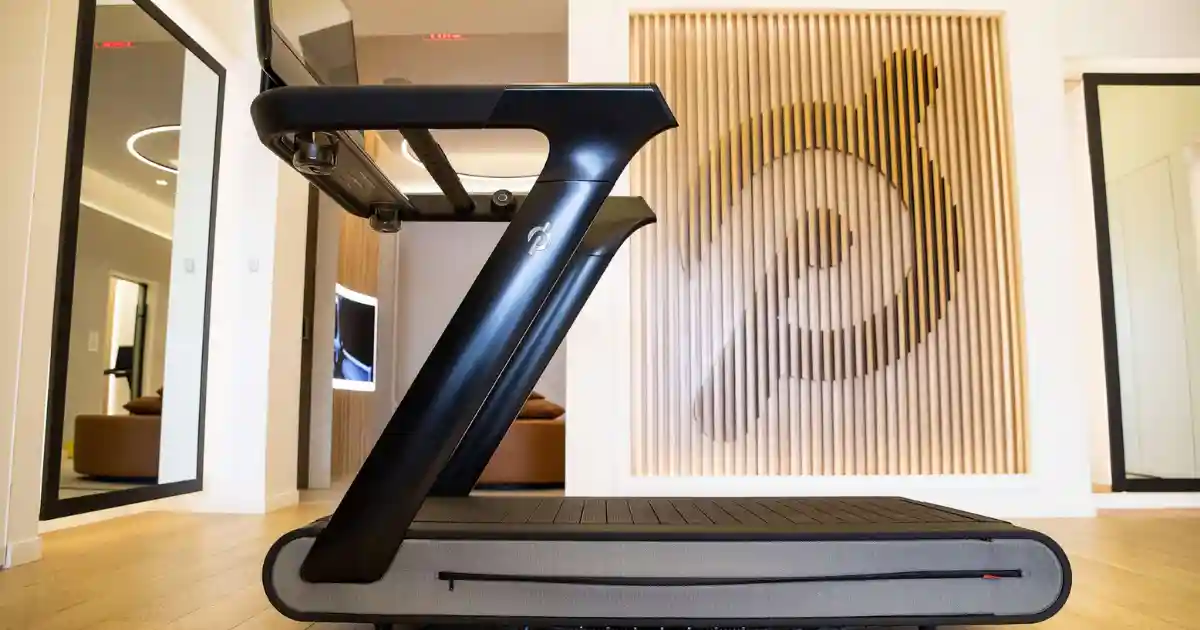
Your Tread just froze mid workout, and your first thought was that the whole machine is done for. That single moment is usually why people start searching for peloton treadmill replacement parts instead of a brand new unit.
I’ve worked on connected fitness equipment long enough to know that a frozen screen or a noisy belt rarely means the treadmill itself has failed. Often, one small part is the real problem.
This guide walks you through the most common peloton treadmill replacement parts, how to match them to your exact Tread or Tread+, where to buy them safely, and how to fix many issues yourself. You will also learn which symptoms point to an easy fix and which ones call for a certified technician.
Understanding Peloton Treadmill Replacement Parts
Peloton treadmills combine standard fitness hardware with advanced electronics like a large touchscreen and connected software. That mix means some repairs are simple, while others need a bit more care.
Knowing which parts wear out, and why, helps you make a smarter, calmer decision the next time something goes wrong.
What are Peloton treadmill replacement parts?
These are the individual components you can swap out instead of replacing the entire machine. This includes the belt, deck, motor, rollers, control board, touchscreen, safety key, and power cord.
Why treadmill components wear over time
Friction, heat, and daily use slowly break down moving parts. Electronics age too, especially with constant use of the touchscreen and onboard software. None of this means poor quality. It simply means normal wear over years of workouts.
Signs your Peloton treadmill needs replacement parts
Watch for these common warning signs:
- Walking belt slipping under your feet
- Loud squeaking or grinding
- Touchscreen problems or freezing
- Incline or speed issues
- Error messages on the display
- The tread refusing to start
- A burning smell during use
- Unusual vibration while running
Repairing vs replacing your Peloton treadmill
Ask yourself if the motor and frame are still solid. If so, repair almost always makes more financial sense than replacement. Peloton hardware holds its value well, and a single part swap is usually a fraction of the cost of a new Tread.
Most Common Peloton Treadmill Replacement Parts
Some components experience more wear than others. These are the replacement parts technicians most often recommend after inspecting a Peloton treadmill.
After working with connected fitness equipment for years, I’ve noticed most repairs start with a careful inspection instead of jumping straight to expensive electronics. This table helps you match common symptoms to the correct replacement part.
| Part | Function | Common Symptoms | Typical Lifespan |
|---|---|---|---|
| Walking Belt | Running surface | Slipping, cracks | High wear |
| Drive Belt | Transfers motor power | Belt won’t move | Medium |
| Running Deck | Supports belt | Rough running | Medium |
| Drive Motor | Powers treadmill | No movement | Long |
| Motor Control Board | Controls motor speed | Stops unexpectedly | Medium |
| HD Touchscreen | Controls workouts | Frozen or blank display | Long |
| Front & Rear Rollers | Rotate belt | Noise, vibration | Medium |
| Incline Motor | Raises deck | Incline failure | Medium |
| Safety Key | Safety feature | Won’t start | Medium |
| Power Cord & Switch | Electrical supply | No power | Long |
Walking belt
The walking belt absorbs more friction and impact than any other part on your Tread. Daily runs slowly wear down its surface and edges.
Signs it needs replacement
Look for fraying edges, visible cracks, or slipping even after tightening. A shiny, worn deck underneath is another clue that both parts need attention soon.
Typical lifespan
Most walking belts last one to three years with regular home use. Keeping the belt lubricated on schedule with a treadmill belt lubricant kit on Amazon is the easiest way to stretch that lifespan further.
Drive belt
The drive belt connects the motor to the rollers. If it slips or snaps, the walking belt stops moving even though the motor still runs. A light squeal is usually the first warning sign before it fails completely. Swapping in a replacement drive belt on Amazon at the first sign of that squeal prevents a sudden stop during a workout.
Running deck
The deck sits under the belt and takes constant pounding from your steps. Over time, the surface wears smooth or develops rough patches that create drag and heat. Flipping the deck once, along with a fresh coat of silicone deck lubricant on Amazon, often restores smooth movement before a full deck replacement is needed.
Drive motor
The drive motor rarely fails outright, but heat and age slowly reduce its power. A motor struggling on incline or slowing under a runner’s weight is showing early signs of wear rather than sudden failure.
Motor control board
This board manages speed, incline, and safety signals between the touchscreen and the motor. When it fails, the treadmill often stops randomly mid workout or refuses to hold a steady pace. Power surges are one of the most common causes of early control board failure, so a surge protector is a smart, inexpensive safeguard for the whole unit.
HD touchscreen display
The touchscreen rarely fails completely on its own, but loose internal connectors behind the display can cause freezing or a blank screen. A frozen screen does not always mean the display itself is broken. Before assuming the worst, a full restart and a check of the connection cable often solves the problem without spending a dollar on parts.
Front and rear rollers
Rollers spin the belt around the deck. Dust and lint build up inside the bearings, causing squeaking and uneven tracking. Cleaning them regularly is one of the cheapest ways to add years of use. Once bearings actually seize, a full roller replacement set on Amazon is a simple, beginner friendly fix.
Incline motor
The incline motor raises and lowers the deck to simulate hills. A stuck incline usually points to this motor or its wiring harness. Since it sees less use than the drive motor, failure is less common but still happens on older units.
Safety key
The safety key stops the belt instantly if you fall or step too far back. A worn key or dirty sensor slot can prevent the treadmill from starting even when everything else works fine. Keeping a spare safety key clip on Amazon in a drawer is smart, cheap insurance.
Power cord and switch
These are the simplest parts on the machine, yet they cause a surprising number of “dead treadmill” calls. A frayed cord or a stuck switch can look exactly like a motor failure until you check the basics first.
How to Identify the Correct Peloton Replacement Parts
Peloton Tread and Tread+ models use different components. Identifying your exact model prevents ordering a part that will not fit or function correctly.
Finding your Peloton model number
Your model information is usually found in the settings menu on the touchscreen, or on a sticker near the base of the frame.
Locating the serial number
The serial number narrows things down further, especially important since Peloton has updated hardware across different production batches.
Differences between Peloton Tread and Tread+
Belt and deck differences
The Tread uses a standard belt and deck setup similar to traditional treadmills. The Tread+ uses a slat belt design, which requires entirely different replacement parts.
Display compatibility
Touchscreens are not interchangeable between models. Screen size, mounting brackets, and internal connectors all differ between the Tread and Tread+.
Motor and controller differences
Motor power and control board firmware also differ across models, so a part built for one Tread version will not safely run on the other.
Why compatibility matters
Ordering the wrong part risks poor fit, software conflicts, or even a failed installation. Since Peloton hardware relies heavily on paired software, mismatched electronics can cause more problems than the original issue. A mechanical part that is slightly off in size is annoying, but a mismatched electronic part can affect your entire workout tracking system.
Matching official part numbers
Always confirm the exact part number through Peloton support or an authorized provider before ordering. This single step prevents most compatibility mistakes, and it takes only a few minutes compared to the days you would lose waiting on a return and reorder.
Where to Buy Peloton Treadmill Replacement Parts
Choosing the right supplier helps ensure compatibility, warranty coverage, and long term reliability, especially with Peloton’s connected hardware.
After comparing repair options for connected fitness equipment, one thing stands out clearly. Buying verified parts often prevents repeat repairs, even if the initial price is slightly higher.
| Seller | OEM Parts | Warranty | Best For |
|---|---|---|---|
| Peloton Official Support | Yes | Excellent | Genuine parts |
| Authorized Service Providers | Yes | Excellent | Certified repairs |
| Fitness Equipment Parts Stores | Some | Good | Common components |
| Online Marketplaces | Mixed | Varies | Budget repairs |
| Refurbished Parts Dealers | Used | Limited | Older units |
Buying directly from Peloton
Going straight through Peloton support gives you the highest confidence in fit and software compatibility, especially for electronic parts.
Authorized repair partners
Certified technicians carry approved parts and know how to handle the connected hardware safely, which matters more with a Tread than with a basic treadmill.
Third-party suppliers
Independent suppliers often carry mechanical parts like belts and rollers at lower prices, though electronics are best sourced through official channels.
Online marketplaces
Marketplaces are convenient for common mechanical parts. This walking belt and lubricant bundle on Amazon is a solid starting point for owners comparing simple maintenance options.
Refurbished replacement parts
Refurbished parts can save money on older Tread units, but always confirm testing and return policies before buying, especially for motors and control boards.
OEM vs Compatible Peloton Replacement Parts
Peloton’s connected hardware makes compatibility especially important. Understanding OEM and compatible options helps you avoid costly mistakes down the road.
Some repairs work perfectly with quality compatible parts. Others, especially involving electronics, are usually better handled with genuine replacements. Here is a practical comparison based on real repair outcomes.
| Feature | OEM | Compatible |
|---|---|---|
| Fit | Exact | May vary |
| Software Compatibility | Excellent | Limited |
| Warranty | Better | Limited |
| Cost | Higher | Lower |
| Availability | Moderate | Wide |
Benefits of genuine Peloton parts
Genuine parts guarantee full software compatibility and typically come with stronger warranty protection, which matters most for the touchscreen and control board.
Advantages of compatible replacement parts
Compatible parts often cost less and are widely available for purely mechanical components like belts, rollers, and power cords.
Which option offers better value?
For electronics, OEM is almost always worth the extra cost. For mechanical parts on an older Tread, compatible parts offer solid value without much added risk.
DIY Guide to Replacing Peloton Treadmill Parts
Some Peloton treadmill repairs are suitable for experienced DIY owners, while others require professional service because of integrated electronics and safety systems.
Basic tools you’ll need
A Phillips screwdriver, an Allen wrench set, a tape measure, and silicone lubricant cover most mechanical repairs. This treadmill repair tool kit on Amazon bundles most of what a home repair needs into one case.
Safety precautions before starting
Unplug the treadmill and remove the safety key before opening any panel. Take photos of wiring connections before disconnecting anything, especially near the control board.
Replacing the walking belt
Removing the worn belt
Loosen the rear roller bolts, slide the roller forward, and gently pull the old belt free from the deck.
Installing the replacement
Center the new belt over the deck and slide it evenly around both rollers. Rushing this step often causes tracking problems later.
Belt alignment and tension
Tighten the rear roller bolts a little at a time on each side. Run the treadmill at low speed and watch the belt track straight before fully tightening.
Replacing the drive belt
Access the drive belt through the motor cover near the front of the deck. Match the new belt’s length exactly, since even a small size difference will cause slipping.
Installing a new running deck
Remove the walking belt first, then unscrew the deck from the frame rails. Slide the new deck into place before reinstalling the belt.
Replacing rollers
Support the belt while removing the old roller, then slide the new one into place and reconnect the bearings securely.
Replacing the motor control board
Static electricity can damage a new board instantly. Touch a grounded metal surface first, and match every wire connector carefully to the old board’s layout.
Touchscreen replacement considerations
Touchscreen replacement often requires calibration and software pairing. This is one repair where professional or authorized support usually makes more sense than a full DIY approach.
Testing the treadmill after repair
Run the treadmill at a slow walking pace for several minutes. Watch for unusual noise, belt drift, or error messages before a full workout.
Troubleshooting Before Ordering Replacement Parts
Many Peloton treadmill issues are caused by maintenance or software settings rather than failed hardware. A careful inspection can save both time and money.
One rainy afternoon in Portland, a Peloton owner was convinced the touchscreen had failed completely. The actual fix was a loose internal connection. Start with simple checks before ordering expensive components.
| Symptom | Possible Cause | Likely Replacement Part |
|---|---|---|
| Won’t power on | Electrical issue | Power cord or switch |
| Belt slips | Belt wear | Walking belt |
| Loud squeak | Roller wear | Rollers |
| Burning smell | Belt friction | Belt or deck |
| Incline won’t move | Incline motor | Incline motor |
| Frozen touchscreen | Display issue | Touchscreen |
| Stops during workouts | Control board | Motor control board |
Belt slipping
Check belt tension first. A loose belt slips long before it actually needs replacing.
Treadmill won’t start
Check the safety key and its sensor slot before assuming a bigger electrical failure.
Frozen touchscreen
Try a full restart before assuming display failure. Many freezes are software related, not hardware related.
Incline problems
Grinding sounds during incline changes usually point to worn incline motor gears.
Strange noises
Clean and lubricate the rollers before assuming a full part replacement is needed.
Burning smell
Stop the treadmill immediately. This usually means excess belt friction, which can damage the deck and motor if ignored.
Common Peloton error messages
Most error messages point to a sensor issue or a loose wiring connection. Check the support app for the exact code meaning before ordering a part.
Peloton Treadmill Replacement Part Costs
Repair costs vary depending on the component, warranty status, and whether professional installation is required.
Average replacement part prices
Belts, safety keys, and power cords sit at the lower end of the price range. Rollers and incline motors sit in the middle, while the touchscreen and control board cost the most. Comparing a few Peloton compatible parts bundles on Amazon before buying can reveal small savings if you need more than one part.
DIY vs professional repair costs
DIY repairs save on labor but carry more risk with electronics. Mechanical parts like belts and rollers are usually safe for confident beginners.
When repairing is worth the cost
If the frame and motor are healthy, repairing almost always costs less than replacing the entire treadmill.
When replacing the treadmill makes more sense
If the frame is damaged or several major components fail at once, a new unit may be the smarter long term choice.
Maintenance Tips to Extend Replacement Part Life
Routine maintenance keeps your Peloton treadmill quieter, smoother, and less likely to need expensive repairs.
Clean after every workout
Wipe down the touchscreen, console, and rails after each session to prevent sweat damage to electrical connections.
Inspect belt alignment regularly
A properly tensioned belt should lift about two to three inches at the center. Check this monthly.
Keep the treadmill software updated
Software updates often fix bugs that mimic hardware problems, including touchscreen freezes and incline glitches.
Remove dust from the motor compartment
Dust buildup near the motor and control board is a leading cause of early electronic failure.
Prevent excessive belt wear
Regular lubrication with a belt maintenance kit on Amazon keeps friction and heat low, which protects both the belt and the motor.
Seasonal maintenance checklist
Once a season, check belt tension, clean the rollers, inspect the power cord, and confirm the software is current. Staying consistent with small maintenance habits mirrors the same discipline behind building steady, healthy exercise routines over time, where small, regular actions protect long term results.
USA Expert Advice for Peloton Treadmill Repairs
Experienced service technicians know that many expensive repairs begin with small maintenance issues. Regular inspections often prevent major component failures before they start.
Jason Miller, a USA fitness equipment service technician with over 18 years of repair experience, often points out that a simple mechanical issue can create symptoms that look like an expensive electrical failure. He recommends inspecting the walking belt, rollers, and wiring before replacing any electronic component.
The repair mistake many owners make
Assuming every screen freeze or noise means a failed electrical part is the most common mistake. Simple mechanical causes are far more common.
What professionals inspect first
Technicians almost always check the belt, deck, and rollers before touching the motor or control board, since these mechanical parts fail more often.
When it’s safer to call a certified technician
Call a certified technician for any touchscreen or control board issue, or if you notice sparks, burning smells, or exposed wiring.
Frequently Asked Questions
Where can I buy genuine Peloton treadmill replacement parts?
You can buy genuine parts through Peloton support, authorized service providers, or trusted third party suppliers. Always confirm the exact part number before ordering.
Are Peloton Tread and Tread+ parts interchangeable?
No. The Tread and Tread+ use different belts, decks, and electronic components, so parts are not interchangeable between models.
Can I replace Peloton treadmill parts myself?
Yes, for mechanical parts like belts, rollers, and safety keys. Touchscreens and control boards are usually safer left to certified technicians.
Are compatible replacement parts reliable?
Many compatible mechanical parts perform well. For electronics, genuine parts offer better software compatibility and support.
Which Peloton treadmill part wears out fastest?
The walking belt and rollers wear out fastest, since they absorb the most daily friction and impact.
How long does a Peloton walking belt last?
Most belts last one to three years under regular home use, longer with proper lubrication and tension checks.
Is repairing a Peloton treadmill worth it?
In most cases, yes. A single part replacement usually costs far less than buying a new Tread, especially when the frame and motor are still healthy.
Does replacing parts affect the Peloton warranty?
Replacing parts through Peloton or an authorized provider typically keeps your warranty intact. Using unauthorized third party electronics may affect coverage, so check your warranty terms first.
Semantic SEO Topics Covered
This guide naturally covers Peloton Tread repair, Tread+ replacement parts, walking belt replacement, running deck replacement, drive motor repair, motor control board replacement, touchscreen repair, incline motor replacement, treadmill lubrication, connected fitness equipment repair, treadmill troubleshooting, OEM replacement parts, compatible treadmill components, preventive maintenance, and home gym equipment care. Readers researching any of these related topics will find the answer somewhere in the sections above.
For anyone balancing treadmill workouts with other forms of training, pairing consistent equipment care with a well rounded fitness routine, similar to the approach described in how martial arts training supercharges overall fitness, helps protect both your equipment and your long term progress.
Final Recommendation
After years of working with connected fitness equipment, my honest advice is simple. Do not assume the worst when your Peloton treadmill acts up. Start with the belt, rollers, and safety key, since these fail most often and cost the least to fix. Match every part to your exact Tread or Tread+ model before ordering, and lean toward genuine parts for anything electronic like the touchscreen or control board. Keep your software updated and your belt lubricated, since these two habits alone prevent a large share of common repairs. If a problem involves the touchscreen or control board, call an authorized technician rather than guessing your way through it. A well maintained Peloton treadmill can serve you reliably for many years beyond its original warranty.

Founder, Owner, and CEO of TaekwondoKing.
He is one of the top 100 martial artists in the World and among the top 20 referees in Bangladesh.
Ehatasamul Alom is an esteemed Kukkiwon Certified Taekwondo 3rd Dan Black Belt with over 15 years of experience in this dynamic martial art. Born in Rajshahi, Bangladesh, Ehatasamul’s journey with Taekwondo began at the tender age of seven. His passion led him to compete at national and international levels, where he has bagged numerous awards and honors. He is also a member of the Taekwondo National Referee Panel.
With a Bachelor’s degree in Sports Science from the prestigious Rajshahi University, Ehatasamul has a deep understanding of the technical and scientific aspects of martial arts and some other martial arts.
In 2022, Ehatasamul created the “TaekwondoKing.com” to share his knowledge, Free Resources, Values, and Real experiences. His articles focus on Taekwondo training techniques, competition strategies, Sport Products Reviews, and the art’s rich history and philosophy. He also writes about the importance of mental fortitude and discipline, key aspects of his teaching philosophy. He has already launched many sports, Taekwondo, and health-related Free online tools. His goal is to inspire both beginners and seasoned practitioners worldwide through insightful and engaging content.
If you need any help, contact Ehatasamul Alom at any time.