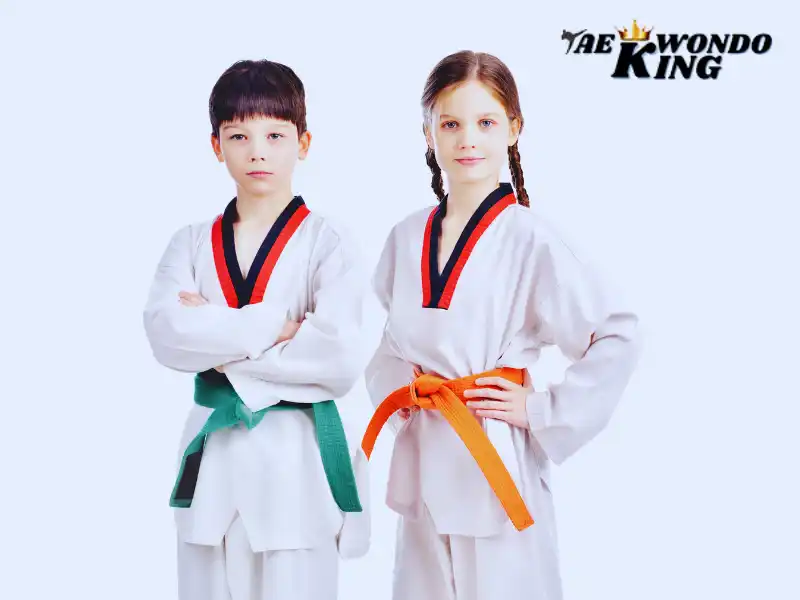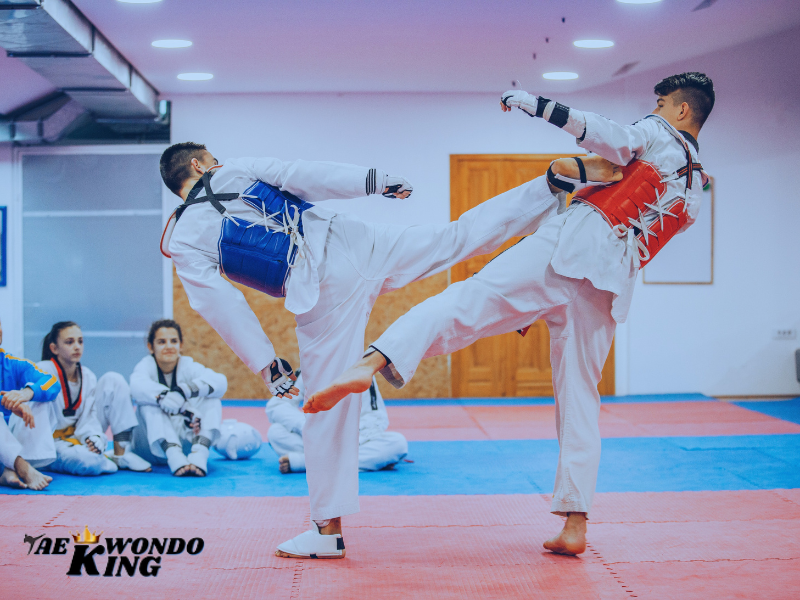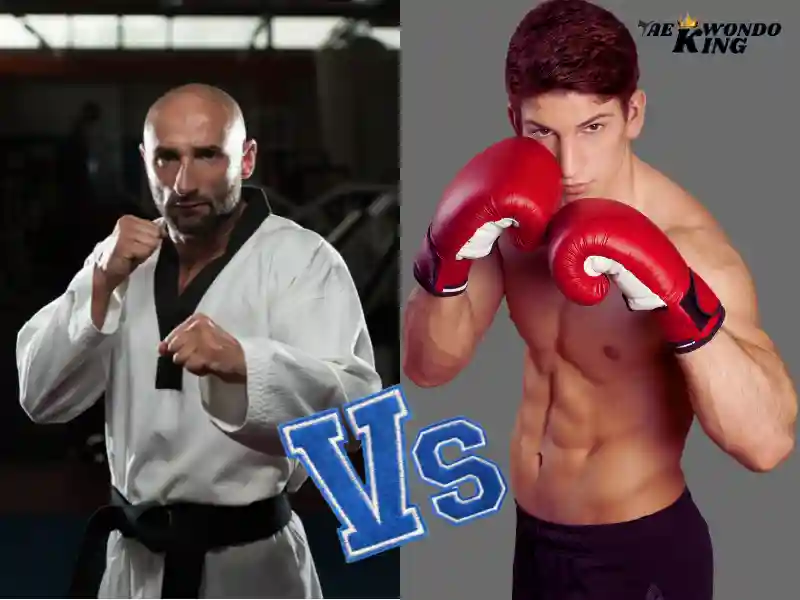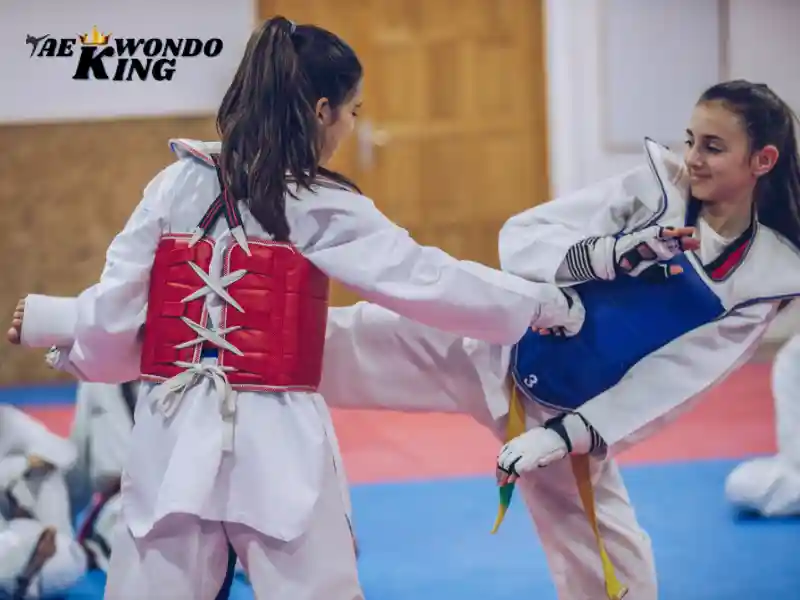
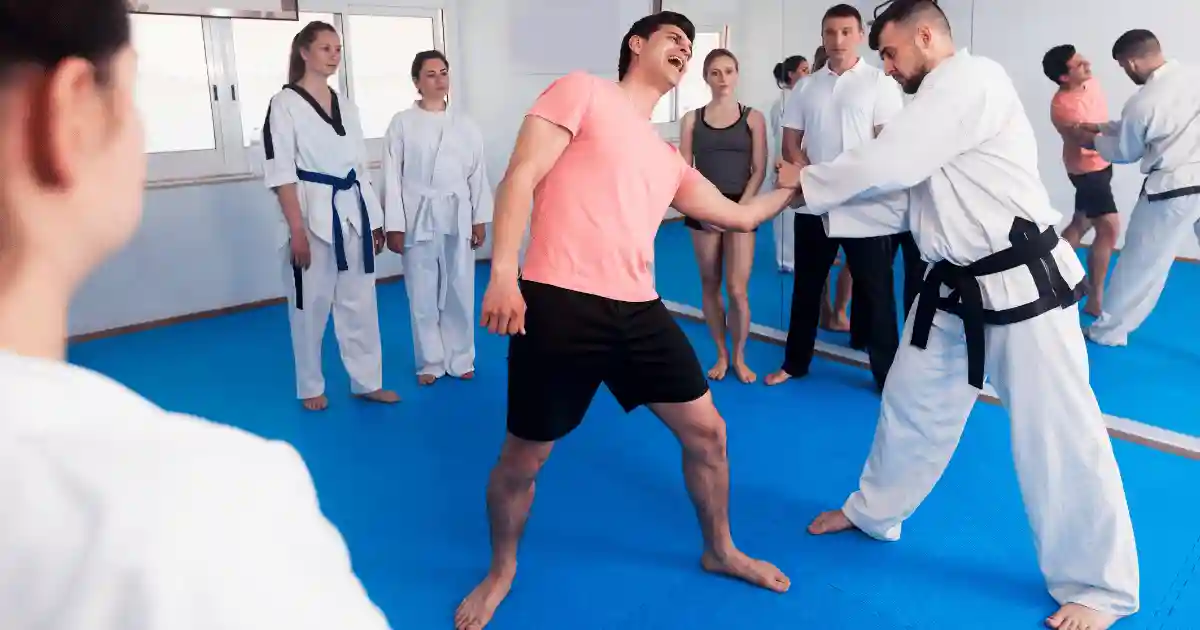
A nervous child stands at the back of a Sacramento dojang, watching a senior student throw perfect kicks across the mat. The coach notices immediately. They do not shout. They kneel down, smile, explain the first step, and make that child feel safe before class even really begins.
That single moment reveals something important about what makes a good taekwondo coach. It is never simply the person with the highest Dan grade or the fastest kick.
Great coaching blends technical skill, communication, patience, leadership, safety, emotional intelligence, lesson planning, athlete development, and character building into one job. A great taekwondo athlete knows how to perform. A great taekwondo coach knows how to help someone else learn, whether that student is a shy seven year old or a competitive adult chasing a black belt.
This guide breaks down exactly what makes a good taekwondo coach effective with children, teenagers, adults, beginners, and competitive athletes alike.
What Really Makes a Good Taekwondo Coach?
A good coach does much more than count repetitions. They create a place where students can learn, make mistakes, improve, and come back next week.
Technical Taekwondo Knowledge
Coaches need a strong grasp of stances, footwork, kicks, punches, blocks, poomsae, kyorugi, sparring, breaking, and taekwondo terminology, along with a working understanding of official WT kyorugi rules and regulations and WT poomsae grading standards.
Knowing the “Why” Behind the Technique
A good coach can explain what a technique does, why the body moves that way, when to use it, common mistakes, and how to fix them, similar to how the first techniques taught to new students are broken down for beginners.
Technical Skill Is Not Enough
Being a brilliant athlete does not automatically make someone a brilliant teacher. Explaining a movement clearly is a completely different skill from performing it well yourself.
The Top Qualities of a Good Taekwondo Coach
These qualities form the heart of the article. Good coaching is as much about people as it is about punches and kicks.
Patience
Beginners learn slowly, children forget instructions, athletes repeat the same mistake, and every student has bad days. One student gets a kick right on the first try. Another needs thirty attempts. A good coach treats both with equal respect, a mindset closely tied to the self discipline taekwondo builds in both students and instructors.
Good Communication
A good coach gives clear instructions, uses simple words, demonstrates techniques, listens carefully, and checks understanding before moving forward.
The “Show, Tell, Do” Method
Show the movement, explain the key point, let students try, give feedback, then let them try again. This simple loop builds skill far faster than lecture alone.
Empathy
Fear affects learning, confidence affects performance, adults may feel self conscious, and children may need extra reassurance before trying something new in front of the group.
Consistency
Consistent rules, consistent expectations, fair treatment, and reliable feedback all build the kind of trust that keeps students coming back week after week.
Humility
A good coach is willing to say, I’m not sure, let me check that. A coach does not lose authority by admitting they do not know everything, and this mirrors the humility built through years of dedicated taekwondo practice.
Positive Energy
Enthusiasm, encouragement, energy, and appropriate humor keep a class engaged. There is a real difference between being positive and simply being fake, and students notice that difference quickly.
A Good Taekwondo Coach Must Know How to Teach
Technical knowledge only becomes useful when a coach can transfer it to another person.
Breaking Skills Into Simple Steps
Instead of saying kick faster, a good coach breaks a roundhouse kick into stance, guard, pivot, knee lift, hip rotation, extension, recoil, and return to stance, similar to how advanced taekwondo moves and combinations get broken into learnable pieces. Demonstrating each step slowly on a set of kicking paddles and target mitts on Amazon gives students a clear, physical target to aim for during each stage of the breakdown.
Adapting to Different Learning Styles
Some students learn visually, some need repetition, some need to feel the movement physically, and others benefit most from clear verbal cues.
Giving Useful Feedback
Poor feedback sounds like, that was wrong. Better feedback sounds like, your pivot was good, now turn your supporting foot a little more. The second version gives the student something specific to fix.
Correcting Without Embarrassing Students
Correct the behavior, not the person. Avoid public humiliation, and praise effort whenever it is genuinely earned.
The Sandwich Feedback Method
Share what went well, what needs improvement, and what to try next. This method works well for sensitive moments, though direct correction is sometimes faster and more appropriate.
Good Taekwondo Coaches Build Trust
Students learn better when they trust the person teaching them.
Creating a Safe Dojang
Physical safety, emotional safety, respect, and clear boundaries all combine to create an environment where students feel comfortable taking risks and making mistakes.
Treating Students With Respect
No favoritism, no unnecessary shouting, no humiliation, and no bullying. These basics sound obvious, but they are the foundation every other coaching skill builds on top of.
Building Trust Over Time
Keeping promises, being consistent, listening, and showing up prepared all build trust gradually, class after class.
Why Trust Matters for Children
Parents need to trust the coach just as much as the child does, since they are placing their child’s physical and emotional wellbeing in that coach’s hands every single session.
What Makes a Good Taekwondo Coach for Children?
Children need a different coaching approach. A seven year old is not simply a smaller adult wearing a dobok.
Understanding Child Development
Attention spans, coordination, confidence, and age appropriate tasks all shift significantly between a five year old and a twelve year old, which is why a full guide for teaching kids taekwondo fundamentals matters so much for new coaches.
Making Training Fun
Games, challenges, partner drills, and simple goals keep young students engaged far better than repetitive drilling alone.
Fun Does Not Mean Easy
Fun and discipline can absolutely work together. A game that teaches balance still builds real skill, even if it feels playful to the student.
Managing Behaviour
Clear rules, positive reinforcement, calm correction, and consistent consequences help young students understand expectations without feeling punished unfairly.
Working With Parents
Communication, progress updates, safety concerns, and realistic expectations all matter, and this connects closely to how parents can support self discipline in their children both inside and outside the dojang.
What Makes a Good Taekwondo Coach for Teenagers?
Teen athletes often sit between two worlds. They want guidance, but they also want independence.
Respecting Teen Athletes
Avoiding a talking down tone matters enormously here. Teenagers respond far better to coaches who treat them as capable, developing adults, a respect echoed in how taekwondo helps build genuinely high self esteem during the teenage years.
Building Confidence
Goal setting, constructive feedback, and managing competition pressure all help teenagers build the kind of self confidence taekwondo training is known for developing.
Teaching Responsibility
Personal training habits, punctuality, equipment care, and self reflection all teach responsibility that extends well beyond the mat.
Managing Competition Stress
Winning, losing, nerves, and fear of failure all need to be addressed directly, rather than ignored until they show up on tournament day.
What Makes a Good Taekwondo Coach for Adults?
Adult students often have different goals. One wants a black belt. Another wants fitness. Someone else just wants to survive Tuesday night’s warm up.
Understanding Adult Motivation
Fitness, self defense, stress relief, personal growth, competition, and general martial arts interest all bring adults through the door, a mix well covered in the many benefits taekwondo offers adult beginners and in the broader reasons people decide to start taekwondo in the first place.
Respecting Busy Schedules
Work, family, recovery time, and training consistency all compete for an adult student’s limited time and energy each week.
Avoiding Ego-Driven Coaching
Adults should not be treated like competitive athletes unless that is genuinely their own goal. Pushing recreational students too hard often drives them away entirely.
A Good Taekwondo Coach Knows How to Motivate Students
Motivation is not just yelling let’s go until everyone looks tired.
Understanding Different Motivators
Competition, progress, belonging, fitness, achievement, and confidence all motivate different students in very different ways, a mix explored further in why so many people stick with taekwondo long term.
Setting Realistic Goals
Short term goals, long term goals, belt goals, skill goals, and competition goals all give students something concrete to work toward.
Recognising Progress
A good coach notices better balance, better technique, improved confidence, and better discipline, even in small increments most students miss in themselves.
The Quiet Student
A shy student who barely speaks in week one slowly starts answering questions by week ten, then eventually leads warm ups for the newer students. That quiet transformation is often the most rewarding part of coaching.
A Good Taekwondo Coach Gives Better Feedback
Feedback can either build an athlete or make them dread the next class.
Be Specific
Good job is weaker than, your guard stayed up throughout the drill today. Specific feedback tells a student exactly what to keep doing.
Give Feedback at the Right Time
During drills, after drills, after sparring, and after class all call for slightly different kinds of feedback and timing.
Balance Praise and Correction
Constant praise eventually becomes meaningless. Students need honest, balanced feedback to actually improve.
Focus on What Students Can Control
Effort, preparation, technique, and focus matter more than winning, natural talent, or physical gifts, none of which a student can directly control.
What Makes a Good Taekwondo Coach in Competition?
Competition coaching adds another layer of skill. The coach now has to manage tactics, emotions, timing, and sometimes a very nervous athlete.
Technical Competition Knowledge
Kyorugi rules, scoring, tactics, distance, timing, and pacing all matter here, closely tied to a coach’s own understanding of how taekwondo matches are actually scored under WT rules and the official referee rules governing competition.
Reading the Opponent
Movement patterns, habits, openings, and defensive weaknesses all give a sharp coach useful information to pass along between rounds.
Managing Athletes Between Rounds
Calm communication, clear instructions, and small tactical adjustments help far more than a flood of information during a short break.
What Not to Do
Shouting random instructions, blaming the athlete, and overloading them with information all tend to hurt performance rather than help it.
The Best Taekwondo Coaches Put Safety First
A coach cannot build champions by ignoring basic safety.
Physical Safety
Warm ups, safe training surfaces, protective equipment, controlled contact, and injury awareness all fall under a coach’s direct responsibility, an area closely tied to practical knee injury prevention strategies used in taekwondo training.
Safeguarding Children
Professional boundaries, child protection awareness, reporting concerns, and appropriate communication are non negotiable responsibilities for any coach working with young students, closely tied to official safety and medical guidance used across taekwondo competition.
Knowing When to Stop Training
Pain, dizziness, confusion, and suspected injury are all signs that training should stop immediately rather than push through. Keeping an instant cold pack on Amazon in the training bag helps manage minor swelling right away while a proper assessment is arranged.
First Aid and Emergency Planning
Coaches should know emergency procedures, basic first aid, and exactly who to contact if something goes wrong. Keeping a stocked first aid kit on Amazon in the training bag is a simple habit every responsible coach should build.
How a Good Taekwondo Coach Plans a Training Session
Great sessions usually look simple because the coach planned them before everyone walked through the door.
Set One Clear Goal
Improving roundhouse kick mechanics, developing footwork, or building reaction speed are all examples of a single, focused session goal.
Use a Logical Session Structure
A clear structure keeps a class organized and prevents wasted time between drills. Many coaches rely on a simple coaching whistle and stopwatch set on Amazon to keep transitions between sections crisp and on schedule.
Warm-Up
A proper warm up prepares the body for explosive movement and reduces injury risk right from the start of class. Setting up a few training cones on Amazon for footwork drills is a simple way to make warm ups feel more purposeful than a plain jog around the mat.
Technical Development
This is where new skills or corrections get introduced, usually while energy and focus are still high.
Drills
Repetition here builds the muscle memory that holds up under pressure later in sparring or grading. A durable freestanding kicking target on Amazon lets students repeat technique safely without needing a partner for every single rep.
Application
Students apply the new skill in a more realistic context, such as light sparring or a partner drill. Having a few spare sets of sparring gloves and shin guards on Amazon on hand for demonstrations keeps this stage running smoothly when a student forgets their own gear.
Cool-Down
Stretching and calm breathing help the body recover and gives the class a clear, structured ending.
Adapt the Plan
A tired class, an injured student, a crowded room, or a skill that proves too difficult all call for the coach to adjust the plan on the spot rather than force the original schedule.
Good Taekwondo Coaches Understand Periodization
This is an advanced coaching skill worth learning early.
Training Phases
General preparation, technical development, competition preparation, tapering, and recovery all form distinct phases of a well planned training year, a structure that pairs well with flexibility training that supports long term technique development.
Avoiding Overtraining
Rest, recovery, and monitoring training load all protect athletes from the kind of burnout and injury risk described in common injury patterns taekwondo athletes should watch for.
Adjusting for Age and Experience
A beginner should never follow the same training program as an elite competitive athlete. Matching intensity to experience protects both progress and safety.
Use this table to turn the article from a list of nice personality traits into a practical coaching framework. A coach can score themselves honestly and see where they need work.
| Coaching Skill | Why It Matters | Example |
|---|---|---|
| Technical knowledge | Ensures correct teaching | Fixing a poor pivot |
| Communication | Makes instructions clear | Simple verbal cues |
| Patience | Supports learning | Repeating a drill |
| Empathy | Builds trust | Helping a nervous beginner |
| Leadership | Guides the class | Setting clear standards |
| Observation | Spots errors | Watching foot position |
| Planning | Creates better sessions | Structured lesson plans |
| Adaptability | Handles different students | Modifying a drill |
| Safety awareness | Protects athletes | Stopping unsafe contact |
| Motivation | Keeps students engaged | Recognising progress |
Good Taekwondo Coaches Adapt Their Coaching Style
No two students learn in exactly the same way.
Coaching Beginners
Simple instructions, basic movements, and confidence building matter far more than advanced combinations at this stage.
Coaching Intermediate Students
Refinement, combinations, and real application become the focus once fundamentals are solid.
Coaching Advanced Athletes
Strategy, performance, and addressing individual weaknesses take priority as students approach competitive levels, often built through practicing some of the harder, more demanding kicks in taekwondo with real precision.
One Coach, Three Students
Picture a nine year old beginner, a seventeen year old competitor, and a forty two year old recreational student all in the same class. A skilled coach adjusts tone, pacing, and expectations for each one without making any of them feel like an afterthought.
What Separates a Good Coach From a Great Coach?
This section digs deeper than the qualities already covered above.
Good Coaches Teach Skills
Great Coaches Develop People
Confidence, discipline, resilience, respect, and independence all grow under a great coach, well beyond the specific kicks and forms being taught, echoing how taekwondo builds genuine self confidence over years of training.
Good Coaches Give Answers
Great Coaches Teach Students to Think
Decision making, problem solving, and self correction all separate a student who merely follows instructions from one who truly understands the art.
Good Coaches Want Students to Stay
Great Coaches Prepare Students to Eventually Stand Alone
This is the quiet, often unspoken goal of great coaching. The best coaches measure success by how capable their students become, not by how long those students stay dependent on them.
USA Expert Advice on Becoming a Better Taekwondo Coach
Experienced coach educators in the USA taekwondo community often point to one clear distinction. A technically skilled instructor teaches movements, while a great coach teaches the student behind those movements, adjusting communication, pace, and feedback to fit the individual in front of them.
A common mistake among new coaches is focusing so heavily on technique that they overlook the person performing it. Correcting a stance without first addressing a student’s fear or frustration usually leads to slower progress than addressing both together.
Common Mistakes That Stop Coaches From Being Great
A good coach should know what not to do. Some coaching habits can quietly damage confidence, motivation, and trust.
Talking Too Much
Demonstrations often teach far more effectively than a long verbal explanation ever could.
Shouting Instead of Teaching
There is a real difference between firmness and aggression, and students can usually tell which one they are experiencing.
Favouring the Best Athlete
Favoritism damages trust across the entire class, not just with the students being overlooked.
Treating Everyone the Same
Equal treatment does not always mean identical coaching. Fairness sometimes means adjusting the approach for each individual student.
Ignoring Beginner Needs
Teaching advanced skills too soon frustrates beginners and increases injury risk, undermining the patient progression covered in why students fail or succeed based on how well they master early fundamentals.
Chasing Medals at All Costs
Prioritizing wins over athlete wellbeing eventually damages both performance and trust, especially with younger competitors.
Refusing to Learn
Coaches who stop developing their own skills eventually fall behind the athletes they are trying to teach.
How to Become the Kind of Taekwondo Coach Students Remember
This is the emotional and experience led section of this guide.
Learn Every Student’s Name
Something this simple genuinely changes how welcome a new student feels from their very first class.
Notice Small Changes
Your balance is much better today, or you looked more confident in sparring, both cost nothing to say and mean everything to hear.
Celebrate Effort, Not Just Talent
Effort is something every student can control, unlike raw natural ability.
Be the Same Person on Good and Bad Days
Consistency in mood and tone builds trust just as much as consistency in technique correction.
Leave the Dojang Better Than You Found It
This applies to the mat, the students, and the overall culture a coach helps build, one class at a time, similar to what makes taekwondo more than just a fighting art for so many long term students.
How to Know If You Are a Good Taekwondo Coach
Here is a practical self assessment for any coach willing to be honest with themselves.
Ask Yourself These Questions
Do my students feel safe? Can beginners understand my instructions? Do I listen? Do I give useful feedback? Also, Do I treat students fairly? Do I adapt to different ages? Do I keep learning? How Do I know when to stop training? Do students feel comfortable asking questions? Do my athletes improve as people as well as martial artists?
Simple Coach Self-Score
Rate yourself from one to five on technical knowledge, communication, patience, safety, planning, empathy, leadership, adaptability, feedback, and professionalism. The score itself is not a badge of honor. It is simply a starting point for real improvement.
How to Improve Your Taekwondo Coaching Skills
Make this improvement process highly actionable rather than abstract.
Watch Your Own Classes
Ask whether students understood, whether they stayed engaged, and whether you talked too much during key moments.
Ask Students for Feedback
Simple questions like what helped you learn today, what was hard, and what should we practice more open up honest, useful conversations.
Observe Experienced Coaches
Notice how they explain, how they correct, and how they manage behavior differently from your own instinctive approach, similar to observing what makes a skilled taekwondo referee effective under pressure.
Study Coaching Education
Federation courses, safeguarding training, first aid certification, sports science, and strength and conditioning knowledge all sharpen a coach’s overall skill set. A dedicated coaching notebook and planner on Amazon makes it easy to keep session notes and course material organized in one place.
Keep a Coaching Journal
After each class, record what worked, what failed, and what to change next time. A simple pocket notebook set on Amazon works well for jotting quick notes down immediately after class, while memory is still fresh.
Frequently Asked Questions About Good Taekwondo Coaches
What makes a good Taekwondo coach?
A good coach combines technical knowledge, patience, clear communication, and genuine care for each student’s progress, both as an athlete and as a person.
Does a good Taekwondo coach need to be a black belt?
Most coaching roles require a certain belt rank, but rank alone does not guarantee good coaching. Communication and teaching skill matter just as much as technical grade.
Is technical skill the most important coaching quality?
No, technical skill forms the foundation, but patience, communication, and empathy determine whether that knowledge actually reaches the student effectively.
What makes a good Taekwondo coach for children?
Understanding child development, making training fun without losing structure, and communicating clearly with parents all matter enormously with younger students.
What makes a good Taekwondo coach for adults?
Respecting busy schedules, understanding varied motivations, and avoiding an overly competitive tone with recreational students all matter for adult classes.
How should a Taekwondo coach motivate students?
Effective coaches recognize progress, set realistic goals, and understand that different students respond to different types of motivation entirely.
Should a Taekwondo coach be strict?
Firmness and structure matter, but strictness without empathy often damages trust rather than building genuine discipline.
How does a coach build trust with students?
Consistency, fairness, active listening, and showing up prepared for every single class all build trust gradually over time.
What is the biggest mistake new Taekwondo coaches make?
Many new coaches focus too heavily on technique while overlooking communication, patience, and the individual needs of each student in front of them.
How can I become a better Taekwondo coach?
Watching your own classes, asking students for honest feedback, observing experienced coaches, and pursuing ongoing coaching education all lead to real, measurable improvement.
Good Taekwondo Coach Checklist
A good taekwondo coach knows taekwondo well, can explain techniques clearly, listens to students, and shows patience during every lesson. They give useful feedback, build trust, and create a genuinely safe training environment for every student in the room. They treat students fairly, adapt to age and skill level, and plan effective sessions instead of improvising blindly. Also, They understand injury prevention, know their safeguarding responsibilities, and motivate without ever resorting to humiliation. Above all, they keep learning and stay focused on developing people, not just athletes, embodying many of the qualities that separate everyday martial artists from true taekwondo experts.
Final Recommendation
After years of coaching, refereeing, and mentoring newer instructors, my honest advice is this. Technical skill will get a coach in the door, but patience, communication, and genuine care are what keep students coming back year after year. Learn your students’ names, notice small improvements before they notice them themselves, and correct mistakes without ever attacking the person making them. Keeping a simple coaching planner and session log on Amazon handy makes it far easier to track each student’s progress week to week. Keep studying, keep asking for feedback, and stay humble enough to admit what you do not yet know. What makes a good taekwondo coach ultimately comes down to one simple habit: showing up prepared, present, and genuinely invested in helping every single student improve, one class at a time.

Founder, Owner, and CEO of TaekwondoKing.
He is one of the top 100 martial artists in the World and among the top 20 referees in Bangladesh.
Ehatasamul Alom is an esteemed Kukkiwon Certified Taekwondo 3rd Dan Black Belt with over 15 years of experience in this dynamic martial art. Born in Rajshahi, Bangladesh, Ehatasamul’s journey with Taekwondo began at the tender age of seven. His passion led him to compete at national and international levels, where he has bagged numerous awards and honors. He is also a member of the Taekwondo National Referee Panel.
With a Bachelor’s degree in Sports Science from the prestigious Rajshahi University, Ehatasamul has a deep understanding of the technical and scientific aspects of martial arts and some other martial arts.
In 2022, Ehatasamul created the “TaekwondoKing.com” to share his knowledge, Free Resources, Values, and Real experiences. His articles focus on Taekwondo training techniques, competition strategies, Sport Products Reviews, and the art’s rich history and philosophy. He also writes about the importance of mental fortitude and discipline, key aspects of his teaching philosophy. He has already launched many sports, Taekwondo, and health-related Free online tools. His goal is to inspire both beginners and seasoned practitioners worldwide through insightful and engaging content.
If you need any help, contact Ehatasamul Alom at any time.