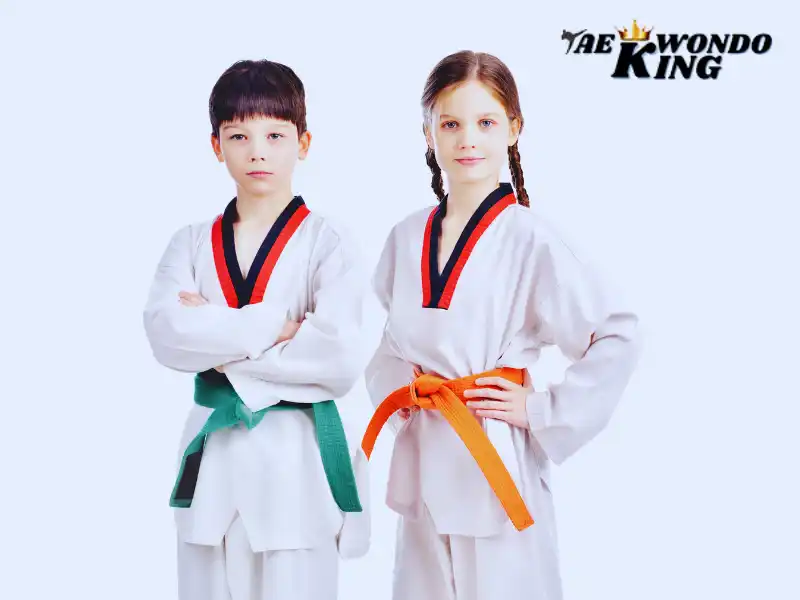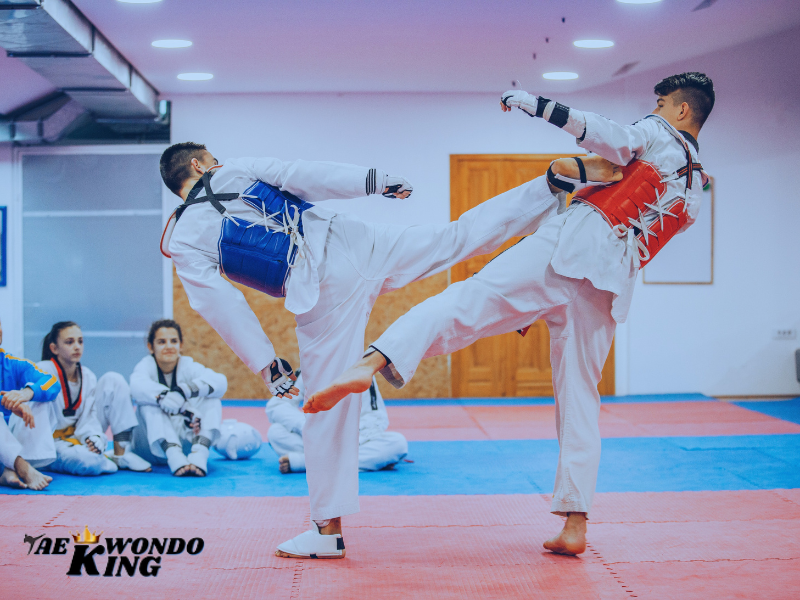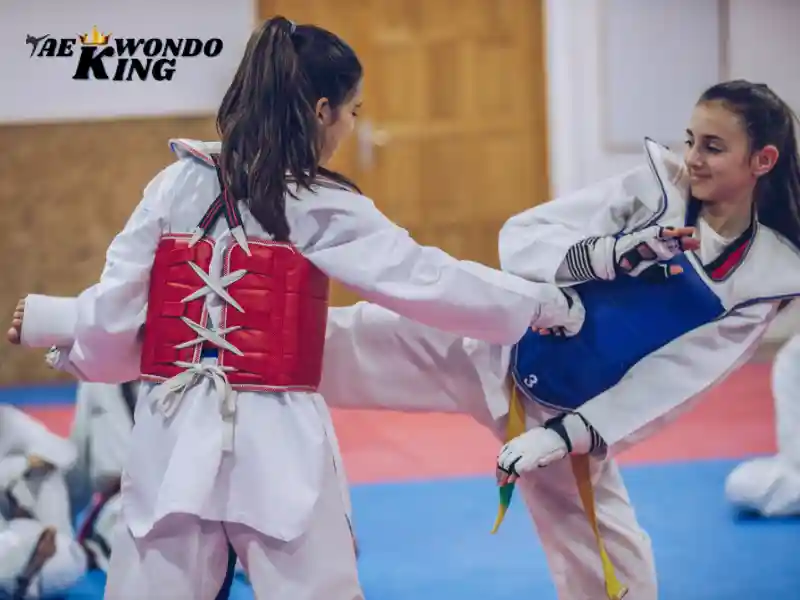
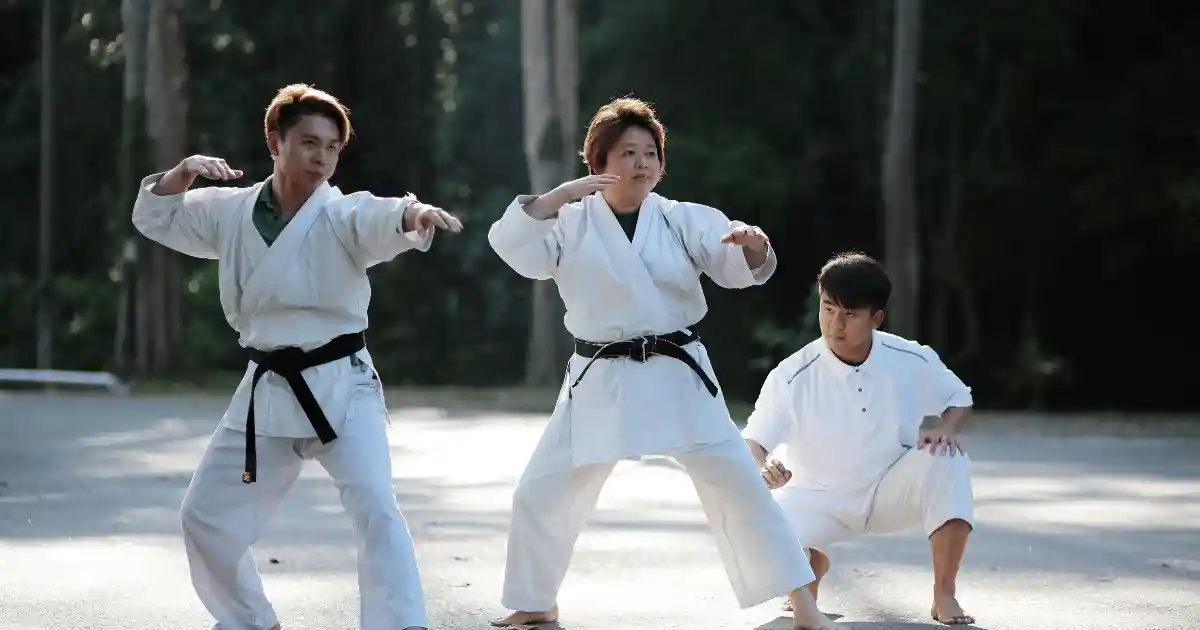
The dojang is filling up fast tonight in Denver, Colorado. Belts are being tied. The head coach is finishing the lesson plan. Meanwhile the assistant coach is already checking pads and helping two younger students find their spot on the mat. That quiet, busy energy is exactly where assistant taekwondo coach duties live. I have worked both sides of this role, first as the helper in the back of the room, later as the coach relying on my own assistants. This guide walks through what assistant coaches actually do, what they should never do, and how they support the lead coach while keeping students safe and engaged.
Whether you are a new black belt hoping to start coaching, a parent trying to understand who is actually teaching your child, or a club owner building a stronger staff, this breakdown covers every part of the role in plain language.
What Does an Assistant Taekwondo Coach Do?
An assistant coach supports the lead instructor before, during, and after training. The role blends teaching, organisation, and a little crowd control when ten excited kids all want the same kick pad at once.
Main Assistant Coach Duties
An assistant helps prepare the training area and welcomes students as they arrive. They lead warm-ups when asked and demonstrate techniques the head coach has already taught. Holding pads, running small-group drills, and giving basic feedback fill most of the class. They also monitor student safety, support beginners, and help manage behaviour during a busy session, much like the observation skills covered in taekwondo first learning technique.
The Assistant Coach’s Main Goal
The goal is simple. Support learning, improve class flow, keep students engaged, and free the lead coach to focus on teaching instead of logistics.
What an Assistant Coach Is Not
An assistant coach is not automatically the head instructor. They are not responsible for the whole club, not a medical professional, and never a substitute for proper safeguarding procedures. Knowing these limits protects both the coach and the students.
Duties Vary by Club and Country
Assistant coach duties shift depending on the club, the country, the coach’s experience, student age, class size, and the taekwondo organisation involved. Readers may also come across related terms such as assistant instructor, junior coach, coach trainee, and senior student, all describing slightly different points along the same coaching pathway, similar to the progression discussed in why taekwondo is popular around the world.
Assistant Taekwondo Coach Duties Before Class
Good coaching often starts before the first kihap. Preparation turns a busy class into a calm one.
Check the Training Area and Prepare Equipment
An assistant inspects the mats, removes hazards, and makes sure walkways stay clear. They also set out kick pads, hand targets, shields, and cones so the head coach never has to pause class to hunt for gear.
Welcome Students and Check Readiness
Greeting new students and helping younger ones settle matters more than it sounds. An assistant also checks for a proper uniform, the correct belt, safety equipment, and confirms jewellery is removed before drills begin.
Practical Example
Picture an assistant coach arriving fifteen minutes early. The mats feel slightly cold underfoot. Pads sit stacked near the wall. A nervous beginner is unsure where to stand. The assistant quietly walks over and helps them settle in. Coaching begins long before the formal class does.
Stock a Reliable Kit Bag
Every good assistant keeps a small personal kit ready, separate from the club’s shared gear. A few spare hand wraps, a whistle, and basic first aid supplies can save several minutes of scrambling once class actually begins.
Assistant Taekwondo Coach Duties During Warm-Up
Warm-ups are not simply a chance to shout faster while everyone jogs in circles.
Lead Drills and Demonstrate Movement
An assistant leads light jogging, mobility work, and dynamic stretching. They demonstrate each exercise, use simple instructions, and check that students are copying the movement correctly, a habit that connects to why flexibility is the most important part of taekwondo.
Watch for Safety Problems and Adapt by Age
An assistant watches for students moving too fast, poor spacing, or early fatigue. Children, teens, and adults all need slightly different pacing, so a good assistant adjusts on the fly rather than running one script for every group.
Coaching Tip
Keep instructions short during warm-up. “Hands up.” “Eyes forward.” “Keep space.” “Land softly.” Long speeches while everyone is already sweating tend to get lost.
Support Mobility Work
Some clubs use light resistance bands or a foam roller during warm-up to help students loosen tight hips before kicking drills begin. An assistant who understands basic mobility tools becomes genuinely useful here, not just an extra pair of hands.
Assistant Taekwondo Coach Duties During Technical Training
This is where an assistant coach can make the biggest difference for individual students.
Demonstrate Basic Techniques
Ap chagi, dollyo chagi, yop chagi, punches, blocks, and stances all fall under this duty. Clear demonstration matters more than a long verbal explanation, an idea explored well in taekwondo moves you can learn easily.
Help Students Practise and Give Simple Corrections
An assistant pairs students, organises lines, and manages rotations so nobody stands around waiting too long. Corrections stay simple, covering stance, guard position, balance, chamber, hip rotation, and foot placement, one point at a time.
Reinforce the Head Coach’s Instructions
An assistant uses the same terminology the head coach uses and avoids giving conflicting advice. When unsure, they ask the head coach rather than guessing in front of students, a habit that mirrors the discipline required of a taekwondo referee working alongside a judging panel.
Example of Good Feedback
Instead of saying “that’s wrong,” a stronger line is “try turning your supporting foot a little more.” Positive, specific feedback teaches far more than a flat correction ever will.
Assistant Coach Duties During Poomsae Training
Poomsae rewards attention to detail. An assistant coach can help students catch small errors before they become permanent habits.
Observe Stances and Check Technique
An assistant watches stance width, balance, and weight distribution. They also check chamber position, hand placement, and direction against the taekwondo poomsae rules and regulations by WT.
Help With Sequence and Support Group Practice
Remembering movement order, correct direction, and timing trips up many students early on. An assistant supports small groups and gives individual corrections through repeated, patient practice.
Important Boundary
An assistant coach follows the club’s technical curriculum and the head coach’s instructions. Inventing a different method, however well meaning, creates confusion rather than progress.
Assistant Coach Duties During Kyorugi and Sparring
Sparring needs extra care. An assistant coach plays a key role in keeping training controlled and safe.
Prepare Protective Equipment and Check Pairings
An assistant sets out head guards, trunk protectors, shin guards, and forearm guards before any sparring starts. They also check pairings by age, size, experience, and skill level, since a mismatch is often where injuries begin.
Monitor Sparring and Stop Unsafe Training
Intensity, control, rules, and behaviour all need constant attention during live sparring, aligned with the taekwondo kyorugi rules and regulations by WT. An assistant stops excessive contact, loss of control, or unsafe technique immediately, without waiting for permission.
Support Competition Athletes
For students preparing for events, an assistant helps with warm-up, drills, tactical preparation, and steady encouragement, much like the tactics covered in strategies for success in taekwondo sparring.
Important Reminder
A good assistant coach knows when to call the head coach. Confidence helps. Pretending to know everything does not.
Assistant Taekwondo Coach Duties With Beginners
Beginners often need more attention than advanced students. An assistant coach can make those first few weeks far less intimidating.
Explain Basic Etiquette and Terminology
Bowing, dojang behaviour, respect, and class rules all need gentle explanation early on. Basic terms like dojang, dobok, kihap, poomsae, and kyorugi become familiar through repetition, a process well described in reasons to practice taekwondo.
Help With Basic Skills and Build Confidence
An assistant helps with stance, guard, basic kicks, and basic blocks. Praising effort, correcting gently, and encouraging questions builds the kind of confidence covered in how taekwondo builds self confidence and how taekwondo builds self discipline over a full training season.
Real-Life Example
A new student keeps putting the wrong foot forward during a stance drill. Instead of correcting them loudly in front of everyone, the assistant steps closer, demonstrates slowly, and says, “let’s try it together.” That small moment can decide whether a student comes back next week.
Assistant Taekwondo Coach Duties With Children
Working with children takes more than knowing how to kick properly.
Maintain Safe Behaviour and Keep Children Engaged
Clear rules, good spacing, and appropriate contact keep a children’s class safe. Short drills, simple challenges, and the occasional game keep young students engaged, an approach detailed in the ultimate guide to teaching kids taekwondo.
Support Safeguarding
Following club procedures, maintaining boundaries, and reporting concerns sit at the centre of youth coaching. A recent case involving an elderly instructor facing abuse charges is a hard reminder of why these standards can never be treated as optional.
Communicate With Parents
An assistant refers detailed questions to the head coach and shares only basic class information when authorised, always avoiding confidential matters in public.
Important Principle
Child protection is part of coaching, not an optional extra layered on top of it.
Keep Sessions Age Appropriate
Young students focused on taekwondo for kids need shorter attention spans respected, with frequent breaks and clear, simple language. An assistant who paces a children’s class well prevents most behaviour problems before they even start.
Assistant Taekwondo Coach Duties During Competitions
Competition days are louder, faster, and usually involve far more waiting around than beginners expect.
Before and During the Match
An assistant helps athletes warm up, checks competition gear, and keeps focus sharp before the match starts. During the match itself, they follow event rules under the taekwondo GMS rules and regulations, support the athlete, and avoid distracting behaviour near the ring.
Between Matches and After the Competition
Recovery, hydration, and calm tactical discussion fill the gaps between matches. After the event, an assistant helps athletes reflect and encourages learning, without piling on harsh criticism right after a tough loss.
Competition Etiquette
Respect officials, respect opponents, and avoid arguing. Modelling good sportsmanship teaches young athletes more than any lecture could.
Supporting Para Taekwondo Athletes
Some assistants also support para athletes at events, where classification and adapted rules matter, covered under the para taekwondo competition rules and regulations by WT. Understanding these differences shows real respect for every athlete on the team, not just the ones chasing standard division medals.
Assistant Coach vs Head Taekwondo Coach Duties
The clearest way to understand the assistant role is to compare it directly with the lead coach role.
The exact split depends on the dojang, but the assistant generally supports the programme while the head coach carries greater responsibility for planning, leadership, and final decisions.
| Duty | Assistant Coach | Head Coach |
|---|---|---|
| Class preparation | Helps | Leads |
| Lesson planning | Supports | Usually responsible |
| Warm-up | May lead | Oversees |
| Technical demonstrations | Assists | Leads |
| Beginner support | Often major role | Oversees |
| Student corrections | Basic feedback | Final technical guidance |
| Sparring supervision | Supports | Leads |
| Safeguarding concerns | Reports | Manages according to policy |
| Parent communication | Limited or delegated | Usually responsible |
| Competition strategy | Supports | Leads |
| Coach development | Learns | Mentors |
Skills Every Assistant Taekwondo Coach Needs
Technical ability matters, but the best assistant coaches also communicate clearly, observe closely, and stay calm under pressure.
Technical and Communication Skills
Strong fundamentals, correct technique, and solid poomsae and kyorugi knowledge form the base, tied closely to the club curriculum described in taekwondo martial arts expert. Clear instructions, active listening, and age-appropriate language turn that knowledge into something students can actually use.
Observation, Patience, and Leadership
Spotting technical errors, noticing fatigue, and catching unsafe behaviour early prevents most injuries before they happen. Patience means repeating instructions without frustration, while leadership means setting a good example and staying calm even when a class gets chaotic.
Teamwork
Following the head coach, communicating with other assistants, and never contradicting instructions in front of students keeps the whole program running smoothly.
Why These Skills Matter Long Term
An assistant who builds all of these skills early tends to move faster into full coaching roles later. This mirrors the long path described in why should you start taekwondo, where years of small, consistent effort eventually add up to real expertise.
What Qualifications Does an Assistant Taekwondo Coach Need?
There is no single worldwide qualification that applies to every assistant coach. Requirements vary by organisation, country, and role.
Rank, Coach Education, and Safety Training
Colour belt or black belt rank, along with dan rank in some organisations, sets a baseline. Assistant coaching courses and instructor training add structure on top of that base, alongside first aid and CPR knowledge covered in taekwondo safety and medical rules and regulations by WT.
Safeguarding and Background Screening
Child protection training, appropriate boundaries, and clear reporting procedures matter just as much as technical skill. Background screening, where required, is especially relevant for anyone coaching youth athletes.
Important Distinction
A black belt is a technical rank. A coach qualification is coaching education. Safeguarding training is athlete protection. First aid is emergency preparedness. These often overlap in one coach’s development, but they are not automatically the same thing.
Learning From Established Programs
New assistants often learn fastest by observing a well-run academy up close. A program such as the taekwondo learning center options in Las Vegas, USA can show how experienced staff structure qualification pathways for their own assistant coaches.
How an Assistant Taekwondo Coach Should Handle Injuries
An assistant coach may be the very first person to notice something is wrong.
Recognise Injuries and Stop the Activity
Sprains, strains, bruises, cuts, possible fractures, and head injuries all need quick recognition, a topic covered in depth in the most common injuries in taekwondo and how to prevent them. An assistant stops the activity, keeps the area safe, and never encourages a student to walk off a real injury.
Inform the Head Coach and Escalate When Needed
Club procedures should always guide the next step, whether that means contacting first aid support or calling emergency services for something serious. Parents or guardians get informed where appropriate.
Important Boundary
An assistant coach never diagnoses injuries outside their training and never gives medical advice beyond their competence.
Assistant Coach Safeguarding Responsibilities
A responsible assistant coach knows that trust gets earned through everyday behaviour, not a single policy read once and forgotten.
Follow Policy and Maintain Boundaries
Reading the club safeguarding policy and knowing exactly who to report to matters more than most new coaches realise. Appropriate communication, appropriate physical contact, and appropriate online behaviour all protect both the coach and the student.
Report Concerns and Work Safely With Children
An assistant never investigates serious allegations personally. They follow the correct reporting process, avoid unnecessary isolated situations, and respect student privacy at all times.
USA Context
In the United States, SafeSport requirements apply to many youth coaching roles, alongside background screening tied to broader youth sports safeguarding standards. Safeguarding rules and insurance coverage are separate responsibilities, so never assume one covers the other.
A Typical Day for an Assistant Taekwondo Coach
A day-in-the-life view makes this role far easier to picture.
Arrival and Warm-Up
At 5:30 PM, an assistant checks the mats, sets out pads, and speaks briefly with the head coach. Students start arriving by 5:45, and the assistant welcomes them, helps beginners settle, and checks equipment one more time. By 6:00, warm-up begins, with the assistant leading exercises and watching spacing closely.
Technical Work Through Cool-Down
Technical work fills the next stretch, with the assistant demonstrating kicks and helping small groups. Poomsae or kyorugi work follows around 6:45, where the assistant observes, corrects, and supports safe practice. Cool-down wraps the evening near 7:30, followed by equipment storage and a short debrief with the head coach about student progress and any concerns worth noting.
Sensory Detail
The sharp sound of a kihap. Feet sliding across the mat. The thump of a kick shield. Students adjusting their dobok. Then the sudden quiet once class ends.
Assistant Coach Duties by Class Type
Different classes need different kinds of support, and an assistant should never use one approach for every group.
A five-year-old beginner, an adult fitness student, and a tournament athlete may all train in the same building, but they need very different coaching attention.
| Class Type | Main Assistant Duties |
|---|---|
| Children’s Beginners | Safety, basic skills, encouragement |
| Teenagers | Technique, discipline, engagement |
| Adult Beginners | Clear instruction, confidence |
| Advanced Students | Technical feedback, drills |
| Poomsae Class | Precision, sequence, balance |
| Kyorugi Class | Safety, pairings, controlled sparring |
| Competition Team | Warm-up, tactics, athlete support |
Adult classes in particular benefit from an assistant who understands stiffer joints and tighter schedules, a theme covered in taekwondo lessons for adults.
What an Assistant Coach Should Not Do
Knowing your limits is part of being a genuinely good coach.
Do Not Overstep Authority
An assistant does not contradict the head coach publicly, even when they disagree. Differences get discussed privately instead. They also avoid teaching beyond their own knowledge, asking questions or referring students to the lead coach when unsure.
Do Not Ignore Safety or Overpromise
Unsafe activity gets stopped immediately, and concerns get reported without delay. An assistant never promises students unauthorised outcomes such as belt promotions, competition selection, or team places. Serious safeguarding issues always go through proper reporting procedures, never handled alone.
How to Become an Assistant Taekwondo Coach
This path usually starts long before anyone hands out a coaching title.
Start as a Reliable Student and Shadow a Coach
Attending consistently, training seriously, and showing respect builds the reputation that opens the door. From there, asking to shadow a coach, observe classes, and help with equipment teaches the structure behind every session, a journey similar to how I became a skilled taekwondo referee.
Build Skills and Complete Relevant Training
Holding pads and leading warm-ups are common starting tasks. From there, learning communication, studying lesson planning, and practising demonstrations builds real coaching skill. First aid, safeguarding, and coach education round out the foundation, alongside honest feedback from the head coach about what to improve next.
Practical Progression
Student, then senior student, then assistant, then junior coach, then coach, then head coach. This is an illustrative pathway, not a universal rank system, since every organisation structures it a little differently.
USA Expert Advice for Assistant Taekwondo Coaches
Experienced USA coaches tend to agree on one thing above all else when asked about assistant coaching.
USA Taekwondo’s coach education resources stress supporting the head coach, putting athlete safety first, and learning before leading. Their public materials are the most reliable source for current standards, since coaching requirements shift periodically.
Suggested Expert Question
What is the most important duty of a good assistant coach? The most common answer, echoed across coach education programs, centres on giving clear feedback and knowing exactly when to ask for help rather than guessing.
I have seen this play out firsthand while mentoring assistants near a well-known taekwondo academy in Chicago, USA, where the strongest assistants were never the loudest in the room. They were the ones who listened closely and asked good questions.
How Assistant Coaches Build Trust With Students
Students quickly notice whether a coach actually listens.
Be Consistent and Correct Without Embarrassing
Arriving on time, keeping promises, and following club rules build trust faster than any single lesson. Private corrections, focused on behaviour and technique rather than the student themselves, protect a young athlete’s confidence.
Celebrate Progress and Avoid Favouritism
A first successful kick, better balance, or improved poomsae all deserve recognition. Treating every student fairly, without playing favourites, keeps the whole class motivated rather than just the top performers.
Natural Emotion and Humour
Every coach knows the student who forgets the drill exactly when everyone is watching. Or the coach who demonstrates a technique perfectly, then instantly forgets which side they started on. Keep the humour warm, never mocking, and the whole room relaxes with you.
Trust Builds Over an Entire Season
Trust rarely appears after one good class. It grows across months of small, consistent actions, the same way most important things learned from taekwondo tend to shift from “my parents signed me up” to “I actually want to be here” over a full season of steady coaching.
Common Mistakes New Assistant Taekwondo Coaches Make
New coaches learn by doing, but a few mistakes are easy to avoid once you know to watch for them.
| Common Mistake | Better Approach |
|---|---|
| Giving too many instructions | One clear correction at a time |
| Talking too much | Demonstrate, then let students practise |
| Trying to be the head coach | Support the lead coach and learn first |
| Ignoring quiet students | Watch the whole group, not just the loud ones |
| Correcting without explaining why | Explain the purpose behind each adjustment |
| Forgetting safety | Check spacing, equipment, and fatigue often |
This table gives a fast reference for habits worth dropping early in your coaching career.
Learning From Every Mistake
Even head coaches remember their early stumbles as an assistant. The same growth mindset described in why taekwondo is the best martial art applies just as well to coaching itself, since every stumble becomes a lesson if you stay honest about it.
Assistant Taekwondo Coach Duties Checklist
This practical checklist works well as a printable resource or a quick self-assessment before class.
Before Class
- Arrive early
- Check mats
- Prepare equipment such as pads and shields
- Speak with the head coach
- Welcome students
During Class
- Help with warm-ups
- Demonstrate techniques
- Support beginners
- Run small drills
- Give clear feedback
- Monitor safety
During Sparring
- Check protective equipment
- Support safe pairings
- Monitor contact
- Stop unsafe behaviour
- Report injuries
After Class
- Store equipment properly
- Report concerns
- Discuss student progress
- Ask for feedback
Frequently Asked Questions About Assistant Taekwondo Coach Duties
What are the main duties of an assistant taekwondo coach?
Supporting the head coach, helping teach techniques, running drills, monitoring safety, and supporting students all sit at the centre of assistant taekwondo coach duties.
What does an assistant taekwondo coach do during class?
They lead warm-ups, assist with demonstrations, run small-group coaching, manage equipment, and keep a close eye on safety throughout the session.
Can a beginner become an assistant taekwondo coach?
Requirements vary widely. Supervised assistance is often possible before someone becomes a fully qualified coach, depending on the club and organisation.
Does an assistant taekwondo coach need a black belt?
There is no universal answer. Requirements depend heavily on the organisation and the specific role being filled.
What is the difference between an assistant coach and head coach?
The head coach holds greater responsibility for planning, leadership, and final decisions, while the assistant supports the programme underneath that structure.
Can assistant coaches teach children?
Yes, within safeguarding and supervision requirements set by the organisation, and usually under the oversight of a qualified head coach.
Can an assistant coach lead a class?
This depends entirely on the head coach and the club’s own structure. Some assistants lead full sessions, while others support only.
What qualifications should an assistant taekwondo coach have?
Technical knowledge, relevant coaching education, first aid training, and safeguarding certification where required all matter for the role.
How do I become an assistant taekwondo coach?
Start as a reliable student, assist experienced coaches, gain relevant training, and build practical experience over time through consistent effort.
Is assistant coaching a good way to become a taekwondo coach?
Yes. It offers a practical, low-pressure learning route that builds real skill before someone takes on full head coach responsibility.
Assistant Taekwondo Coach Duties Quick Reference
Use this final section as a practical reference rather than a repeat of the article’s conclusion.
| Area | Key Duty |
|---|---|
| Preparation | Set up a safe training space |
| Teaching | Demonstrate and reinforce skills |
| Beginners | Offer extra support |
| Poomsae | Help with technical detail |
| Kyorugi | Support controlled sparring |
| Safety | Monitor risks and equipment |
| Safeguarding | Follow reporting procedures |
| Competition | Support athlete preparation |
| Communication | Give clear, positive feedback |
| Development | Learn from the head coach |
Final Recommendation
I have worked as an assistant, a referee, and now a head coach, and my honest advice is this. The best assistant coaches treat the role as a real job, not a placeholder while waiting for a title. Watch closely, ask questions when you are unsure, and protect student safety above everything else. Assistant taekwondo coach duties may look small from the outside, holding a pad here, correcting a stance there, but they shape whether a nervous beginner ever comes back for a second class.
If you are starting this path, be patient with yourself. Every strong head coach I know started exactly where you are standing now, unsure of a few techniques and nervous about giving feedback in front of a full class. That feeling fades with practice, honest self review, and a willingness to keep learning long after the first belt promotion. Show up consistently, stay humble about what you do not yet know, and the trust of your students will follow naturally.

Founder, Owner, and CEO of TaekwondoKing.
He is one of the top 100 martial artists in the World and among the top 20 referees in Bangladesh.
Ehatasamul Alom is an esteemed Kukkiwon Certified Taekwondo 3rd Dan Black Belt with over 15 years of experience in this dynamic martial art. Born in Rajshahi, Bangladesh, Ehatasamul’s journey with Taekwondo began at the tender age of seven. His passion led him to compete at national and international levels, where he has bagged numerous awards and honors. He is also a member of the Taekwondo National Referee Panel.
With a Bachelor’s degree in Sports Science from the prestigious Rajshahi University, Ehatasamul has a deep understanding of the technical and scientific aspects of martial arts and some other martial arts.
In 2022, Ehatasamul created the “TaekwondoKing.com” to share his knowledge, Free Resources, Values, and Real experiences. His articles focus on Taekwondo training techniques, competition strategies, Sport Products Reviews, and the art’s rich history and philosophy. He also writes about the importance of mental fortitude and discipline, key aspects of his teaching philosophy. He has already launched many sports, Taekwondo, and health-related Free online tools. His goal is to inspire both beginners and seasoned practitioners worldwide through insightful and engaging content.
If you need any help, contact Ehatasamul Alom at any time.