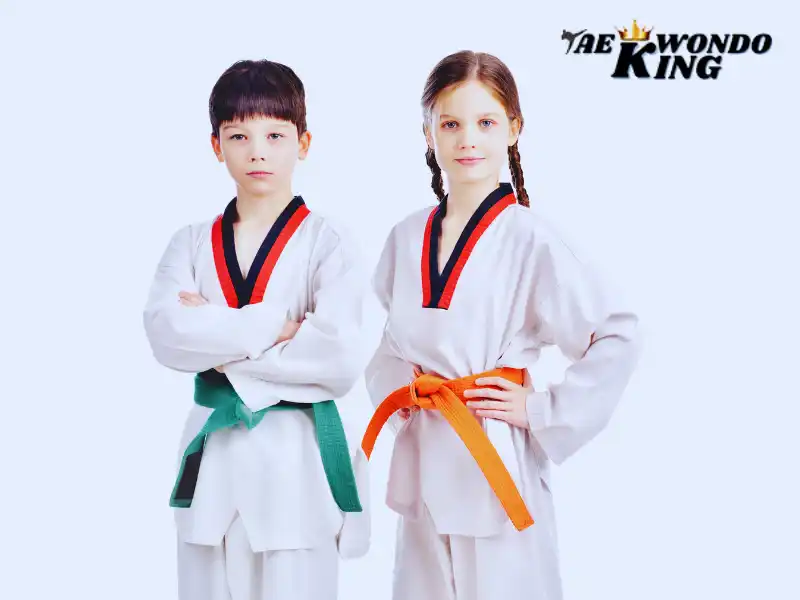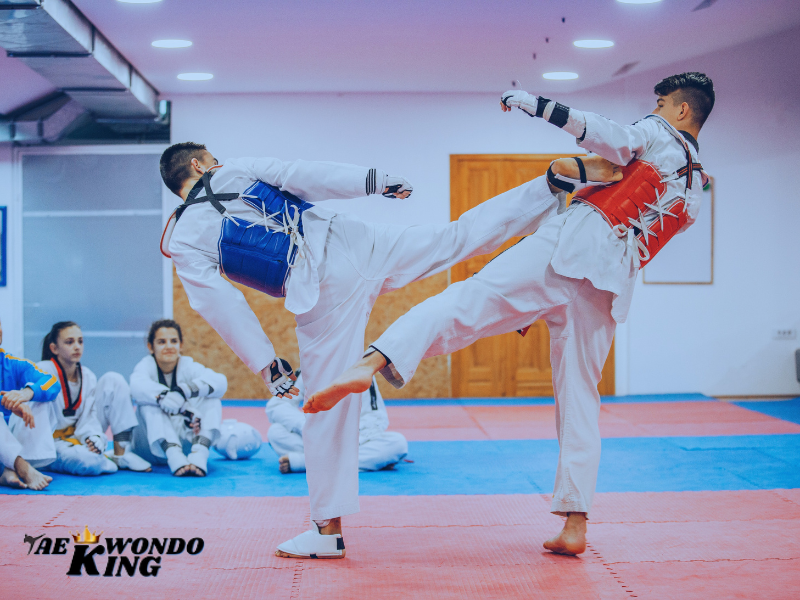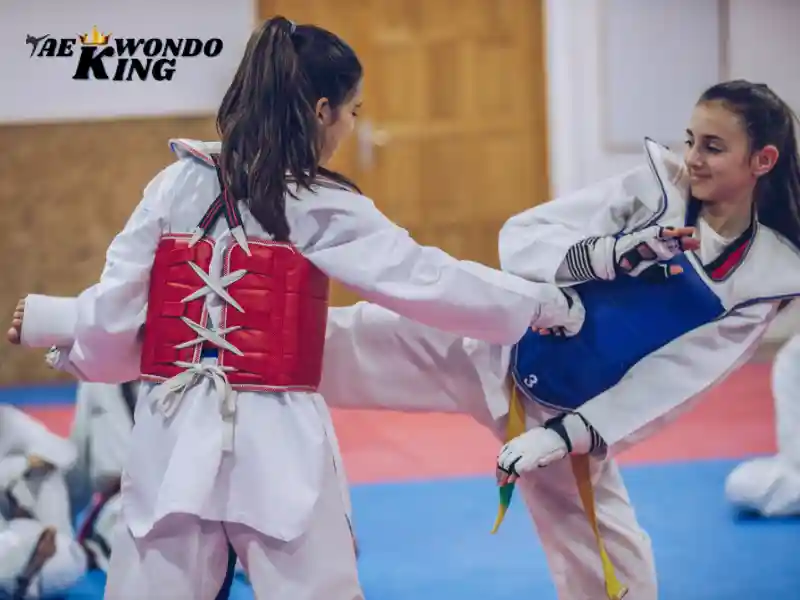
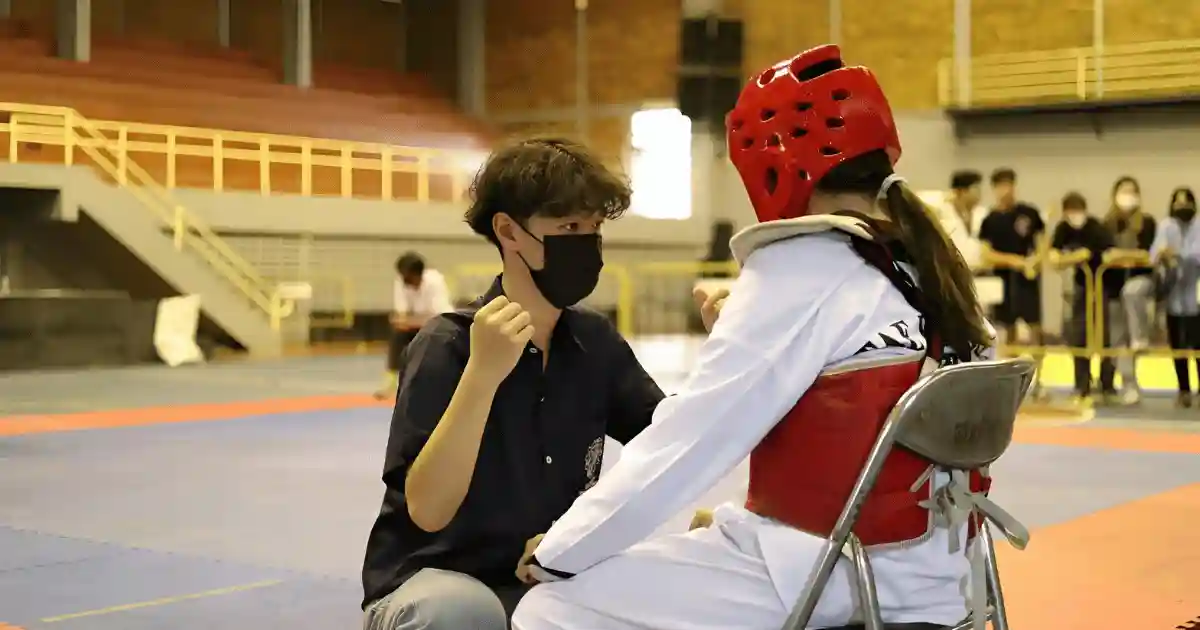
The class starts well at a dojang in Nashville. Pads are hitting. Feet are moving. Then, halfway through the session, one athlete stops trying. Another keeps checking the clock. A third quietly asks, do we have to do this again? Every coach has seen this exact moment.
Learning how to improve taekwondo athlete motivation starts with understanding one simple truth. Low motivation rarely means an athlete is lazy. They may be tired, bored, overtrained, nervous about competition, or simply losing confidence without knowing how to say so.
The best way to improve motivation is to understand what actually drives each athlete, then build training around meaningful goals, visible progress, challenge, choice, and connection. This guide covers exactly how to do that, one practical step at a time.
Why Taekwondo Athletes Lose Motivation
Motivation rarely disappears for just one reason. A coach needs to look beneath the surface before deciding that an athlete simply does not care.
Training Becomes Repetitive
Same drills every session, no clear purpose, and too much repetition without progression all quietly drain enthusiasm over time.
The Athlete Stops Seeing Progress
Working hard without noticing improvement is exhausting, even for athletes who genuinely love the fundamental kicks and techniques taekwondo builds from day one.
The Athlete Feels Too Much Pressure
Competition results, grading expectations, coach pressure, parent pressure, and fear of failure can all quietly build up until training stops feeling enjoyable.
The Athlete Is Physically or Mentally Tired
Heavy training loads, poor recovery, school stress, work, and lack of sleep all chip away at motivation long before an athlete says anything out loud.
The Athlete Does Not Feel Connected
An athlete may genuinely enjoy taekwondo but still feel isolated within the class, especially if they train alone or rarely partner with the same students twice, a gap sometimes bridged through the fitness and social benefits taekwondo builds for adult students.
The Athlete Has Lost Their “Why”
Training because they love taekwondo, because their parents insist, because they want medals, because they want fitness, or because they want confidence are all very different motivations, and losing sight of that original why often shows up first as fading motivation.
Understand the Difference Between Motivation and Discipline
Motivation gets athletes started. Discipline helps them continue when motivation is low.
Motivation Can Change From Day to Day
Coaches should not expect athletes to feel excited every single session. Some days simply feel harder than others, even for dedicated students.
Discipline Needs Structure
Routines, training habits, clear expectations, and consistency all build the kind of discipline that carries athletes through low motivation days, similar to the self discipline taekwondo builds through years of consistent practice.
Avoid Using Discipline as Punishment
Endless push ups or running should never become the default response to poor effort. That approach teaches avoidance, not discipline.
Help Athletes Build Self-Discipline
Encourage athletes to set goals, track progress, prepare for training, and reflect after sessions, building habits that outlast any single motivating speech, closely tied to the wider mental discipline taekwondo practice builds over time.
Find Out What Motivates Each Taekwondo Athlete
One coach may have twenty athletes and twenty different reasons for training. That is the challenge, and honestly, it is also the fun part.
Ask Athletes Why They Train
What do you enjoy most? What do you want to improve? And What is your biggest goal? What makes training difficult? What would make training more enjoyable? Simple questions like these reveal more than months of guessing.
Identify Intrinsic Motivation
Enjoyment, mastery, personal growth, confidence, and skill development all come from within the athlete, and these tend to sustain motivation longer than external rewards alone.
Understand Extrinsic Motivation
Medals, trophies, rankings, grades, and praise all matter too, closely tied to how modern taekwondo matches are actually scored, but they work best alongside genuine internal drive, not as a replacement for it.
Look for Changes in Motivation
An athlete’s reason for training may shift significantly over time, especially as they move from beginner enthusiasm toward the harder middle years of training.
Motivation Questions for a Quick Coach Check-In
Try five simple questions once a month. What are you enjoying right now? What feels hard? And What is one goal you have? What would help? Is there anything you want me to know?
Use Athlete Goals to Create Better Motivation
Goals give training a destination. Without them, endless rounds of kicking can start to feel like running on a treadmill that forgot to move.
Set Short-Term Taekwondo Goals
Improving roundhouse kick balance, increasing kicking speed, improving footwork, or learning a new poomsae section all work well as short term targets, building on the wider range of taekwondo moves and combinations students gradually master.
Set Medium-Term Goals
Preparing for grading, entering a first competition, or improving sparring performance all give athletes something meaningful to work toward over several months.
Set Long-Term Goals
Earning a Dan rank, making a regional team, competing nationally, or becoming a future coach all give serious athletes a long horizon to aim for.
Use SMART Goals Carefully
Specific, measurable, achievable, relevant, and time bound goals give structure to motivation, rather than leaving progress to vague hope alone.
Avoid Making Every Goal About Winning
Focus on controllable behaviors as well as outcomes, since outcome alone leaves athletes feeling powerless on their worst days.
A strong goal is not always win the tournament. Coaches can help athletes build motivation by mixing performance goals with process and personal goals. This gives athletes more ways to experience real success.
| Goal Type | Example | What the Athlete Controls |
|---|---|---|
| Outcome | Win a medal | Limited |
| Performance | Improve scoring rate | Partly |
| Process | Use better footwork | Strong control |
| Skill | Improve roundhouse kick | Strong control |
| Personal | Train consistently for eight weeks | Strong control |
| Confidence | Speak up during feedback | Strong control |
Make Progress Visible to Keep Athletes Motivated
Athletes are more likely to stay engaged when they can see that their work is actually doing something.
Track Technical Improvements
Speed, accuracy, balance, timing, and technique quality all give coaches concrete details to point out during feedback.
Track Sparring Progress
Distance control, footwork, tactical choices, and reaction time all improve gradually, often more visibly than raw scoring numbers alone.
Track Poomsae Progress
Stance, rhythm, precision, power, and transitions all reflect real improvement, closely tied to official WT poomsae grading standards.
Celebrate Small Wins
A cleaner technique, better focus, improved recovery, or better partner work all deserve recognition, even when they never show up on a scoreboard.
Use a Progress Journal
A simple notebook or digital tracker helps athletes see their own growth clearly. A basic training journal on Amazon works well for athletes who want a physical record of their progress over several months, and pairing it with a small stopwatch and timer on Amazon helps track measurable improvements like sparring reaction time.
Not every improvement appears on a scoreboard. Coaches can help athletes stay motivated by tracking the small things that often lead to bigger results later.
| Area | Starting Point | Current Progress | Next Target |
|---|---|---|---|
| Technique | |||
| Speed | |||
| Flexibility | |||
| Footwork | |||
| Sparring | |||
| Poomsae | |||
| Fitness | |||
| Confidence | |||
| Focus | |||
| Recovery |
Create Training Sessions Athletes Want to Attend
Motivation drops quickly when every class feels predictable. Good coaching does not mean making every session a circus. It means giving training a clear purpose and enough variety to keep athletes mentally present.
Mix Technical Training With Games
For younger athletes, reaction games, target games, movement challenges, and partner tasks all keep energy high without sacrificing real skill development.
Use Skill-Based Challenges
Accuracy challenges, speed challenges, and balance challenges give students a fresh way to test some of the harder, more advanced kicks in taekwondo without the pressure of formal grading. A set of reaction training lights or agility discs on Amazon adds a fun, measurable edge to these challenges without much extra setup.
Add Controlled Choice
Letting athletes sometimes choose which drill to repeat, which technique to practice, or which partner exercise to use gives them a real sense of ownership.
Use Progressive Challenges
Making tasks harder in small steps keeps training feeling achievable instead of overwhelming. A set of adjustable kicking targets on Amazon makes it easy to raise difficulty gradually without needing new equipment each time.
Finish With a Sense of Achievement
Avoid ending every session with exhausted athletes simply staring at the clock. A strong finish leaves students looking forward to the next class.
Improve Motivation Through Athlete Autonomy
Athletes often become more engaged when they feel they have some control over their own development.
Let Athletes Set Personal Goals
Personal ownership over a goal builds far more commitment than a goal simply assigned by the coach.
Give Limited Training Choices
Small choices, offered within clear boundaries, build autonomy without losing structure.
Let Older Athletes Help Lead Drills
This builds leadership skills while giving experienced students a meaningful new role in class.
Ask Athletes for Training Feedback
Simple questions about what worked and what did not give athletes a genuine voice in their own training.
Teach Athletes to Make Decisions
Autonomy does not mean the athletes run the class. The coach still leads. The athlete simply gets a voice within that structure, a balance also reflected in how taekwondo builds genuine self confidence over years of training.
Build Motivation Through Positive Coaching
Positive coaching does not mean praising everything. It means helping athletes understand what they did well and what they can improve.
Praise Effort and Process
You kept working after the first attempt failed, or your timing improved today, both give athletes something specific and genuine to feel proud of.
Give Specific Feedback
Relying only on good job teaches nothing. Explaining exactly what was good gives athletes something to repeat next time.
Correct Without Embarrassing
Private correction protects trust, while public correction can quietly damage motivation even when the technical point itself is accurate. Reviewing form together on video using a simple tripod phone mount on Amazon gives athletes a private, objective way to see corrections without feeling singled out in front of the class.
Balance Challenge With Support
Athletes need to feel challenged. They also need to believe that improvement is genuinely possible, a balance built through the confidence and self esteem taekwondo training develops over time.
Build a Motivating Coach-Athlete Relationship
Sometimes an athlete trains hard because they trust the coach, not because the session itself is exciting. That relationship takes real time to build.
Learn Athletes’ Names and Goals
This simple habit signals genuine interest from the very first class.
Listen Before Giving Advice
Understanding the real problem first prevents wasted advice aimed at the wrong issue entirely.
Notice When Behaviour Changes
A usually enthusiastic athlete suddenly going quiet is worth noticing early, before the pattern becomes harder to reverse.
Show Interest Beyond Competition Results
Asking about school, work, or general wellbeing shows athletes they are valued as people, not just as competitors, a distinction covered further in how taekwondo builds character well beyond simple fighting skill.
Be Consistent and Fair
Consistent treatment across every student builds trust that no single motivating speech ever could.
Build Trust Through Follow-Through
If you say you will review an athlete’s technique next week, remember to do it. Small things matter more than most coaches realize.
Different motivation problems need different coaching responses. Before changing the training plan, identify what the athlete may actually be struggling with.
| What You Notice | Possible Reason | Coach Response |
|---|---|---|
| Athlete avoids drills | Low confidence | Reduce difficulty |
| Athlete looks bored | Repetition | Add variety |
| Athlete is always tired | Poor recovery | Review training load |
| Athlete fears sparring | Anxiety | Build gradual exposure |
| Athlete stops competing | Pressure | Discuss goals |
| Athlete compares themselves | Low self-belief | Focus on personal progress |
| Athlete talks constantly | Low engagement | Increase active time |
| Athlete suddenly withdraws | Personal issue | Check in privately |
Motivate Taekwondo Athletes Without Overusing Rewards
Rewards can work, but they should never become the only reason athletes try.
Use Recognition Wisely
Recognizing improvement, persistence, teamwork, focus, and good sportsmanship spreads motivation across the whole class, not just the top performers.
Avoid Rewarding Only Winners
Athletes who never place first still deserve genuine recognition for effort and improvement.
Use Internal Satisfaction
Helping athletes notice how improvement actually feels builds motivation that outlasts any trophy, closely tied to the deeper self esteem taekwondo training helps develop over months of consistent effort.
Be Careful With Excessive Competition
Too much comparison can reduce motivation for athletes who feel they can never win, even when they are genuinely improving.
How to Motivate Taekwondo Athletes Who Are Struggling
This is where coaching gets personal. A motivated athlete can suddenly become quiet, late, distracted, or reluctant to train.
Talk to the Athlete Privately
A calm, private conversation often reveals far more than a group setting ever could.
Ask Open Questions
Open questions invite honest answers instead of a quick, defensive response.
Listen Without Immediately Fixing Everything
Sometimes an athlete simply needs to be heard before any solution matters.
Reduce Pressure When Needed
Temporarily lowering expectations can restore enough breathing room for motivation to return naturally.
Set One Small Next Goal
A single, achievable next step feels far less overwhelming than an entire training plan.
Involve Parents When Appropriate
Parents often notice changes at home that explain what a coach sees on the mat.
Know When to Refer to a Professional
Coaches should never attempt to diagnose mental health conditions or serious personal problems. Recognizing the limits of a coaching role and referring out when needed protects the athlete far more than well meaning guesswork.
Improve Motivation for Taekwondo Competition
Competition can motivate one athlete and terrify another. A good coach learns the difference.
Connect Competition to Learning
Framing competition as a learning opportunity, rather than a pass or fail test, reduces unnecessary pressure significantly, a mindset supported by understanding the official rules and structure behind WT kyorugi competition.
Focus on Controllable Actions
Good preparation, tactical choices, recovery between rounds, and staying composed all matter more than the final scoreboard alone.
Avoid Making Medals the Only Measure
Athletes who only value medals often lose motivation the moment they stop winning consistently.
Review Performance After Competition
What worked? What did you learn? And What will you practice next? These three questions turn every competition into useful feedback.
Use a Post-Competition Review
A simple keep, change, try framework gives athletes a clear structure for reflecting honestly after every event.
Manage Competition Anxiety Without Killing Motivation
Fear can look like laziness. An athlete may suddenly not want to compete because they are afraid of losing, not because they have lost interest.
Normalise Pre-Competition Nerves
Nerves are normal, even for experienced athletes, and naming that openly removes some of the shame athletes might otherwise feel, a struggle also explored in managing frustration and pressure through structured taekwondo training.
Use Competition Simulation
Practicing under realistic, competition style conditions builds familiarity that reduces anxiety over time. Training with a proper electronic sparring gear set on Amazon during simulation drills helps athletes get comfortable with the exact feel of real competition well before the actual event.
Practise Under Controlled Pressure
Small doses of pressure during regular training build resilience gradually, rather than all at once on competition day.
Teach Simple Pre-Competition Routines
A consistent warm up and mental routine gives anxious athletes something familiar to hold onto before stepping onto the mat. A portable resistance band warm up set on Amazon can become part of that same reliable pre-competition ritual every single time.
Avoid Last-Minute Fear-Based Coaching
Piling on pressure right before competition rarely helps and often makes anxiety significantly worse.
Motivate Children, Teenagers and Adult Taekwondo Athletes Differently
The same coaching method will not work for every age group. A seven year old and a twenty seven year old can both love taekwondo. Their reasons may be completely different.
Motivating Children
Fun, belonging, movement, praise, and simple goals matter most here, similar to approaches described in a full guide for teaching kids taekwondo fundamentals.
Motivating Teenagers
Autonomy, identity, peer connection, skill mastery, and respect all matter enormously during the teenage years.
Motivating Adults
Personal goals, fitness, stress relief, self defense, and skill development motivate adult students, many of whom balance taekwondo training alongside busy work and family schedules.
Motivating Older or Returning Athletes
Realistic progression, recovery, adapted training, and personal achievement matter most for students easing back into the sport after time away, a group that also benefits from flexibility and mobility work suited to returning athletes.
Motivation changes with age, but age is only part of the story. A coach should still ask the athlete what matters to them instead of assuming every child wants medals or every adult wants fitness.
| Athlete Group | Common Motivators | Coaching Approach |
|---|---|---|
| Children | Fun, praise, friends | Short and varied activities |
| Young teens | Belonging, skill | Give ownership |
| Older teens | Identity, mastery | Set meaningful goals |
| Adults | Fitness, confidence | Connect training to personal goals |
| Competitors | Performance | Use process-based goals |
| Recreational athletes | Enjoyment | Keep training rewarding |
Prevent Taekwondo Athlete Burnout
Motivation cannot survive endless overload. Sometimes the best way to improve motivation is to give an athlete room to recover.
Recognise Warning Signs
Persistent fatigue, irritability, loss of enjoyment, reduced performance, and avoiding training are all warning signs worth taking seriously early, a pattern also linked to physical strain covered in common knee injury prevention strategies used across taekwondo training.
Review Training Load
Adjusting intensity and volume before burnout fully sets in protects both performance and long term motivation, closely tied to preventing overuse related injuries during regular taekwondo training.
Build Recovery Into the Plan
Scheduled rest is not laziness. It is a genuine part of sustainable training.
Allow Rest Without Guilt
Athletes should never feel ashamed for needing a break, especially during demanding school or work periods.
Avoid Using “Mental Toughness” to Ignore Warning Signs
Pushing through every warning sign in the name of toughness often leads to injury, resentment, or athletes quietly quitting altogether.
USA Expert Advice on Athlete Motivation
The U.S. Center for SafeSport highlights the importance of positive coach-athlete relationships, respectful communication, and athlete wellbeing. This supports a key point for taekwondo coaches: motivation works better when athletes feel respected and supported rather than controlled by fear.
John O’Sullivan, founder of the Changing the Game Project, has built his coaching work around creating positive youth sports environments where athletes feel valued rather than pressured into performance.
The Expert Lesson for Taekwondo Coaches
Build an environment where athletes feel valued, have a voice, can make mistakes, understand their goals, and feel safe asking questions, principles that align closely with why so many athletes find lasting success and fulfillment in taekwondo.
Do Not Confuse Fear With Motivation
An athlete who obeys because they are scared may look motivated. They are not necessarily engaged, and that distinction matters far more than it first appears.
Create a Motivating Taekwondo Training Environment
Motivation is shaped by the room itself. The atmosphere in the dojang can either pull athletes in or slowly push them away.
Build Team Belonging
A genuine sense of belonging keeps athletes attending even on days motivation naturally dips, similar to how confidence built through good coaching keeps students engaged long term.
Celebrate Improvement
Publicly recognizing effort and growth, not just wins, builds a culture where every athlete feels their progress matters.
Create Training Rituals
Team warm ups, partner greetings, and group challenges give class a familiar, welcoming rhythm.
Make New Athletes Feel Welcome
A strong welcome in the first few classes often determines whether a new student sticks with taekwondo long term, an experience shaped early by what beginners should expect from their first taekwondo classes.
Encourage Peer Support
Students who support one another build motivation that does not depend entirely on the coach.
Use Data and Simple Tracking to Monitor Motivation
Do not turn motivation into a spreadsheet nightmare. Keep it simple.
Track Attendance
Attendance patterns often reveal motivation dips before an athlete says anything directly.
Track Training Effort
Noticing effort, not just outcomes, gives coaches an early signal when something feels off.
Track Athlete Feedback
Simple, regular feedback prevents small frustrations from quietly building into bigger problems.
Track Mood and Readiness
A quick mood check before class helps a coach adjust intensity on the spot when needed.
Watch for Sudden Changes
Sudden shifts in mood or effort deserve attention, even when the athlete says everything is fine.
Use a Weekly One-Minute Check-In
Ask athletes to rate energy, enjoyment, confidence, stress, and motivation using a simple one to five scale. A basic dry erase check-in board on Amazon makes this quick weekly habit easy to run right at the start of class.
A quick check-in can reveal problems before they become big ones. Keep it short enough that athletes will actually use it.
| Question | Score 1 to 5 |
|---|---|
| How motivated do you feel today? | |
| How much energy do you have? | |
| How confident do you feel? | |
| How much are you enjoying training? | |
| How clear are your current goals? |
Add one open question: is there anything you want your coach to know?
Common Mistakes Coaches Make When Motivating Athletes
Sometimes coaches try too hard. That can backfire.
Shouting Louder
Loud is not always motivating, and it often signals frustration more than leadership.
Using Fear
Fear may create short term compliance but can damage trust significantly over time.
Comparing Athletes
Why can’t you train like him is rarely a motivational masterpiece, and it usually damages both athletes involved.
Praising Only Results
This can make athletes afraid to fail, rather than willing to try something new.
Giving the Same Motivation Speech to Everyone
Different athletes need different approaches, closely tied to understanding each student’s individual strengths and weaknesses.
Ignoring Fatigue
An exhausted athlete may need recovery, not another lecture about effort.
Assuming Low Motivation Means Laziness
Investigate first. The real cause is rarely as simple as it first appears.
Build a 30-Day Taekwondo Athlete Motivation Plan
Week 1: Listen
Talk to athletes, ask about goals, and identify motivation problems before making any changes.
Week 2: Improve Training
Add variety, create small challenges, and use athlete choices to build engagement.
Week 3: Track Progress
Record improvements, celebrate small wins, and review goals honestly with each athlete.
Week 4: Reflect
Ask athletes what worked, change what did not, and plan the next month with fresh insight. A simple coaching journal on Amazon makes this monthly reflection far easier to keep consistent.
The One-Change Rule
Do not redesign the entire program overnight. Change one or two things, then observe carefully before changing more.
Real-Life Example of Improving a Taekwondo Athlete’s Motivation
The Problem
A fifteen year old athlete stops enjoying sparring. They still attend class, but the spark is clearly gone.
The Coach’s First Mistake
The coach initially assumes the athlete has simply become lazy.
The Conversation
The athlete eventually explains they are afraid of losing before an upcoming competition.
The New Approach
The coach reduces pressure, sets process goals, uses controlled sparring, and reviews progress weekly instead of focusing on the scoreboard.
The Result
The athlete does not suddenly become fearless. But they begin training with purpose again. That is the real win.
How to Improve Taekwondo Athlete Motivation Long Term
Motivation should be treated as an ongoing coaching task, not a one time fix.
Review Goals Regularly
Goals that once felt exciting can grow stale, so revisiting them regularly keeps training feeling relevant.
Keep Training Fresh
Small variations in drills and challenges prevent the slow fade that comes from pure repetition.
Build Strong Relationships
Trust built over months protects motivation during the inevitable rough patches every athlete faces.
Give Athletes Ownership
Athletes who feel some control over their training stay engaged far longer than those who feel entirely directed, a theme reflected in the personal growth and independence taekwondo helps build over time.
Watch for Burnout
Ongoing awareness prevents burnout from quietly building until it becomes a genuine crisis.
Celebrate the Journey
Recognizing the full journey, not just the highlight moments, keeps motivation grounded in something real and sustainable, the same long view described in what genuinely makes someone an expert in taekwondo over time.
Frequently Asked Questions About Taekwondo Athlete Motivation
How can I motivate a Taekwondo athlete who has lost interest?
Start by asking what changed rather than assuming laziness. A private conversation often reveals pressure, boredom, or fatigue that a simple goal reset can address.
What is the best way to motivate young Taekwondo students?
Keep sessions fun, varied, and social. Young students respond best to praise, belonging, and short, achievable goals rather than long term pressure.
How do I motivate Taekwondo athletes before competition?
Focus on controllable actions like preparation and composure rather than the outcome alone. This reduces anxiety while keeping motivation focused on effort.
Should Taekwondo coaches use rewards to motivate athletes?
Rewards can help, but they should never become the only reason athletes train. Balancing recognition with genuine internal satisfaction builds more lasting motivation.
How can I motivate an athlete who keeps losing?
Shift the focus toward personal progress and process goals instead of outcome alone. Improvement, not just winning, deserves genuine recognition.
Can too much training reduce athlete motivation?
Yes, overtraining without proper recovery often leads directly to burnout. Reviewing training load regularly helps protect both performance and motivation.
How do I motivate a Taekwondo athlete who is afraid of sparring?
Build gradual exposure through controlled, lower pressure sparring first. Confidence usually grows through small, manageable steps rather than one big push.
How can coaches prevent Taekwondo athlete burnout?
Watch for warning signs like fatigue and irritability, and build recovery directly into the training plan rather than treating rest as optional.
How often should a coach talk to athletes about motivation?
A brief monthly check-in works well for most athletes, with more frequent conversations for anyone showing signs of struggle.
What should I do if an athlete’s motivation suddenly changes?
Check in privately as soon as possible. Sudden changes often signal something specific happening outside of training that deserves attention.
Taekwondo Athlete Motivation Checklist
Before training, confirm every athlete knows today’s goal, the session includes real variety, the challenge level feels appropriate, and there is room for athlete choice. During training, give specific feedback, notice effort, watch for fatigue, and keep athletes actively involved throughout the session. After training, confirm athletes understood their progress, recognize improvement, notice anyone struggling, and know the next step for each individual student. Monthly, review athlete goals, ask for feedback, check motivation levels, review training variety, and look closely for any signs of burnout.
Final Recommendation
After years of coaching athletes through motivated seasons and difficult slumps alike, my honest advice is this. Stop assuming low motivation means low effort or laziness, and start asking better questions instead. Build training around real goals, make progress visible, and give athletes genuine ownership over parts of their own development. Keeping a simple athlete goal tracking notebook on Amazon on hand makes those conversations far easier to revisit month after month.
Watch closely for burnout, since no amount of encouragement fixes an athlete who simply needs rest. Learning how to improve taekwondo athlete motivation really comes down to seeing each student as an individual, not a category, and staying curious about what actually drives them, one honest conversation at a time.

Founder, Owner, and CEO of TaekwondoKing.
He is one of the top 100 martial artists in the World and among the top 20 referees in Bangladesh.
Ehatasamul Alom is an esteemed Kukkiwon Certified Taekwondo 3rd Dan Black Belt with over 15 years of experience in this dynamic martial art. Born in Rajshahi, Bangladesh, Ehatasamul’s journey with Taekwondo began at the tender age of seven. His passion led him to compete at national and international levels, where he has bagged numerous awards and honors. He is also a member of the Taekwondo National Referee Panel.
With a Bachelor’s degree in Sports Science from the prestigious Rajshahi University, Ehatasamul has a deep understanding of the technical and scientific aspects of martial arts and some other martial arts.
In 2022, Ehatasamul created the “TaekwondoKing.com” to share his knowledge, Free Resources, Values, and Real experiences. His articles focus on Taekwondo training techniques, competition strategies, Sport Products Reviews, and the art’s rich history and philosophy. He also writes about the importance of mental fortitude and discipline, key aspects of his teaching philosophy. He has already launched many sports, Taekwondo, and health-related Free online tools. His goal is to inspire both beginners and seasoned practitioners worldwide through insightful and engaging content.
If you need any help, contact Ehatasamul Alom at any time.