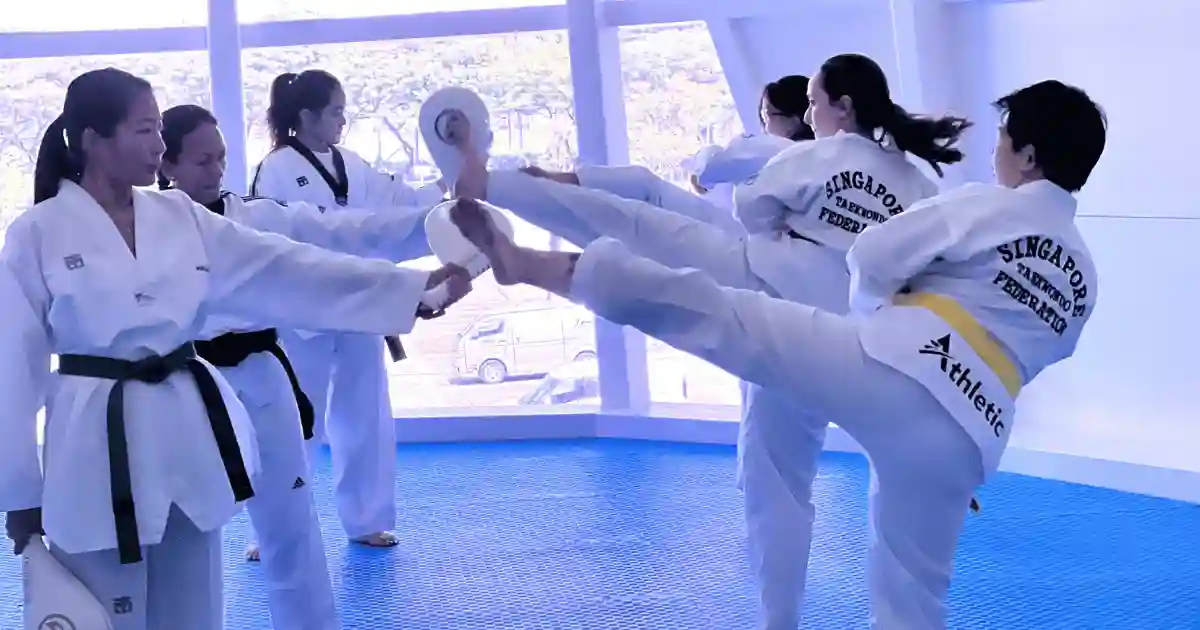
Twenty beginners are lining up on a warm mat, parents are watching from the side, and you know exactly how to perform a roundhouse kick yourself. Teaching twenty different bodies to do it safely is a completely different challenge. Finding the best Taekwondo coaching certification programs starts with understanding that being skilled, being a good instructor, and being a certified coach are three separate things. In San Diego, California, I have watched talented black belts struggle in their first certified coaching course simply because nobody explained this distinction earlier. This guide compares the major certification pathways by purpose rather than ranking them from one to ten, so you can match your goals to the right program instead of chasing the most impressive sounding name.
Quick Answer: What Is the Best Taekwondo Certification?
The honest answer depends entirely on your coaching goal, so here is a quick breakdown before the full detail.
- Best for Kukkiwon focused instructors: Kukkiwon World Taekwondo Academy pathway
- Best for USA competition coaches: USA Taekwondo Coach Education Programme
- Best for new assistant instructors: recognized local instructor education plus mentoring
- Best for Kyorugi: sport specific competition coaching education
- Best for Poomsae: Poomsae specific coaching education
- Best for youth coaches: coaching combined with safeguarding and first aid
- Best for elite development: advanced national federation coaching pathway
Important distinction: a master or instructor qualification is not automatically the same as a competition coaching certification. Keep that difference in mind throughout this guide.
What Is a Taekwondo Coaching Certification?
Before comparing programs, it helps to understand what a certification actually proves. A certificate may show education, technical knowledge, or competition eligibility, but it does not automatically make someone an excellent coach.
Certification vs Qualification vs Licence
Certification, qualification, licence, membership, instructor status, and coach accreditation all sound similar but carry different meanings depending on the issuing body.
What a Coaching Certification Can Show
A certification can demonstrate technical knowledge, teaching skills, coaching theory, competition knowledge, safety awareness, and ongoing professional development.
What Certification Does Not Guarantee
A certificate does not automatically guarantee great communication, good class management, leadership, patience, real experience, or student retention.
The Great Kicker Terrible Teacher Problem
Someone can execute a picture perfect spinning hook kick, then explain it so badly that the whole class looks more confused than before they started. That gap between technical expertise and coaching expertise is exactly what certification aims to close, though it does not always succeed on its own.
Best Taekwondo Coaching Certification Programs Compared
This is the main comparison section. The most important question is not which certificate sounds impressive, but which one fits the coaching job you actually want.
Certification Comparison Table
A quick comparison helps narrow the field fast. Programs differ widely by audience, focus, and required experience level.
| Programme or Pathway | Best For | Main Focus | Experience Level |
|---|---|---|---|
| Kukkiwon WTA International Taekwondo Master Course | Kukkiwon instructors and masters | Technical and instructional development | Experienced |
| USA Taekwondo Coach Education | USA competition coaches | Sport coaching and event requirements | Beginner to advanced |
| USA Taekwondo Associate Coach | New USA competition coaches | Entry level coach status | Beginner |
| USA Taekwondo Level 1 | Developing competition coaches | Sport Taekwondo and coaching principles | Developing |
| USA Taekwondo Level 2 | Advanced USA coaches | Higher level coach development | Experienced |
| National federation programmes | Local and national coaches | Country specific coaching | Varies |
| Club instructor training | Assistant instructors | Practical teaching | Beginner |
| Specialist Kyorugi education | Sparring coaches | Competition performance | Intermediate to advanced |
| Specialist Poomsae education | Poomsae coaches | Technical performance | Intermediate to advanced |
USA Taekwondo’s current pathway includes an online Associate Coach Quiz along with Level 1 and Level 2 education, though specific event requirements can vary. USA Taekwondo states its Associate Coach route has no belt requirement, while the Level 1 seminar is a further step in coach development. Reviewing our breakdown of Taekwondo GMS rules and regulations is a useful companion resource for understanding how these levels connect to competition registration.
Kukkiwon World Taekwondo Academy Certification
The Kukkiwon World Taekwondo Academy is one of the most relevant pathways for practitioners working within the Kukkiwon system. Its International Taekwondo Master Course focuses on technical standards, teaching, leadership, and professional competence.
International Taekwondo Master Course
The official WTA describes this course as a 40 hour programme delivered over five days. Its curriculum includes Taekwondo theory, practical Poomsae and Gyeorugi training, terminology, basic techniques, demonstrations, breaking, and instructor related topics across a structured 1st, 2nd, and 3rd class format.
Who Should Consider the Kukkiwon Pathway?
This pathway suits experienced instructors, aspiring masters, Kukkiwon focused dojang leaders, and international Taekwondo administrators well.
Who May Need a Different Certification?
Readers may need a different pathway if their main goal is USA competition coaching, elite Kyorugi, Poomsae competition, youth coaching, safeguarding, or sports science specifically.
Why This Is Not Simply a Better or Worse Certification
Different goals, different roles, different systems, and different recognition all shape which path fits best. The WTA also lists several specialized education routes beyond the Master Course, including Poom-Dan Examiner, Hanmadang Referee, and Self-Defense Instructor programmes.
USA Taekwondo Coach Certification Programs
For readers in the USA, this pathway deserves its own detailed section. Competition coaching requirements can differ quite a bit from general dojang instructor training.
USA Taekwondo Associate Coach
USA Taekwondo currently states that the Associate Coach Quiz is the first step in its Coach Identification and Development Program, and that there is no belt requirement for Associate Coach status. Minimum age, current membership, SafeSport training, and background checks all apply depending on the coach’s age.
USA Taekwondo Level 1
USA Taekwondo says Level 1 is a step toward higher level coaching knowledge and is required for certain black belt divisions at its national level events. The seminar covers sport Taekwondo, national coaching standards, training organization, skill development, scouting, weight control, and athlete learning, and it is conducted in person rather than online.
USA Taekwondo Level 2
Current Level 2 requirements include active membership, a background check, SafeSport completion, the Associate Coach Quiz, and Level 1 completion beforehand. This level focuses on advanced coach development and practical experience.
Kyorugi and Poomsae Certification
USA Taekwondo’s event coaching guidance states that coaches must complete the relevant course for the discipline they coach, with both Kyorugi and Poomsae courses required if coaching both at applicable events. Our overview of Taekwondo Kyorugi rules and regulations by WT and our summary of Taekwondo Poomsae rules and regulations by WT are both useful background reading before enrolling in either course.
Best Certification for New Taekwondo Coaches
A new coach does not always need the most advanced certificate available. The best first step is often a combination of basic education, supervised teaching, and real mat time.
Start as an Assistant Instructor
Class structure, warm-ups, demonstration, basic corrections, and student management all get learned best through hands-on assisting. Our guide on common Taekwondo moves is a solid technical refresher for anyone starting in this role.
Find a Senior Coach or Mentor
Regular feedback, observation, lesson reviews, and real teaching opportunities all speed up growth far more than a certificate alone. A stopwatch and interval timer on Amazon helps a new assistant practice managing drill timing during these early mentoring sessions.
Add Basic Coaching Education
A recognized coach course, first aid training, safeguarding education, and child protection training round out a strong beginner foundation. A basic first aid kit for the dojang on Amazon is a practical companion purchase alongside this training.
Build Practical Experience
Teaching one section of a class, running a warm-up, leading a beginner drill, asking for feedback, and keeping a coaching journal all build real skill fast. A simple coaching journal notebook on Amazon makes this habit easy to maintain.
The Best Beginner Certification Is Often a Pathway
Beginners should avoid chasing a prestigious certificate before developing basic coaching habits first.
Best Certification for Taekwondo Dojang Instructors
Dojang teaching is broader than competition coaching. A club instructor may teach a six year old beginner at 5pm and a forty year old adult at 8pm the same evening.
Skills to Look For
Lesson planning, communication, technical instruction, class management, and student motivation are the core skills any dojang certification should build.
Youth Coaching
Age appropriate teaching, games, safe contact, and behavior management all matter heavily here. Our ultimate guide to teaching kids Taekwondo covers this in far more depth.
Adult Coaching
Fitness, mobility, confidence, and injury awareness shape how adult classes should run. Our guide to Taekwondo lessons for adults and our broader look at Taekwondo for adults both explain what this audience typically needs.
Dojang Leadership
Staff development, student retention, parent communication, and professional conduct all fall under strong dojang leadership. Our piece on finding the perfect Taekwondo gym touches on what good leadership looks like from a student’s perspective, and a well organized clipboard and session planner on Amazon helps keep that leadership consistent week to week.
Best Certification for Kyorugi Coaches
Kyorugi coaching has a different set of demands. Knowing how to kick is useful. Knowing when an athlete should kick is the real game.
Technical Skills
Kicks, footwork, distance, timing, and counter-attacks all need to be coached, not just performed. Our breakdown of hard kicks in Taekwondo is a good technical reference here.
Tactical Coaching
Match analysis, opponent study, tactical adjustments, and round strategy separate a good Kyorugi coach from a good Kyorugi athlete. Our guide to Taekwondo sparring strategies explains this tactical side in more detail.
Competition Rules
Current rules, scoring, penalties, and referee signals all shift over time, so staying current matters. Our summary of Taekwondo referee rules and regulations is a helpful reference point, alongside our story on becoming a skilled Taekwondo referee for a firsthand look at how rules knowledge develops over time.
Athlete Preparation
Training plans, recovery, weight management, and competition readiness round out a complete Kyorugi coaching education. Our article on how Taekwondo is hard on the body explains why recovery planning deserves real attention.
USA Expert Advice Section
What separates a technically skilled Taekwondo instructor from a great competition coach is a question worth asking any established, verified USA coach directly. USA Taekwondo’s Coach Accelerator Programme is one credible reference point here, since it brings coaches into contact with Olympic and World Championship coaching staff, performance experts, and elite athletes. Any direct quote used from a coach should be verified against a primary source rather than invented for effect.
Best Certification for Poomsae Coaches
Poomsae coaching requires real precision. A tiny technical detail can matter more than a very loud kihap.
Technical Accuracy
Stances, angles, chambering, timing, and power all need close, consistent correction. A full length training mirror on Amazon helps athletes self-correct these details between coached sessions. Our post on why flexibility is the most important part of Taekwondo connects directly to several of these technical details.
Performance Quality
Presentation, rhythm, focus, and balance shape how a Poomsae performance is actually scored.
Competition Preparation
Judging criteria, performance routines, and video analysis all help athletes prepare for real competition conditions. A tripod and phone mount for video analysis on Amazon makes this kind of review far easier to set up at home.
Technical Feedback
Spotting errors, prioritizing corrections, and avoiding overwhelming athletes are skills that separate strong Poomsae coaches from technically skilled performers.
Best Certification for Children’s Taekwondo Coaches
Children need more than a smaller version of adult training.
Child Development
Attention span, coordination, confidence, and motor learning all develop at different rates between individual children. Our article on reasons for high self esteem in Taekwondo explains why confidence building deserves just as much focus as technique, and our companion piece on low self esteem in Taekwondo explains what coaches should watch for.
Safe Coaching
Safeguarding, first aid, safe contact, and professional boundaries all need to be second nature for anyone coaching children. Our overview of common injuries in Taekwondo helps a coach recognize warning signs early.
Fun Without Losing Structure
Games, challenges, rewards, and clear rules keep young students engaged without turning class into total chaos. Our piece on Taekwondo as a martial art for kids and our comparison of which martial arts work best for kids both add useful context here.
Managing Parents
Progress questions, grading expectations, communication, and boundaries all come up constantly in a children’s program. Our guide on helping children build self discipline through Taekwondo gives coaches useful language for these conversations.
Real Life Coaching Scene
It is a Tuesday evening. A six year old refuses to kick the pad. Another student bounces around like a caffeinated kangaroo. A parent wants to know why their child has not graded yet. Good coaching education solves the people problems around Taekwondo, not just the technical ones.
Best Taekwondo Certification Programs by Goal
This is the most useful decision-making table in the article. It helps readers skip irrelevant qualifications and focus on the program that matches their actual coaching role.
| Your Goal | Best Pathway |
|---|---|
| Teach beginners | Club instructor training plus mentoring |
| Become a dojang instructor | Instructor or master education |
| Work in the Kukkiwon system | Kukkiwon WTA pathway |
| Coach USA competitions | USA Taekwondo Coach Education |
| Coach Kyorugi | Kyorugi specific education |
| Coach Poomsae | Poomsae specific education |
| Coach children | Youth coaching plus safeguarding |
| Coach elite athletes | Advanced federation coaching |
| Improve technical knowledge | Technical seminars |
| Develop as a master | Advanced master education |
How to Choose the Right Taekwondo Certification
The right certification should fit your current role and your next goal. Choosing based only on the biggest logo or fanciest certificate rarely works out well.
Step 1: Define Your Coaching Goal
Ask whether you want to teach, coach tournaments, run a dojang, or coach elite athletes before enrolling in anything.
Step 2: Check Your Dan Rank
Review your current Dan, Poom status, and overall experience against the entry requirements listed by the program.
Step 3: Check Recognition
Ask who issues the certification, who recognizes it, and whether your federation actually accepts it.
Step 4: Check Entry Requirements
Age, rank, membership, background checks, and safeguarding requirements all vary between programs and countries.
Step 5: Check the Curriculum
Look for practical coaching content, theory, assessment, and athlete development material within the syllabus.
Step 6: Check the Assessment
Find out whether the program includes written tests, practical assessment, teaching assessment, or attendance only.
What Should a Good Taekwondo Coaching Certification Teach?
A certificate is only useful if the learning behind it actually improves what happens on the mat.
Technical Knowledge
Taekwondo fundamentals, Poomsae, Kyorugi, and terminology all belong in a strong curriculum. Our guide to Taekwondo for beginners reflects the kind of fundamentals a good course should reinforce.
Teaching Methods
Demonstration, explanation, progression, and feedback form the backbone of effective teaching methodology.
Training Design
Warm-ups, drills, skill development, and conditioning all need structure behind them, not improvisation. A set of training cones for drill transitions on Amazon helps put this kind of structure into practice quickly.
Athlete Development
Goal setting, recovery, training load, and performance tracking round out a complete athlete development framework.
Safety and Welfare
Safeguarding, first aid, injury awareness, and ethical coaching protect both students and coaches alike. Our guide to Taekwondo safety and medical rules and regulations by WT is a strong companion resource here.
Professional Conduct
Respect, inclusion, communication, and boundaries define a coach’s professional reputation over time. Our post on how Taekwondo builds self discipline reflects the same standards good coaches are expected to model.
Certification Requirements: Rank, Age and Experience
This section covers several important long-tail questions readers commonly search for.
Do You Need a Black Belt?
Black belt requirements are not universal for entry level coaching status, and they vary by organization. USA Taekwondo’s Associate Coach pathway is a useful example here, since it currently states there is no belt requirement. Formal master level pathways carry different expectations entirely.
Do You Need to Be a Certain Age?
Minimum age requirements, junior assistant roles, and adult certification levels all differ across governing bodies.
Do You Need Coaching Experience?
Informal experience, supervised teaching, and formal experience are all typically weighed differently depending on the program.
Do You Need a Specific Dan Rank?
Certification specific requirements, master pathways, and competition coaching pathways each carry their own rank expectations.
How Much Do Taekwondo Coaching Certifications Cost?
Certification costs can vary widely, and the course fee is not always the full bill. A weekend course can become considerably less affordable after flights, hotels, and meals enter the picture.
Course Fees
Local courses, national federation courses, and international programs all carry different published fee structures. Bringing your own hand wraps and sparring gear on Amazon to a practical assessment day can save you from renting worn out club equipment.
Travel Costs
Transport, accommodation, and meals often add up to more than the course fee itself for international programs.
Membership Costs
Federation membership, annual coach membership, and renewal fees all factor into the true cost over time.
Hidden Costs
First aid training, safeguarding courses, background checks, and basic equipment all add to the total investment.
Cost Comparison Table
Use broad cost categories rather than fixed prices here, since official fees can change. Always confirm current pricing directly through the certifying body before enrolling.
| Cost Area | What to Check |
|---|---|
| Course fee | Published registration price |
| Membership | Annual federation cost |
| Travel | Flights or transport |
| Accommodation | Hotel or onsite stay |
| Certification | Assessment or certificate fee |
| Renewal | Annual or periodic renewal |
| Additional training | First aid and safeguarding |
Are Online Taekwondo Coaching Certifications Worth It?
Online learning can be genuinely useful, but coaching itself is a practical, hands-on skill.
Where Online Courses Work Well
Theory, rules, safeguarding, sports science, and general coaching principles all translate well to an online format.
Where In-Person Training Is Better
Technical correction, demonstration, practical assessment, and live teaching all require in-person training to be meaningful.
The Hybrid Model
Combining online theory with in-person practical work and ongoing mentoring often produces the strongest results.
What to Check Before Paying
Confirm whether the course is recognized, whether it includes assessment, who actually teaches it, and whether practical training is included.
Red Flags in Taekwondo Certification Programs
Not every certificate is worth framing on your wall.
No Recognised Accrediting Body
An unclear issuer or a curriculum that cannot be verified are both serious warning signs.
Guaranteed Certification
Be cautious of any program that promises everyone passes with no real assessment involved.
No Practical Training
A purely theoretical program may not actually prepare you for a real, chaotic class.
Unclear Instructor Credentials
Always ask who teaches the course and what they have personally coached before.
No Safeguarding
This is especially concerning for any program involving children’s classes.
Confusing Rank With Coaching Ability
A high Dan rank is valuable, but it is not a substitute for real coaching education.
How to Build Your Taekwondo Coaching Certification Pathway
Certification should be viewed as a journey rather than a one-off shopping trip.
Stage 1: Start Assisting
Observing, helping, and teaching small sections of a class build the foundation everything else rests on.
Stage 2: Complete Basic Education
Coaching fundamentals, first aid, and safeguarding round out a strong starting point.
Stage 3: Choose Your Specialism
Dojang instruction, Kyorugi, Poomsae, and youth coaching all represent different specialization paths worth considering.
Stage 4: Gain Competition Experience
Local events, regional events, and national events all build real coaching credibility over time.
Stage 5: Take Advanced Education
Higher level certification, specialist courses, and master education become relevant once the basics are solid.
Stage 6: Keep Learning
Seminars, refresher training, mentoring, and continuing professional development never really stop for a serious coach. Our account of how I became a Taekwondo martial arts expert shows how much this ongoing learning adds up over a full career. Our reflection on the most important things I learned learning Taekwondo is a good reminder that this learning mindset applies well beyond the belt itself.
Common Mistakes When Choosing a Taekwondo Certification
Choosing the Most Prestigious Name
Prestige does not always equal relevance to your actual coaching role.
Ignoring Federation Rules
A certificate may not meet the requirements of your target event or organization.
Choosing Based on Price Alone
Cheap is not always good value once hidden costs and weak curriculum content are factored in.
Skipping Practical Experience
Coaching improves through coaching, not through certificates sitting unused in a folder.
Collecting Certificates Instead of Skills
Five certificates cannot manage a chaotic junior class for you on a busy Tuesday evening.
Forgetting Safeguarding
This is especially important for any program involving youth participants.
Best Taekwondo Certification Programs for Different Coaches
This section gives a practical which one is for me answer. Recommendations here stay purpose based, since not every program is available in every country.
| Coach Type | Recommended Certification Direction |
|---|---|
| New assistant | Basic coaching plus mentoring |
| Dojang instructor | Instructor or master pathway |
| Kukkiwon instructor | Kukkiwon WTA education |
| USA competition coach | USA Taekwondo Coach Education |
| Kyorugi specialist | Competition and Kyorugi education |
| Poomsae specialist | Poomsae coaching education |
| Children’s coach | Youth coaching plus safeguarding |
| Elite coach | Advanced federation pathway |
| Senior instructor | Master level continuing education |
How to Get the Most From Your Certification
A certificate should change your coaching behavior, not just sit in a drawer collecting dust.
Practise What You Learn
Testing one new drill or one new feedback method right after a course keeps the learning fresh and useful. Our article on how Taekwondo builds self confidence is a good example of a small teaching shift worth testing early.
Ask for Feedback
Senior coaches, fellow instructors, and even athletes themselves can all offer valuable perspective on your progress.
Keep a Coaching Journal
Recording what worked, what failed, and how students reacted builds a personal reference you can return to for years.
Review Your Classes
Asking whether everyone understood, whether the drill was too hard, and whether students stayed engaged keeps your teaching sharp.
Keep Studying
Sports science, psychology, strength and conditioning, and athlete welfare all deepen a coach’s expertise well beyond any single certificate. Our article on how Taekwondo supercharges your fitness and our piece on effective exercises to manage anger from a Taekwondo master both add useful depth here.
Frequently Asked Questions About Taekwondo Certifications
What Is the Best Taekwondo Coaching Certification Program?
The best program depends on your coaching goal rather than any single universal winner. A youth coach and an elite Kyorugi coach need very different education paths.
What Is the Best Taekwondo Instructor Certification?
Instructor pathways and competition coach pathways serve different purposes, so the best choice depends on whether you plan to run a dojang or coach tournaments.
Is Kukkiwon Certification Good for Taekwondo Coaches?
Yes, particularly for practitioners working within the Kukkiwon system who want structured technical and instructional development.
Is USA Taekwondo Certification Worth It?
For coaches involved in USA Taekwondo competitions, yes, since several events require specific certification levels to coach.
Can You Coach Taekwondo Without a Black Belt?
In some entry level programs, yes. Requirements vary significantly by organization and coaching role.
How Long Does It Take to Become a Certified Taekwondo Coach?
Timelines depend heavily on the pathway chosen, ranging from a single weekend course to a multi-year progression.
Do Taekwondo Coaches Need Insurance?
Insurance is a separate professional responsibility that may vary by country and organization, and it is worth confirming directly with your federation.
Are Online Taekwondo Coaching Certifications Recognised?
Some are, but recognition should always be verified with your specific federation before enrolling.
Can a Taekwondo Instructor Coach Competitions?
General teaching ability and competition coaching requirements are not always the same thing, so additional certification is often needed.
Taekwondo Coaching Certification Checklist
Before enrolling, ask yourself:
- Who issues the certification?
- Is it recognised?
- What role does it qualify me for?
- What are the rank requirements?
- What are the age requirements?
- Is membership required?
- Is there a practical assessment?
- Is there an online option?
- Does it include safeguarding?
- Is first aid required?
- Does it cover Kyorugi?
- Does it cover Poomsae?
- Does it meet my federation’s rules?
- What are the total costs?
- Does the qualification need renewal?
For coaches preparing for their next course, a Taekwondo coaching reference guide on Amazon and a set of kick shields for practical assessment prep on Amazon are both worth having ready before certification day.
Final Recommendation
I have gone through more than one certification course myself, and my honest advice is to stop searching for the single best Taekwondo coaching certification program and start searching for the best one for your actual goal. A dojang instructor, a Kyorugi coach, and a Poomsae specialist all need different education, and no single certificate covers everything well. Check recognition, check the curriculum, and always keep learning after the course ends. Certificates open doors, but consistent, honest coaching is what keeps students walking through them. That has been true throughout my own coaching path, and it will likely hold true for yours as well.

Founder, Owner, and CEO of TaekwondoKing.
He is one of the top 100 martial artists in the World and among the top 20 referees in Bangladesh.
Ehatasamul Alom is an esteemed Kukkiwon Certified Taekwondo 3rd Dan Black Belt with over 15 years of experience in this dynamic martial art. Born in Rajshahi, Bangladesh, Ehatasamul’s journey with Taekwondo began at the tender age of seven. His passion led him to compete at national and international levels, where he has bagged numerous awards and honors. He is also a member of the Taekwondo National Referee Panel.
With a Bachelor’s degree in Sports Science from the prestigious Rajshahi University, Ehatasamul has a deep understanding of the technical and scientific aspects of martial arts and some other martial arts.
In 2022, Ehatasamul created the “TaekwondoKing.com” to share his knowledge, Free Resources, Values, and Real experiences. His articles focus on Taekwondo training techniques, competition strategies, Sport Products Reviews, and the art’s rich history and philosophy. He also writes about the importance of mental fortitude and discipline, key aspects of his teaching philosophy. He has already launched many sports, Taekwondo, and health-related Free online tools. His goal is to inspire both beginners and seasoned practitioners worldwide through insightful and engaging content.
If you need any help, contact Ehatasamul Alom at any time.