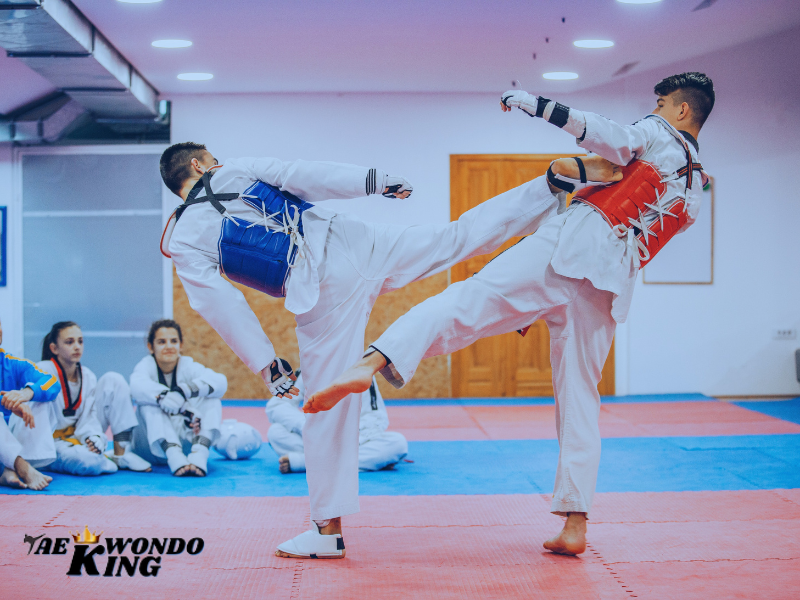
Plenty of people ask how to get on the army taekwondo fight team, and most online answers are vague. Some say “just enlist and join.” Others make it sound impossible. When I dug into the official pages, I found the truth sits somewhere in the middle.
There is a real path. It is narrow, and it rewards fighters who already compete at a high level. This guide walks through the two main routes, the published standards, the paperwork, and the mistakes I would avoid. I focus on the U.S. Army, and I flag anything you should double-check.
What “the Army Taekwondo Fight Team” Actually Means
There is no single team with a single tryout. That surprised me. When people say “the Army taekwondo team,” they usually mean one of two different programs.
Knowing the difference saves you months of wasted effort. Let’s break it down.
Two Main Paths
Each path has its own rules, its own goals, and its own type of athlete.
| Path | What It Is | Best Fit |
|---|---|---|
| Army World Class Athlete Program (WCAP) | Full-time training toward national and Olympic-level goals | Elite national-level fighters |
| Armed Forces Taekwondo Team (CISM) | Military team for the World Military Taekwondo Championship | Service members who compete well at national events |
I’m describing these based on official Army and Armed Forces Sports pages. Programs change, so verify everything with the current source before you plan around it.
Which Army Am I Talking About?
I am writing about the U.S. Army. Other countries have their own military taekwondo setups, and the rules are different. If you live outside the United States, use this article as a framework only.
Then contact your own country’s military sports office. Their process may look nothing like the one below.
Path One: The Army World Class Athlete Program (WCAP)
WCAP is the route most people picture when they think of the army taekwondo fight team. It is a program for elite Soldier-athletes. They train for national and international competition while staying in the Army.
It is not a casual team. The official wording on the Army’s site says only Soldier-athletes who meet the criteria will be considered.
What WCAP Is
The Army describes WCAP as a way for Soldiers of world-class caliber to train full time for national and international competition. Those Soldiers serve in that role at the Army’s discretion. They can be released or reassigned based on Army needs.
That last part matters. WCAP is a military assignment, not a gym membership. You are a Soldier first. The Army’s own pages use that phrase, and so do the athletes quoted in Army articles.
The Published Entry Standards
I read the taekwondo standards page on the official WCAP website. At the time I checked, it listed two ways to qualify. The page showed an update date of June 2023, so the standards may have changed.
| Standard | Plain-English Meaning |
|---|---|
| Current member of the U.S. Senior National Taekwondo Team | You are already on the national team and eligible for funding |
| By-name selection by the Senior National Team coach | The coach must pick you personally |
| Competed in taekwondo at the most recent Olympic Games | You were an Olympian before applying |
| Meeting the standard alone | It does not guarantee admission |
Read that again. The Army says meeting the standard is only the minimum. An application can still be denied.
Life Inside the Program
A 2023 release from USA Taekwondo said Soldier-athletes who meet WCAP’s taekwondo entry standards would live and train in Charlotte, North Carolina. They would train at USA Taekwondo’s Athlete Academy. I’m not sure whether that arrangement is unchanged today, so check.
Older Army articles describe a full schedule. Soldier-athletes check in with leadership, train multiple times a day, and still meet Army requirements. That is a lot. If you think this is an easy way to “get paid to kick,” you will be disappointed.
Path Two: The Armed Forces Taekwondo Team and CISM
The second route is the U.S. Armed Forces Taekwondo Team. It represents the United States at military events run by CISM, the International Military Sports Council. This path is more open than WCAP, though it is still competitive.
It also covers all branches, not only the Army. You compete as part of a joint U.S. team.
Who Can Be Considered
I read the 2024 selection procedures for taekwondo from Armed Forces Sports. They are older than today’s date, so treat them as a guide to how the process usually works. Here is what they said at the time.
Only athletes who are active duty, or National Guard and Reserve members on active duty orders, would receive selection consideration. Athletes also needed a valid black belt certificate through World Taekwondo (Kukkiwon). They had to be in good standing with World Taekwondo, USA Taekwondo, CISM, Armed Forces Sports, and the U.S. Anti-Doping Agency.
How Selection Works
The 2024 procedures tied selection to the USA Taekwondo National Championships. Athletes needed their service’s support to enter. The team for the CISM World Military Taekwondo Championship was announced after Nationals.
That means your results at a civilian national event matter. You do not just show up to a military tryout. You earn your place by competing in the open civilian system first.
The 2024 document also listed team sizes. It showed eight male and eight female kyorugi (sparring) athletes, plus poomsae and hoshinsul athletes. Team sizes can change every year, so check the current rules.
Paperwork to Prepare
The selection documents point to a few things you will want ready early. Gathering them takes time, and some come from outside organizations.
| Item | Why It Matters |
|---|---|
| Kukkiwon black belt certificate | Proves your rank through World Taekwondo |
| USA Taekwondo membership | Needed to enter the national championship |
| World Taekwondo Global Athlete License | Required for international competition |
| Service support for your entry | Your branch must back your participation |
| Armed Forces Sports forms | Part of the selection and travel process |
I would start with the Kukkiwon certificate. Getting a replacement can take a while. Waiting until the deadline is a common mistake.
How to Get on the Army Taekwondo Fight Team From Where You Are Now
Your next step depends on your current status. A civilian, an active Soldier, and a Guard member each face different choices. I would not guess here, so I tried to match each situation to what the official sources say.
If You Are a Civilian
The Army’s WCAP page says that to become a WCAP member, you must first become a Soldier. USA Taekwondo’s release also said future Soldiers who join the Army and meet the entry standards can apply.
So the order matters. You need to qualify to join the Army first. Then you need to meet the WCAP standard. Joining the Army does not promise a spot on the team.
I would talk to a recruiter early and ask about sports programs. Be honest about your level. Recruiters handle many career goals, and they may not know much about WCAP. You may need to bring the official standards to the conversation.
If You Are Already a Soldier
If you already serve, check the WCAP site first. It lists entry standards and an application link. It also lists a contact person.
Talk to your chain of command as well. Your leaders need to know your plans. Soldiers in these programs still have duties and requirements.
If you are not at a WCAP level yet, the Armed Forces route may fit better. Look into your installation’s sports office and any Army sports programs. Ask how athletes get nominated for higher-level events.
If You Are in the Guard or Reserve
The Armed Forces taekwondo rules I read mention National Guard and Reserve members on active duty orders. That wording matters. Being in the Guard or Reserve alone may not be enough.
I’m not certain how this applies to WCAP today. An older state Guard document described WCAP eligibility differently. Verify with your unit and the WCAP office before you assume anything.
Quick Situation Guide
Here is a simple way to think about it. It is a starting point, not official advice.
| Your Situation | Smart Next Step |
|---|---|
| Civilian with strong national results | Review WCAP standards, then talk to a recruiter |
| Civilian, still developing | Keep competing and building a record |
| Active Soldier at national level | Contact WCAP and your chain of command |
| Active service member, regional level | Look into Armed Forces selection and Nationals |
| Guard or Reserve member | Confirm eligibility rules with your unit first |
Building a Competition Résumé That Gets Noticed
Both paths reward results. The Army does not care how good you look in practice. It cares about what you have done in real competition.
I learned that fast while reading the standards. Almost everything points back to national-level events.
Compete in the Civilian System First
USA Taekwondo is the national governing body. Its events feed both paths. Nationals show up in the Armed Forces selection documents. The Senior National Team shows up in the WCAP standards.
So join USA Taekwondo, learn the event calendar, and compete often. Start local. Move to state and regional events. Then aim for the national stage.
Know World Taekwondo Rules Well
Both military selection documents point to World Taekwondo rules. If you plan to fight under them, you should know them cold. Scoring, penalties, and equipment all matter.
A fighter who understands the rules scores smarter. I covered some basic sparring strategy in my guide on how to fight taekwondo style. You can use the same ideas here.
Keep Your Record Clean
The selection documents mention good standing with several organizations, including anti-doping bodies. Elite sport has strict rules on banned substances. Even a careless supplement choice can cause trouble.
Check any supplement against current anti-doping guidance before you use it. I’m not an expert on this, so do not rely on me. Ask your coach or the official anti-doping body.
Be Realistic About Timelines
There is no fixed timeline. Reaching national-team level takes most fighters many years. I can’t give an exact number, and nobody can promise one.
That is why I suggest planning in stages. Set a goal for the next event, not the next five years. Small wins add up.
Staying Fit and Injury-Free Along the Way
You cannot make the team if you are always injured. The training load for elite fighters is heavy. Soldiers must also meet Army fitness standards.
I’m not sure of the current fitness test details, so check with a recruiter or unit. The point is that you need general fitness, not only sparring skill.
Build a Base Beyond Taekwondo
Running, strength work, and mobility all help. Strong legs protect your knees. A solid core helps your kicks and your balance.
Do not skip recovery. Sleep, food, and rest days are part of the work. Tired fighters get hurt.
Prevent Common Taekwondo Injuries
Ankles, knees, and hips take a beating in this sport. Warm up properly. Use protective gear in sparring. Stop if you feel sharp pain.
If something does not feel right, see a medical professional. I’m not a doctor and can’t diagnose injuries.
Myths About Joining an Army Taekwondo Team
Rumors travel fast in martial arts circles. Some of these myths sound reasonable, which makes them risky. Here are the ones I would watch out for.
| Myth | Reality |
|---|---|
| Anyone with a black belt can join the team | A black belt is only one requirement |
| Enlisting guarantees a spot on the team | It does not guarantee WCAP admission |
| The Army will train you from scratch | Standards expect proven competitors |
| Being on the team means no military duties | Athletes are Soldiers first |
| One tryout decides everything | Results over time and national events matter |
Common Mistakes I Would Avoid
Most mistakes come from rushing or guessing. I made similar errors in other areas of life, so I know how tempting it is. A little planning goes a long way.
Here is what I would do differently.
| Mistake | Better Approach |
|---|---|
| Enlisting only for the sports program | Make sure you want the Army career too |
| Relying on old forum posts | Check official websites for current rules |
| Waiting to get paperwork | Gather certificates and memberships early |
| Skipping civilian competitions | Build results at USA Taekwondo events |
| Ignoring fitness and injury care | Train the whole body, not only kicks |
| Not asking questions | Contact the WCAP office or sports office directly |
Where to Verify the Latest Requirements
Standards can change at any time. I found pages with different dates, and some were years old. Always confirm with the source.
These are the official places I would check first.
Official Sources Worth Bookmarking
- Army WCAP: armywcap.com has entry standards and an application link.
- Armed Forces Sports: armedforcessports.defense.gov posts yearly selection procedures.
- USA Taekwondo: usatkd.org covers national events, membership, and rankings.
- GoArmy: goarmy.com explains enlistment and links to WCAP information.
Questions to Ask Directly
Email the WCAP office if you are close to the standard. Ask what the current requirements are. Ask how applications are reviewed.
Be polite and specific. Give your results, your rank, and your current status. Clear questions get clearer answers.
Frequently Asked Questions
These are some of the questions I see most often about how to get on the army taekwondo fight team. I answer them based on what I found, and I flag what you should confirm.
Does the Army have a taekwondo team?
Yes. The Army has taekwondo Soldier-athletes in its World Class Athlete Program. Soldiers can also be considered for the U.S. Armed Forces Taekwondo Team, which competes in CISM events.
Can I join the Army just to do taekwondo?
You can enlist and later apply, but nothing guarantees a spot. The WCAP page says meeting the standard is only the minimum. Join only if you also want the Army career.
Do I need to be an Olympian?
Not always. The WCAP page I read listed national-team membership as one standard. Olympic participation was another. The Armed Forces team uses a different selection process.
Do I need a black belt?
For the Armed Forces team, the 2024 procedures required a black belt certificate through Kukkiwon. For WCAP, the published standards focus on national-team status. Check current rules for both.
Do Soldier-athletes get paid?
The Army’s WCAP page says athletes earn the pay and benefits that come with being a Soldier. Exact amounts depend on rank and other factors, so I can’t give a number.
What if I live outside the United States?
Other countries run their own military sports systems. The details above do not apply. Contact your national military sports office for local rules.
Final Thoughts
If I had to sum up how to get on the army taekwondo fight team, I would say this: it is a results-based path. You build a strong competition record first. Then you match it to the right program, and you confirm the current rules with official sources.
Be honest with yourself about your level. The WCAP route is demanding, and the Armed Forces route still needs strong national results. If you love the Army and taekwondo, both goals can work together. Start with small steps, keep competing, and ask direct questions along the way.

Founder, Owner, and CEO of TaekwondoKing.
He is one of the top 100 martial artists in the World and among the top 20 referees in Bangladesh.
Ehatasamul Alom is an esteemed Kukkiwon Certified Taekwondo 3rd Dan Black Belt with over 15 years of experience in this dynamic martial art. Born in Rajshahi, Bangladesh, Ehatasamul’s journey with Taekwondo began at the tender age of seven. His passion led him to compete at national and international levels, where he has bagged numerous awards and honors. He is also a member of the Taekwondo National Referee Panel.
With a Bachelor’s degree in Sports Science from the prestigious Rajshahi University, Ehatasamul has a deep understanding of the technical and scientific aspects of martial arts and some other martial arts.
In 2022, Ehatasamul created the “TaekwondoKing.com” to share his knowledge, Free Resources, Values, and Real experiences. His articles focus on Taekwondo training techniques, competition strategies, Sport Products Reviews, and the art’s rich history and philosophy. He also writes about the importance of mental fortitude and discipline, key aspects of his teaching philosophy. He has already launched many sports, Taekwondo, and health-related Free online tools. His goal is to inspire both beginners and seasoned practitioners worldwide through insightful and engaging content.
If you need any help, contact Ehatasamul Alom at any time.