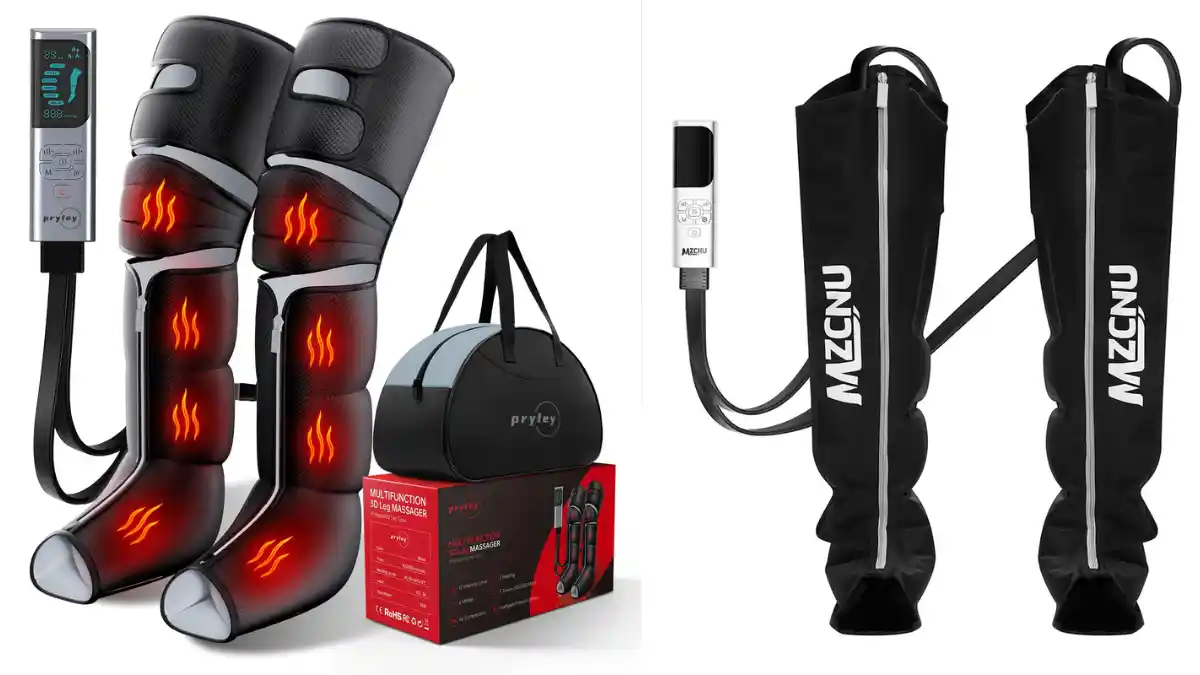
Walking down a flight of stairs the morning after intense Taekwondo sparring rounds or a heavy lower-body workout can make even seasoned athletes wince. When you look into an MZCNU Leg Massager, you are searching for a practical way to flush out deep muscle soreness, relieve heavy legs, and restore spring to your steps without booking expensive physical therapy sessions every week.
I learned how much smart recovery matters after years of teaching kicking drills, practicing poomsae stances, and dealing with stubborn calf tightness that foam rolling simply could not reach. In this guide, I will share what testing pneumatic leg compression actually feels like, why chamber count changes everything, and how to use our 10 Air-Chamber Leg Massager safely for faster recovery.
Why Post-Training Leg Fatigue Hits Hard and Lingers
Every explosive roundhouse kick, jump spin, or miles-long run creates microscopic stress in your calves, hamstrings, and quads. Your body responds by sending nutrient-rich blood to repair those fibers, while metabolic waste products and excess fluid pool in your lower extremities.
Because gravity pulls blood downward toward your feet and ankles, your veins and lymphatic system have to work extra hard to push fluid back up toward your heart.
What Happens Inside Sore Calves and Thighs
When you finish an intense kicking session or stand on hard mats for hours, fluid builds up between muscle fibers, causing that tight, heavy, “cement-leg” sensation. Static stretching helps lengthen muscle tissue, yet it does very little to physically pump pooled fluid out of your lower legs.
Without active circulation support, stiffness lingers for forty-eight to seventy-two hours, slowing down your footwork and increasing the risk of a pulled hamstring or Achilles strain during your next session.
My Foam Roller Frustration After Sparring Camps
For years, my post-training routine consisted of grimacing on a hard foam roller for twenty minutes while balancing awkwardly on my elbows. While foam rolling eased surface knots on my outer thighs, it never touched deep soleus calf fatigue or inner knee tightness and rolling when exhausted felt like a second workout.
Switching to dynamic air compression changed my evening routine completely. Sitting back comfortably while rhythmic air chambers squeezed my legs from ankle to upper thigh cleared out heaviness far more evenly than manual rolling ever did.
How the MZCNU Leg Massager Works Using Sequential Compression
At its core, an MZCNU Leg Massager uses dynamic pneumatic compression a proven recovery method originally developed for medical circulation support and later adopted by elite Olympic and martial arts athletes. Instead of vibrating on the skin surface like a massage gun, inflatable sleeves wrap around your legs and fill with air in controlled, rhythmic waves.
This wave-like pressure mimics the natural muscle-pumping action of walking, gently pushing stale blood and lymphatic fluid upward from your feet toward your core.
Why 10 Air Chambers Beat Standard 4-Chamber Sleeves
Many entry-level full-leg compression massager boots use only three or four large air bladders per leg. When a giant chamber inflates all at once, it squeezes a huge section of your leg flatly, often leaving awkward unmassaged gaps around the ankle bone, behind the knee, or at the upper thigh.
Our MZCNU 10 Air-Chamber Leg Massager divides each leg sleeve into ten overlapping, independently controlled air pockets. This finer segmentation creates a smooth, seamless rolling wave that hugs the natural contours of your foot, ankle, calf, knee, and thigh without pinching or skipping tight spots.
Controlling Pressure, Modes, and Heat Levels
Different training days demand different recovery intensities. After light technical footwork or long office hours on your feet, a gentle low-pressure circulation mode relaxes tight muscles without soreness.
After brutal conditioning drills or heavy squats, stepping up the pressure and adding gentle soothing warmth around the calves and knees boosts local blood flow and melts away stubborn stiffness.
| Chamber Design | Pressure Transition | Real-World Recovery Feel |
|---|---|---|
| Basic 4-Chamber Boots | Wide, blocky inflation zones | Noticeable gaps around ankles and knees |
| MZCNU 10 Air-Chamber System | Tightly segmented overlapping waves | Smooth, continuous milking action from foot to thigh |
| Manual Foam Rolling | Concentrated body-weight pressure | Intense on outer muscles; misses deep venous flow |
Comparing Recovery Tools: Compression Boots vs. Massage Guns vs. Foam Rollers
Athletes often ask whether they should buy a percussion massage gun, stick with a $20 foam roller, or invest in full-leg air compression. Each tool solves a different physical problem, and understanding their strengths helps you build a smart recovery routine.
Rather than replacing every tool in your gym bag, compression sleeves fill the massive gap of full-limb circulation recovery.
Where Percussion Guns Shine and Where They Fall Short
Massage guns excel at breaking up a single stubborn trigger point in your shoulder, glute, or upper quad in two minutes. However, holding a vibrating gun against both calves, hamstrings, and thighs for thirty minutes tires out your hands and wrists and hitting bony areas near the shins or ankles feels uncomfortable.
An MZCNU Leg Massager treats your entire lower body hands-free while you read, stretch your upper body, or review training notes.
Passive Relaxation vs. Active Effort
The biggest hidden advantage of leg compression is mental and physical relaxation. After evening martial arts classes or late workouts, your nervous system stays wired in “fight-or-flight” mode.
Lying back with rhythmic, warm air pressure wrapping your legs signals your body to shift into “rest-and-digest” recovery mode, which directly improves deep sleep quality that night.
| Recovery Method | Best Strength | Main Limitation |
|---|---|---|
| MZCNU 10 Air-Chamber Massager | Full-leg circulation, swelling relief, hands-free rest | Requires 15–30 minutes seated or lying down |
| Percussion Massage Gun | Fast targeted spot relief on thick muscle bellies | Fatiguing to hold; harsh near shins and joints |
| Foam Roller | Cheap, portable, improves local tissue mobility | Uncomfortable on sore calves; zero lymphatic wave |
Who Benefits Most From Using an MZCNU Leg Massager?
While competitive fighters and runners love air compression, you do not need to train for tournaments to feel immediate relief. Anyone whose daily routine traps fluid or tension in their lower legs benefits from rhythmic pneumatic compression.
Matching the session mode to your daily activity keeps your legs feeling fresh seven days a week.
Martial Artists, Runners, and Strength Athletes
In Taekwondo and kickboxing, repetitive chambering, snapping kicks, and bouncing on the balls of your feet overload the gastrocnemius, soleus, and hip flexors. Using the MZCNU Leg Massager for twenty minutes after class flushes out lactic buildup so your kicks stay crisp and high the very next day.
Runners and weightlifters experience the exact same benefit after long tempo runs or heavy leg days, cutting down delayed-onset muscle soreness (DOMS) dramatically.
Nurses, Teachers, Travelers, and Desk Workers
Standing on hard hospital or classroom floors for ten-hour shifts causes mild ankle swelling and throbbing arches by evening. Similarly, sitting at a desk or on long-haul flights slows lower-leg venous return, leaving your feet cold and stiff.
A gentle evening compression session restores healthy circulation in fifteen minutes without putting extra strain on tired joints.
| User Group | Primary Leg Issue | Ideal Compression Setup |
|---|---|---|
| Martial Artists & Runners | Calf tightness, explosive fatigue, DOMS | Medium-to-high sequential wave for 20–25 mins |
| Retail, Nurses & Teachers | End-of-day foot ache and ankle swelling | Low-to-medium upward flush mode for 15–20 mins |
| Frequent Flyers & Desk Workers | Sluggish circulation and heavy lower legs | Gentle circulation mode with light warmth |
Step-by-Step Guide to Getting the Best Results
Using an MZCNU Leg Massager is remarkably simple, yet small setup details make a big difference in comfort and effectiveness. Taking sixty seconds to fit the sleeves properly ensures smooth air distribution across all ten chambers.
Follow this simple routine whenever you sit down for a recovery session.
Proper Sleeve Fit and Body Position
Slide your legs into the sleeves while wearing thin, breathable athletic pants or leggings avoid thick seams, zippers, or bulky pockets that can press into your skin under air pressure. Zip or fasten the sleeves snugly enough that they stay aligned with your knees and heels, while still leaving roughly two fingers of slack before inflation.
Elevate your legs slightly on a couch cushion or recliner ottoman so gravity assists the upward wave motion from your ankles toward your hips.
Choosing Session Length and Pressure Progression
Start every session on a low or moderate pressure setting for the first three minutes while your muscles warm up and relax. Once your legs adapt to the squeeze, bump the pressure up to a firm, comfortable hug never crank the pressure so high that your toes tingle or feel numb.
Most athletes get maximum recovery benefits from a 20- to 30-minute session right after training or about an hour before bedtime.
| Session Step | What to Do | Why It Matters |
|---|---|---|
| 1. Clothing & Fit | Wear thin leggings/shorts; leave 2 fingers of slack | Prevents zipper pressure marks and allows smooth inflation |
| 2. Elevation | Rest legs slightly raised on a sofa or bed | Uses gravity to help move fluid toward the core |
| 3. Pressure Ramp | Start low for 3 mins, then increase gradually | Lets tense muscles relax without guarding |
| 4. Hydration | Drink a glass of water right after your session | Helps kidneys flush mobilized metabolic waste |
Common Mistakes and Safety Rules You Should Never Ignore
Like any effective recovery device, pneumatic compression works best when used with common sense. Overdoing pressure or ignoring basic medical precautions can leave your muscles bruised instead of refreshed.
Keeping four simple safety habits in mind protects both your body and your equipment.
Mistakes That Reduce Recovery Benefits
First, avoid folding or kinking the air hoses when sitting down, as pinched tubes block air flow to individual chambers. Second, never stand up or try to walk while the sleeves are inflated, because the smooth bottom fabric can slip easily on hard floors.
Third, do not fall asleep with high pressure running indefinitely always rely on the built-in auto-shutoff timer so your legs get a controlled recovery cycle rather than hours of continuous squeezing.
When to Check With a Doctor First
If you have a history of deep vein thrombosis (DVT), blood clots, severe varicose veins, acute calf tears, skin infections, or uncontrolled heart conditions, consult a physician before using any air compression massager. Compression boosts blood flow significantly, so making sure your vascular system is healthy comes first.
| Common Mistake | Better Approach |
|---|---|
| Cranking pressure to maximum on day one | Build pressure gradually across sessions for comfortable relief |
| Wearing thick jeans or zippered sweatpants | Wear smooth, thin athletic wear inside the sleeves |
| Standing up while sleeves are inflated | Deflate completely and unzip before standing up |
| Forgetting to drink water afterward | Hydrate well after every compression session |
Caring for Your MZCNU Leg Massager So It Lasts Years
Proper maintenance keeps the internal air bladders, zippers, and pump unit working quietly for thousands of recovery cycles. Because sweat and gym dust naturally transfer onto recovery gear, a quick wipe-down habit keeps everything fresh and hygienic.
Treating your sleeves gently when packing them away prevents pinched tubing or premature wear.
Cleaning, Storage, and Hose Care
After sweaty post-training sessions, unzip the sleeves completely and wipe the interior fabric with a damp microfiber cloth and mild antibacterial spray, then let them air-dry flat before folding. Never toss inflatable compression sleeves into a washing machine or clothes dryer, as heat and agitation damage internal air seams.
When storing your MZCNU 10 Air-Chamber Leg Massager in its carry bag, roll the sleeves loosely rather than creasing them sharply over the air connectors.
Final Thoughts
Using an MZCNU Leg Massager bridges the gap between pushing your body hard in training and actually giving your muscles what they need to rebuild stronger. With ten overlapping air chambers guiding smooth, sequential waves from your feet up to your thighs, you get deep circulation relief that foam rollers and quick stretches simply cannot match.
Keep your sessions consistent at twenty to thirty minutes after tough workouts or long days on your feet, start with moderate pressure, and pair your compression routine with good hydration and sleep. Your legs will feel lighter, your kicks and strides will stay sharper, and morning soreness will stop holding you back.

Founder, Owner, and CEO of TaekwondoKing.
He is one of the top 100 martial artists in the World and among the top 20 referees in Bangladesh.
Ehatasamul Alom is an esteemed Kukkiwon Certified Taekwondo 3rd Dan Black Belt with over 15 years of experience in this dynamic martial art. Born in Rajshahi, Bangladesh, Ehatasamul’s journey with Taekwondo began at the tender age of seven. His passion led him to compete at national and international levels, where he has bagged numerous awards and honors. He is also a member of the Taekwondo National Referee Panel.
With a Bachelor’s degree in Sports Science from the prestigious Rajshahi University, Ehatasamul has a deep understanding of the technical and scientific aspects of martial arts and some other martial arts.
In 2022, Ehatasamul created the “TaekwondoKing.com” to share his knowledge, Free Resources, Values, and Real experiences. His articles focus on Taekwondo training techniques, competition strategies, Sport Products Reviews, and the art’s rich history and philosophy. He also writes about the importance of mental fortitude and discipline, key aspects of his teaching philosophy. He has already launched many sports, Taekwondo, and health-related Free online tools. His goal is to inspire both beginners and seasoned practitioners worldwide through insightful and engaging content.
If you need any help, contact Ehatasamul Alom at any time.