Limping off the mat after a Saturday sparring class in Phoenix, Arizona, I remember thinking my shin had personally argued with every kick pad in the room. A sore shin after a tough kicking session is not unusual, and many taekwondo students notice it after roundhouse kicks, blocking drills, or an especially energetic sparring class. Shin pain from taekwondo kicks usually improves with smart training habits, though some cases genuinely need closer attention from a professional. This guide walks through what typically causes that ache, how to treat it safely at home, and when it is time to stop guessing and get it checked out. I have spent years training and coaching around exactly this kind of soreness, and this article shares what actually helps.
This article is for general educational purposes and is not a substitute for professional medical advice. If your symptoms are severe, persistent, or getting worse, please see a qualified healthcare provider.
Why Shin Pain Happens in Taekwondo
The shin absorbs repeated stress during kicking, blocking, and constant footwork. Understanding the underlying cause helps you recover properly while also lowering your overall injury risk going forward.
Repeated Kicking Impact
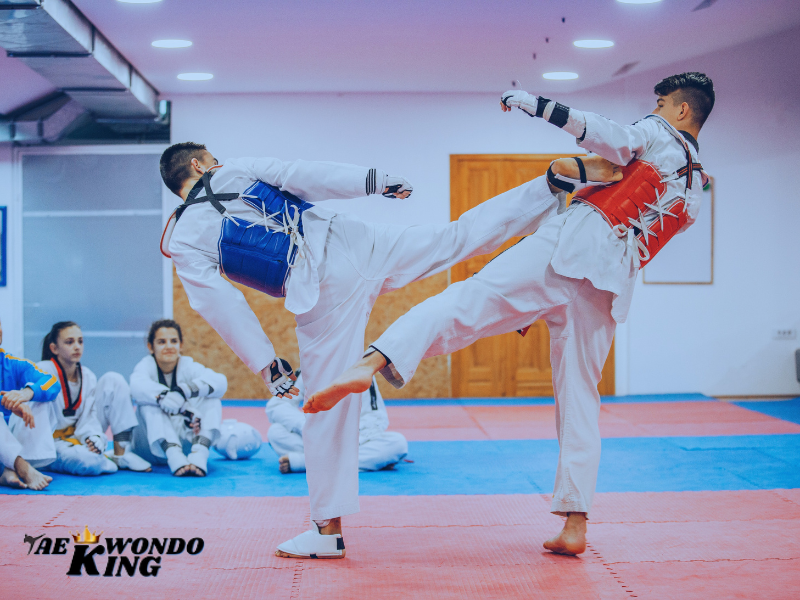
Every roundhouse or turning kick sends force through the shin and lower leg, and thousands of repetitions over months can add up to genuine cumulative stress on the bone and surrounding tissue.
Contact During Sparring
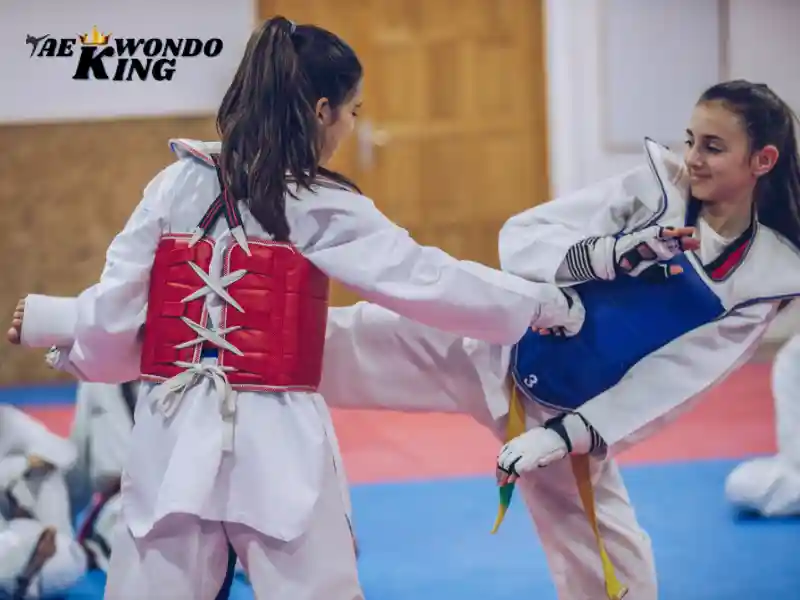
Direct contact with an opponent’s shin, knee, or elbow during sparring can bruise soft tissue or bone, especially without proper protective gear in place.
Blocking With the Shin
Using the shin to block incoming kicks, while technically sound, places repeated direct impact on the bone itself, which can lead to soreness if practiced too aggressively too soon.
Sudden Increase in Training Volume
Jumping from two classes a week to daily training without a gradual buildup is one of the most common reasons students develop shin pain from taekwondo kicks in the first place.
Poor Recovery Habits
Skipping rest days, stretching, or proper sleep slows the body’s natural repair process, leaving the shin more vulnerable to irritation during the next hard session.
Hard Training Surfaces
Training on concrete or thin matting, rather than a properly cushioned floor, increases the impact absorbed by the shin and lower leg during kicking drills.
Common Causes of Shin Pain From Taekwondo Kicks
Not every sore shin shares the same underlying cause. Some conditions improve with simple rest, while others genuinely require prompt medical assessment.
Muscle Soreness (DOMS)
Delayed onset muscle soreness typically shows up a day or two after an intense session and reflects normal microscopic muscle repair rather than any injury.
Typical Symptoms
Dull, generalized aching across the muscle rather than sharp, localized pain usually points toward ordinary muscle soreness instead of a more serious problem.
Recovery Time
Most muscle soreness resolves within one to three days with light movement, proper hydration, and a bit of patience.
Shin Splints (Medial Tibial Stress Syndrome)
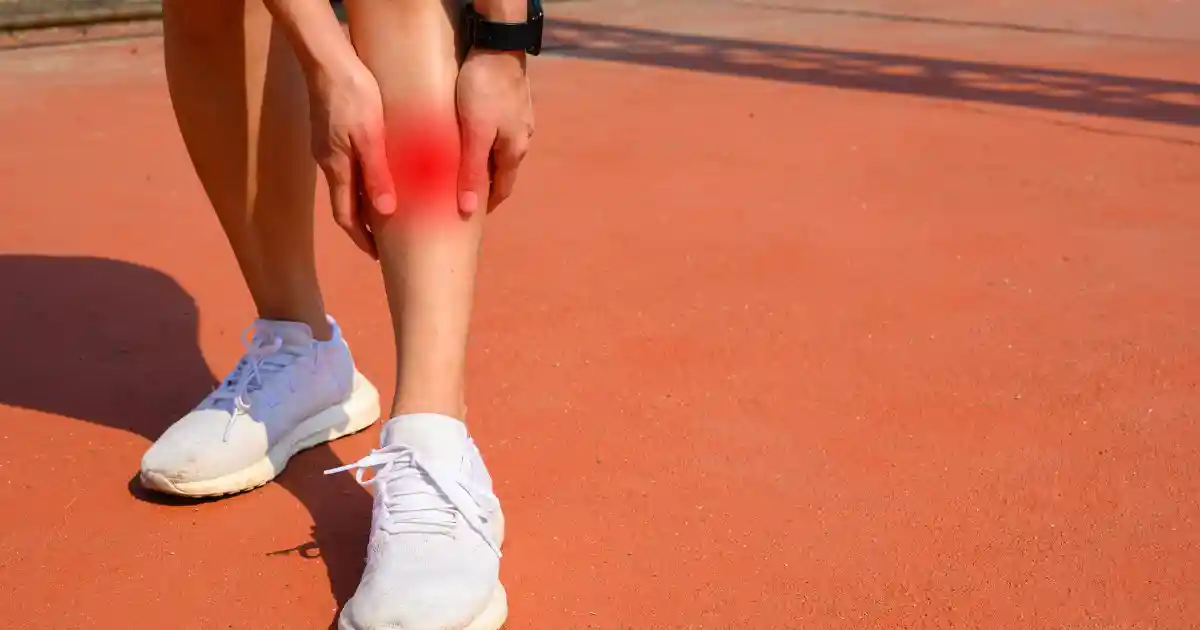
Shin splints cause pain along the inner edge of the shin bone, usually triggered by repetitive stress without adequate recovery time built into a training schedule.
Early Warning Signs
A dull ache that worsens during activity and eases with rest often signals early shin splints before the condition has a chance to progress further.
Risk Factors
Rapid increases in training volume, poor footwear, and inadequate warm up routines all raise the risk of developing shin splints over time.
Bone Bruise
A bone bruise results from direct, forceful impact and typically causes localized tenderness that feels different from the more generalized ache of ordinary muscle soreness.
Soft Tissue Contusion
A contusion from sparring contact often brings visible swelling and bruising, though it usually improves steadily over the course of one to two weeks with proper care.
Tendon Irritation
Overuse of the tendons surrounding the shin can create a nagging, localized soreness that flares specifically during kicking or pointed toe movements.
Stress Reaction and Stress Fracture
Persistent, sharp pain that worsens with continued activity may signal a stress reaction progressing toward an actual stress fracture, which requires prompt medical evaluation rather than home treatment alone.
Compartment Syndrome (Rare but Urgent)
Though rare, compartment syndrome causes severe swelling and pressure within the leg and requires immediate emergency medical attention if suspected.
Table 1: Common Causes of Shin Pain
Students often assume every sore shin is simply part of training. In reality, the exact type and location of pain can offer genuinely helpful clues about the underlying cause.
| Condition | Common Cause | Typical Symptoms |
|---|---|---|
| Muscle soreness | New training | Aching muscles |
| Shin splints | Repetitive stress | Pain along inner shin |
| Bone bruise | Direct impact | Local tenderness |
| Contusion | Sparring contact | Swelling and bruising |
| Stress fracture | Overuse | Sharp, persistent pain |
Symptoms You Should Never Ignore
Most soreness fades naturally with proper recovery, but certain symptoms genuinely deserve prompt medical evaluation rather than a wait and see approach.
Pain That Worsens While Walking
Pain that intensifies with normal walking, rather than easing, often signals something beyond ordinary muscle soreness and deserves a closer look.
Significant Swelling
Noticeable swelling that does not improve within a day or two warrants a proper evaluation to rule out a more serious underlying issue.
Pain at Rest or During the Night
Discomfort that persists even without activity, especially at night, is a symptom that should never simply be brushed aside.
Visible Deformity
Any visible deformity of the leg following an injury requires immediate medical attention without delay.
Numbness or Tingling
Numbness, tingling, or a loss of sensation anywhere in the lower leg or foot should always be evaluated promptly by a professional.
Inability to Bear Weight
If you cannot comfortably put weight on the affected leg, stop training immediately and seek medical evaluation as soon as possible.
Persistent Pain Lasting Several Days Despite Rest
Pain that lingers well beyond a few days of proper rest, ice, and reduced activity is a clear sign that professional evaluation is genuinely warranted.
How to Relieve Shin Pain Safely
Early care can meaningfully reduce discomfort and support proper recovery, though the right treatment always depends on the underlying cause of the pain itself.
Reduce Training Load
Scaling back kicking volume and intensity for a few days often allows minor irritation to settle before it develops into something more serious.
Protect the Injured Area
Avoiding direct contact or impact on a sore shin during the initial recovery period helps prevent a minor issue from becoming a larger setback.
Ice After Recent Impact Injuries When Appropriate
Applying ice in short intervals shortly after a fresh impact injury may help manage swelling and discomfort during the earliest stage of recovery.
Compression
A snug, comfortable compression sleeve can help manage mild swelling while providing a small amount of added support during daily activity. This compression sleeve set on Amazon is a popular option many students keep on hand for exactly this purpose.
Elevation
Elevating the leg above heart level periodically throughout the day can assist with reducing swelling during the initial recovery window.
Gentle Mobility
Light, pain free range of motion exercises help maintain circulation and flexibility without placing excessive stress on the healing tissue.
Gradual Return to Activity
Reintroducing kicking and sparring gradually, rather than jumping straight back to full intensity, meaningfully reduces the risk of the same issue returning.
Medical note worth repeating here. Please follow the advice of a qualified healthcare professional, especially if your symptoms are severe, persistent, or getting worse despite these home care steps.
Table 2: Recovery Timeline for Common Shin Problems
One thing I have learned over the years is that rushing back too soon usually adds another week onto the total recovery time. Patience genuinely wins in almost every one of these situations.
| Condition | Typical Recovery |
|---|---|
| Muscle soreness | One to three days |
| Mild bruise | Several days to two weeks |
| Shin splints | Several weeks with load management |
| Bone bruise | Weeks, depending on severity |
| Stress fracture | Requires medical management |
Recovery timelines vary considerably depending on severity and individual factors, so treat these ranges as general guidance rather than a fixed promise.
Technique Mistakes That Can Cause Shin Pain
Small technical errors, repeated hundreds of times over months of training, can quietly overload the shin without a student ever realizing what is happening.
Poor Pivoting
Failing to pivot the supporting foot properly during a roundhouse kick forces extra torque through the shin and knee, increasing strain over repeated repetitions.
Striking With the Wrong Part of the Leg
Making contact with the wrong section of the shin during a kick concentrates force onto a smaller, less conditioned area of bone.
Overpowering Kicks
Throwing kicks with more power than your current technique can safely control often sacrifices form in ways that quietly increase injury risk over time.
Poor Balance
Weak balance during kicking forces compensatory movement patterns that can place uneven, unnecessary stress on the shin and surrounding joints.
Incorrect Blocking Mechanics
Blocking with poor shin alignment concentrates impact onto a smaller surface area, increasing the likelihood of bruising or irritation over repeated sessions.
Weak Supporting Leg
A weak or fatigued supporting leg struggles to stabilize the body during a kick, indirectly increasing stress transferred through the kicking leg itself.
Rushing Technique Progression
Advancing to harder kicks or combinations before mastering the fundamentals often builds subtle technical flaws that show up later as nagging, hard to diagnose pain. Our guide on the first technique every beginner should learn covers exactly why fundamentals deserve this kind of patience.
Strength and Mobility Exercises for Shin Health
Stronger lower legs and better overall mobility help your body absorb force more efficiently during every single training session.
Calf Raises
Simple calf raises build strength through the lower leg, supporting better shock absorption during repeated kicking and footwork drills.
Tibialis Anterior Strengthening
Strengthening the muscle running along the front of the shin helps balance the lower leg and may reduce shin splint risk over time.
Single Leg Balance
Practicing balance on one leg improves stability during kicks, reducing compensatory movement patterns that can otherwise strain the shin.
Resistance Band Ankle Exercises
Simple resistance band work for the ankle builds strength and control that directly supports safer, more stable kicking mechanics. A basic resistance band set on Amazon makes this exercise easy to add into a home routine.
Toe Raises
Toe raises target smaller supporting muscles in the lower leg that often get overlooked in a typical training routine.
Hip Strengthening
Strong hips improve overall kicking mechanics, indirectly reducing unnecessary stress placed on the shin and lower leg during each kick.
Core Stability
A stable core supports better balance and control throughout every kick, reducing the compensatory strain that weak core stability often creates elsewhere in the body.
Warm Up Routine Before Kicking Practice
A proper warm up prepares the muscles, tendons, and joints for explosive movement while meaningfully reducing unnecessary stress on the body.
Light Jogging
A few minutes of light jogging raises core body temperature and increases blood flow before any kicking drills begin.
Dynamic Ankle Mobility
Moving the ankle actively through its full range of motion prepares the joint for the demands of repeated kicking.
Leg Swings
Controlled leg swings loosen the hips and hamstrings, preparing the entire kicking chain for more explosive movement ahead.
Bodyweight Squats
Bodyweight squats activate the legs and glutes, building a stable foundation before kicking intensity increases further.
Controlled Low Kicks
Starting with slow, controlled low kicks eases the body into full kicking motion without immediately stressing cold, unprepared muscles.
Progressive Kicking Intensity
Gradually increasing kicking power and speed across the warm up period allows the shin and surrounding tissue to adapt safely before full intensity training begins.
Table 3: 10 Minute Shin Friendly Warm Up
Our instructor always jokes that if your very first kick of the day is already full power, your warm up is clearly missing. It is a joke, but it holds more truth than most students realize.
| Exercise | Time |
|---|---|
| Light Jog | 2 minutes |
| Ankle Mobility | 2 minutes |
| Leg Swings | 2 minutes |
| Bodyweight Squats | 2 minutes |
| Easy Kicking Drills | 2 minutes |
Equipment That May Help Reduce Shin Stress
Protective gear will never fully eliminate injuries, but properly fitted equipment may genuinely reduce impact during regular training and sparring sessions.
Shin Guards
Quality shin guards absorb impact during sparring and blocking drills, reducing direct stress on the bone itself. This pair of shin guards on Amazon offers solid protection favored by many students dealing with recurring soreness.
Properly Fitted Foot Protectors
Foot protectors that fit securely help distribute impact more evenly during kicks, reducing localized stress on both the foot and the shin.
Supportive Training Shoes (Off the Mat)
Supportive shoes worn outside of class can help reduce cumulative stress on the lower legs during daily walking and general activity. This pair of supportive training shoes on Amazon offers solid arch support for students spending long hours on their feet.
Quality Training Mats
Training on a properly cushioned mat, rather than a hard or thin surface, meaningfully reduces the impact absorbed by the shin during footwork and kicking drills.
Compression Sleeves
Compression sleeves offer mild support and may help manage minor swelling during periods of heavier training. A breathable compression sleeve from Amazon is a simple, affordable addition to a recovery routine.
Recovery Tools
Tools like foam rollers and massage balls can support circulation and muscle recovery between training sessions. This foam roller set on Amazon is a popular choice among students managing regular shin soreness.
Common Training Mistakes That Make Shin Pain Worse
Many athletes accidentally delay their own recovery by trying to push through discomfort. Smart, deliberate adjustments almost always work better than stubbornness in the long run.
Training Through Pain
Continuing to train at full intensity despite clear pain signals often transforms a minor issue into a much longer term problem.
Increasing Kicking Volume Too Quickly
Jumping from moderate to heavy kicking volume without a gradual buildup is one of the most common, and most avoidable, causes of shin pain from taekwondo kicks.
Skipping Recovery Days
Training every single day without scheduled rest prevents the body from properly repairing the microscopic damage that builds up during regular sessions.
Ignoring Early Symptoms
Dismissing early, mild discomfort as nothing important often allows a small issue to develop into a more serious injury over the following weeks.
Wearing Worn Out Protective Gear
Compressed padding in old shin guards or headgear no longer absorbs impact effectively, quietly increasing injury risk during regular sparring.
Poor Nutrition and Hydration
Inadequate hydration and nutrition slow the body’s natural recovery process, leaving tissue more vulnerable to irritation during hard training blocks.
Inconsistent Warm Ups
Skipping the warm up on busy days removes one of the simplest, most effective safeguards against unnecessary shin stress during kicking drills.
Table 4: Healthy Habits vs Pain Triggering Habits
I once watched two students after a particularly heavy kicking session. One stretched, cooled down, and headed home. The other immediately challenged a friend to another round. You can probably guess who complained about sore shins the following Monday.
| Healthy Habit | Habit That Raises Risk |
|---|---|
| Gradual training progression | Sudden increase in kicking volume |
| Proper warm up | Cold muscles |
| Rest days | Daily high intensity training |
| Good technique | Poor mechanics |
| Replace worn gear | Continue using damaged equipment |
USA Expert Advice for Healthy Shins
Sports medicine professionals who work regularly with combat sport athletes tend to repeat a remarkably consistent message about training load.
“Your body adapts to training when you increase the workload gradually, not when you suddenly double it overnight.” Dr. Sarah Nguyen, MD, a USA based sports medicine physician who works regularly with combat sport athletes.
Build Kicking Volume Progressively
Gradual increases in kicking volume give the shin time to adapt, significantly reducing the risk of overuse injuries developing over a training season.
Strengthen the Lower Legs
A consistent lower leg strengthening routine builds resilience that helps the shin better absorb the repeated stress of regular kicking practice.
Listen to Persistent Pain
Pain that lingers or worsens despite rest is the body’s clearest signal that something beyond ordinary soreness deserves genuine attention.
Prioritize Recovery
Treating rest and recovery as part of training, rather than time away from it, supports long term progress far more effectively than constant high intensity work.
Get Technique Feedback Regularly
Regular feedback from an instructor helps catch small technical flaws before they turn into the kind of repetitive stress that leads to injury.
Real life context worth remembering here. At many taekwondo schools across California and Texas, Monday classes often begin with mobility work before any kicking drills start. One instructor is known for reminding students that their shin is not trying to ruin their training, it is trying to tell them something. That advice tends to stay with students long after they hear it.
When to See a Healthcare Professional
Some shin pain improves steadily with rest, while other cases genuinely require prompt evaluation to avoid a more serious underlying problem.
Pain That Lasts More Than Several Days
Pain that persists well beyond a few days of proper rest and reduced training deserves a proper medical evaluation rather than continued waiting.
Severe Swelling
Significant swelling that does not improve within a reasonable timeframe warrants prompt professional assessment.
Pain When Walking or Standing
Pain that interferes with normal walking or standing is a clear signal that something beyond typical training soreness may be occurring.
Suspected Stress Fracture
Sharp, persistent pain that worsens with continued activity should always be evaluated promptly, since stress fractures require proper medical management to heal correctly.
Loss of Strength or Sensation
Any noticeable loss of strength, numbness, or tingling in the leg or foot deserves immediate medical attention.
Recurrent Shin Pain After Returning to Training
Shin pain that keeps returning every time training resumes often signals an underlying issue that home care alone has not fully resolved.
Frequently Asked Questions
Is Shin Pain Normal After Taekwondo?
Mild, temporary soreness after intense kicking sessions is common and generally normal. Sharp, persistent, or worsening pain is not something to simply accept as routine.
How Long Should Shin Soreness Last?
Ordinary muscle soreness typically resolves within one to three days. Pain lasting significantly longer deserves closer attention and possibly reduced training load.
What Is the Difference Between Shin Splints and a Stress Fracture?
Shin splints cause a duller ache along the inner shin, while a stress fracture typically produces sharper, more localized pain that worsens with continued activity.
Can Shin Guards Prevent Shin Pain?
Shin guards help absorb impact during sparring and blocking, though they cannot fully prevent overuse related pain caused by training volume or technique issues.
Should I Keep Training With Sore Shins?
Mild soreness usually allows for modified training, while sharp or worsening pain calls for reduced activity and, if needed, professional evaluation.
Which Exercises Strengthen the Shin Muscles?
Calf raises, toe raises, and tibialis anterior strengthening exercises all help build resilience in the muscles surrounding the shin.
How Can I Reduce Pain After Kicking Drills?
Reducing training load, using ice appropriately, gentle mobility work, and gradual return to activity all support safer, more effective recovery.
Can Beginners Get Shin Splints?
Yes, beginners are actually at higher risk due to rapid increases in training volume before the body has fully adapted to new demands.
Does Poor Technique Cause Shin Pain?
Yes, technical errors like poor pivoting or incorrect blocking mechanics can quietly overload the shin over hundreds of repeated repetitions.
When Should I See a Doctor?
See a doctor promptly for severe swelling, inability to bear weight, numbness, or pain that persists despite several days of proper rest.
Final Recommendation
After years of training, coaching, and working through my own share of sore shins, my honest advice stays simple and consistent. Shin pain from taekwondo kicks is often just your body asking for a gradual approach, proper recovery, and better technique, not a sign that something is fundamentally wrong. Warm up properly, build kicking volume slowly, and pay attention when pain feels sharper or more persistent than ordinary soreness. Strengthen the lower legs, replace worn gear before it stops doing its job, and never hesitate to get a genuine medical evaluation when something feels off. Respecting your body’s signals early is what keeps a minor ache from turning into weeks away from training you actually enjoy.
If today’s soreness has you thinking more broadly about training safety, a few more resources from our site may help round things out. Our detailed guide on the most common injuries in taekwondo and how to prevent them covers several other issues beyond shin pain worth knowing about. Our overview of taekwondo safety and medical rules by World Taekwondo also explains the official standards behind much of the protective gear discussed in this guide.
Flexibility and mobility play a real role in injury prevention, and our article on why flexibility matters so much in taekwondo training pairs naturally with the warm up section covered here. Readers curious how taekwondo affects the body more broadly may also enjoy our piece on how hard taekwondo actually is on the body.
New students building safer habits from the very beginning should check our guide on the first technique every beginner should learn and taekwondo basics for complete beginners. Our breakdown of the hardest kicks in taekwondo and essential taekwondo moves worth mastering early both connect closely with the technique mistakes covered throughout this article.
Mental focus plays a bigger role in injury prevention than most students expect, and our guides on mindfulness tools to boost fitness and learning and exercises to manage frustration during setbacks both support the patience this kind of recovery genuinely requires. Adults returning to training after time away may also find our pieces on taekwondo lessons designed for adults and why taekwondo works well for adult students helpful for pacing a safer return.
Understanding how training intensity ties into competition standards can also help with pacing decisions. Our overview of official taekwondo kyorugi rules by World Taekwondo and general taekwondo GMS rules and regulations explains the standards behind sanctioned sparring and testing. For readers thinking about long term progress rather than a single recovery, our articles on reasons to keep practicing taekwondo consistently and how taekwondo builds real self discipline round out the bigger picture nicely.
Finally, if you are recovering and looking for a supportive school to return to once you are cleared to train, our local guides to taekwondo academies in Atlanta, taekwondo academies in Chicago, and taekwondo classes in Dallas can help point you toward instructors who take gradual, safe progression seriously. You can browse even more training and recovery guides on our full blog.
A well stocked recovery kit makes this entire process easier to manage at home. You can browse compression sleeves and shin guards on Amazon, check foam rollers and recovery tools here, or compare resistance bands for lower leg strengthening to support the exercises and recovery steps covered throughout this guide.

Founder, Owner, and CEO of TaekwondoKing.
He is one of the top 100 martial artists in the World and among the top 20 referees in Bangladesh.
Ehatasamul Alom is an esteemed Kukkiwon Certified Taekwondo 3rd Dan Black Belt with over 15 years of experience in this dynamic martial art. Born in Rajshahi, Bangladesh, Ehatasamul’s journey with Taekwondo began at the tender age of seven. His passion led him to compete at national and international levels, where he has bagged numerous awards and honors. He is also a member of the Taekwondo National Referee Panel.
With a Bachelor’s degree in Sports Science from the prestigious Rajshahi University, Ehatasamul has a deep understanding of the technical and scientific aspects of martial arts and some other martial arts.
In 2022, Ehatasamul created the “TaekwondoKing.com” to share his knowledge, Free Resources, Values, and Real experiences. His articles focus on Taekwondo training techniques, competition strategies, Sport Products Reviews, and the art’s rich history and philosophy. He also writes about the importance of mental fortitude and discipline, key aspects of his teaching philosophy. He has already launched many sports, Taekwondo, and health-related Free online tools. His goal is to inspire both beginners and seasoned practitioners worldwide through insightful and engaging content.
If you need any help, contact Ehatasamul Alom at any time.