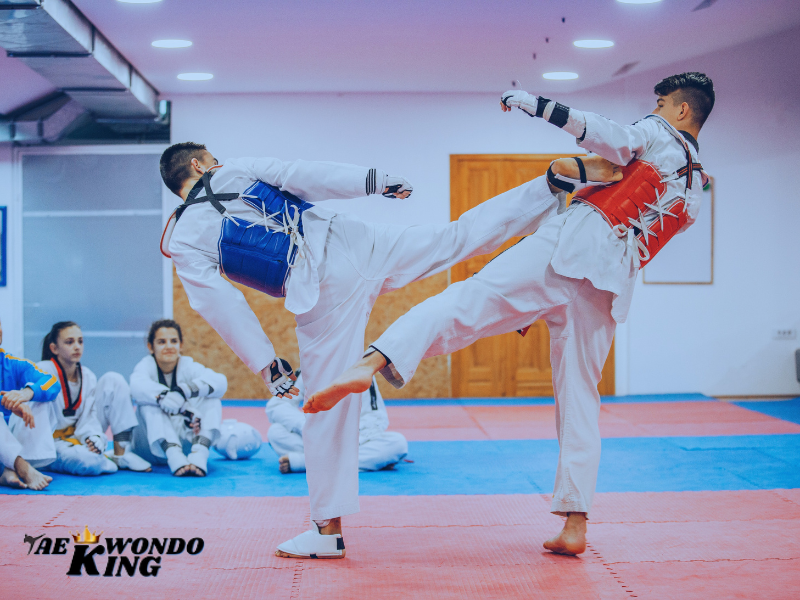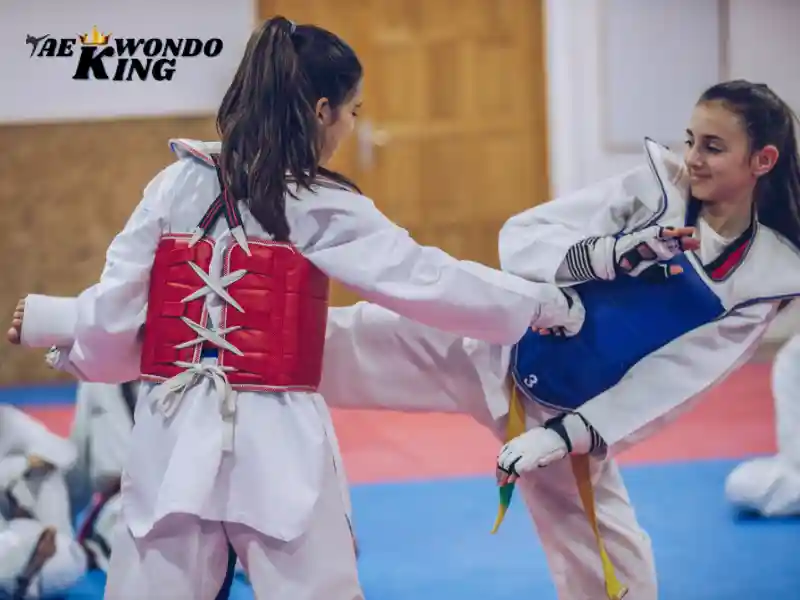
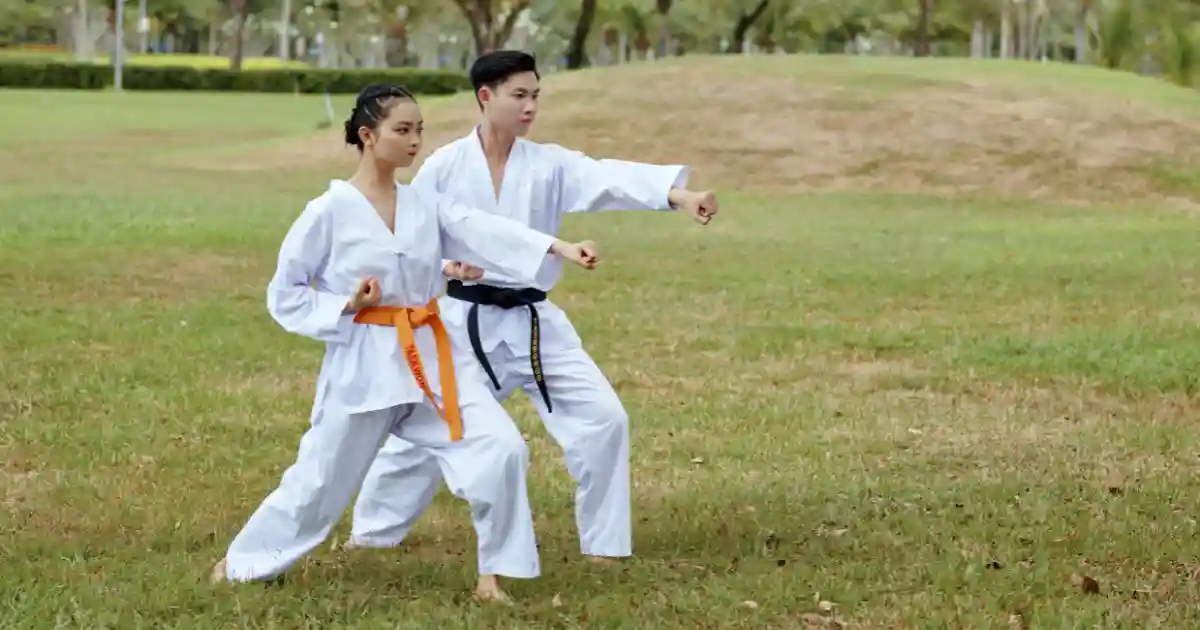
Your hands are sweating, your belt feels too tight, and you keep second guessing a kick you have done a thousand times. That nervous energy is completely normal, and it is exactly why learning how to prepare for taekwondo belt test day matters so much. Grading is not about being perfect. It is about showing the progress you built through consistent training. I still remember a student in Phoenix checking her belt three times before stepping onto the mat, convinced she had forgotten how to tie it.
With the right preparation, you will walk into your test feeling focused, confident, and ready to perform. This guide covers everything from your study plan to poomsae, sparring, fitness, terminology, and the mindset that turns nerves into steady focus.
Understand What Your Belt Test Will Include
Preparation becomes much easier when you know exactly what your instructor expects. Every school has its own grading syllabus, but most belt tests follow a similar structure.
Ask for your grading requirements
Your instructor is your best resource here. Ask directly what techniques, poomsae, and sparring rounds will appear on your specific test. Writing the answer down word for word prevents confusion later when you sit down to build your practice schedule.
Learn your school’s curriculum
Every dojang builds its curriculum a little differently. Reviewing what beginners should know before their first taekwondo class helps set realistic expectations if this is your very first grading.
Understand WT vs ITF grading differences
Different organizations grade differently, so knowing which system your school follows changes how you prepare.
World Taekwondo (WT)
WT schools often place heavy emphasis on sparring and Olympic style kicking, closely tied to the official WT kyorugi rules and regulations.
International Taekwon-Do Federation (ITF)
ITF schools tend to focus more heavily on patterns and traditional technique, with slightly different terminology and grading criteria.
Independent schools
Many local dojangs blend both systems or create their own grading structure entirely, so always confirm details directly with your instructor. Assuming your school follows one system exactly when it actually blends the two is a common source of unnecessary confusion.
Know the scoring criteria
Examiners typically score technique, power, balance, and confidence. Understanding these categories in advance removes a lot of guesswork on test day, and it also helps you focus your practice time where it actually counts instead of spreading effort too thin across everything at once.
Create a Belt Test Preparation Plan
A simple training schedule helps you improve steadily instead of trying to learn everything during the final week.
Set realistic goals
Break your preparation into small, achievable targets each week rather than trying to master everything overnight. A goal like cleaning up one specific kick each week is far more useful than a vague plan to simply get better.
Divide skills by training days
Spreading stances, kicks, poomsae, and sparring across different days keeps practice focused and prevents burnout. Trying to cram every skill into a single session usually leads to sloppy repetition instead of real improvement.
Track weekly improvement
Keeping a simple log of what felt strong and what needs work helps you see real progress, which builds motivation heading into test week. Even a short note after each class adds up to a clear picture over several weeks.
Schedule recovery days
Rest days prevent injury and actually improve performance, since tired muscles rarely execute clean technique. Skipping rest in the name of extra practice often backfires right before testing.
Practice consistently
Small daily sessions almost always beat one long cram session, a principle echoed in why consistent taekwondo practice matters so much. Twenty focused minutes daily builds more lasting skill than a single exhausting three hour session the night before your test.
When students ask me how to avoid last-minute panic, I always recommend following a simple plan like this. A little practice every day usually beats one long training session.
| Day | Main Focus | Time |
|---|---|---|
| Monday | Basics & Stances | 30 min |
| Tuesday | Kicking Techniques | 40 min |
| Wednesday | Poomsae | 30 min |
| Thursday | Sparring | 40 min |
| Friday | Self-Defense | 30 min |
| Saturday | Mock Belt Test | 60 min |
| Sunday | Stretching & Recovery | 20 min |
Master the Basic Techniques First
Strong fundamentals impress examiners far more than flashy techniques. Clean basics create confident martial artists, a foundation covered well in the very first techniques every taekwondo student learns.
Stances
A stable stance is the base for every technique that follows, so examiners often check this before anything else. Weak foot placement here quietly undermines every kick and block that comes after it, which is why coaches spend so much early class time on this single detail.
Front stance
Weight sits mostly forward with a long, stable base, commonly used for basic punching combinations. Keep your back leg straight and your front knee bent directly over the ankle for maximum stability.
Walking stance
A shorter, more mobile stance used for transitions between techniques and movement drills. It bridges the gap between the stability of a front stance and the mobility needed for sparring.
Back stance
Weight shifts mostly onto the rear leg, which helps with quick blocks and defensive movement. This stance rewards patience and control over speed.
Fighting stance
A light, mobile stance used specifically for sparring, allowing fast reactions in either direction. Practicing footwork drills using a taekwondo agility ladder and cone set on Amazon helps build the quick, light footwork this stance depends on.
Blocks
Clean, complete blocks show control and discipline, two qualities examiners watch closely during grading. A half finished block often signals nerves more than a missed kick ever does.
Low block
Defends against kicks or low strikes, sweeping across the body in one controlled motion. Full extension at the end of the block matters just as much as speed.
Middle block
Protects the torso from a straight strike, finishing with the forearm firmly in place. Keep the elbow slightly bent to avoid locking the joint.
High block
Shields the head from an overhead strike, with the arm rotating fully into position. A common mistake is stopping the rotation too early, which leaves a gap in the defense.
Punches
A simple straight punch with correct hip rotation often scores better than a flashy technique thrown without control.
Basic kicks
These four kicks form the backbone of nearly every belt test, and mastering them pays off well beyond grading day, especially once you start exploring some of the harder kicks taught in taekwondo.
Front Kick (Ap Chagi)
A straightforward kick that teaches balance and proper chambering before more advanced techniques. Most students learn this kick first for good reason, since it builds the hip discipline every later kick depends on.
Roundhouse Kick (Dollyo Chagi)
One of the most commonly scored kicks in sparring, relying on hip rotation for power. This kick shows up constantly in the fitness benefits taekwondo builds through consistent kicking practice, since it works nearly every major muscle group in one motion.
Side Kick (Yop Chagi)
Requires strong balance and a clean chamber, often used to test control under pressure. Many examiners specifically watch the supporting leg here for signs of wobble.
Back Kick (Dwi Chagi)
A powerful kick that demands good spatial awareness, since it is thrown without direct visual contact with the target. Training this kick slowly on a heavy bag builds the confidence needed to throw it accurately during a live test.
Combination drills
Chaining two or three techniques together smoothly shows examiners you understand flow, not just isolated moves. Practicing combinations regularly on a freestanding kick and punch training bag on Amazon builds the muscle memory needed to perform them cleanly under pressure.
Practice Your Poomsae Until It Feels Natural
Forms reveal your balance, timing, breathing, and attention to detail. They often carry significant weight during grading, closely tied to the official WT poomsae rules and regulations.
Review the correct poomsae
Confirm the exact form required for your belt level with your instructor before you start practicing, since requirements vary by school.
Focus on accuracy before speed
Slow, correct repetitions build far better habits than rushing through a form at full speed too early. Speed naturally develops on its own once the correct pattern is locked into muscle memory.
Practice transitions
The movement between techniques often reveals more about your skill level than the techniques themselves. Examiners watching a poomsae often notice hesitation between moves before they notice anything about the individual stances.
Improve rhythm and breathing
Steady breathing keeps your form controlled and prevents the rushed, choppy look examiners notice immediately.
Fix common poomsae mistakes
Most errors are small and fixable with focused attention rather than a full restart of your training.
Record yourself for feedback
Watching your own poomsae on video often reveals habits you cannot feel while performing, similar to how coaches review footage to spot strengths and weaknesses in taekwondo technique.
Even experienced students occasionally rush through forms. The good news? Most mistakes are easy to correct with focused practice.
| Common Mistake | Quick Fix |
|---|---|
| Wrong stance | Slow down and check foot placement |
| Weak blocks | Finish every technique completely |
| Looking down | Keep eyes forward |
| Poor balance | Strengthen your core |
| Forgetting moves | Break the form into sections |
Prepare for Sparring and Self-Defense
Sparring tests your ability to apply techniques under pressure, while self-defense demonstrates practical awareness and control, both covered in the secrets behind effective taekwondo self defense.
Controlled sparring
Belt test sparring usually focuses on control and technique rather than power, so restraint matters as much as skill.
Defensive movement
Good footwork and timing often matter more than aggression when examiners are scoring your sparring round. Moving smoothly out of range, then back in with purpose, shows far more control than standing still and trading strikes.
Counterattacks
Responding quickly and cleanly after blocking a strike shows examiners you can think under pressure, not just react. A calm counterattack after a solid block is one of the clearest signs of real sparring skill.
One-step sparring
This structured drill demonstrates control, distance management, and clean technique in a predictable format.
Basic self-defense techniques
Simple, practical defenses matter more here than complicated movements, a theme explored further in the most effective self defense techniques taught in taekwondo.
Follow safety rules
Respecting your partner’s safety during sparring is graded just as seriously as technique itself. A properly fitted taekwondo sparring gear set on Amazon, including gloves and shin guards, helps you train these drills safely at full effort.
Improve Your Physical Fitness Before Test Day
Good fitness allows your technique to stay sharp from the first movement to the final bow, a benefit explored in depth in how taekwondo training supercharges overall fitness. Students who neglect conditioning often notice their technique breaking down halfway through a longer grading session, which is one reason taekwondo can feel harder on the body than expected for new students.
Flexibility training
Loose hips and hamstrings directly improve kick height and control, which is why flexibility is considered one of the most important parts of taekwondo. A simple stretching strap and resistance band set on Amazon makes daily flexibility work far easier to stay consistent with.
Cardio workouts
Belt tests can run long, so steady cardio conditioning prevents fatigue from breaking down your technique late in the test. Jump rope sessions are a favorite among instructors, and a simple speed jump rope on Amazon is an easy, low cost way to build this endurance at home.
Strength exercises
Basic bodyweight strength training supports powerful kicks and stable stances without needing a full gym setup. Squats, lunges, and planks cover most of what a belt test actually demands.
Balance drills
Single leg balance exercises translate directly into steadier kicks and stronger poomsae performances.
Core stability
A strong core protects your back and improves nearly every technique, from punches to spinning kicks.
Recovery and stretching
Proper recovery prevents the kind of nagging soreness that can quietly limit performance on test day, and it also lowers your risk of some of the most common injuries seen in taekwondo training. A basic foam roller on Amazon used a few times a week can noticeably reduce muscle tightness heading into test week.
Learn the Korean Terminology and Etiquette
Knowledge matters just as much as movement in many grading exams. Respect and etiquette are part of taekwondo’s foundation, values reinforced early through taekwondo’s role in building self discipline.
Korean counting
Numbers often appear during poomsae or basic drills, so quick recall matters more than you might expect.
Basic commands
Instructors give most grading instructions in Korean, so recognizing key words prevents confusion mid test.
Belt meanings
Understanding what your current belt color represents adds real meaning to your progress and motivation, echoing the deeper purpose behind why so many students choose to start taekwondo in the first place.
Student oath
Many schools require reciting a student oath from memory, which reflects the discipline built through consistent taekwondo lessons for adult beginners.
Dojang etiquette
Proper etiquette shows respect for instructors, examiners, and fellow students throughout the entire testing process. Parents helping younger students learn these habits often find tips for teaching children self discipline through martial arts useful well beyond the dojang.
Bowing correctly
A clean, respectful bow at the right moments is a small detail examiners notice immediately.
Students are often surprised by how many grading instructions are given in Korean. Learning these words makes the test feel much less stressful.
| Korean Term | Meaning |
|---|---|
| Charyot | Attention |
| Kyong-rye | Bow |
| Junbi | Ready |
| Sijak | Begin |
| Baro | Return |
| Kihap | Yell |
| Dobok | Uniform |
| Dojang | Training hall |
What to Bring on Belt Test Day
Good preparation starts before you even step onto the mat. A simple checklist helps you avoid unnecessary stress.
Clean dobok
A wrinkled or dirty uniform sends the wrong impression before you even begin your first technique. A durable taekwondo dobok uniform on Amazon is worth having as a backup for testing day emergencies.
Correct belt
Double check that you have the correct current belt, tied properly, before you leave home.
Protective gear
Bring any required sparring gear clean and in good condition, since damaged equipment can slow down the whole testing session. A complete taekwondo protective gear set on Amazon, including headgear and shin guards, is worth keeping packed and ready well before test week arrives.
Water bottle
Staying hydrated through a long grading session keeps energy and focus steady until the final bow. A simple insulated sports water bottle on Amazon keeps water cold through even the longest testing sessions.
Registration documents
Confirm any required paperwork or fees in advance so testing day starts smoothly. Nothing adds unnecessary stress faster than scrambling for a form while other students are already warming up.
Healthy snacks
A light, energizing snack before testing helps avoid the sluggish feeling that heavy meals can cause. A banana or a small handful of nuts about an hour before testing works well for most students without causing stomach discomfort during sparring.
Positive attitude
Walking in with a calm, positive mindset genuinely affects performance, more than most students realize.
Mental Preparation for Belt Testing
Nerves are normal. Confidence grows from preparation, not perfection, a mindset closely tied to the self confidence taekwondo training builds over time.
Visualize success
Picture yourself performing each section calmly and correctly before you ever step onto the mat. This technique is used across many sports, and it pairs well with the high self esteem competitive taekwondo athletes tend to build over time.
Control breathing
Slow, steady breathing calms nerves fast and keeps your technique from feeling rushed or shaky.
Stay focused
Concentrate on your own performance instead of watching other students test around you. Comparing your pace to a higher belt only adds pressure that has nothing to do with your own strengths and weaknesses developed through your personal taekwondo journey.
Don’t compare yourself
Every student progresses differently, and comparing yourself to others only adds unnecessary pressure. Your test is measured against your own belt requirements, not against how quickly another student learned the same material.
Accept small mistakes
A minor slip does not ruin a belt test. Recovering smoothly matters more than being flawless, and examiners genuinely notice composure under pressure far more than a single missed beat in a form.
Trust your training
Confidence built through consistent classes, similar to the mindfulness tools many taekwondo athletes use to boost fitness and focus, carries you through nervous moments better than last minute cramming ever could.
Common Belt Test Mistakes to Avoid
Many students know the techniques but lose points because of simple, preventable mistakes.
Rushing techniques
Speed without control almost always looks worse to examiners than a slightly slower, cleaner technique. This is one of the most important lessons students eventually learn through years of taekwondo training.
Poor posture
Slouched shoulders or a dropped chin can make even strong technique look weak and uncertain. Standing tall between techniques signals confidence even during the brief pauses of a grading sequence.
Weak kihap
A soft or hesitant yell signals nerves, while a strong, confident kihap shows focus and commitment. Practicing this out loud during regular class, not just saving it for test day, makes it feel far more natural under pressure.
Forgetting etiquette
Skipping a bow or ignoring proper etiquette can cost points even when the technique itself was solid. Etiquette is often the very first and last thing an examiner notices during a grading session.
Looking nervous
Confident body language matters more than people expect, even when nerves are still present underneath. Standing tall and making eye contact with the examiner often does more for your score than people realize.
Skipping warm-ups
Cold muscles perform worse and increase injury risk, so a proper warm up is never worth skipping. This habit matters even more for students juggling taekwondo alongside general home fitness routines for busy adults, where recovery time is often shorter between sessions.
Ignoring instructor commands
Missing a command mid test disrupts your flow and can cost unnecessary points during grading.
One of my favorite habits before grading is reviewing a short checklist. It takes less than five minutes but helps students walk onto the mat with confidence.
| Before the Test | Check |
|---|---|
| Uniform clean | Yes |
| Belt tied correctly | Yes |
| Poomsae memorized | Yes |
| Equipment packed | Yes |
| Water bottle ready | Yes |
| Arrive early | Yes |
| Positive mindset | Yes |
USA Expert Advice for Belt Test Success
Grandmaster Yeon Hwan Park, a respected USA taekwondo leader and educator, often reminds students that preparation does not begin the week before grading. It begins with every class attended and every correction applied along the way.
Practice with purpose
Training with focused intention on specific corrections improves faster than mindless repetition ever will.
Ask questions early
Clarifying confusing techniques weeks before testing prevents last minute panic and confusion.
Focus on quality over speed
Clean, controlled technique consistently scores better than fast but sloppy execution.
Treat every class like a mini belt test
This habit builds the kind of steady discipline described in the most important lessons students learn early in taekwondo, long before test day arrives.
Remember that confidence comes from repetition
Every repetition in class quietly builds the muscle memory that carries you through nervous moments on test day.
Real-life context: At many USA dojangs in California, Georgia, and Texas, belt tests are held on Saturday mornings. Students often arrive 30 to 45 minutes early to stretch, review poomsae quietly, and calm their nerves. You’ll sometimes hear an instructor smile and say, if your belt is tied straight, that’s one less thing to worry about. Many families preparing younger students for their first grading also review a structured guide for teaching kids taekwondo fundamentals, since younger students often need etiquette and terminology broken down in smaller steps. Packing a lightweight taekwondo gear bag on Amazon keeps everything organized and ready the morning of the test, which removes one more source of stress before stepping onto the mat.
Frequently Asked Questions
How do I prepare for my first taekwondo belt test?
Start by asking your instructor exactly what will be tested, then follow a simple weekly practice plan covering basics, poomsae, and sparring. Reviewing common questions and expectations for beginners entering their first taekwondo test also helps calm early nerves.
How long should I practice each day?
Thirty to forty minutes of focused daily practice in the weeks leading up to your test is usually more effective than occasional long sessions. Consistency builds the kind of muscle memory that holds up even when nerves kick in on test day.
What should I bring to a belt test?
Bring a clean dobok, your correct belt, any required protective gear, water, registration paperwork, and a light snack. Packing everything the night before removes one more source of stress on the morning of your test.
Do all schools have the same grading requirements?
No, requirements vary between WT, ITF, and independent schools, so always confirm details directly with your instructor. Assuming your test will match a video you saw online can lead to unnecessary confusion.
Is sparring included in every belt test?
Not always. Some lower belt tests skip sparring entirely, while higher belts almost always include a sparring component. Ask your instructor directly rather than assuming based on a friend’s experience at a different school.
What happens if I forget part of my poomsae?
Pause briefly, breathe, and continue as calmly as possible. Examiners generally value composure and recovery over a single missed step, since panic tends to cause far more visible mistakes than the original slip.
Can I fail a taekwondo belt test?
Yes, though most instructors only allow a student to test once they are truly ready, which makes outright failure uncommon with proper preparation. Instructors generally want to see students succeed, not catch them off guard.
How early should I arrive?
Arriving 30 to 45 minutes early gives you time to warm up, stretch, and settle your nerves before testing begins.
How can I reduce test anxiety?
Visualization, steady breathing, and trusting your training all help reduce anxiety, along with the kind of mental focus built through managing frustration and pressure using taekwondo training.
What do examiners look for the most?
Examiners generally look for correct technique, balance, control, respect, and overall confidence, more than raw speed or power.
Final Recommendation
After years of preparing students for grading, my honest advice is simple. Start early, practice a little every single day, and trust the process instead of cramming during the final week. Focus on clean basics first, since strong fundamentals impress examiners far more than flashy techniques thrown without control. Learn your Korean terminology early so it feels natural instead of stressful on test day. Treat every regular class like practice for the real thing, and your confidence will grow naturally through repetition rather than pressure.
Pack your bag the night before, review your checklist one final time, and give yourself permission to make a small mistake without letting it shake your focus. Knowing how to prepare for taekwondo belt test day really comes down to consistency, respect for the process, and trusting the training you have already put in. Walk in calm, breathe steady, and let your preparation speak for itself.

Founder, Owner, and CEO of TaekwondoKing.
He is one of the top 100 martial artists in the World and among the top 20 referees in Bangladesh.
Ehatasamul Alom is an esteemed Kukkiwon Certified Taekwondo 3rd Dan Black Belt with over 15 years of experience in this dynamic martial art. Born in Rajshahi, Bangladesh, Ehatasamul’s journey with Taekwondo began at the tender age of seven. His passion led him to compete at national and international levels, where he has bagged numerous awards and honors. He is also a member of the Taekwondo National Referee Panel.
With a Bachelor’s degree in Sports Science from the prestigious Rajshahi University, Ehatasamul has a deep understanding of the technical and scientific aspects of martial arts and some other martial arts.
In 2022, Ehatasamul created the “TaekwondoKing.com” to share his knowledge, Free Resources, Values, and Real experiences. His articles focus on Taekwondo training techniques, competition strategies, Sport Products Reviews, and the art’s rich history and philosophy. He also writes about the importance of mental fortitude and discipline, key aspects of his teaching philosophy. He has already launched many sports, Taekwondo, and health-related Free online tools. His goal is to inspire both beginners and seasoned practitioners worldwide through insightful and engaging content.
If you need any help, contact Ehatasamul Alom at any time.