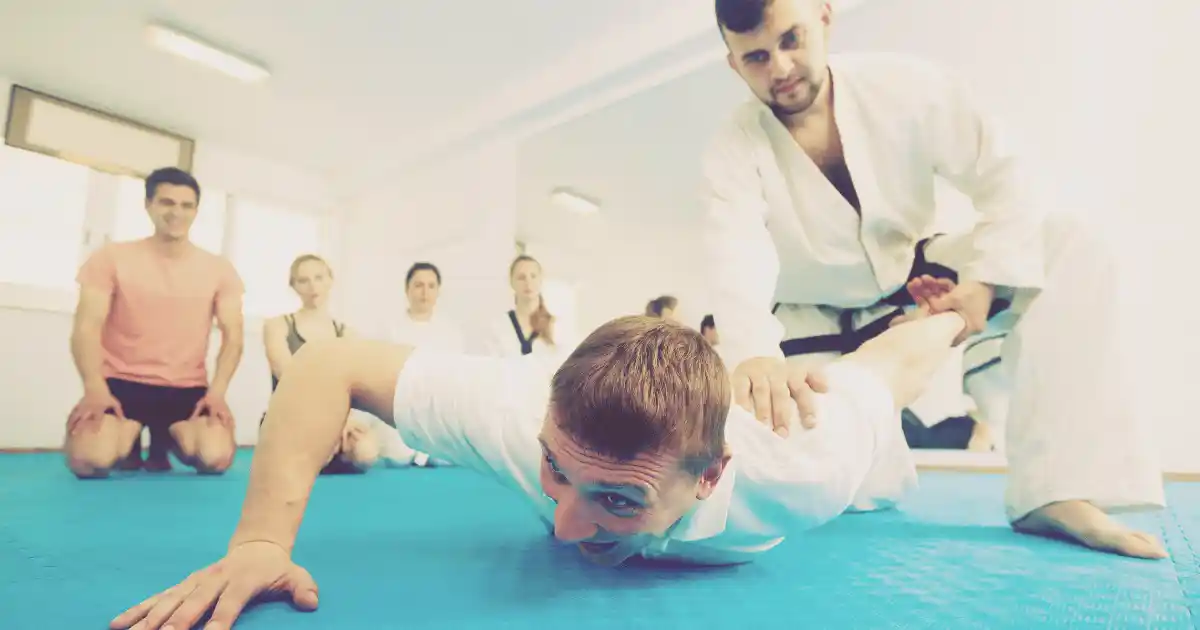
Can anyone who knows Taekwondo become a coach? Not really. I once watched a black belt teach kids in Charlotte, North Carolina. His kicks were great. But the kids lost focus in five minutes. He knew Taekwondo. He did not know how to teach it yet. That gap is the whole story here. A good athlete is not the same as a good coach. Teaching a beginner is not the same as coaching a champ. Running a school is a whole other skill. This guide walks you through the full path. I will use my own years on the mat, as a fighter, a referee, and a coach. By the end, you will know each real step to take.
How I Got My Start in Coaching
My own path did not start with a title. It started with holding pads for a tired instructor on a hot night. I said yes to every small task. I swept the floor. And, I set up cones. I watched more than I talked. Over time, my coach let me lead warm-ups. Then he let me teach one whole class. That slow build taught me more than any single course did. If you want a real start, say yes to the small jobs first.
What Does a Taekwondo Coach Actually Do?
A coach wears many hats. One minute you fix a kick. The next, you calm nerves before a match. Good coaches teach. They plan. They support students too.
Teaching Taekwondo Skills
Coaches teach more than kicks. They teach:
- Basic stances and footwork
- Punches, blocks, and combos
- Forms (poomsae) and sparring (kyorugi)
- Sparring drills and self-defense moves
- Breaking boards, when it fits
Coaching Athletes for Competition
This adds a new layer. You plan match strategy. You hold pads. Also, You run reaction drills and fitness work. You review each match after it ends. You also help athletes stay calm on game day.
Managing a Taekwondo Class
A strong class has a rhythm. Warm up. Teach a skill. Do partner drills. Check safety. Cool down. A coach handles all of this. They also manage mixed skill levels in one room.
Supporting Student Development
Coaches build more than kicks. They build trust. They build focus and respect. Also, They help students set goals. Emotional support matters too. But it must stay within clear limits at all times.
Coach vs Instructor vs Master
These titles are not the same. An instructor runs daily classes. A coach works on match strategy. A master has high rank and years of teaching. A head coach leads a full team. Learning these terms helps you pick your path early. It works much like our Taekwondo versus Karate guide, which helps new students pick the right art.
Signs You Might Be Ready to Coach
Not sure if you are ready? Look for these signs first:
- Students ask you to fix their form
- You enjoy explaining a move more than doing it
- Your own coach trusts you to lead warm-ups
- You stay calm when a student gets frustrated
- You want to help, not just show off skill
Do You Need a Black Belt to Become a Taekwondo Coach?
New coaches ask me this a lot. The truth is: not always. It depends on your role.
Is a Black Belt Required?
There is no single world rule. Local dojangs often let color belts help out. Beginner classes stay flexible. Formal titles often need higher rank. Rules shift by country. Always check with your local group first.
Why Rank Still Matters
Rank builds trust fast. It shows you know the full syllabus, forms, and sparring rules. Parents trust a coach who can show clean technique. Rank alone will not make you a great teacher. But it opens doors early.
USA Taekwondo Associate Coach Pathway
USA Taekwondo has a clear entry path. You must be at least 16. You need active membership. Also, You must finish SafeSport training. Adults over 18 need a background check too. USA Taekwondo says there is no belt rule for this level. That fact surprises many readers.
Still, rank matters for the long run. Helping at one event is not the same as being a great coach for years. Treat this path as a first step, not the end. Our age requirement calculator for black belt can help you and your students plan ahead.
Step-by-Step: How to Become a Taekwondo Coach
This is the map I wish I had on day one. It runs from your first class to your first title.
Step 1: Build a Strong Taekwondo Foundation
Train often. Learn the basics well. Study the terms, the forms, and the sparring rules. Learn the etiquette too. Study the history behind the art. This depth shows up later in how you explain things. Students trust a coach who knows the why behind a move, not just the how.
Skills to Master Before Coaching
Before you coach, aim to master:
- Basic moves and good body form
- Safe partner drills
- Forms and sparring basics
- Mobility and fitness work
Step 2: Find an Experienced Coach or Master
Train under a real teacher. Ask about helping out in class. Watch how senior coaches run a room. Go to seminars when you can. Feedback speeds up your growth more than solo practice does.
Questions to Ask Your Instructor
Before you take a role, ask:
- Can I help with beginner classes?
- Can I shadow senior coaches at events?
- What do coaches here need to know?
- Which group does this dojang belong to?
Picture a busy dojang at night. Kids walk in. Belts get tied. Pads hit the floor. A new coach learns to run fifteen kids without losing their voice. That is where real skill gets built.
Step 3: Start as an Assistant Coach
Help beginners. Lead warm-ups. Hold pads. Watch partner drills. Give small tips under a mentor’s eye. This role feels small. But it teaches you more than any book can.
Why Assistant Coaching Is So Valuable
You learn by doing. You see real mistakes up close. Also, You build fast communication skills. This is where most coaches learn if the job fits them. It also builds your confidence in front of a full room, which no book or video can teach on its own.
Step 4: Learn How to Teach, Not Just How to Fight
Explain moves in plain terms. Show each step slowly. Break big moves into small parts. Speak to kids and adults in different ways. Fix errors without shame in front of the group.
The “I Know It, So I Can Teach It” Trap
Skill does not equal teaching skill. “Just kick harder” is not real coaching. It is just noise. A better fix breaks the kick into chamber, snap, and pull-back. Then you fix one part at a time. A coach I trained under once said this: coaching is like translation work. You take what your body knows and turn it into plain words a new student can use.
Step 5: Get the Right Coaching Education
Look into local training and national courses. Add safety training too. Learn first aid and CPR. Study basic sports science. This work pays off in safer classes and sharper tips. Set aside a small budget each year for one new course or seminar.
Why Coaching Education Matters
Trained coaches plan better classes. They speak more clearly. They cut injury risk. Athletes grow faster under a coach who knows how to build a plan, not just repeat drills.
Step 6: Complete Organization-Specific Requirements
Rules shift by group. USA Taekwondo, World Taekwondo, and Kukkiwon each set their own path. Check the one that fits your goal.
USA Taekwondo Requirements
USA Taekwondo asks coaches to finish a course that matches their sport. You need both a Kyorugi and a Poomsae course if you coach both. Add active membership, SafeSport, and a background check to the list.
Kukkiwon Instructor and Master Pathways
Kukkiwon plays a key role in this style of Taekwondo. Its Master Course covers teaching methods, theory, forms, sparring, and self-defense. Rules shift by class and rank. Check with Kukkiwon before you sign up. Our Kukkiwon certification wait time calculator gives you a rough sense of the timeline. Our Dan rank promotion eligibility calculator tracks how close you sit to your next grade.
World Taekwondo Coach Certification
World Taekwondo runs a Level I and Level II path. Its rules cover coaching time, age, licenses, and a note from your home group. This can differ from what your local dojang asks for.
Taekwondo Coach Certification Requirements Compared
Certification can feel like a maze. Groups use different terms for close ideas. This table comes from my own path through referee work and coach training.
| Pathway | Main Purpose | Typical Focus | Best For |
|---|---|---|---|
| Dojang Assistant Coach | Support local classes | Teaching basics | Beginners |
| National Association Coach | Event coaching | Competition coaching | Tournament coaches |
| USA Taekwondo Coach | USA sanctioned events | Kyorugi and Poomsae coaching | US-based coaches |
| World Taekwondo Coach Certification | International competition | High-level sport coaching | International coaches |
| Kukkiwon Master Course | Instructor and master growth | Skill and teaching craft | Advanced students |
Rules change over time. Treat this table as a first map, not a final word. Check with each group before you sign up for a course. I have used pieces of each path myself over the years, and no single row on this table replaces the others.
What Qualifications Do You Need to Coach Taekwondo?
The word “qualification” covers a lot. Let us split hard proof from soft skill. Parents often ask me which one counts most. My honest answer: no single one wins alone. Real skill sits where all four areas meet.
Technical Taekwondo Knowledge
This means your rank, your forms, your sparring rules, and your grasp of the sport. It also means your skill at breaking down a move for a new student.
Coaching Qualifications
This means coach courses, teaching titles, and match coaching credits. It also means you keep learning each year. These show a group that you meet a clear bar.
Safety Qualifications
First aid, CPR, injury care, and child safety all sit here. A good first aid kit should sit in every coach bag next to your ID card.
Professional Skills
Talk, lead, plan, and give clear feedback. These rarely show up on paper. But they decide if a student stays or quits.
USA Taekwondo Coach Requirements
For US readers, this part is simple. What do you need before you coach?
USA Taekwondo Membership
Active status keeps you set for events and courses. Renew it each year. A lapse can slow down your next step.
SafeSport Training
SafeSport keeps kids and athletes safe from harm. USA Taekwondo asks for this training each year for adults over 18. Treat this as a must, not paperwork.
Background Screening
Most coaches need a background check. This can take five to ten business days. It stays valid for two years. Plan this into your timeline early.
Associate Coach Certification
The Associate Coach Quiz gives new coaches a clear start. With membership and SafeSport done, you can help at real events fast.
Higher-Level USA Taekwondo Coaching
Past the first step, USA Taekwondo runs Level 1 and Level 2 courses. Level 2 needs active membership, a fresh background check, SafeSport done, a passed quiz, and Level 1 first.
How Long Does It Take to Become a Taekwondo Coach?
There is no single clock here. Your start rank, your goal, and your group all shape the path.
Beginner to Assistant Coach
New students learn the basics first. Then they help in class under a mentor’s eye.
Experienced Student to Local Coach
Skill grows. Teaching skill grows too. Then you finish course work to earn a local role.
Local Coach to Competition Coach
This step adds match rules, event time, and group rules. Tactics grow sharper here too.
Advanced Coach or Master
Years of work build this stage. Add leadership, high-level courses, and mentor work.
Example Coaching Timeline
Use this table as a rough guide, not a strict rule. Each coach’s path looks a bit different.
| Stage | Approximate Focus | Main Goal |
|---|---|---|
| 0 to 1 year | Learn the basics | Become a good student |
| 1 to 3 years | Help in class | Learn to teach |
| 3 to 5+ years | Coach on your own | Build real coach skill |
| Advanced | Sport or master path | Grow expert skill |
What Skills Make a Great Taekwondo Coach?
A great coach is not the loudest voice in the room. Often the best coach spots the quiet kid about to give up.
Communication
Clear tips. Plain words. Good demos. Real listening. These keep a class moving well. Say less. Show more. Watch how students react.
Patience
Say it twice. Say it again. Kids learn slow some days. Adults learn slow some days too. Patience carries you through.
Observation
Sharp coaches spot bad form fast. They catch fatigue. They notice low confidence too. Small clues matter:
- A student who slows down mid-drill
- A student who avoids eye contact
- A student who skips a hard move on purpose
Leadership
Good leaders set clear rules. They build trust. They lead by example, not by volume. Also, They show up on time. They keep their word to students.
Emotional Intelligence
Know when to push. Know when to stop. Never shame a student. Ever. A hard day at home can shape how a kid performs on the mat.
Adaptability
Kids need one style. Adults need another. Top athletes need a third. Older students often need a slower pace with more rest. Flex your style to fit each person in the room.
How to Coach Children in Taekwondo Safely
Kids classes are fun and loud. Some days it feels like herding twenty bouncy springs.
Create a Safe Training Environment
Clear rules. Safe gear. Room to move. Close watch. Fair contact rules. This keeps kids safe.
Use Age-Appropriate Training
Short drills. Fun games. Lots of movement. Praise often. This holds a child’s focus best.
Understand Safeguarding
Keep clear limits. Speak with care. Never touch a child in the wrong way. Report any worry fast. Good safeguarding means:
- Never being alone with one child in a closed room
- Keeping all contact tied to a clear drill
- Speaking to a child the same way you would with a parent in the room
Work With Parents
Set clear rules up front. Share how their child is doing. Speak up fast if you see a concern. Trust grows from open talk. A short weekly note home can go a long way. Parents notice when a coach cares.
How to Become a Taekwondo Competition Coach
Match coaching is its own skill set. The room gets loud. The clock speeds up. Every kick feels twice as fast.
Learn Competition Rules
Study the sparring rules and the forms rules. Learn how scores work. Learn the penalties too. This builds trust with athletes and judges.
Develop Tactical Coaching Skills
Study your foe. Build a plan. Track time and range. Watch for patterns in how they move. These skills split good coaches from great ones.
Prepare Athletes Before Competition
Plan the training block. Build fitness. Sharpen skill. Train the mind too. Handle weight class with care. Rest matters as much as work in the final week.
Coach on Competition Day
Warm the fighter up. Give a short talk before the match. Give quick tips between rounds. Stay calm. Help them rest and reset. Your calm voice can steady a nervous athlete more than any drill.
How Much Does It Cost to Become a Taekwondo Coach?
Costs shift by country and path. Do not trust one flat number online.
Possible Costs to Budget For
Plan a small budget for:
- Yearly dues and membership
- Coach courses and tests
- Seminars and travel
- Event entry fees
- First aid class
- Background checks
- Coach cover or insurance
- Basic gear
Sample Budget Planning Table
I built this from my own coach costs over many years. Use it as a real-world start, not an official list.
| Cost Area | What to Consider |
|---|---|
| Membership | Yearly group fee |
| Education | Coach courses and seminars |
| Safety | First aid class |
| Screening | Cost of a background check |
| Travel | Trips for events and seminars |
| Equipment | Pads, cones, and gear |
Fees shift often. Check current costs with each group first. If you grow toward running your own school, tools like a belt testing fee budget calculator, a belt testing profit margin calculator, and a martial arts instructor payroll calculator cut the guesswork out fast. A taekwondo school revenue calculator and an after-school program profit calculator help too once you think past a single class.
What Equipment Does a Taekwondo Coach Need?
You do not need a van of gear on day one. Start small. Grow from there.
Basic Coaching Equipment
New coaches need a small, solid kit. Start with:
- Kick pads that hold up to daily hits
- Hand target mitts for combo drills
- Cones and agility markers for footwork
- A stopwatch or timer for round work
- Resistance bands for warm-ups and strength
- A full first aid kit for every class
Cheap gear wears out fast under daily use. Buy strong pads and a tough coaching stopwatch once you plan to teach a lot.
Competition Coaching Equipment
Match coaches need legal gear, a camera, note cards, and rest supplies for athletes. A good foam roller and a resistance band set help athletes recover fast. A padded gym mat keeps floor drills and stretch time safe.
Digital Coaching Tools
Logs, video, and progress checks save huge time. A messy binder can only take you so far once your class list grows past a dozen names. A training progress tracker or a training roadmap generator helps you plan with no guesswork. A class capacity calculator, a minimum training hours calculator, and a syllabus completion tracker help once your roster grows.
How to Get Your First Taekwondo Coaching Job
Once your skill grows, ask a simple question: where do I start?
Start at Your Own Dojang
Ask your own coach first. Offer to help. Take a beginner class. Build trust slow and steady.
Apply to Martial Arts Schools
Write a short resume. List your rank, your coach hours, and your match record. Keep it brief. Look at how top schools in Dallas, Chicago, and Atlanta talk about their coaching staff. It can shape how you write your own resume.
Build a Coaching Portfolio
Track your courses, seminars, wins, match record, and safety cards. A note from a senior coach carries real weight. Keep a simple training log in your gear bag. Update it right after each seminar, not months later.
Consider Different Coaching Roles
Assistant coach, junior coach, kids coach, adult coach, match coach, private coach, or head coach. Each one is a fair place to start.
Common Mistakes New Taekwondo Coaches Make
Even skilled fighters make new-coach errors. Most fix themselves fast once you see them. I made most of these myself in year one. Each one came from rushing the process.
Talking Too Much
Long talks lose a class fast. Kids zone out after one minute. Keep it short. Let students drill more.
Teaching Everyone the Same Way
Kids learn at their own pace. Some need more reps. Some need more words. One fixed style leaves many behind.
Overusing Punishment
Fear does not build strong athletes. Push-ups as a threat breed anger, not growth. Praise builds better results over time.
Ignoring Safety
Weak warm-ups and rough drills cause harm that a good plan could stop.
Trying to Look Like a Tough Coach
Loud is not strong. Fear is not skill. Calm builds more trust than volume.
Failing to Keep Learning
Go to seminars. Watch other coaches. Check your own class often.
How to Improve Your Taekwondo Coaching Skills
Good coaches never stop learning. Your belt may not change each year. Your coach skill should still grow.
Watch Other Coaches
Watch how they run a room. Note how they give a fix without shame.
Record Your Own Sessions
Film your class. Check your pace. Spot dead time. Fix your demos fast.
Ask for Feedback
Senior coaches see things you miss. Athletes do too. Ask them both.
Study Sports Science
Learn recovery, mobility, and strength work. A heart rate zone calculator helps build smarter fitness blocks. A kicking force calculator, a reaction speed test, and a footwork agility drill timer turn guesswork into real numbers you can track.
Learn Athlete Psychology
Study drive, nerves, goals, and burnout. This shapes how a student holds up under stress.
Taekwondo Coach Career Path and Progression
Coaching can grow past a side role. For some, it turns into a full career.
Assistant Coach
Support class time. Learn under a mentor’s eye in your first years. Take small tasks. Grow one step at a time.
Club Coach
Run your own class each week. Manage a steady group of students. Track their growth. Plan each lesson with care.
Competition Coach
Train fighters for events. Travel with a full match team. Watch tape. Build a game plan for each foe.
Head Coach
Run a full coach staff. Mentor the coaches who work under you. Set the tone for the whole school.
National or International Coach
Work with top athletes. Coach at world events. Hold high-level courses.
Dojang Owner or Master Instructor
Run the whole school. Build staff, keep students, and shape the syllabus. A student retention rate calculator, a square foot per student calculator, and a master instructor promotion wait time calculator help owners plan with real numbers. A student lifetime value calculator and a class attendance percentage calculator turn gut feelings into clear facts.
Can You Become a Taekwondo Coach Without Competing?
Not every good coach was a champ. Match time helps. But study and teaching skill build a coach too.
When Competition Experience Helps
Fighters who fought know match nerves first hand. They read strategy fast.
When It Is Less Important
Kids classes and fitness classes need this far less than sport coaching does.
How to Build Experience Without Being a Top Competitor
Help a real coach. Watch match tape. Go to events. Learn the rules well. Keep growing your teaching skill no matter your own record.
Frequently Asked Questions About Becoming a Taekwondo Coach
These are the questions I hear most from new coaches. I kept each answer short and direct, so you can scan for the one you need.
How do I become a Taekwondo coach?
Build a strong base. Help in class. Learn to teach well. Then finish the course your group asks for.
Do I need a black belt to become a Taekwondo coach?
Not always. Rules shift by role and group. Some entry roles need no belt at all.
How long does it take to become a Taekwondo coach?
There is no fixed clock. Your start point, your goal, and your chosen path all shape the time.
Can I become a Taekwondo coach without competing?
Yes. Match time helps with strategy. But study and teaching skill can build a strong coach too.
What certification do I need to coach Taekwondo in the USA?
Active membership, the right coach course, SafeSport, and a background check cover most roles.
Can a teenager become a Taekwondo coach?
Yes, often as a helper. USA Taekwondo sets age 16 as the floor for its Associate Coach path.
What is the difference between a Taekwondo coach and instructor?
An instructor runs daily class time. A coach often builds match strategy for athletes.
Do Taekwondo coaches get paid?
Many earn pay through a club or private lessons. Some coach for free at their home school.
Can I become a Taekwondo coach as a full-time career?
Yes. Club work, match coaching, private lessons, and school ownership can all become full-time work.
Final Practical Checklist: Your Taekwondo Coach Roadmap
- Train often and build a strong base
- Learn the terms, forms, and sparring rules
- Find a mentor and start helping in class
- Practice teaching beginners and running a class
- Finish coach courses and first aid or CPR training
- Finish safety training and check your group’s rules
- Meet USA Taekwondo rules if you coach at US events
- Gain match time if you chase sport coaching
- Track your coach hours and keep learning each year
Final Recommendation
I fought as a competitor. I served as a national referee. Then I made the move into coaching myself. This roadmap comes from real years on the mat, not theory. If you want to know how to become a Taekwondo coach, start small. Stay patient. Help in a real class before you chase a title. Learn safety first, then chase rank. Learn to explain one move in three ways, since one way never reaches every student. Rank opens doors. But your clear talk, patience, and honest care keep those doors open for years.
My biggest early error was this: I chased a title before I understood my students. A card proves you passed a test. It does not prove a child trusts you. Fix that gap first. Every title you earn after will mean far more. Show up early. Stay late for one more question. Treat each failed try as useful, not as a problem. That mindset, more than any high rank, is what makes a coach students never forget.
For more on training, referee work, and coaching, check our FAQs, read about our team, browse our gear picks, or explore our full calculator library built for coaches and dojang owners.

Founder, Owner, and CEO of TaekwondoKing.
He is one of the top 100 martial artists in the World and among the top 20 referees in Bangladesh.
Ehatasamul Alom is an esteemed Kukkiwon Certified Taekwondo 3rd Dan Black Belt with over 15 years of experience in this dynamic martial art. Born in Rajshahi, Bangladesh, Ehatasamul’s journey with Taekwondo began at the tender age of seven. His passion led him to compete at national and international levels, where he has bagged numerous awards and honors. He is also a member of the Taekwondo National Referee Panel.
With a Bachelor’s degree in Sports Science from the prestigious Rajshahi University, Ehatasamul has a deep understanding of the technical and scientific aspects of martial arts and some other martial arts.
In 2022, Ehatasamul created the “TaekwondoKing.com” to share his knowledge, Free Resources, Values, and Real experiences. His articles focus on Taekwondo training techniques, competition strategies, Sport Products Reviews, and the art’s rich history and philosophy. He also writes about the importance of mental fortitude and discipline, key aspects of his teaching philosophy. He has already launched many sports, Taekwondo, and health-related Free online tools. His goal is to inspire both beginners and seasoned practitioners worldwide through insightful and engaging content.
If you need any help, contact Ehatasamul Alom at any time.