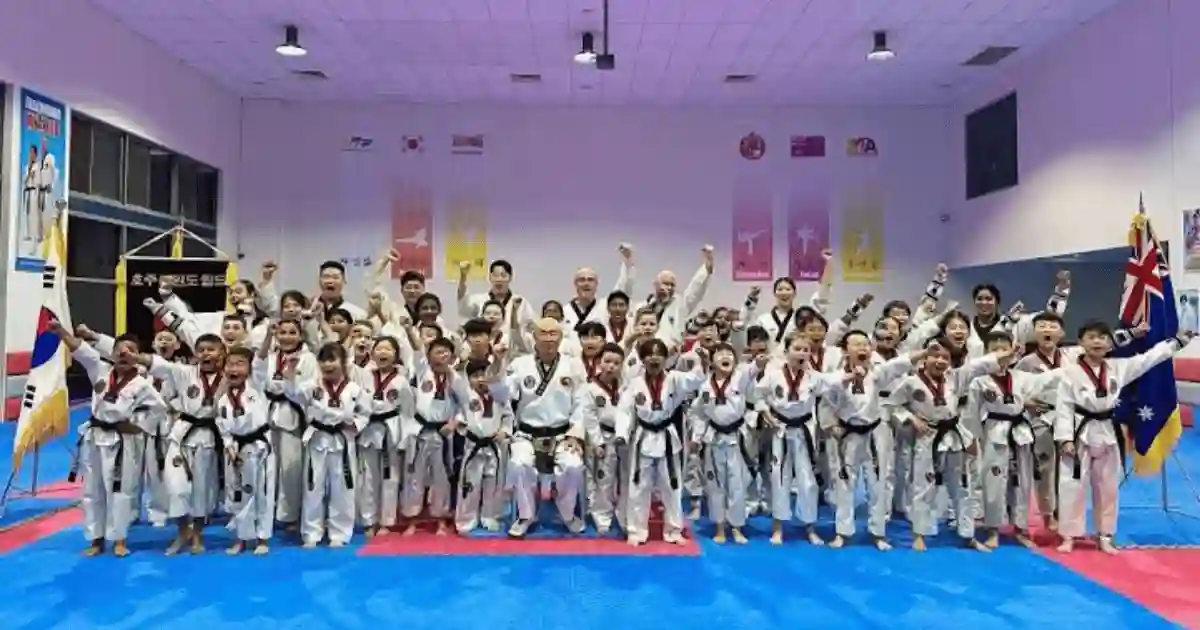
You earned your black belt. Your instructor asks you to help with the junior class, and at first it feels easy. Then fifteen children stare back at you. One cannot tie their belt. One is crying. Two are kicking each other. I remember this exact moment at a dojang in Orlando, Florida, and it taught me fast that “I know Taekwondo” and “I know how to coach Taekwondo” are two very different skills. Finding the best Taekwondo coaching courses depends heavily on your experience, Dan rank, coaching goals, style, country, age group, and competition level. This guide compares the real options so you can choose one that actually fits your situation.
What Makes a Taekwondo Coaching Course the Best?
Choosing a course is not about collecting certificates. The best program should make you a safer, clearer, and more effective coach on the dojang floor, building on foundations covered in important things every taekwondo student should learn.
Technical Taekwondo Knowledge
Strong courses cover poomsae, kyorugi, basic techniques, Korean terminology, and clear technical standards. Familiarity with official poomsae forms supports this foundation well.
Coaching and Teaching Skills
A good course teaches lesson planning, demonstration, feedback, communication, and skill progression. Technical knowledge alone rarely produces a great teacher.
Athlete Development
Training principles, conditioning, recovery, and competition preparation all support long-term athlete growth. This connects closely to preventing taekwondo overtraining in the athletes you coach.
Safety and Duty of Care
Injury prevention, safe training practices, first aid, safeguarding, and child protection should all appear clearly, echoing standards found in official taekwondo safety and medical rules.
Recognition and Credibility
Check who issues the qualification, whether your federation recognizes it, whether it’s required for competition coaching, and whether it’s a certificate of attendance or a formal qualification.
Best Taekwondo Coaching Courses at a Glance
Readers searching for the best course usually want a quick answer first. This table gives the big picture, while the sections below explain why one course may suit a dojang instructor but not an elite kyorugi coach.
Table 1: Best Taekwondo Coaching Courses at a Glance
| Course or Pathway | Best For | Main Strength | Best Starting Point |
|---|---|---|---|
| Kukkiwon International Taekwondo Master Course | Kukkiwon instructors and masters | Technical and instructional development | Experienced practitioners |
| USA Taekwondo Coach Education | USA competition coaches | Competition coaching pathway | Coaches in the US system |
| World Taekwondo-related coaching education | International sport coaching | Competitive kyorugi focus | Competition coaches |
| National federation courses | Local coaches | National recognition | Coaches working locally |
| Club instructor training | New assistant coaches | Hands-on teaching | Beginners to coaching |
| Specialist poomsae education | Poomsae coaches | Technical precision | Poomsae-focused athletes |
| Specialist kyorugi education | Sparring coaches | Tactical and competition skills | Competitive coaches |
| Safeguarding and first-aid courses | Youth coaches | Student safety | Every children’s coach |
Editorial note: These are not interchangeable qualifications. They serve different purposes. Kukkiwon’s World Taekwondo Academy describes its International Taekwondo Master Course as a program for experienced and aspiring instructors and masters, while USA Taekwondo maintains a separate coach education pathway through its Coach Identification and Development Program.
Best Kukkiwon Taekwondo Coaching Courses
Kukkiwon is especially relevant for coaches working within the Kukkiwon and World Taekwondo system. Its World Taekwondo Academy offers structured programs designed to build technical competence, instructional ability, and leadership.
Kukkiwon International Taekwondo Master Course
The official World Taekwondo Academy describes this course as a 40-hour program delivered over five days, covering four themes: Taekwondo theory, practical training in poomsae and gyeorugi, self-defense training, and special lectures from experienced masters. Eligibility depends on specific Dan rank and class level, and pathways exist for first, second, and third class master status.
Best For
Experienced instructors, aspiring masters, and Kukkiwon-focused dojang owners all benefit most from this course.
Possible Limitation
This is not necessarily the first course for a brand-new assistant coach. Eligibility depends on Dan rank and course level, and it should not be confused with competition coaching qualifications.
Kukkiwon Technical Seminars
These seminars focus on technical refinement, curriculum updates, and standardization across instructors worldwide. They support continuing education rather than initial certification.
Kukkiwon Self-Defense Instructor Pathway
This pathway covers hoshinsul, or self-defense instruction, for coaches who want to specialize in that area. It suits instructors already comfortable with core Taekwondo curriculum.
Kukkiwon Poom-Dan Examiner Education
Examiner education differs from general coaching education, since it focuses on grading standards rather than teaching. Coaches should not assume a master course automatically grants examiner authority. The World Taekwondo Academy currently lists International Taekwondo Master, Poom-Dan Examiner, Hanmadang Referee, and Self-Defense Instructor programs among its specialist pathways.
Best Taekwondo Coaching Courses in the USA
For American coaches, the course landscape can feel confusing. A Kukkiwon qualification, a USA Taekwondo coaching course, and a local club instructor program may all serve different roles.
USA Taekwondo Coach Education Programme
USA Taekwondo directs coaches to its Coach Identification and Development Program, which includes the Associate Coach Quiz, Level 1, and Level 2 seminars, alongside a broader course catalog for current descriptions and qualifications.
Best for USA Competition Coaches
Tournament coaching, competition rules, athlete preparation, corner coaching, and tactical decision-making all matter most here. Understanding how taekwondo matches are scored supports this pathway directly.
Best for USA Dojang Instructors
Technical instruction, youth coaching, lesson planning, and student development form the core focus for dojang-based coaches, similar to guidance found in teaching kids taekwondo.
Kukkiwon vs USA Taekwondo Education
Kukkiwon education centers on technical and master-level development, while USA Taekwondo education centers on competition coaching and national governing body requirements. Both matter for different goals.
USA Expert Advice
A recognized USA Taekwondo coach educator would likely answer this core question: “What should a new Taekwondo coach learn first: more techniques, or better coaching?” The honest answer usually favors coaching skill, since technical mastery alone rarely translates into effective teaching.
Best Taekwondo Coaching Courses for Beginners
A beginner coach needs a different starting point from a fifth Dan instructor.
Start With Assistant Instructor Training
Learning how to run warm-ups, demonstrate safely, correct students properly, and manage groups forms the real foundation for new coaches.
Learn Lesson Planning
Warm-up, technical block, drills, partner work, games, and cool-down all belong in a well-structured lesson plan.
Add First Aid and Safeguarding
This matters especially for children’s classes, junior clubs, and school programs, connecting closely to the standards in training taekwondo safely.
Learn From a Senior Instructor
Shadowing, observation, mentoring, and honest feedback all accelerate a new coach’s development far faster than lectures alone.
The Best First Course May Not Be a Big International Course
Hands-on mentoring can be more useful at the beginning than a large certification program. A certificate alone does not automatically teach classroom control.
Best Taekwondo Coaching Courses for Experienced Coaches
Once a coach has years of experience, the learning needs change.
Advanced Technical Courses
These focus on poomsae, kyorugi, and deeper technical corrections beyond beginner fundamentals.
Coach Education
Athlete development, training design, periodization, and performance analysis all become relevant at this stage.
Leadership and Master-Level Education
Instructor development, dojang leadership, and mentoring younger coaches define this level of growth.
Continuing Professional Development
Seminars, refresher courses, and specialist workshops keep experienced coaches sharp. The World Taekwondo Academy itself describes advanced and continuing education as part of its broader leadership-development system.
Best Courses for Taekwondo Competition Coaches
Competition coaching is its own skill set. A great technical instructor may still need more training before standing in the coach’s chair at a major tournament.
Kyorugi Coaching Courses
These cover tactical planning, match analysis, scoring awareness, competition rules, and athlete preparation, all closely tied to official kyorugi rules.
Poomsae Coaching Courses
Technical detail, presentation, performance quality, and competition judging criteria all matter here, supported by knowledge of every official poomsae name.
Tournament Rules Education
Current rules, referee signals, protest procedures, and coach conduct all require regular updates, including recent changes covered in taekwondo’s new competition rules.
Athlete Corner Skills
Clear instructions, calm communication, tactical adjustments, and managing emotions under pressure separate strong corner coaches from average ones.
Best Taekwondo Coaching Courses for Children
Children are not simply small adults wearing doboks.
Child Development
Attention span, motor skills, confidence, and age-appropriate instruction all shape how effective coaching looks for young students.
Games-Based Learning
Balance games, reaction drills, footwork games, and safe partner activities keep children engaged far better than repetitive drilling alone.
Safeguarding
Child protection, professional boundaries, reporting concerns, and safe communication protect both students and coaches, especially in programs like special needs taekwondo that require extra sensitivity.
Behaviour Management
Clear rules, positive reinforcement, consistency, and calm handling of difficult moments all support a well-run children’s class.
Real-Life Scenario
Picture a Saturday morning junior class. A five-year-old refuses to join in. An eight-year-old wants to spar everyone. A parent asks why their child has not graded yet. Strong coaching education helps handle this whole situation, not just the Taekwondo technique itself.
Best Taekwondo Coaching Courses for Adults
Adult students bring different needs entirely.
Teaching Beginners
Confidence building, mobility awareness, fear management, and clear technique breakdown matter most for adult beginners, similar to guidance found in taekwondo for beginners.
Coaching Adult Fitness Students
Conditioning, safe intensity, and realistic goal setting support adults training primarily for fitness.
Coaching Older Adults
Mobility, balance, injury awareness, and thoughtful training modification all protect older students, connecting closely to guidance for adult taekwondo students at every age.
Coaching Experienced Adult Practitioners
Technical refinement, performance goals, and individual feedback matter more once adult students progress beyond the basics.
Best Taekwondo Coaching Courses by Coaching Goal
The easiest way to choose a course is to start with the job you want to do. Someone teaching six-year-olds on Tuesday needs a different skill set from someone coaching an international kyorugi athlete on Saturday.
Table 2: Best Taekwondo Coaching Courses by Coaching Goal
| Your Goal | Best Course Type |
|---|---|
| Become an assistant instructor | Club mentoring plus basic instructor course |
| Teach children | Youth coaching plus safeguarding |
| Run a Kukkiwon dojang | Kukkiwon instructor or master pathway |
| Coach competition athletes | Federation competition coaching |
| Coach kyorugi | Sport-specific kyorugi education |
| Coach poomsae | Technical poomsae training |
| Run a professional dojang | Coaching plus business plus leadership |
| Teach self-defense | Specialist self-defense instructor training |
| Become an examiner | Examiner-specific qualification |
What Should a Good Taekwondo Coaching Course Teach?
The certificate is only one part of the story. The real question is what you can do better after the course.
Communication
Simple instructions, clear demonstrations, and useful feedback all form the backbone of effective coaching communication.
Lesson Design
Warm-ups, skill progressions, drills, and overall class structure keep sessions purposeful rather than random.
Observation
Strong courses teach coaches to watch movement, spot errors, identify root causes, and give one useful correction at a time.
Motivation
Encouragement, goal setting, confidence building, and positive feedback support the same growth described in building self-confidence through taekwondo.
Safety
Injury prevention, safe contact, equipment checks, and emergency planning protect everyone in the room, similar to guidance in preventing common taekwondo injuries.
Ethics
Respect, professional boundaries, student welfare, and fair treatment round out a genuinely complete coaching education.
How Much Do Taekwondo Coaching Courses Cost?
Costs vary greatly by provider, country, and course level.
Course Fees
Basic local courses, national federation courses, and international qualifications all carry very different price points. Always confirm current fees directly with the provider.
Travel and Accommodation
Flights, hotels, meals, and local transport can add significantly to the total cost of international or out-of-state courses.
Hidden Costs
Membership fees, insurance, equipment, renewals, first aid, and background checks where applicable often surprise new coaches. A basic coaching essentials kit can help offset some early equipment costs.
How to Compare Course Value
Do not ask only how cheap a course is. Ask what qualification you receive, who recognizes it, what you can do with it, whether it improves your coaching, and whether it’s required for your target role.
Best Taekwondo Coaching Courses Compared
This comparison should help you make a decision without pretending every program can be ranked on one simple scale. A master course and a competition coaching course may both be excellent while serving completely different jobs.
Table 3: Best Taekwondo Coaching Courses Compared
| Course Type | Technical Skills | Coaching Skills | Competition | Youth Focus | Best For |
|---|---|---|---|---|---|
| Kukkiwon Master Course | High | High | Medium | Medium | Kukkiwon instructors |
| National Coach Education | Medium-High | High | High | Varies | Competition coaches |
| Club Instructor Training | High | High | Low-Medium | High | New instructors |
| Kyorugi Specialist Course | High | High | Very High | Low-Medium | Sport coaches |
| Poomsae Specialist Course | Very High | High | High | Low-Medium | Poomsae coaches |
| Safeguarding Course | Low | Medium | Low | Very High | Youth coaches |
| First Aid Course | Low | Medium | Low | High | All coaches |
How to Choose the Best Taekwondo Coaching Course
Choosing well is easier when you work backwards from your goal.
Step 1: Decide What You Want to Coach
Beginners, children, adults, poomsae, kyorugi, or elite athletes each point toward a different course type entirely.
Step 2: Check Your Current Rank
Dan level, overall experience, and teaching history all affect which courses you’re eligible for right now.
Step 3: Check Recognition
Ask who recognizes the course, whether it’s recognized in your country, and whether your own federation accepts it.
Step 4: Check Entry Requirements
Age, Dan rank, membership status, and prior experience all shape whether you qualify for a specific course.
Step 5: Check the Curriculum
Avoid courses that stay vague about content, assessment methods, or instructor qualifications.
Step 6: Check the Trainer
Look for real coaching experience, relevant qualifications, and a genuine teaching history behind the course itself.
Step 7: Check the Assessment
Ask whether there’s an exam, a practical assessment, a written assessment, or simply attendance-based completion.
Red Flags When Choosing a Taekwondo Coaching Course
Not every course with “Master” or “Coach” in its title is equally useful.
No Clear Accrediting Body
If nobody can clearly explain who recognizes a course, treat that as a serious warning sign.
Guaranteed Certification
Be cautious of “pass everyone” promises or courses with no practical assessment component at all.
Too Much Focus on Rank
A high Dan does not automatically mean great coaching, a theme worth remembering alongside strengths and weaknesses in taekwondo training.
No Safeguarding Content
This is especially concerning for any course claiming to prepare coaches for children’s classes.
No Practical Teaching
A course built entirely on lectures may not prepare you for a noisy, unpredictable dojang floor.
Unclear Renewal Requirements
Check whether certification expires, whether continuing education is needed, and whether membership must stay active.
How Long Does It Take to Become a Qualified Taekwondo Coach?
The answer depends entirely on the coaching pathway you choose.
Beginner to Assistant Instructor
This step often starts informally through simple club mentoring rather than formal courses.
Assistant Instructor to Independent Coach
Teaching experience, technical development, and relevant qualifications all combine here, building on the same fundamentals covered in important things every taekwondo student should learn.
Experienced Coach to Master-Level Instructor
Dan progression, advanced courses, and leadership development define this longer stage.
Why There Is No Universal Timeline
Federation differences, country differences, style differences, and rank requirements all shape your specific timeline. No two coaching journeys look identical.
Do You Need a Black Belt to Take a Taekwondo Coaching Course?
This is a valuable long-tail question worth answering directly.
Assistant Coaching
Some clubs allow junior students to help informally, well before any formal coaching course.
Formal Coaching Qualifications
Requirements vary by course and organization, so always confirm directly with the provider.
Master-Level Qualifications
These often require substantial Dan rank, sometimes as high as eighth or ninth Dan for advanced examiner tracks.
Why Rank and Coaching Skill Are Different
A black belt demonstrates technical progression, while coaching requires separate communication and teaching skills, a distinction explored in belt rank and belt test requirements.
How to Get the Most From a Taekwondo Coaching Course
The learning does not end when the certificate goes into a folder.
Take Notes
Write down useful drills, corrections, and teaching ideas as they come up during the course itself.
Test One New Idea at a Time
Do not rebuild your entire class overnight. Small, steady changes stick far better than sudden overhauls.
Ask for Feedback
Senior instructors, fellow coaches, and even students can all offer valuable perspective on your teaching.
Keep a Coaching Journal
Track what worked, what failed, and how students responded. A simple notebook from a coaching essentials kit makes this habit easy to maintain.
Continue Learning
Seminars, refresher courses, mentoring, and video analysis all keep your coaching sharp long after any single course ends.
Common Mistakes When Choosing a Taekwondo Coaching Course
Choosing by Certificate Name Alone
A fancy title does not guarantee real quality or recognition.
Ignoring Your Coaching Goal
Technical mastery is not the same as competition coaching readiness.
Picking the Cheapest Option
The cheapest course may not deliver the best value for your specific goal.
Skipping Safeguarding
This is especially risky for anyone planning to teach children’s classes.
Expecting One Course to Teach Everything
Coaching is a long process that no single weekend can complete.
Never Practising What You Learn
Knowledge without real use fades quickly, no matter how good the original course was.
Our Ranking of the Best Taekwondo Coaching Course Pathways
This section presents courses ranked by purpose, not as a universal one-to-ten scale.
Best for Kukkiwon Technical and Master Development
The Kukkiwon World Taekwondo Academy International Taekwondo Master Course leads here because of its strong standardization, technical curriculum, instructor development focus, and genuine international relevance.
Best for USA Competition Coaching
USA Taekwondo’s Coach Education pathway leads here through its national sport focus, competition-specific training, and direct relevance for coaches working inside the USA Taekwondo system.
Best for New Assistant Coaches
Club-based instructor mentoring combined with a recognized basic coaching education wins here through immediate hands-on experience, senior instructor feedback, and real class management practice.
Best for Youth Coaches
Youth coaching paired with safeguarding and first aid training wins here through its focus on child safety, age-appropriate instruction, and stronger class management.
Best for Kyorugi Coaches
Competition-focused federation and kyorugi coaching education wins here through tactical development, rule mastery, and genuine athlete preparation, all connected to understanding point sparring versus Olympic sparring.
Best for Poomsae Coaches
Specialist poomsae technical education wins here through its precision, technical depth, and focus on performance quality.
Frequently Asked Questions About Taekwondo Coaching Courses
What is the best Taekwondo coaching course?
The best course depends entirely on your coaching goal, country, federation, and current experience level. No single course fits every coach.
What is the best Taekwondo instructor certification?
Instructor education, master qualification, and competition coaching certification are all genuinely different paths serving different purposes.
Is the Kukkiwon Master Course worth it?
Yes, for experienced Kukkiwon practitioners seeking recognized master-level standing and standardized instructional development.
Is USA Taekwondo coach education worth it?
Yes, particularly for coaches working toward sanctioned competition roles within the USA Taekwondo system.
Can I become a Taekwondo coach without a black belt?
Informal assistant coaching often does not require a black belt, though formal qualifications typically require specific rank and experience.
How long does it take to become a Taekwondo coach?
There is no single global timeline. It depends on your organization, coaching goal, and how much time you can dedicate to development.
Do Taekwondo coaches need insurance?
Requirements vary by country and organization, but insurance is an important consideration for independent coaching and dojang operation.
What qualifications do I need to teach children?
Technical qualifications, safeguarding training, first aid, and local requirements all typically apply when teaching children.
Is a Taekwondo coaching certificate enough to become a good coach?
No. A certificate provides a foundation, but real experience and continued learning matter just as much.
Final Checklist for Choosing Your Course
Before enrolling, ask yourself the following:
What do I want to coach? Who recognizes the qualification? What are the entry requirements? Is the course practical? Is there an assessment? Who teaches it? Does it include safeguarding? Does it fit my federation? What will it cost in total? What can I do after completing it, and would a simple coaching essentials kit help me practice these new skills sooner?
Final Recommendation
After comparing coaching pathways and working through my own coaching education, my honest take on the best Taekwondo coaching courses comes down to fit, not fame. A Kukkiwon Master Course serves experienced instructors chasing standardized technical leadership, while USA Taekwondo’s coach education pathway serves anyone aiming at sanctioned competition roles. New coaches almost always benefit most from hands-on mentoring paired with a basic instructor course, not a big international certification right away. Whatever path you choose, add safeguarding and first aid early, since safety should never be an afterthought. Pick the course that matches your actual goal, not the one with the fanciest name, and keep learning long after the certificate arrives.

Founder, Owner, and CEO of TaekwondoKing.
He is one of the top 100 martial artists in the World and among the top 20 referees in Bangladesh.
Ehatasamul Alom is an esteemed Kukkiwon Certified Taekwondo 3rd Dan Black Belt with over 15 years of experience in this dynamic martial art. Born in Rajshahi, Bangladesh, Ehatasamul’s journey with Taekwondo began at the tender age of seven. His passion led him to compete at national and international levels, where he has bagged numerous awards and honors. He is also a member of the Taekwondo National Referee Panel.
With a Bachelor’s degree in Sports Science from the prestigious Rajshahi University, Ehatasamul has a deep understanding of the technical and scientific aspects of martial arts and some other martial arts.
In 2022, Ehatasamul created the “TaekwondoKing.com” to share his knowledge, Free Resources, Values, and Real experiences. His articles focus on Taekwondo training techniques, competition strategies, Sport Products Reviews, and the art’s rich history and philosophy. He also writes about the importance of mental fortitude and discipline, key aspects of his teaching philosophy. He has already launched many sports, Taekwondo, and health-related Free online tools. His goal is to inspire both beginners and seasoned practitioners worldwide through insightful and engaging content.
If you need any help, contact Ehatasamul Alom at any time.