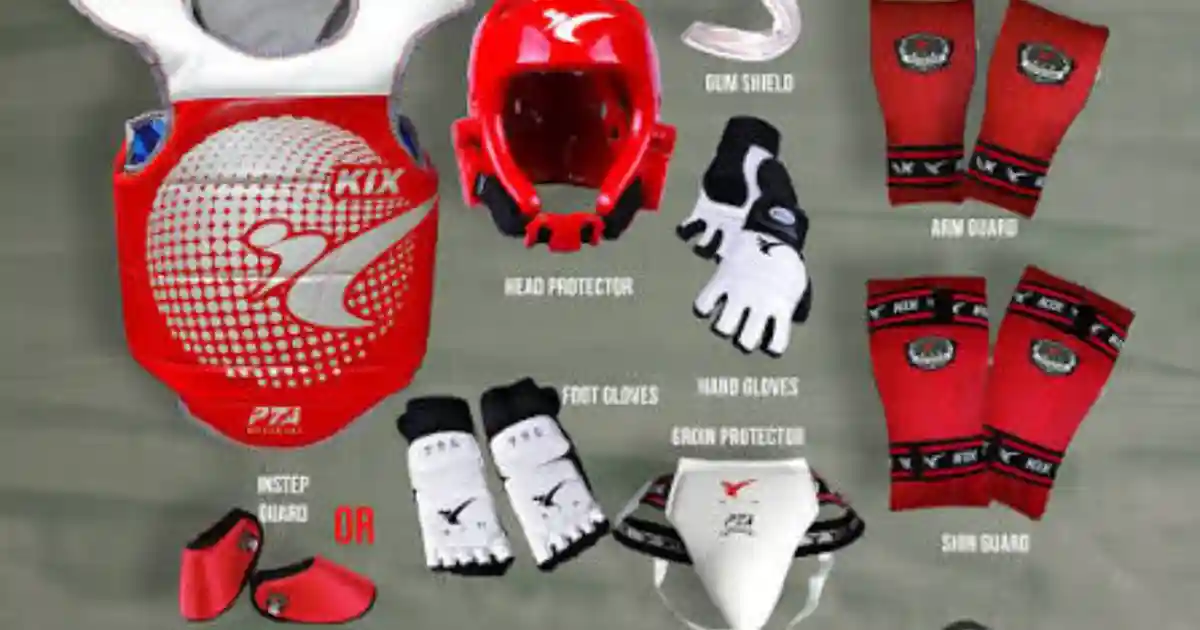
One helmet slides over your eyes. One chest guard feels like a straitjacket. Buying taekwondo gear should feel exciting, not confusing, yet almost every student ends up measuring shin guards on the living room floor at some point. Learning how to size taekwondo gear properly removes that guesswork completely. Once you understand which measurements matter and how each piece should actually fit, shopping gets fast and stress free. I have fitted hundreds of students for gear over the years, from first-day white belts to competitors heading to Nationals, and this guide walks you through exactly what I check every time.
Why Properly Sized Taekwondo Gear Matters
Good equipment should protect you without limiting movement. Gear that fits poorly can affect comfort, safety, and even performance during sparring or forms.
Safety during practice and sparring
Loose gear shifts at the worst possible moment, exposing the exact area it was meant to protect. Tight gear restricts breathing or blood flow, which is just as dangerous over a long training session, and this is one reason I bring up sizing so early with anyone starting taekwondo for beginners.
Better mobility and kicking technique
Bulky, oversized gear drags on your kicks and slows your footwork. Students preparing for taekwondo sparring drills always perform better once their gear stops fighting their movement.
Confidence during tournaments
Fumbling with a helmet strap seconds before your match creates unnecessary stress. Properly fitted gear lets you focus entirely on strategy instead of equipment.
Preventing unnecessary injuries
Shin guards that slide down expose bare skin to a hard kick. Poor fit is a leading cause of avoidable bruising and even minor fractures, which ties directly into the most common injuries in taekwondo that I see among competitive students.
Meeting competition equipment rules
World Taekwondo events enforce strict equipment standards, and the taekwondo safety and medical rules by WT outline exactly what officials check before every match. Gear that fails inspection can disqualify you before you even step on the mat.
Measurements You Need Before Buying Gear
A few simple body measurements save time, money, and return shipping headaches. Grab a soft measuring tape before you start shopping online or in store, the same way I recommend preparing before working through taekwondo belt test requirements, since both processes reward a little upfront planning.
Height
Height determines dobok length and often factors into chest protector sizing charts too. Measure barefoot, standing straight against a wall, and record the number in inches since most USA-based charts use inches rather than centimeters.
Weight
Many hogu and dobok size charts use weight brackets rather than height alone. Weigh yourself in light clothing for the most accurate number, and remeasure every few months if you are still growing or actively training for taekwondo supercharges your fitness style conditioning programs.
Chest circumference
Wrap the tape around the fullest part of your chest, keeping it level front and back. This number matters most for chest protector fit, and it also connects closely to overall flexibility and mobility since a snug but not restrictive chest protector allows a fuller range of arm movement during blocks.
Waist measurement
Waist size affects dobok pants and belt length. Measure at your natural waistline, not where your pants usually sit, and round up if the number falls exactly between two listed sizes.
Head circumference
Wrap the tape around your forehead, just above your eyebrows, for headgear sizing. Keep the tape snug but not tight, and note the number for quick reference when comparing charts later.
Hand size
Measure around your knuckles, excluding your thumb, for glove sizing. This matters more than palm width for most brands, especially for students drilling taekwondo moves that involve repeated hand strikes.
Foot size
Measure foot length from heel to longest toe while standing. This affects both regular foot protectors and electronic sensor socks, so keep this number handy for the foot protector section further down this guide.
Shin length
Measure from just below your kneecap to your ankle bone for shin guard sizing. Shin guards that are too short leave your ankle exposed.
Forearm length
Measure from your elbow to your wrist for forearm guard sizing. This measurement is often skipped, which is why forearm guards are commonly sized wrong, especially among students newer to full sparring gear who focus mostly on strengths and weaknesses of taekwondo technique rather than equipment fit.
Table 1 below is the same reference sheet I hand new students before their first gear order. Keep these numbers saved on your phone so you always have them ready.
| Body Measurement | Used For |
|---|---|
| Height | Dobok |
| Weight | Chest Protector (Hogu) |
| Chest | Hogu |
| Head | Headgear |
| Hand | Gloves |
| Foot | Foot Protectors |
| Shin | Shin Guards |
| Forearm | Arm Guards |
A soft body measuring tape makes taking these measurements far easier than guessing with a ruler, and it costs less than a single wrong-sized order.
How to Size a Taekwondo Uniform (Dobok)
A dobok should allow full movement without feeling baggy enough to catch your feet. The right fit makes every kick more comfortable and every stance more stable.
Measuring your height correctly
Dobok sizing charts typically use height ranges rather than exact inches. Round up if you fall between two sizes, since a slightly longer dobok is easier to fix than a short one.
Weight considerations
Some brands cross-check weight against height for a more accurate fit, especially for broader or more muscular builds. Always check both numbers against the manufacturer’s chart.
Sleeve length
Sleeves should reach your wrist without bunching at the elbow during a punch. Too-short sleeves ride up and expose skin during forms.
Pant length
Pants should sit just above your ankle bone, allowing full kicking range. Dragging fabric around your feet is both a tripping hazard and a distraction.
Room for movement
A proper dobok allows a full front kick chamber without pulling tight across your hips. If you feel resistance during a kick, size up.
Youth vs adult sizing
Youth doboks are cut differently than adult versions, not just scaled down. Parents shopping for a child should always check youth-specific charts rather than assuming a small adult size will work, especially for programs built around martial arts for kids.
Competition fit vs training fit
Competition doboks are often cut slightly slimmer for a cleaner presentation during poomsae judging. Training doboks can be a touch looser for everyday comfort and durability.
If your current uniform is worn thin or the wrong size, this taekwondo dobok set comes in accurate youth and adult sizing with a reliable fit straight out of the bag.
How to Size a Taekwondo Chest Protector (Hogu)
A chest protector should stay secure while allowing you to breathe comfortably. If it shifts during sparring, it is almost always the wrong size.
Choosing by height and weight
Most hogu charts combine height and weight for the most accurate recommendation. When the two numbers point to different sizes, size for your chest measurement instead.
Proper chest coverage
The hogu should cover from your collarbone down to your lower ribs without gaps at the sides. Gaps leave scoring zones exposed during sparring, which matters even more once you begin applying live taekwondo self-defense reactions against a resisting partner.
Side protection
Side coverage matters more than most beginners realize, since many strikes land at odd angles during live sparring. Check that the protector wraps far enough around your ribs, and adjust the side straps rather than assuming one universal fit works for every body type.
Strap adjustment
Straps should hold the hogu snug without digging into your shoulders. Loose straps are the most common reason a chest protector shifts mid-match.
Electronic WT chest protectors
Electronic hogus used in WT-sanctioned events require a closer, more precise fit for accurate scoring sensors. Review the taekwondo kyorugi rules and regulations by WT before your first electronic-scored tournament.
Common fitting mistakes
Buying oversized for growing room is the most frequent mistake I see with chest protectors specifically. Unlike a dobok, a hogu with too much room actually reduces protection instead of adding safety margin.
Table 2 below gives a general starting point, though brand differences mean you should always confirm final sizing against the manufacturer’s own chart before ordering.
| Size | Typical Height |
|---|---|
| XS | Children |
| S | Youth |
| M | Teen / Small Adult |
| L | Adult |
| XL | Larger Adult |
Note: Always confirm with the manufacturer’s sizing chart before purchasing. This adjustable chest protector covers a wide range of the sizes listed above with strap adjustment built in for a closer, more secure fit.
How to Size Headgear Correctly
A helmet should feel snug without creating pressure points anywhere on your skull. It should stay in place during movement without ever blocking your vision.
Measuring head circumference
Measure just above your eyebrows and around the widest part of your skull. Round up slightly if you fall between two sizes for comfort during longer sessions.
Proper forehead position
The front pad should sit just above your eyebrows, not pushed back toward your hairline. A helmet worn too far back leaves your forehead exposed.
Chin strap adjustment
The chin strap should feel snug without restricting your jaw movement or breathing. Test it by shaking your head side to side before confirming the fit, since a strap that loosens under movement defeats the purpose of the helmet entirely.
Ear opening alignment
Ear openings should line up with your actual ears so you can hear coaching instructions clearly during sparring. Misaligned openings usually mean the helmet is the wrong size, and this detail becomes especially important for students preparing for tournaments who need to hear referee calls clearly, similar to the awareness required by an active taekwondo referee on the mat.
Competition-approved headgear
WT-sanctioned events require approved headgear models, and using unapproved gear can disqualify a competitor before their match even starts. Always check your school’s taekwondo referee rules and regulations by WT for current approved equipment lists.
If your current helmet feels loose after repeated washing, this adjustable sparring headgear holds its shape well and includes a dial-fit strap system for a more precise fit over time.
How to Size Gloves, Shin Guards, and Forearm Guards
Protective gear works best when it moves with your body instead of sliding around during every kick or block. Ill-fitting gear here is one of the fastest ways to lose focus mid-round.
Hand protectors
Gloves should allow a full fist without excess material bunching in your palm. Test your grip strength while wearing them before confirming the size, especially if you regularly practice taekwondo self-defense techniques that require a firm grip.
Forearm guards
Forearm guards should sit snugly from wrist to just below the elbow without pinching. These are commonly sized wrong because students skip the forearm measurement entirely, even experienced athletes preparing for para taekwondo competition rules by WT events.
Shin guards
Shin guards should stay centered over your shinbone without sliding toward your ankle during kicks. A proper fit here matters most for students actively drilling hard kicks in taekwondo during sparring sessions. A snug pair of shin and instep guards with a wide strap tends to stay in place far better than the thin elastic sleeve style.
Elbow guards (if required)
Some schools require elbow guards for certain age groups or sparring formats. Check with your instructor before assuming they are optional at your belt level, since requirements often shift once students move into more contact-heavy sparring.
Strap adjustment
Velcro straps should hold firmly through a full sparring round without loosening. Replace straps that no longer grip well rather than compensating with extra tightness elsewhere, or upgrade to a full glove and forearm guard set with reinforced strap stitching for longer-lasting hold.
Flexibility check
Bend your knee, wrist, and elbow fully while wearing each guard to confirm nothing restricts your range of motion. Gear that limits flexibility usually needs a size up, and pairing this check with a proper mouthguard fitted for sparring rounds out a complete protective setup before your next class.
For students building a full gear bag from scratch, this protective gear bundle includes properly proportioned shin, forearm, and hand protection sized together as a matched set.
Choosing the Right Foot Protectors
Foot protectors should feel secure without squeezing your toes. A proper fit improves both comfort and electronic scoring accuracy in WT competition.
Measuring foot length
Measure from heel to your longest toe while standing with full body weight on the foot. Measure both feet, since small size differences between feet are common.
Toe coverage
Toes should sit comfortably inside the protector without curling or feeling cramped. Cramped toes reduce kicking power and increase fatigue over a long sparring session, an issue that shows up quickly for students working on taekwondo weight limit categories that demand extra footwork.
Heel fit
The heel should stay locked in place during pivots and kicks. A loose heel is a common cause of blisters during extended sparring practice, so recheck this fit regularly if you train several times a week.
Electronic sensor socks
Electronic sensor socks used in WT scoring systems require a closer, more precise fit than standard foot protectors. Review sizing carefully before your first sensor-based tournament to avoid scoring inconsistencies.
Competition requirements
Approved foot protector models vary by governing body, so always confirm current requirements with your coach or referee before a sanctioned event.
Table 3 below reflects the quick pre-sparring check I still run through with my own students before every class.
| Equipment | Correct Fit |
|---|---|
| Dobok | Comfortable, unrestricted |
| Headgear | Snug, stable |
| Hogu | Covers chest securely |
| Gloves | Secure wrist fit |
| Shin Guards | Stay centered |
| Foot Protectors | Firm but comfortable |
| Mouthguard | Secure without slipping |
A properly sized foot protector and sensor sock set removes most of the guesswork from this checklist in one purchase.
How to Size Gear for Children
Kids grow quickly, so parents often wonder whether to buy larger equipment on purpose. In most cases, safety comes before extra growing room.
Avoid oversized gear
Oversized gear on a child shifts constantly and defeats its own purpose. This is especially risky for young students building self-confidence through taekwondo, since proper fit builds trust in the gear early.
Allow moderate growth room
A small amount of growing room is fine, but never more than one size up. Straps and adjustable panels handle minor growth better than a full oversized fit, which is one reason I recommend adjustable gear over fixed sizing whenever a family is budgeting for a growing student’s first full kit.
Check fit every few months
Children can outgrow gear within a single season. Set a reminder to recheck fit every few months rather than waiting for complaints of discomfort, since most kids will keep training in gear that no longer fits rather than say anything.
School-specific requirements
Some schools require specific colors, brands, or styles for younger students, particularly for programs focused on self-discipline in taekwondo. Confirm requirements with your instructor before ordering.
Youth competition regulations
Youth divisions in WT and regional tournaments often have specific gear rules separate from adult divisions. Always check current youth regulations before a child’s first competition, and consider reviewing a story like the North Hykeham grandmother earning her taekwondo belt at 83 as a reminder that proper gear and proper fit matter at every age, not just for young competitors.
Brand Sizing Differences You Should Know
Not every manufacturer measures equipment the same way. Reading the sizing chart is always smarter than assuming a medium fits every brand equally.
Adidas
Adidas gear tends to run slightly narrow in the chest protector line. Sizing up is common advice from experienced coaches for broader-chested students, especially competitive athletes chasing strong taekwondo world rankings.
Daedo
Daedo electronic hogus are widely used in WT-sanctioned events and generally follow a true-to-size chart. Their sizing tends to be one of the more consistent options across age groups, which makes them a common choice among athletes chasing world taekwondo rankings.
Mooto
Mooto gear often runs slightly larger than other brands, especially in headgear. Many students size down from their usual measurement with this brand, a detail worth remembering as you build out gear for competitive taekwondo poomsae or sparring events.
KPNP
KPNP sensor socks and foot gear are popular for electronic scoring accuracy. Their sizing chart closely mirrors standard shoe sizing, which makes ordering fairly straightforward even for parents new to taekwondo for adults or youth programs alike.
Tusah
Tusah is another common WT-approved electronic gear brand, with sizing that generally matches Daedo closely. Still, always cross-check both brands’ individual charts before ordering, and consider a complete electronic-compatible sparring kit if you plan to compete under WT rules regularly.
Vision Taekwondo
Vision gear tends to favor a slimmer competition cut, similar to what serious taekwondo martial arts experts often prefer for tournament presentation. Training students may find their training-fit line more comfortable for daily use.
Why sizing charts vary
Manufacturing standards differ by country and by brand history, which is why a size medium in one brand can fit like a small in another. Always measure yourself first, then match your numbers to each brand’s individual chart rather than relying on memory from a previous purchase.
Common Taekwondo Gear Sizing Mistakes
Most sizing problems happen before the gear even arrives. Fortunately, they are easy to avoid with a few careful checks before you order.
Buying by age only
Age is a rough guide at best, since body size varies widely even within the same age group. Always confirm with actual measurements instead, the same way I encourage parents exploring why should start taekwondo to focus on their child’s actual size rather than a birthday number.
Ignoring weight recommendations
Weight brackets matter more than most buyers expect, especially for chest protectors and doboks. Skipping this step is one of the most common reasons gear gets returned, right alongside skipping the height chart entirely.
Forgetting competition rules
Training gear that fits well is not always tournament legal. Always double-check WT or your organization’s current equipment rules before a sanctioned event.
Wearing loose headgear
Loose headgear is more than uncomfortable, it is a genuine safety risk during sparring. Recheck strap tension regularly, especially after washing.
Choosing oversized uniforms
Oversized doboks look sloppy during forms judging and can even catch on your feet during kicks. Correct sizing supports both safety and the clean presentation examiners expect during poomsae sections of a grading or tournament.
Skipping brand charts
Assuming your usual size applies across every brand leads to returns and wasted money. Every brand deserves its own quick chart check, and keeping a reusable gear labeling kit helps track which brand and size each piece belongs to once your bag starts filling up.
Forgetting future growth
For adult gear, this rarely matters, but for growing kids it is worth a small allowance. Just avoid using this as an excuse to buy gear several sizes too large, a mistake that also shows up often around taekwondo for kids programs specifically.
Table 4 below reflects mistakes I have personally watched cost students focus mid-class. I once watched a student spend half a sparring round adjusting oversized shin guards instead of working on technique.
| Mistake | Better Choice |
|---|---|
| Guessing size | Measure first |
| Buying oversized gear | Follow size charts |
| Ignoring brand differences | Check manufacturer guide |
| Loose helmet | Adjust straps properly |
| Tight chest protector | Size for comfortable breathing |
USA Expert Advice on Choosing Taekwondo Gear
Protective equipment should fit so well that a student almost forgets they are wearing it. Constant mid-round adjustments are usually a clear sign that something is sized incorrectly, and that advice has guided how I fit every student in my own program for years.
Try gear on before tournaments
Never wear brand-new, untested gear for the first time on competition day. Break in new equipment during regular class sessions instead, ideally while practicing at full training intensity so nothing feels unfamiliar on match day.
Train in the same equipment you’ll compete in
Switching gear right before a tournament changes your movement and reaction timing. Train in your competition setup for at least a few weeks beforehand so your body adjusts to the exact weight and feel of each piece.
Replace damaged protective gear
Cracked padding or stretched-out straps reduce protection significantly, even if the gear still technically fits. Replace damaged equipment rather than pushing it one more season, especially chest protectors and headgear that absorb repeated impact.
Ask instructors to check the fit
A second pair of eyes catches fitting issues students often miss on themselves, especially with helmet position and hogu strap tension. This is part of why coaching relationships built through taekwondo lessons for adults matter beyond just technique instruction.
Prioritize safety over appearance
A slightly less flashy color in the correct size beats a trendy color in the wrong one every time. Safety should always outrank style when choosing sparring gear, no matter how tempting a bright new colorway looks online.
Real-life context worth sharing here: at many USA taekwondo tournaments across Houston and Florida, athletes line up before matches for mandatory equipment inspection. I have watched competitors make last-second strap adjustments after officials checked their helmets and chest protectors, a scene that plays out at nearly every event I attend as a taekwondo referee. A properly fitted hogu genuinely saves those stressful last-minute surprises before stepping onto the mat.
Frequently Asked Questions
How do I know if my taekwondo gear fits correctly?
Correctly fitted gear stays in place during movement without pinching, sliding, or restricting your kicks. If you find yourself adjusting it repeatedly during class, it likely needs a different size, and that pattern alone is usually a clearer signal than the number on the label.
Should I buy larger gear for growing children?
A small amount of extra room is fine, but avoid sizing up more than one level. Oversized gear on children reduces protection and creates a tripping or sliding hazard, which matters far more than the extra few months of use you might gain from buying ahead.
How tight should a chest protector be?
A hogu should feel snug enough to stay in place during movement while still allowing comfortable, full breathing. If it restricts your breath, size up, and if it shifts during light movement, size down or tighten the side straps first before assuming the whole piece is wrong.
What size dobok should I buy?
Match your height and weight to the manufacturer’s chart, sizing up slightly if you fall between two options. A dobok should allow a full kicking chamber without pulling tight, and the sleeves and pant hems should sit at your wrist and ankle without excess bunching.
Are WT competition sizing rules different?
Yes. WT-sanctioned events often require approved brands and electronic-compatible gear, which can have stricter fit requirements than standard training equipment. Always confirm current requirements with your coach well before registration closes for a tournament.
How do I measure for taekwondo headgear?
Wrap a soft tape measure around your head just above your eyebrows at the widest point. Match that number to the brand’s specific headgear chart, since headgear sizing varies more between brands than almost any other piece of gear.
Can I mix brands of protective gear?
Yes, mixing brands is common and generally fine for training. For sanctioned competition, confirm each individual piece meets your event’s approved equipment list, since some organizations restrict certain electronic gear combinations for scoring consistency.
How often should I replace taekwondo gear?
Replace gear once padding compresses, straps stretch out, or any cracking appears on hard protective shells. Most active students replace core sparring gear every one to two years, though doboks often last longer with proper care and washing.
Do electronic protectors fit differently?
Yes. Electronic hogus and sensor socks generally require a closer, more precise fit than standard foam gear for accurate scoring during matches. A loose electronic sensor can miss registering a legitimate scoring strike entirely.
Where can I find official sizing charts?
Check the manufacturer’s official website directly, since third-party sellers do not always list updated charts. Your instructor can also usually point you toward trusted, WT-approved brand resources, and many schools keep a few loaner pieces on hand so students can test a size before committing to a purchase.
Final Recommendation
After years of fitting students for every belt level, from their very first dobok to full competition kits, my honest recommendation is simple. Measure yourself properly before you shop, and never assume one brand’s medium matches another’s. Learning how to size taekwondo gear correctly protects your body, supports your technique, and genuinely builds confidence before every class or match. I always tell my own students that gear should disappear once you put it on, meaning you stop noticing it and simply train. Take the ten minutes to measure properly, and your gear will finally work with you instead of against you.

Founder, Owner, and CEO of TaekwondoKing.
He is one of the top 100 martial artists in the World and among the top 20 referees in Bangladesh.
Ehatasamul Alom is an esteemed Kukkiwon Certified Taekwondo 3rd Dan Black Belt with over 15 years of experience in this dynamic martial art. Born in Rajshahi, Bangladesh, Ehatasamul’s journey with Taekwondo began at the tender age of seven. His passion led him to compete at national and international levels, where he has bagged numerous awards and honors. He is also a member of the Taekwondo National Referee Panel.
With a Bachelor’s degree in Sports Science from the prestigious Rajshahi University, Ehatasamul has a deep understanding of the technical and scientific aspects of martial arts and some other martial arts.
In 2022, Ehatasamul created the “TaekwondoKing.com” to share his knowledge, Free Resources, Values, and Real experiences. His articles focus on Taekwondo training techniques, competition strategies, Sport Products Reviews, and the art’s rich history and philosophy. He also writes about the importance of mental fortitude and discipline, key aspects of his teaching philosophy. He has already launched many sports, Taekwondo, and health-related Free online tools. His goal is to inspire both beginners and seasoned practitioners worldwide through insightful and engaging content.
If you need any help, contact Ehatasamul Alom at any time.